IN
IN₹
Apparel & Fashion
Description
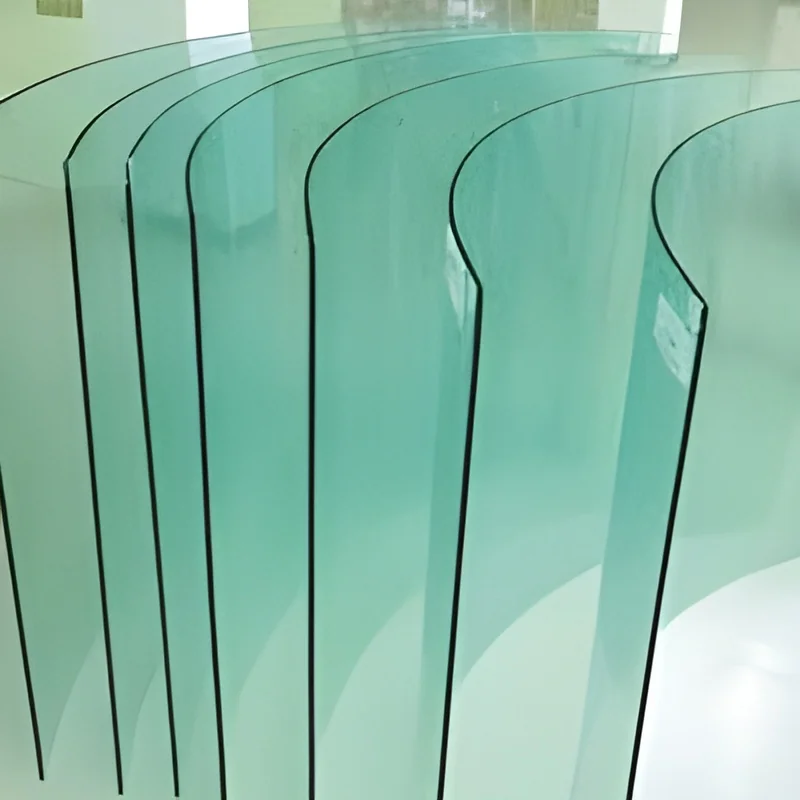
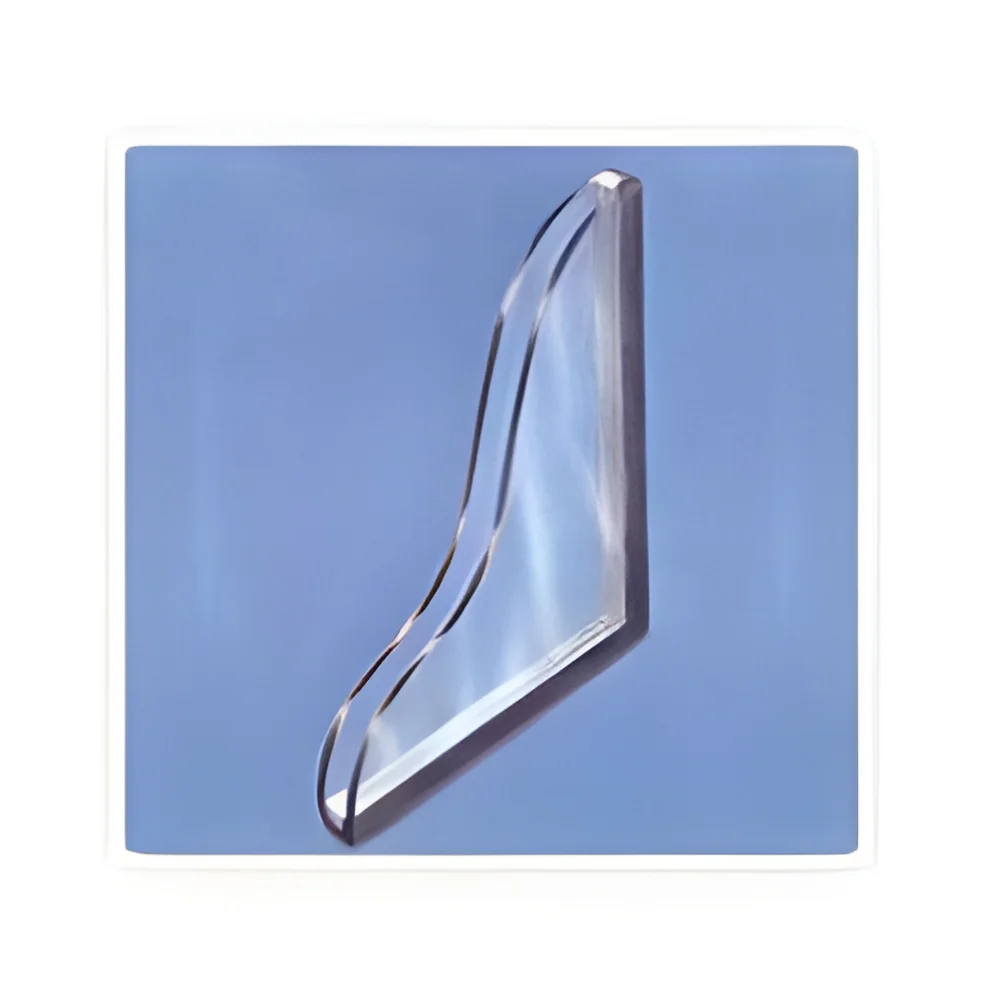
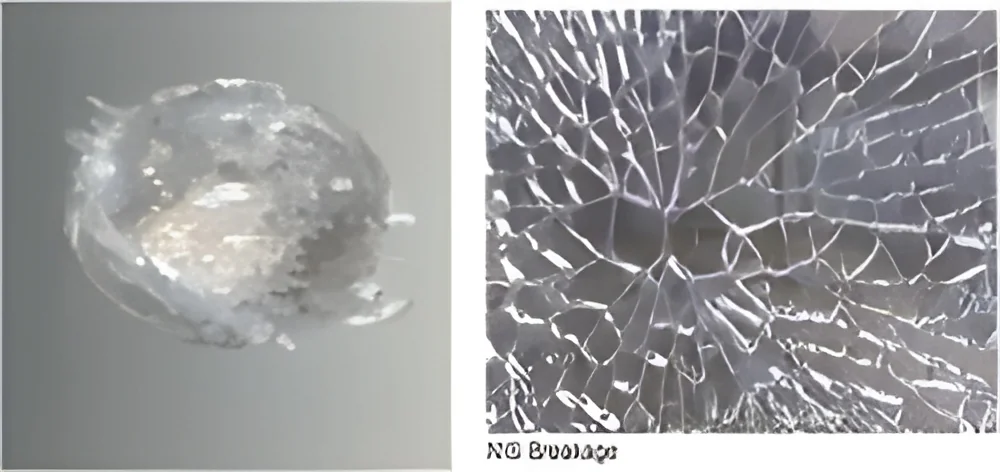
Heat soak tested tempered glass represents the pinnacle of safety-enhanced glass technology, undergoing an intensive thermal testing protocol that ensures maximum reliability. The glass is heated to 280°C over several hours in a controlled environment, deliberately inducing fractures in panels containing nickel sulfide inclusions—microscopic imperfections that can cause spontaneous glass breakage over time. By eliminating 90-95% of potentially defective panels at the manufacturing stage, only the most durable and fracture-resistant glass is supplied to clients. This proactive quality control methodology is essential for applications where glass failure carries significant consequences, providing architects, builders, and project managers with complete confidence in their material selections.

This specialized glass finds indispensable application across multiple industries where safety, transparency, and structural performance are non-negotiable requirements. In commercial construction...
Heat soak tested tempered glass represents the pinnacle of safety-enhanced glass technology, undergoing an intensive thermal testing protocol that ensures maximum reliability. The glass is heated to 280°C over several hours in a controlled environment, deliberately inducing fractures in panels containing nickel sulfide inclusions—microscopic imperfections that can cause spontaneous glass breakage over time. By eliminating 90-95% of potentially defective panels at the manufacturing stage, only the most durable and fracture-resistant glass is supplied to clients. This proactive quality control methodology is essential for applications where glass failure carries significant consequences, providing architects, builders, and project managers with complete confidence in their material selections.

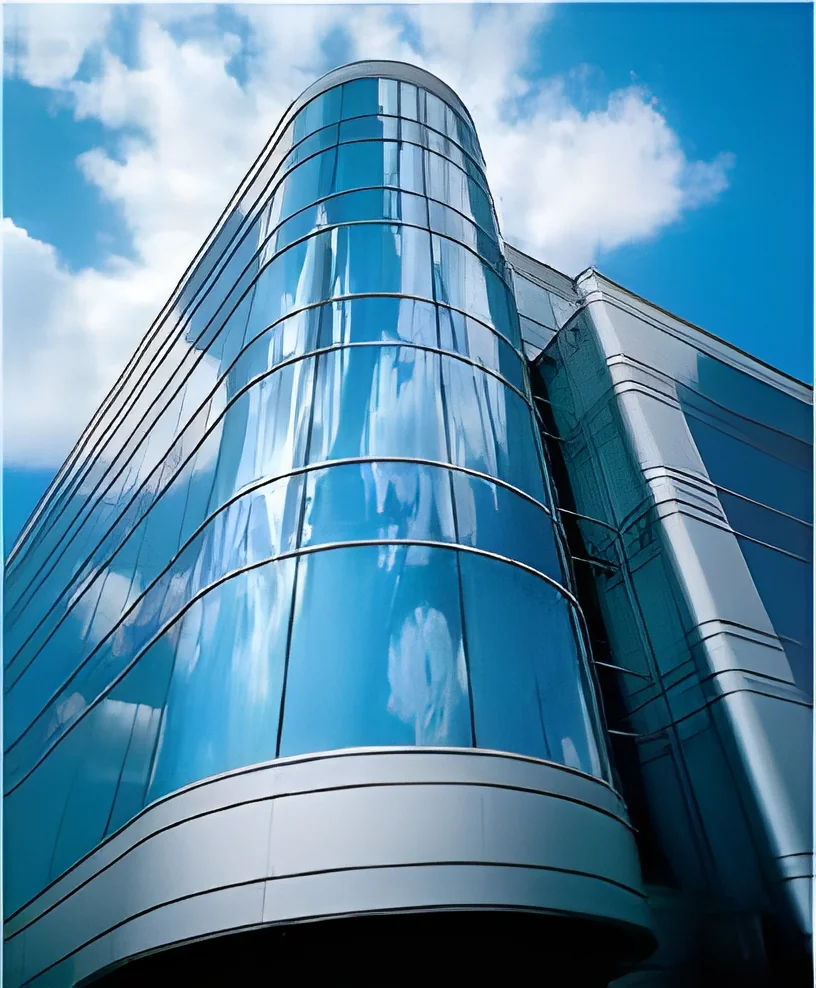
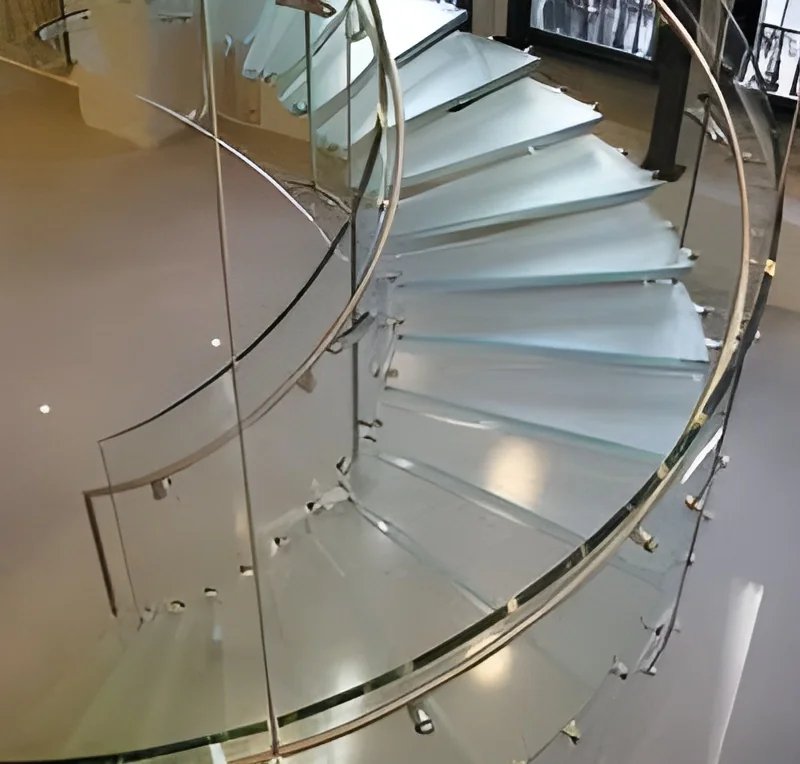
This specialized glass finds indispensable application across multiple industries where safety, transparency, and structural performance are non-negotiable requirements. In commercial construction, it serves as the preferred choice for high-rise building facades, curtain wall systems, and overhead skylights. The automotive industry relies on it for side and rear windows where thermal stress and vibration resistance are critical. Architectural glazing projects in airports, shopping centers, and hotel complexes specify heat soak tested glass for balustrades, interior partitions, and main entrances. Manufacturers and glazing contractors select this glass to meet stringent building codes, minimize liability exposure, and ensure long-term performance in challenging environmental conditions.

The business value of heat soak tested glass lies in its ability to dramatically reduce on-site failures, replacement expenses, and potential safety incidents. Its proven reliability stems from a comprehensive destructive testing methodology that systematically removes weak panels before they enter the supply chain. This results in fewer project callbacks, improved construction timelines, and strengthened client relationships. The glass delivers predictable performance across diverse environmental conditions, making it a sound investment for projects where long-term reliability and safety are primary considerations.

Key Features:
- Thermally tested at 280°C to identify and eliminate nickel sulfide inclusions
- Destructive testing process ensures only fracture-resistant panels are delivered
- Manufactured to precise dimensional and thickness specifications
- Complies with international safety standards for tempered glass
- Produced under strict quality control protocols for consistent performance

Benefits:
- Prevents spontaneous breakage by eliminating nickel sulfide inclusions
- Reduces on-site failures and associated replacement costs
- Enhances safety in construction and automotive applications
- Meets international building code requirements for safety glass
- Provides long-term reliability in demanding environmental conditions
Specifications
| Additional Information | |
|---|---|
| Country of Origin | India |
Application
Heat soak tested glass is engineered for critical safety applications where structural integrity cannot be compromised. This rigorous thermal process identifies and eliminates glass panels containing nickel sulfide inclusions before they reach project sites, preventing spontaneous breakage in demanding environments. This represents an essential quality assurance step for tempered glass used in buildings, vehicles, and public infrastructure projects where safety is paramount.
Industries including commercial construction, automotive manufacturing, and architectural glazing depend on heat soak tested glass for enhanced safety and long-term performance. The testing process destroys 90-95% of defective panels at the manufacturing facility, ensuring only the strongest, most reliable glass reaches customers. This significantly reduces on-site failures, liability exposure, and maintenance expenses for construction firms, glazing specialists, and automotive suppliers.
- High-rise building facades and curtain walls requiring superior weather and impact resistance
- Automotive side and rear windows where thermal stress and vibration resistance are critical
- Skylights and overhead glazing in commercial atriums and public gathering spaces
- Balcony railings and glass partitions in hospitality and residential developments
- Shopping mall entrances and display windows handling continuous human traffic
Trade Details
| Available Stock | In Stock |
| Sample Availability | No |
Payment Terms
| Payment Terms |
|
Company Profile
B L Glass Concepts Pvt Ltd, New Delhi
 New Delhi, India
New Delhi, IndiaManufacturer•Importer / Exporter
Factory Details
Factory SizeBelow 1000 sqm
Annual Production Capacity0
Main Markets
South Asia
Heat Soak Tested Tempered Glass For Construction And Automotive Safety
Heat soak tested tempered glass undergoes 280°C thermal testing to eliminate nickel sulfide inclusions, delivering fracture-resistant safety glass for construction and automotive applications with maximum reliability.
Min. Order Quantity: 1 unit
Shipping
Shipping fee and delivery date to be negotiated. Contact supplier now for more details.
B L Glass Concepts Pvt Ltd
 New Delhi, India
New Delhi, IndiaManufacturer