IN
IN₹
Apparel & Fashion
Description
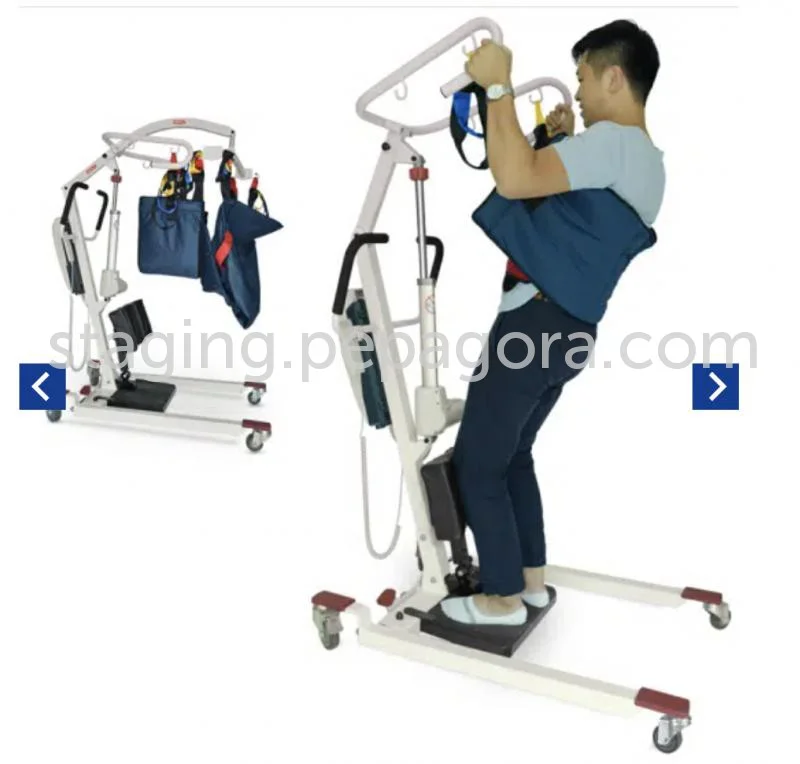
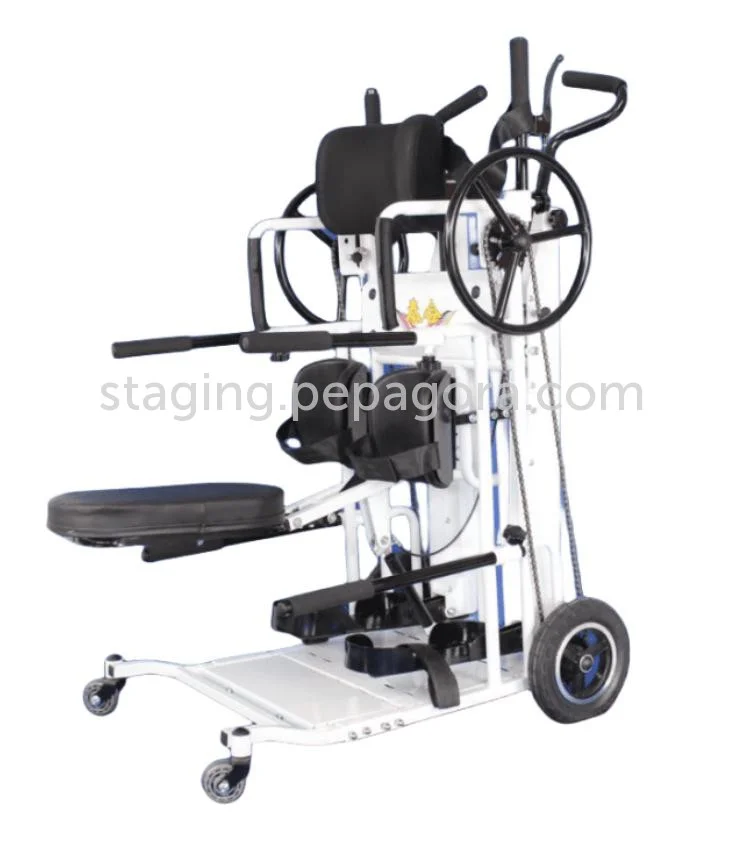
The Rehabilitation Gait Simulator represents a breakthrough in mobility restoration technology, specifically engineered for individuals facing lower extremity weakness, paraplegia, or age-related mobility decline. This sophisticated device enables controlled standing exercises through an innovative mechanism that supports users in upright positions while facilitating coordinated upper and lower body movements. The system's unique design creates natural gait simulation by engaging shoulder and arm movements that trigger corresponding hip, knee, and ankle motions. This approach not only rebuilds muscle memory but also restores neural pathways essential for walking. With integrated hydraulic assistance and double-arm tension mechanisms, patients can safely transition from sitting to standing positions, making rehabilitation accessible even for those with significant mobility limitations.

The equipment serves diverse healthcare sectors including neurological rehabilitation centers, orthop...
The Rehabilitation Gait Simulator represents a breakthrough in mobility restoration technology, specifically engineered for individuals facing lower extremity weakness, paraplegia, or age-related mobility decline. This sophisticated device enables controlled standing exercises through an innovative mechanism that supports users in upright positions while facilitating coordinated upper and lower body movements. The system's unique design creates natural gait simulation by engaging shoulder and arm movements that trigger corresponding hip, knee, and ankle motions. This approach not only rebuilds muscle memory but also restores neural pathways essential for walking. With integrated hydraulic assistance and double-arm tension mechanisms, patients can safely transition from sitting to standing positions, making rehabilitation accessible even for those with significant mobility limitations.

The equipment serves diverse healthcare sectors including neurological rehabilitation centers, orthopedic clinics, geriatric care facilities, spinal injury units, and home healthcare providers. Hospitals utilize these simulators in physical therapy departments for stroke recovery patients needing gait retraining. Orthopedic specialists employ them for post-surgical rehabilitation following hip or knee replacements. Geriatric centers benefit from the equipment's ability to combat age-related muscle atrophy and osteoporosis through controlled weight-bearing exercises. Spinal injury units incorporate these devices into comprehensive paraplegia management programs, while home healthcare providers appreciate the equipment's user-friendly design for continuous therapy outside clinical settings.

Beyond clinical applications, this gait simulator delivers substantial business value through its reliability and durable construction. Healthcare providers benefit from reduced caregiver dependency as patients gain independence in standing and limited mobility exercises. The equipment's home-compatible design ensures therapy continuity, potentially reducing readmission rates and improving long-term patient outcomes. Built with premium materials and precision engineering, these simulators withstand intensive daily use in professional settings while maintaining consistent performance. The robust design allows healthcare facilities to serve diverse patient populations effectively, maximizing therapeutic outcomes and return on investment for medical practices, rehabilitation centers, and home care providers.

Key Features:
- Promotes natural walking patterns through coordinated upper and lower body movements
- Enables safe standing transitions with integrated hydraulic assistance
- Supports patients with lower extremity weakness and paraplegia
- Features double-arm tension mechanisms for controlled motion
- Designed for extended therapy sessions with patient comfort and safety

Benefits:
- Improves circulation and activates multiple muscle groups
- Rebuilds muscle memory and restores essential neural pathways
- Reduces caregiver dependency through patient independence in standing
- Ensures therapy continuity from clinical to home settings
- Withstands intensive daily use with consistent performance and reliability
Specifications
| Additional Information | |
|---|---|
| Country of Origin | India |
Application
This advanced gait simulator transforms rehabilitation for patients with lower limb weakness, spinal cord injuries, or mobility challenges. By supporting natural standing positions and guided movement patterns, it activates multiple muscle groups while ensuring patient safety and comfort during extended therapy sessions. The equipment delivers comprehensive therapeutic benefits across neurological, orthopedic, and geriatric care scenarios. Healthcare facilities value its ability to maintain treatment continuity from clinical settings to home environments, supporting long-term recovery goals without compromising on safety or effectiveness.
Real-world applications:
- Used in spinal cord injury rehabilitation centers for paraplegia patients to maintain muscle tone and circulation
- Deployed in geriatric care facilities to help elderly patients prevent osteoporosis through weight-bearing exercise
- Implemented in neurological clinics for stroke survivors relearning walking patterns and balance
- Utilized in orthopedic recovery programs post-leg surgeries or joint replacements
- Adopted in home healthcare settings for continuous mobility therapy under caregiver supervision
Trade Details
| Available Stock | In Stock |
| Sample Availability | No |
Payment Terms
| Payment Terms |
|
Company Profile


 United Arab Emirates
Health & Personal Care•Manufacturer
Factory Details
Factory SizeBelow 1000 sqm
Annual Production Capacity0
Rehabilitation Gait Simulator For Lower Extremity Weakness And Paraplegia
Premium Rehabilitation Gait Simulator for lower extremity weakness and paraplegia patients promotes natural walking patterns, improves circulation, and enables safe standing transitions for hospitals, rehab centers, and home care.
Min. Order Quantity: 1 piece
Shipping
Shipping fee and delivery date to be negotiated. Contact supplier now for more details.
Gilani Mobility
 , United Arab Emirates
, United Arab EmiratesHealth & Personal CareManufacturer