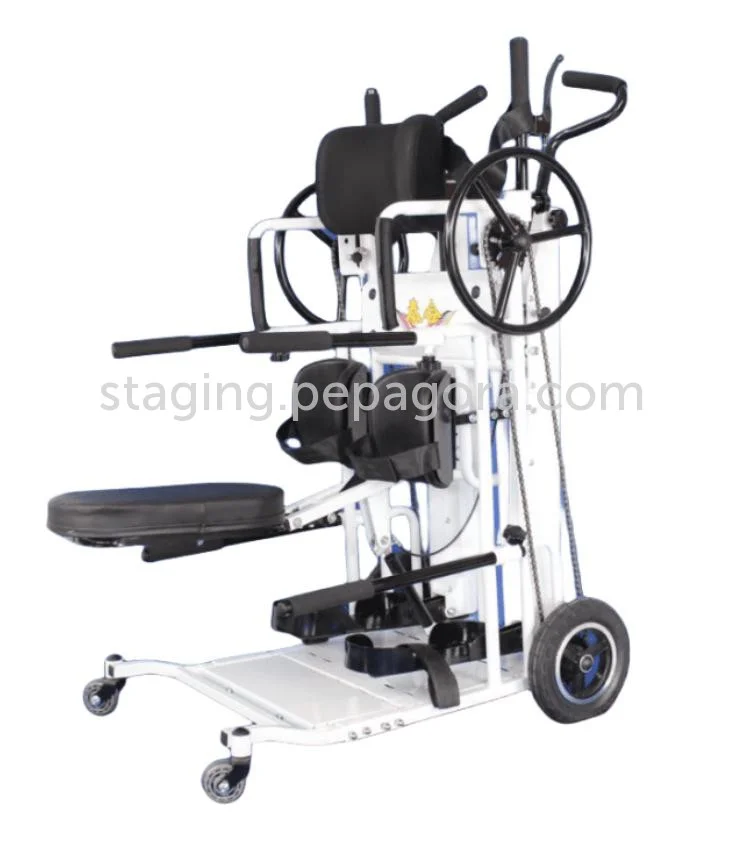
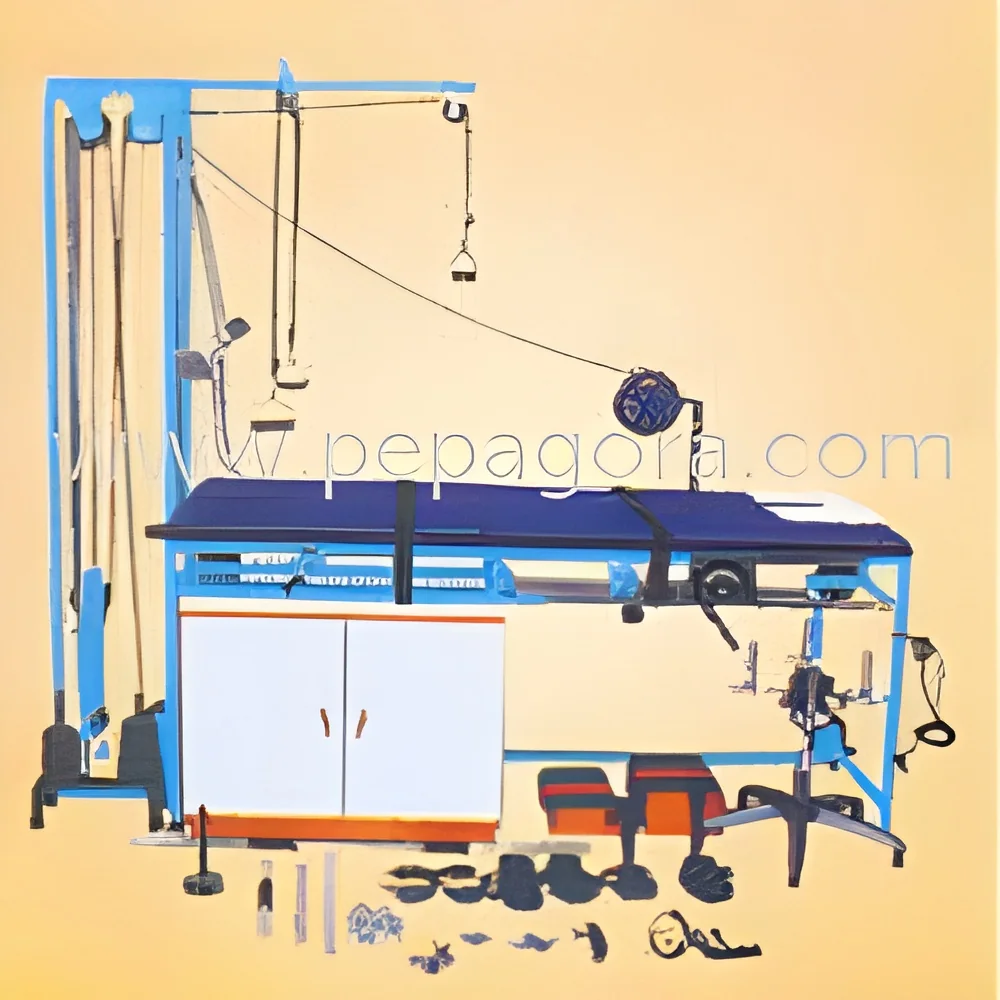
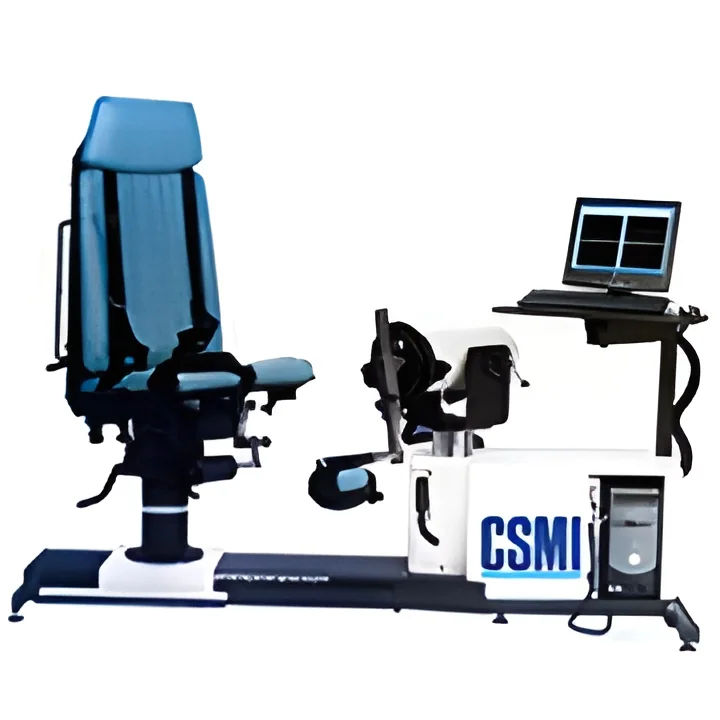
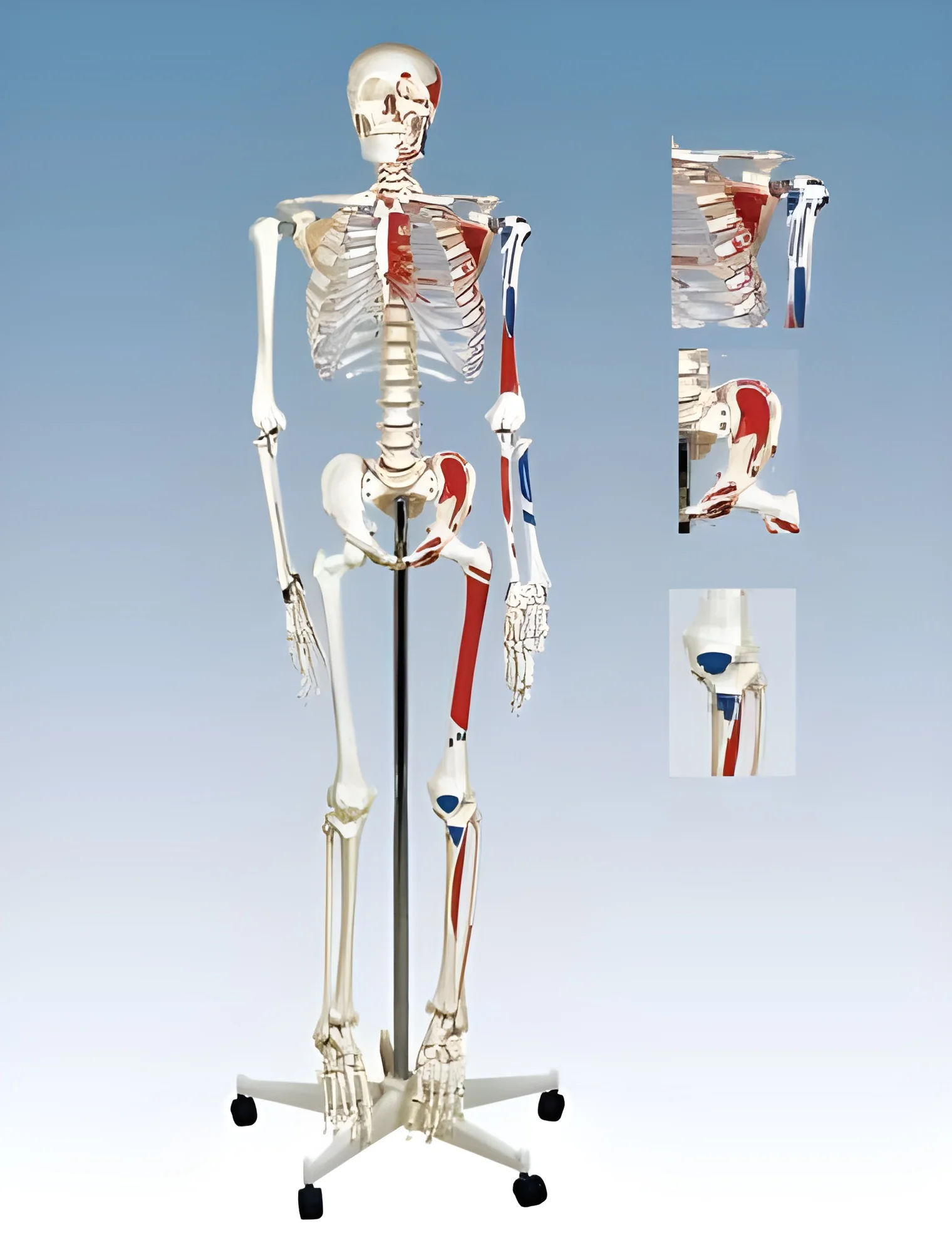
What are Physiotherapy & Rehabilitation Training?
Physiotherapy and rehabilitation training encompass a range of therapeutic techniques and exercises designed to restore movement and function in individuals recovering from injuries or medical conditions. This training aims to improve physical performance, increase mobility, and alleviate pain through specialized programs tailored to meet individual needs. Physiotherapy may incorporate manual therapy, exercise prescription, and the use of modalities such as heat or electrical stimulation.
The primary uses of physiotherapy and rehabilitation training are in medical and wellness settings, including hospitals, outpatient clinics, and rehabilitation centers. Businesses such as sports teams and fitness facilities may also utilize these training programs to enhance athletic performance and prevent injuries. The growing awareness of health and wellness has increased demand for physiotherapy services, leading to significant advancements in training methodologies and technologies within the industry.
With an increasing focus on preventive care and rehabilitation, the physiotherapy market is experiencing robust growth. As populations age and the prevalence of chronic conditions rises, the need for effective rehabilitation strategies is more critical than ever. Businesses in this sector must stay updated with the latest techniques and equipment to remain competitive and provide effective care.
Key Features and Specifications
Physiotherapy and rehabilitation training products come with a variety of features designed to enhance patient care and training effectiveness. These specifications ensure that healthcare professionals can provide high-quality rehabilitation services.
Key specifications include:
1. Treatment Modalities
- Various treatment options such as manual therapy, exercise programs, and electrotherapy
- Adaptability to different patient needs and conditions
2. Equipment Compatibility
- Compatibility with various rehabilitation equipment, including resistance bands, weights, and balance tools
- Integration with technology for enhanced monitoring and feedback
3. Adjustable Programs
- Customizable training programs that adapt to the individual progress of patients
- Options for different intensity levels and rehabilitation goals
4. User-Friendly Interfaces
- Easy-to-navigate software or equipment interfaces for healthcare providers
- Training resources available for effective program implementation
5. Evidence-Based Practices
- Incorporation of research-backed techniques to ensure effectiveness
- Continuous updates based on the latest industry findings
6. Safety Features
- Built-in safety mechanisms to prevent injury during training
- Compliance with relevant safety standards
7. Monitoring Capabilities
- Tools for tracking patient progress and outcomes
- Features for adjusting programs based on performance data
The comprehensive nature of these features ensures that physiotherapy and rehabilitation training products meet the diverse needs of healthcare providers and their patients.
Common Applications and Use Cases
Physiotherapy and rehabilitation training find applications across various industries, each benefiting from tailored programs.
1. Healthcare: Hospitals and clinics utilize physiotherapy programs to assist patients recovering from surgery, injury, or chronic illness, ensuring a structured recovery process.
2. Sports: Athletic organizations implement rehabilitation training to help athletes recover from injuries and enhance performance, focusing on prevention and strength building.
3. Senior Care: Assisted living facilities use physiotherapy to improve mobility and quality of life for seniors, addressing age-related conditions and promoting independence.
4. Occupational Health: Corporations integrate rehabilitation training to support employees recovering from work-related injuries, emphasizing safety and wellness in the workplace.
5. Physical Fitness: Gyms and fitness centers offer rehabilitation training as part of their services, helping clients recover from injuries while promoting overall health.
6. Home Health Care: Home care providers deliver physiotherapy sessions to patients who require assistance in a familiar environment, ensuring comfort and personalized care.
7. Education: Educational institutions incorporate physiotherapy training in sports programs to educate students about injury prevention and recovery techniques.
Product Variants and Subcategories
Physiotherapy and rehabilitation training products come in various forms to suit different needs and applications.
Therapeutic Exercise Equipment
This variant includes items such as resistance bands, stability balls, and balance boards. These tools facilitate strength training, flexibility, and coordination exercises, making them essential for rehabilitation programs.
Digital Rehabilitation Platforms
These platforms offer software solutions for remote physiotherapy. They provide personalized exercise plans, progress tracking, and virtual consultations, enhancing accessibility for patients.
Manual Therapy Tools
This category includes devices such as foam rollers and massage balls. These tools assist healthcare professionals in providing manual therapy techniques to relieve pain and improve mobility.
Benefits and Advantages
Physiotherapy and rehabilitation training offer numerous benefits that enhance patient outcomes and improve overall care quality.
Key benefits include:
1. Improved Recovery Time: Physiotherapy programs can significantly reduce recovery time for patients, allowing them to return to daily activities more quickly.
2. Enhanced Mobility: Tailored rehabilitation exercises help patients regain mobility and strength, improving their overall quality of life.
3. Pain Management: Physiotherapy techniques effectively alleviate pain, reducing reliance on medication and promoting natural healing.
4. Personalized Care: Customized training programs ensure that each patient's unique needs and progress are addressed, leading to better outcomes.
5. Prevention of Future Injuries: Education and training equip patients with the knowledge and skills to prevent re-injury and maintain long-term health.
6. Increased Patient Engagement: Interactive and versatile training methods encourage patients to actively participate in their recovery journey, fostering a sense of ownership over their health.
Buying Guide for B2B Buyers
When sourcing physiotherapy and rehabilitation training, several factors are important to ensure quality and effectiveness.
1. Quality Assessment: Review product specifications and manufacturer credentials to ensure that the training programs meet industry standards and are evidence-based.
2. Supplier Verification: Vet potential suppliers by checking their reputation, customer reviews, and certifications to ensure reliability and quality service.
3. Pricing and MOQ: Understand the price range for different products and the minimum order quantities required, which can vary by supplier.
4. Delivery and Lead Times: Confirm delivery schedules and lead times to ensure that products arrive when needed, allowing for timely implementation of training programs.
5. Compliance Requirements: Ensure that products meet relevant regulatory and safety standards, which may vary by region and industry.
Compliance and Certifications
Compliance and certifications are critical in the physiotherapy and rehabilitation training industry. Products are expected to align with various quality standards, including ISO 9001, which emphasizes quality management systems, and CE certification, indicating compliance with European health, safety, and environmental protection standards.
Safety and testing requirements are paramount to ensure that equipment and training methods do not pose risks to patients. Regular assessments and updates may be required to maintain compliance with these standards, ensuring that rehabilitation practices remain safe and effective.
Additionally, regional compliance considerations must be taken into account, as regulations can differ significantly between countries. Manufacturers must stay informed about local laws to ensure that their products meet all necessary criteria for safe and effective use.
Why Source Physiotherapy & Rehabilitation Training from Pepagora?
Pepagora provides a trusted platform for sourcing physiotherapy and rehabilitation training, offering several key advantages to businesses seeking high-quality solutions.
Verified Supplier Network: Pepagora collaborates with a network of verified suppliers, ensuring that buyers can access reliable and reputable manufacturers. This network enhances confidence in product quality and service.
Streamlined RFQ Process: The platform features an efficient request for quotation (RFQ) system, simplifying the sourcing process for buyers. This allows businesses to obtain competitive pricing and detailed information from multiple suppliers quickly.
Trade Assurance and Support: Pepagora offers trade assurance and buyer protection, which safeguards transactions and provides support throughout the purchasing process. This commitment ensures that buyers can source products with peace of mind.
Regional Coverage: With a strong presence in India, the GCC, and Southeast Asia, Pepagora connects buyers with suppliers across diverse markets. This geographic reach enhances access to a variety of physiotherapy and rehabilitation training solutions tailored to specific regional needs.

 IN
IN