IN
IN₹
Apparel & Fashion
Loading subcategories...
View More
Description
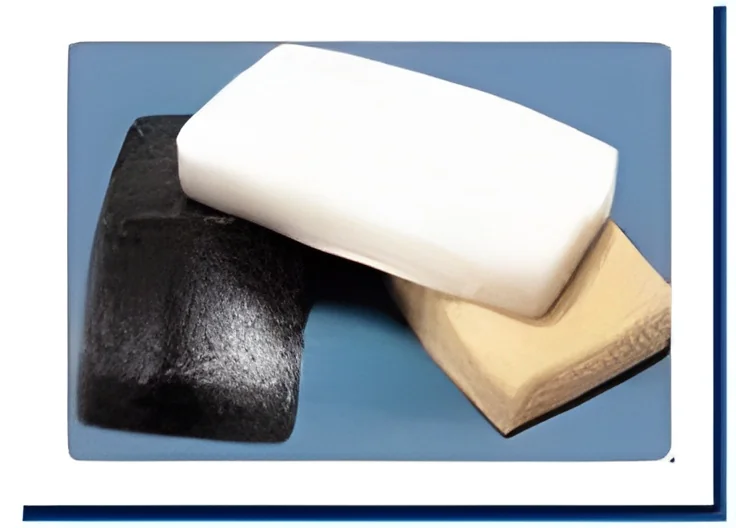
Our synthetic rubber represents advanced polymer technology engineered specifically for demanding industrial environments where material performance is critical. Manufactured through precise polymerization processes using quality monomers including isoprene, butadiene, chloroprene, and isobutylene, these elastomers deliver exceptional elastic deformation capabilities while maintaining structural integrity under repeated stress cycles. Available in multiple formulations including SBR-1502, SBR-1712, PBR-1220, NBR-KNB 35L, silicone, butyl, neoprene, EVA, and EPDM, each variant offers specific characteristics tailored to different operational requirements. The manufacturing process ensures consistent quality batch after batch, providing reliability that businesses can depend on for their critical operations and production needs without unexpected variations that could disrupt manufacturing processes.

Multiple industries rely on synthetic rubber for its superior performance characteristic...
Our synthetic rubber represents advanced polymer technology engineered specifically for demanding industrial environments where material performance is critical. Manufactured through precise polymerization processes using quality monomers including isoprene, butadiene, chloroprene, and isobutylene, these elastomers deliver exceptional elastic deformation capabilities while maintaining structural integrity under repeated stress cycles. Available in multiple formulations including SBR-1502, SBR-1712, PBR-1220, NBR-KNB 35L, silicone, butyl, neoprene, EVA, and EPDM, each variant offers specific characteristics tailored to different operational requirements. The manufacturing process ensures consistent quality batch after batch, providing reliability that businesses can depend on for their critical operations and production needs without unexpected variations that could disrupt manufacturing processes.

Multiple industries rely on synthetic rubber for its superior performance characteristics and tailored properties that address specific operational challenges. The automotive sector utilizes it extensively for tire production, seals, hoses, and vibration dampeners due to its excellent wear resistance and durability under challenging conditions including temperature extremes and chemical exposure. Industrial manufacturing incorporates synthetic rubber in conveyor belts, gaskets, and machinery components where chemical resistance and longevity are essential for continuous operation without frequent maintenance interruptions. Construction companies specify it for expansion joints, waterproofing membranes, and structural bearings that must withstand environmental elements and structural stresses over extended periods. Consumer goods manufacturers choose synthetic rubber for footwear, sports equipment, and protective gear requiring flexibility, tear resistance, and consistent performance that meets consumer expectations for quality and durability.

Businesses achieve significant value through synthetic rubber's extended service life and reduced maintenance requirements, leading to improved operational efficiency and measurable cost savings over time. The material's consistency ensures predictable performance in manufacturing processes, minimizing production delays, quality issues, and operational downtime that can impact profitability. Custom formulation options allow companies to obtain materials precisely suited to their specific operational environments, whether dealing with extreme temperatures, chemical exposure, mechanical stress, or specialized application requirements that standard materials cannot address effectively. The reliability of synthetic rubber translates to fewer equipment failures, lower replacement costs, reduced downtime, and improved operational safety across all applications, contributing directly to business continuity and risk management. Manufacturers benefit from the material's adaptability to various processing methods including molding, extrusion, and calendering, providing flexibility in production techniques and manufacturing workflows while maintaining quality standards.

Key Features:
- Superior durability and elasticity for demanding industrial applications
- Excellent chemical resistance against oils, solvents, and harsh substances
- Custom formulations available including SBR, PBR, NBR, silicone, and EPDM variants
- Consistent batch-to-batch quality ensuring reliable performance
- High temperature resistance maintaining integrity in extreme conditions

Benefits:
- Extended service life reducing replacement frequency and maintenance costs
- Predictable performance minimizing production delays and quality issues
- Tailored formulations addressing specific operational requirements
- Reduced equipment failures and operational downtime
- Adaptability to various processing methods providing manufacturing flexibility
Specifications
| Additional Information | |
|---|---|
| Country of Origin | India |
| Customisable | No |
Application
Synthetic rubber delivers exceptional performance where natural rubber falls short, offering superior resistance to extreme temperatures, oils, chemicals, and abrasion. This engineered elastomer maintains consistent quality across production batches, ensuring reliability in critical applications where material failure would cause significant operational disruption. Manufacturers value the customizable formulations that precisely match specific operational requirements across diverse industrial environments.
This versatile material serves automotive, industrial, construction, consumer goods, and specialized equipment sectors with tailored performance characteristics. Its adaptability allows for precise engineering to different operational conditions, providing longevity and cost-effectiveness in high-wear applications. Businesses choose synthetic rubber for its proven track record in demanding environments where durability and reliability directly impact operational efficiency and safety standards.
- Automotive tire manufacturing for enhanced road grip and extended wear resistance
- Industrial hoses and seals providing superior chemical and oil resistance
- Construction joint fillers and expansion materials for weather durability
- Consumer footwear soles and sports equipment ensuring flexibility and longevity
- Electrical insulation components offering safety and temperature resistance
Trade Details
| Available Stock | In Stock |
| Sample Availability | No |
Payment Terms
| Payment Terms |
|
Company Profile
Charmi Enterprises, Maharashtra
 Maharashtra, India
Maharashtra, IndiaTrading Company•Distributor / Wholesaler
Factory Details
Factory SizeBelow 1000 sqm
Annual Production Capacity0
Premium Synthetic Rubber Supplier For Industrial Applications
Premium synthetic rubber supplier providing custom formulations with superior durability, elasticity, and chemical resistance for demanding industrial applications across automotive, construction, and manufacturing sectors.
Min. Order Quantity: 1 unit
Shipping
Shipping fee and delivery date to be negotiated. Contact supplier now for more details.
Charmi Enterprises
 Maharashtra, India
Maharashtra, IndiaTrading Company