IN
IN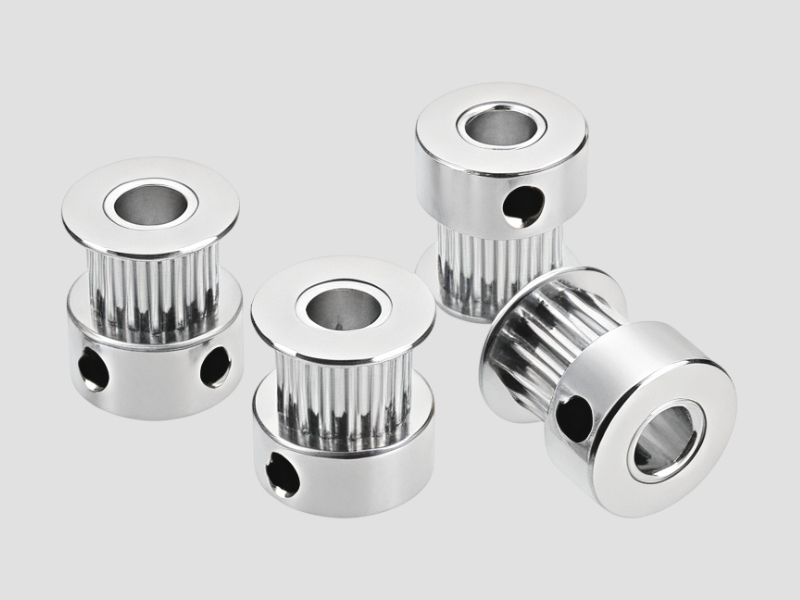
Description
Unlike standard V-belt pulleys that rely on friction and are prone to "creep" or slippage, synchronous pulleys are a mechanical necessity for systems where the relative positions of the driving and driven shafts must remain perfectly constant.
Specifications
| Key Attributes | |
|---|---|
| Pitch Profiles | HTD (3M, 5M, 8M), GT2, T5, T10, XL, L |
| Tooth Count | 10T to 120T (Standard & Custom) |
| Pitch Accuracy | ±0.01 mm |
| Standard Compliance | ISO 5294 / ANSI / DIN 7721 |
| Bore Tolerance | H7 (Precision Slip Fit) |
| Additional Information | |
|---|---|
| SKU | 1 |
| Country of Origin | India |
Application
Trade Details
| Production Lead Time | 8-14 Days |
| Available Stock | In Stock |
| Sample Availability | No |
Payment Terms
| Payment Methods |
|
Shipping & Logistics
| Shipping Internationally | No | |
| Methods |
| |
| IncoTerms |
| |
| Dispatch Lead time | Ships in 7 Days |
Company Profile


 Tamil Nadu, India
₹25 Lakhs – ₹1 Crore
Factory Details
Main Markets
Frequently Asked Questions
What is the difference between a "Timing Pulley" and a standard "V-Pulley"?
A V-pulley relies on friction; if the load is too high, the belt will slip. A Timing Pulley has teeth that lock into the belt. This makes it a mechanical necessity for any machine that requires "indexing" or "positional accuracy," as the belt cannot slip even under high torque.
Why do some pulleys have "Flanges" and others do not?
Because timing belts are flat, they have a natural tendency to drift sideways (track) due to slight shaft misalignments. Flanges act as side-walls to keep the belt centered on the pulley. Typically, at least one pulley in a two-shaft system should be double-flanged.
What is "Backlash" in a timing drive?
Backlash is the tiny amount of "play" between the belt tooth and the pulley groove. In precision robotics or 3D printing, we use GT2 or specialized profiles and "Zero-Backlash" pulleys to ensure that when the motor reverses direction, the movement is instantaneous.
Can I use a Metric belt on an Imperial (Inch) pitch pulley?
No. Even if they look similar, the tooth shape and the distance between teeth (pitch) are different. Using the wrong belt-pulley combination will cause the belt to "climb" out of the grooves, leading to rapid belt wear and system failure.
Is Aluminum strong enough for industrial timing pulleys?
For most applications, Hard-Anodized Aluminum is excellent because it is lightweight (reducing motor load) and resistant to corrosion. However, for ultra-high-torque or abrasive environments (like rock crushing or heavy milling), Steel or Cast Iron is the preferred choice.
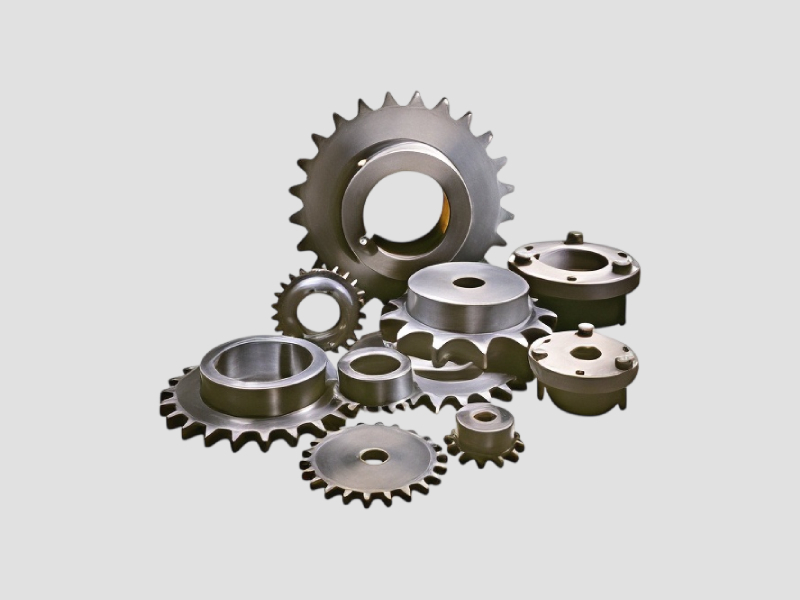
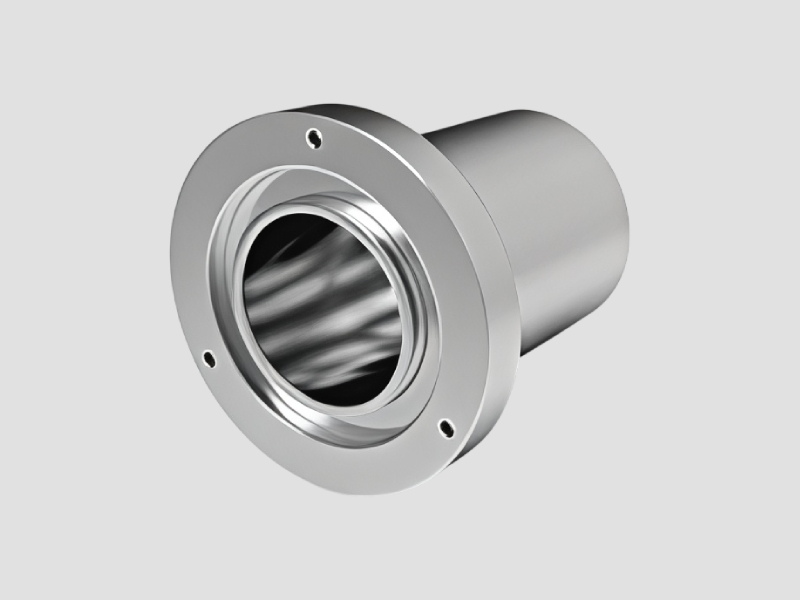
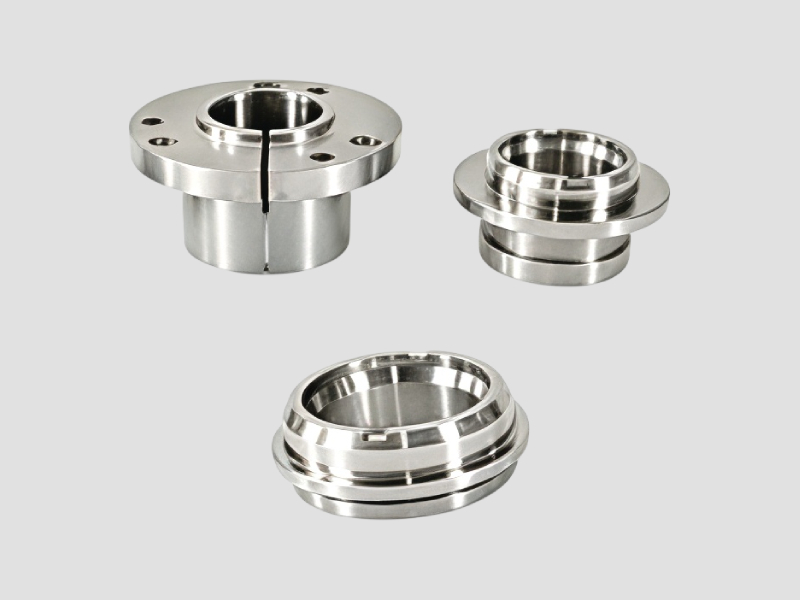
Synchronous belt drive pulley for precise timing.
Synchronous Belt Drive Pulleys are precision-toothed wheels designed to mate with a matching toothed (timing) belt.
Shipping
Shipping fee and delivery date to be negotiated. Contact supplier now for more details.

 Tamil Nadu, India