IN
₹
Apparel & Fashion
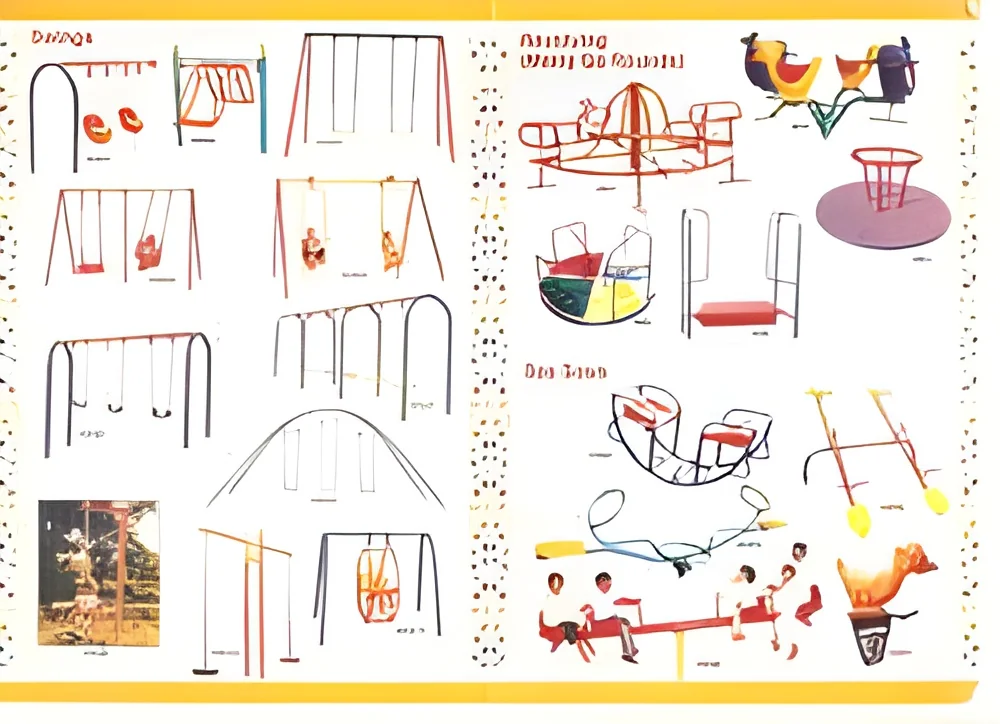
Description
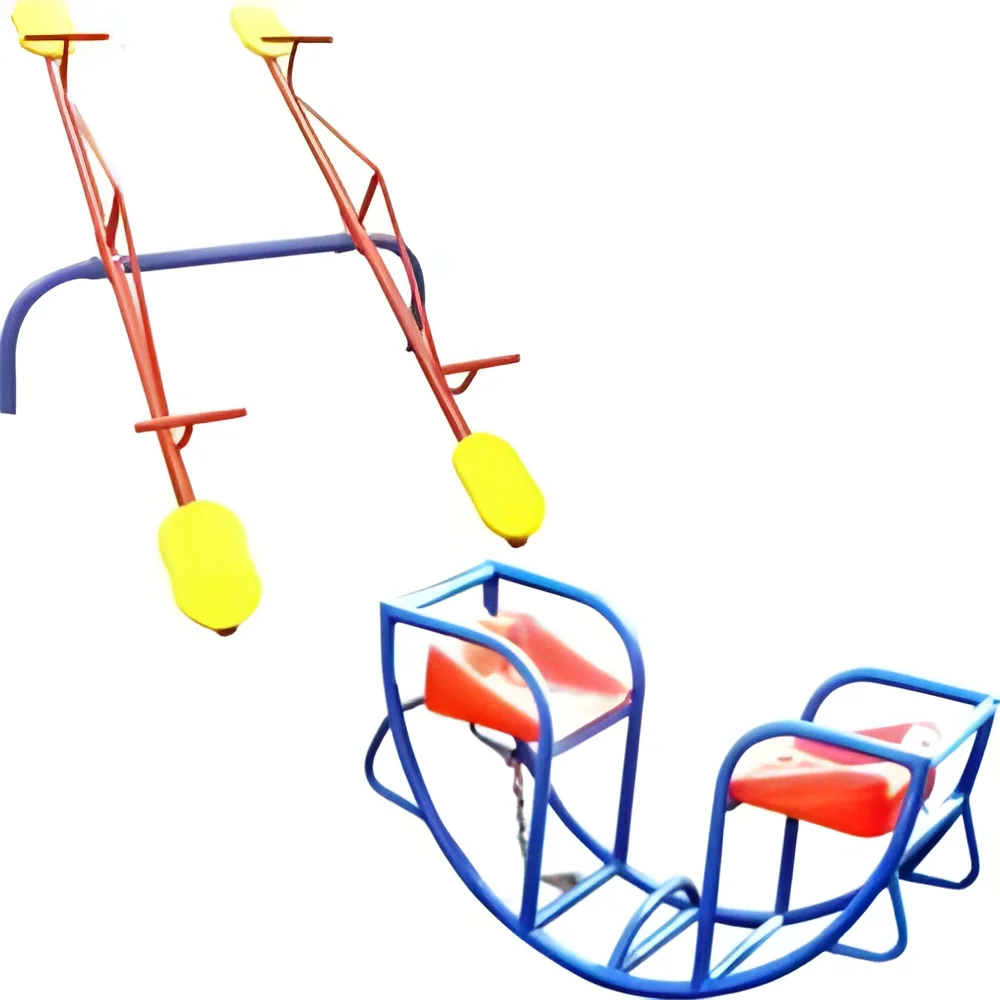
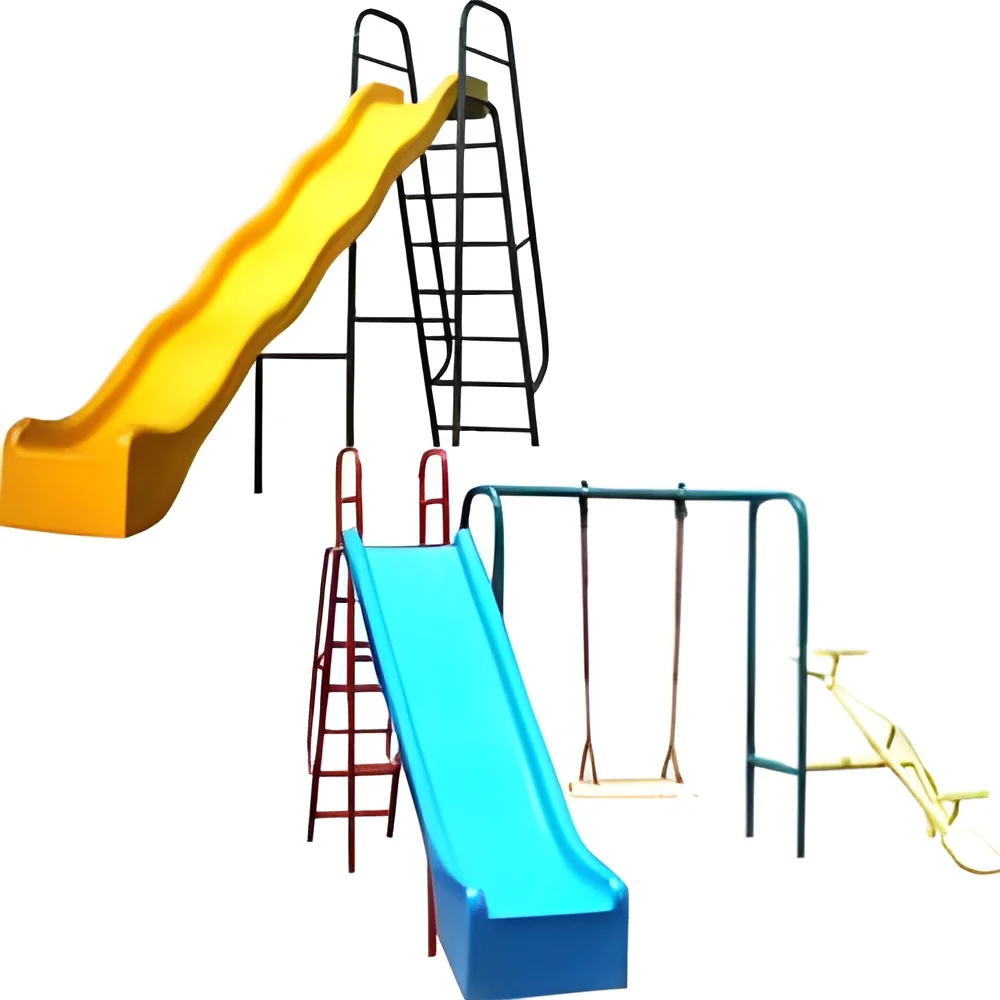
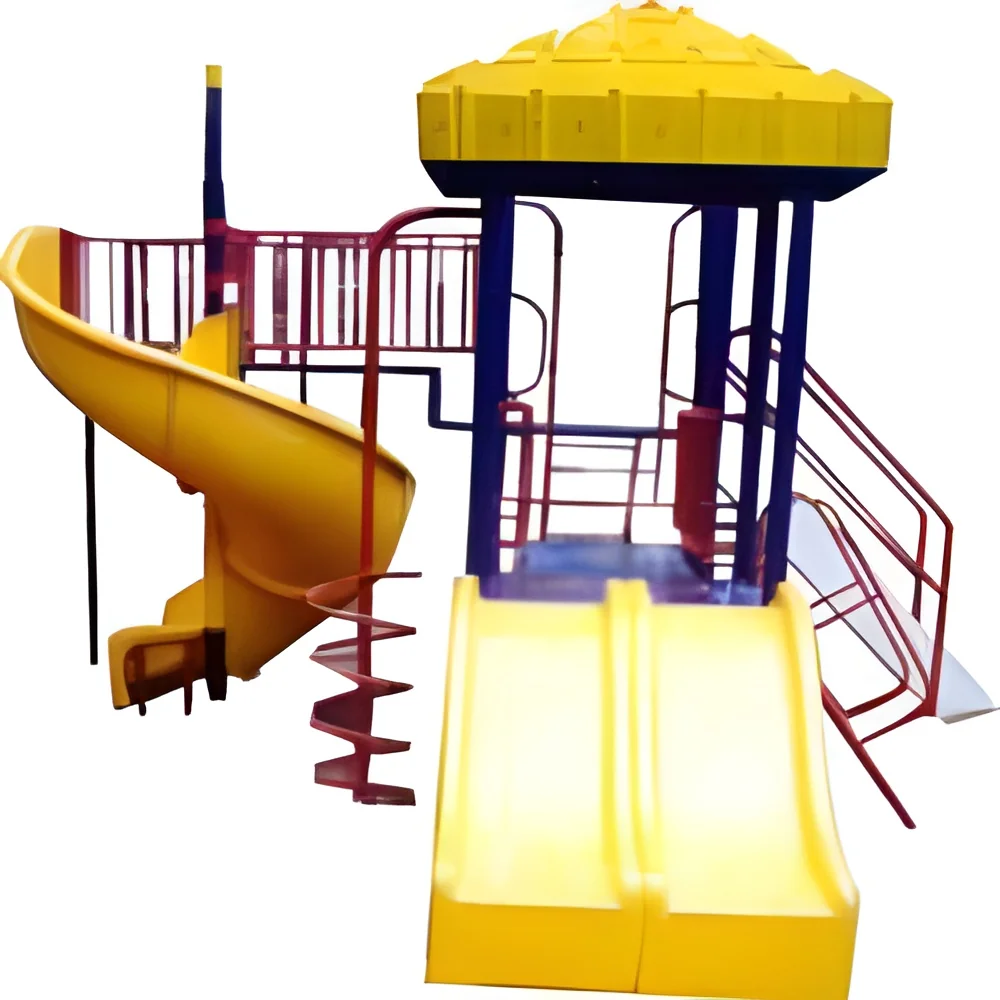
Industrial swings and revolvings are critical, precision-engineered components designed to introduce controlled directional changes within material handling systems. They enable the smooth, reliable transfer of goods between conveyor lines, workstations, and processing areas. Manufactured from high-grade materials and subjected to rigorous quality control, these units are built to withstand the stresses of continuous operation, including heavy loads and variable speeds. Their robust construction ensures consistent performance, reducing the risk of jams or misalignment that can disrupt entire production or logistics workflows. By facilitating efficient material flow, they are a foundational element for optimizing throughput and maintaining system integrity in automated environments.

These versatile components find essential application across a broad spectrum of industries where material movement is central to operations. In manufacturing and automotive plants, they are integral to ass...
Industrial swings and revolvings are critical, precision-engineered components designed to introduce controlled directional changes within material handling systems. They enable the smooth, reliable transfer of goods between conveyor lines, workstations, and processing areas. Manufactured from high-grade materials and subjected to rigorous quality control, these units are built to withstand the stresses of continuous operation, including heavy loads and variable speeds. Their robust construction ensures consistent performance, reducing the risk of jams or misalignment that can disrupt entire production or logistics workflows. By facilitating efficient material flow, they are a foundational element for optimizing throughput and maintaining system integrity in automated environments.

These versatile components find essential application across a broad spectrum of industries where material movement is central to operations. In manufacturing and automotive plants, they are integral to assembly lines, allowing for the seamless transfer of components between different production stages. Logistics, warehousing, and large-scale distribution centers deploy them within complex sortation and conveyor systems to route packages efficiently. The packaging industry utilizes them to guide products through labeling, sealing, and boxing stations. Furthermore, they are key in bulk handling sectors like mining or agriculture for managing heavy materials. Their ability to be tailored to specific spatial and load requirements makes them adaptable to nearly any industrial layout that requires reliable directional control and transfer.

Investing in high-quality industrial swings and revolvings delivers significant long-term business value through enhanced operational reliability and reduced total cost of ownership. Their durable construction minimizes maintenance needs and extends service life, directly lowering operational expenses and downtime. The precision engineering behind each unit ensures smooth, predictable performance that protects both the product being handled and the broader handling system from wear and damage. This reliability translates into consistent productivity, helping you meet delivery schedules and maintain output quality. Choosing a trusted manufacturer means you gain components that integrate seamlessly, perform under pressure, and contribute directly to a more efficient, safe, and profitable material handling operation.

Key Features:
- Heavy-duty construction using high-grade materials for exceptional durability and long service life.
- Precision-engineered mechanisms ensure smooth, reliable rotation and pivoting under load.
- Designed to withstand continuous operation in demanding industrial environments.
- Robust safety features integrated to protect both operators and the material handling system.
- Standardized interfaces and mounting options for straightforward integration into existing setups.

Benefits:
- Enhances overall system efficiency by enabling smooth, controlled directional changes in material flow.
- Reduces operational downtime and maintenance costs through reliable, durable performance.
- Improves workplace safety by providing secure, predictable transfer points for goods.
- Protects product integrity by minimizing jostling, impacts, and misalignment during transfers.
- Offers a strong return on investment by supporting higher throughput and consistent operational output.
Specifications
| Additional Information | |
|---|---|
| Country of Origin | India |
Application
Industrial swings and revolvings are engineered to manage the directional flow of materials within automated handling systems. They provide controlled pivoting and rotation, essential for transferring items between conveyor lines, assembly stations, and processing zones. This precise movement minimizes product damage and optimizes the path of materials through your facility, enhancing throughput and operational consistency in demanding environments.
These robust components are built to perform reliably under continuous use with significant loads. Their design integrates seamlessly into existing conveyor networks, sorting systems, and automated storage solutions. Industries that depend on efficient, uninterrupted material flow—such as manufacturing, distribution, e-commerce fulfillment, and automotive production—utilize these units to maintain high productivity, adapt to layout constraints, and ensure the safe handling of diverse products from raw materials to finished goods.
- Integrating directional change points in warehouse conveyor systems for efficient package routing.
- Facilitating part transfer and positioning on automotive and electronics assembly lines.
- Enabling sortation in distribution and e-commerce fulfillment centers for accurate order processing.
- Managing material flow at loading docks and transfer stations in manufacturing plants.
- Supporting automated storage and retrieval systems (AS/RS) for precise pallet and tote handling.
Trade Details
| Available Stock | In Stock |
| Sample Availability | No |
Payment Terms
| Payment Terms |
|
Company Profile
Abbys Manufacturers, Maharashtra
 Maharashtra, India
Tools & Hardware•Manufacturer•Distributor / Wholesaler
Factory Details
Factory SizeBelow 1000 sqm
Annual Production Capacity0
Industrial Swings And Revolvings For Material Handling Systems
Industrial swings and revolvings for material handling systems deliver reliable directional control and smooth transfer of goods in warehouses, factories, and logistics operations. Engineered for heavy-duty performance and safety.
Min. Order Quantity: 1 unit
Shipping
Shipping fee and delivery date to be negotiated. Contact supplier now for more details.
Abbys Manufacturers
 Maharashtra, India
Tools & HardwareManufacturer