IN
INundefined
Apparel & Fashion
Loading subcategories...
View More
Description
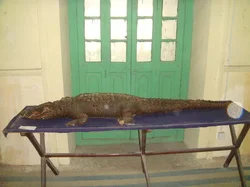
This professionally conserved crocodile specimen originates from the State Museum in Bharatpur, Rajasthan, representing a genuine piece of natural history preserved through meticul...
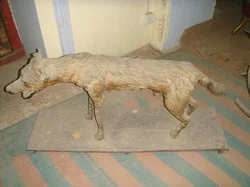
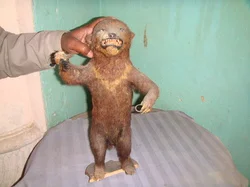
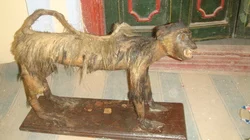
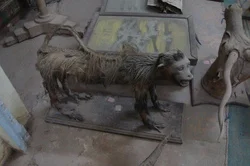
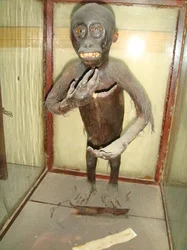
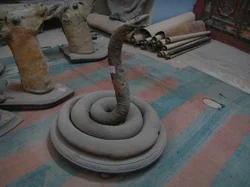
This professionally conserved crocodile specimen originates from the State Museum in Bharatpur, Rajasthan, representing a genuine piece of natural history preserved through meticulous restoration processes. Our conservation experts have addressed multiple preservation challenges including structural repairs to broken fingers and joints, comprehensive cleaning of accumulated contaminants, treatment for dry and flaking skin, and expert repair of tears and damage. This thorough restoration ensures the specimen maintains structural integrity and visual appeal, transforming it into an exhibition-ready display piece with documented provenance from a reputable institution. The conservation process follows professional standards that prioritize long-term preservation while maintaining the specimen's authentic characteristics.

This conserved specimen serves diverse industries that require authentic natural history displays and premium decorative elements. Educational institutions including museums, universities, and science centers utilize it as central exhibition pieces and teaching aids that demonstrate crocodile anatomy and biology. The hospitality industry incorporates these specimens as distinctive decor elements in luxury hotels, resorts, and premium restaurants where they create memorable atmospheres and conversation pieces. Entertainment productions value them for realistic props in film, television, and theatrical settings, while interior designers and collectors appreciate their unique aesthetic appeal for specialized commercial and residential projects seeking natural history elements with proven authenticity.

The business value of this conserved crocodile specimen lies in its authenticity, reliability, and professional preservation standards. Unlike mass-produced replicas, this genuine specimen offers unparalleled educational value and decorative impact that cannot be replicated with artificial alternatives. The comprehensive conservation process ensures long-term durability and structural stability, reducing maintenance requirements and preserving investment value over time. The documented provenance from a reputable state museum adds credibility and historical significance, providing assurance of quality and authenticity for discerning clients. This combination of factors makes it a valuable addition to educational collections, commercial displays, and specialized exhibitions where quality and authenticity are paramount considerations.

Key Features:
- Sourced from State Museum in Bharatpur, Rajasthan with documented provenance
- Comprehensive structural restoration of broken fingers and joints
- Professional cleaning process removing dust, dirt, and contaminants
- Expert treatment for dry skin and flaking ensuring preservation
- Meticulous repair of all tears and damage for seamless appearance

Benefits:
- Authentic educational specimen with genuine biological characteristics
- Long-term durability through professional conservation methods
- Reduced maintenance requirements due to thorough preservation
- Enhanced display value with documented museum provenance
- Structural integrity ensuring safe exhibition and handling
Specifications
| Additional Information | |
|---|---|
| Country of Origin | India |
| Customisable | No |
Application
This expertly conserved crocodile specimen serves as an authentic educational tool for natural history exhibits and scientific study. Museums, universities, and research facilities utilize it to provide tangible connections to wildlife biology and conservation education, enhancing learning experiences with genuine preserved specimens that demonstrate anatomical features and ecological significance.

Beyond educational settings, this specimen functions as distinctive decor for premium commercial spaces and creative productions. Luxury hospitality venues incorporate it as statement pieces that create memorable atmospheres, while entertainment industries value it for realistic props in film and television. Interior designers and collectors appreciate its unique aesthetic appeal and historical significance for specialized display projects.
- Central exhibition specimen for natural history museums and science centers
- Educational teaching aid for universities, schools, and research institutions
- Thematic decor element for luxury hotels, resorts, and premium restaurants
- Authentic prop for film, television, and theatrical productions
- Collector's display piece for specialized interior design projects
Trade Details
| Available Stock | In stock |
| Sample Availability | No |
Payment Terms
| Payment Terms |
|
Company Profile
Art Conservation & Restoration House, Rajasthan
 Rajasthan, India
Rajasthan, IndiaHome & Lifestyle
Factory Details
Factory SizeBelow 1000 sqm
Annual Production Capacity0
Main Markets
Domestic
Museum Crocodile Specimen From Bharatpur For Educational Display
Professionally conserved museum crocodile specimen from Bharatpur, Rajasthan, restored for educational displays and premium decor. Authentic taxidermy piece with documented provenance for reliable exhibition quality.
Min. Order Quantity: 1 units
Shipping
Shipping fee and delivery date to be negotiated. Contact supplier now for more details.
Art Conservation & Restoration House Rajasthan, India
Rajasthan, IndiaHome & Lifestyle