IN
IN₹
Apparel & Fashion
Description
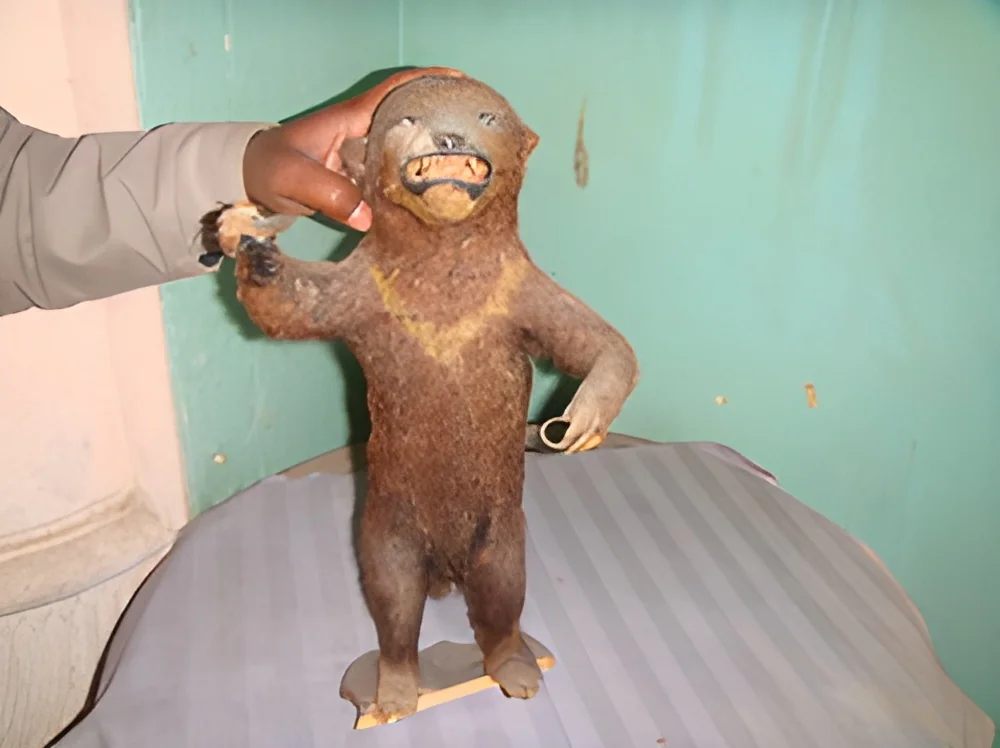
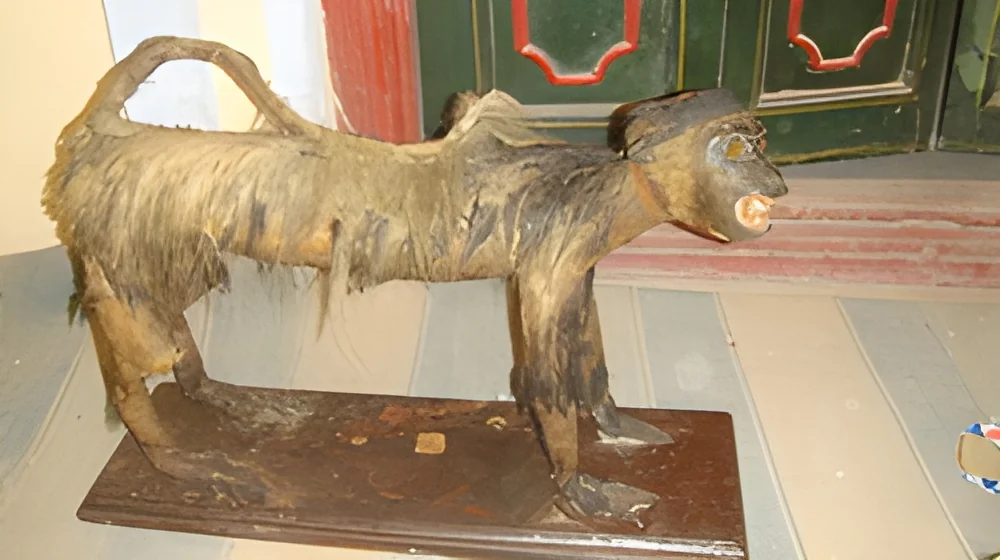
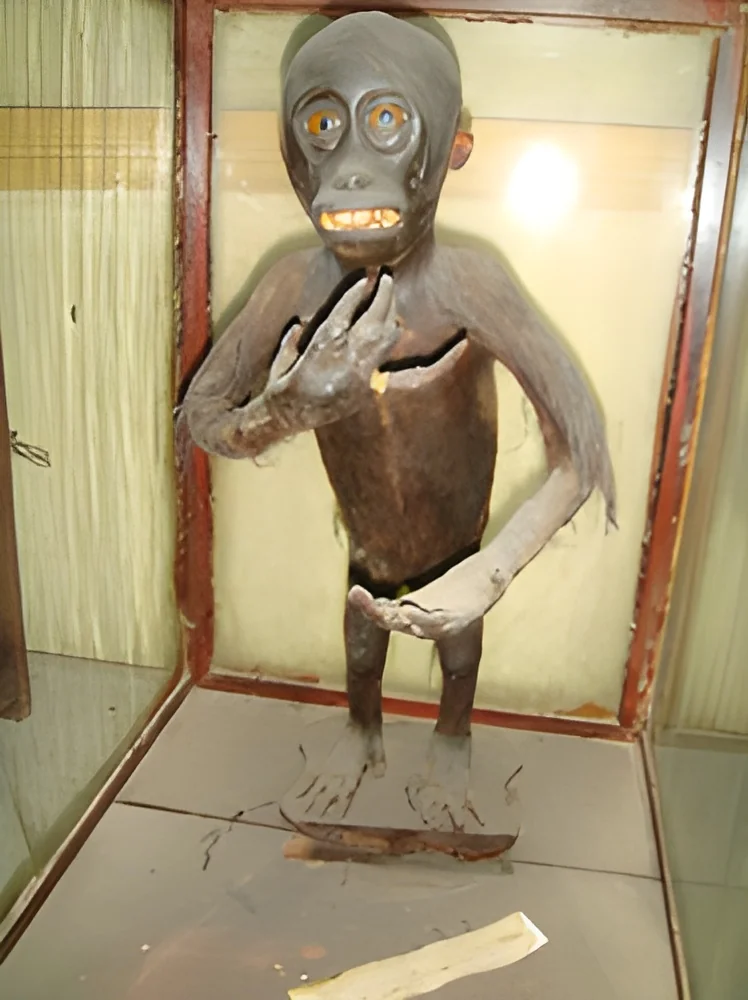
This expertly conserved Van Manush cub specimen represents exceptional museum-grade taxidermy restoration using advanced conservation techniques. Our professional team addresses multiple preservation challenges including broken fingers, flaking skin, loose joints, and feather loss while maintaining the specimen's historical authenticity and educational significance. Using materials and methods approved by international conservation standards, we ensure each restored piece retains its original character while achieving structural stability for display, research, and long-term preservation needs across various institutional settings.

This conservation service serves museums, educational institutions, private collectors, and cultural organizations requiring professional taxidermy preservation. Natural history museums utilize our expertise for maintaining exhibition specimens and storage collections with careful attention to historical accuracy. Educational institutions rely on our work f...
This expertly conserved Van Manush cub specimen represents exceptional museum-grade taxidermy restoration using advanced conservation techniques. Our professional team addresses multiple preservation challenges including broken fingers, flaking skin, loose joints, and feather loss while maintaining the specimen's historical authenticity and educational significance. Using materials and methods approved by international conservation standards, we ensure each restored piece retains its original character while achieving structural stability for display, research, and long-term preservation needs across various institutional settings.

This conservation service serves museums, educational institutions, private collectors, and cultural organizations requiring professional taxidermy preservation. Natural history museums utilize our expertise for maintaining exhibition specimens and storage collections with careful attention to historical accuracy. Educational institutions rely on our work for classroom displays and research materials that withstand frequent handling. Private collectors trust our restoration for valuable personal collections, while cultural heritage organizations depend on our services for preserving historically significant specimens for future study and public appreciation.

Our conservation process delivers exceptional value through reliable, museum-standard preservation that extends specimen lifespan and maintains historical significance. We provide tailored approaches for each project, ensuring appropriate treatment methods based on specimen age, condition, and intended use. The reliability of our work ensures restored specimens can withstand handling, display, and environmental factors while preserving their educational and monetary value for decades, making them suitable for research, exhibition, and archival purposes across multiple generations.

Key Features:
- Museum-grade conservation techniques and materials
- Structural joint reinforcement and broken part repair
- Professional surface cleaning and dirt removal
- Skin flaking treatment and stabilization process
- Feather and hair loss restoration methodology

Benefits:
- Extended specimen lifespan through professional preservation
- Maintained historical authenticity and educational value
- Structural stability for handling and display purposes
- Protection against environmental damage and deterioration
- Enhanced visual appeal while preserving original characteristics
Specifications
| Additional Information | |
|---|---|
| Country of Origin | India |
Application
Our specialized taxidermy conservation services deliver meticulous restoration for valuable Van Manush cub specimens from museums, private collections, and educational institutions. We address structural damage, surface deterioration, and material loss using advanced techniques that preserve historical accuracy and anatomical integrity for long-term display and study purposes, ensuring each specimen maintains its educational and historical significance.
This professional conservation service is essential for institutions and collectors maintaining aging or damaged taxidermy collections. We deliver museum-standard repairs including joint reinforcement, skin stabilization, feather restoration, and surface cleaning with careful attention to preserving original characteristics and educational value. Our methods ensure specimens remain stable for handling, research, and exhibition while protecting their historical authenticity for future generations.
- Museum natural history collection maintenance and specimen restoration
- Historical artifact conservation for cultural heritage preservation
- Educational display maintenance for schools and universities
- Private collector taxidermy restoration and value preservation
- Exhibition preparation for natural history museums and galleries
Trade Details
| Available Stock | In Stock |
| Sample Availability | No |
Payment Terms
| Payment Terms |
|
Company Profile
Art Conservation & Restoration House, Rajasthan
 Rajasthan, India
Rajasthan, IndiaHome & Lifestyle
Factory Details
Factory SizeBelow 1000 sqm
Annual Production Capacity0
Main Markets
Domestic
Museum Grade Taxidermy Conservation For Van Manush Cub Specimens
Professional museum-grade taxidermy conservation for Van Manush cub specimens. Expert restoration of broken parts, flaking skin, loose joints, and feather loss using advanced preservation techniques trusted by collectors and institutions.
Min. Order Quantity: 1 unit
Shipping
Shipping fee and delivery date to be negotiated. Contact supplier now for more details.
Art Conservation & Restoration House
 Rajasthan, India
Rajasthan, IndiaHome & Lifestyle