IN
IN₹
Apparel & Fashion
Loading subcategories...
View More
Description
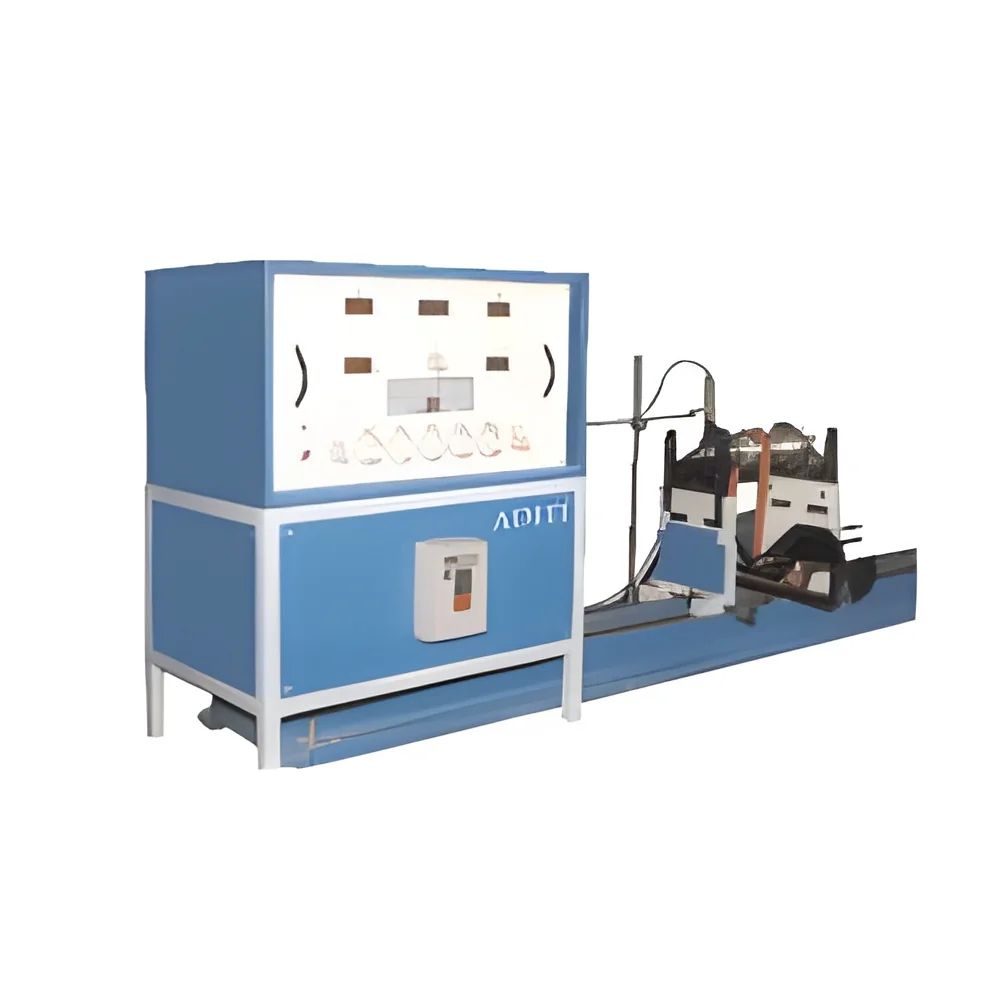
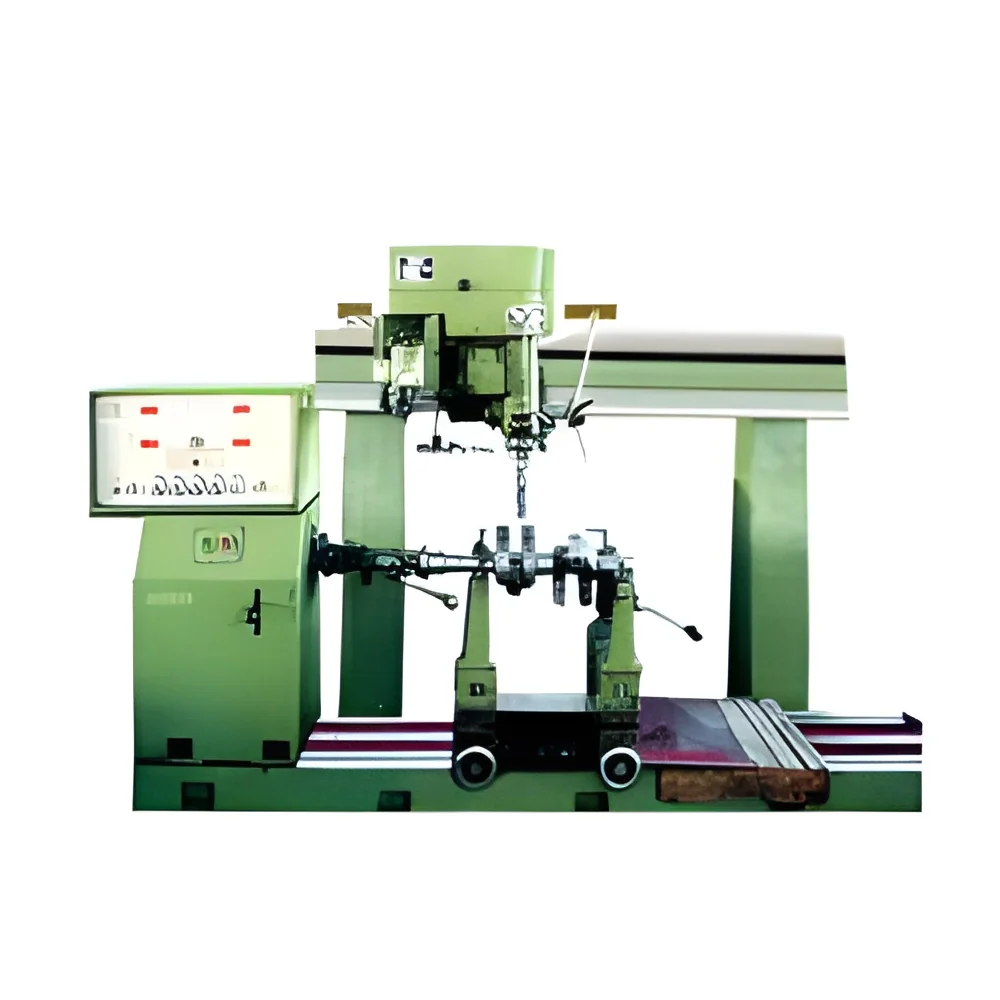
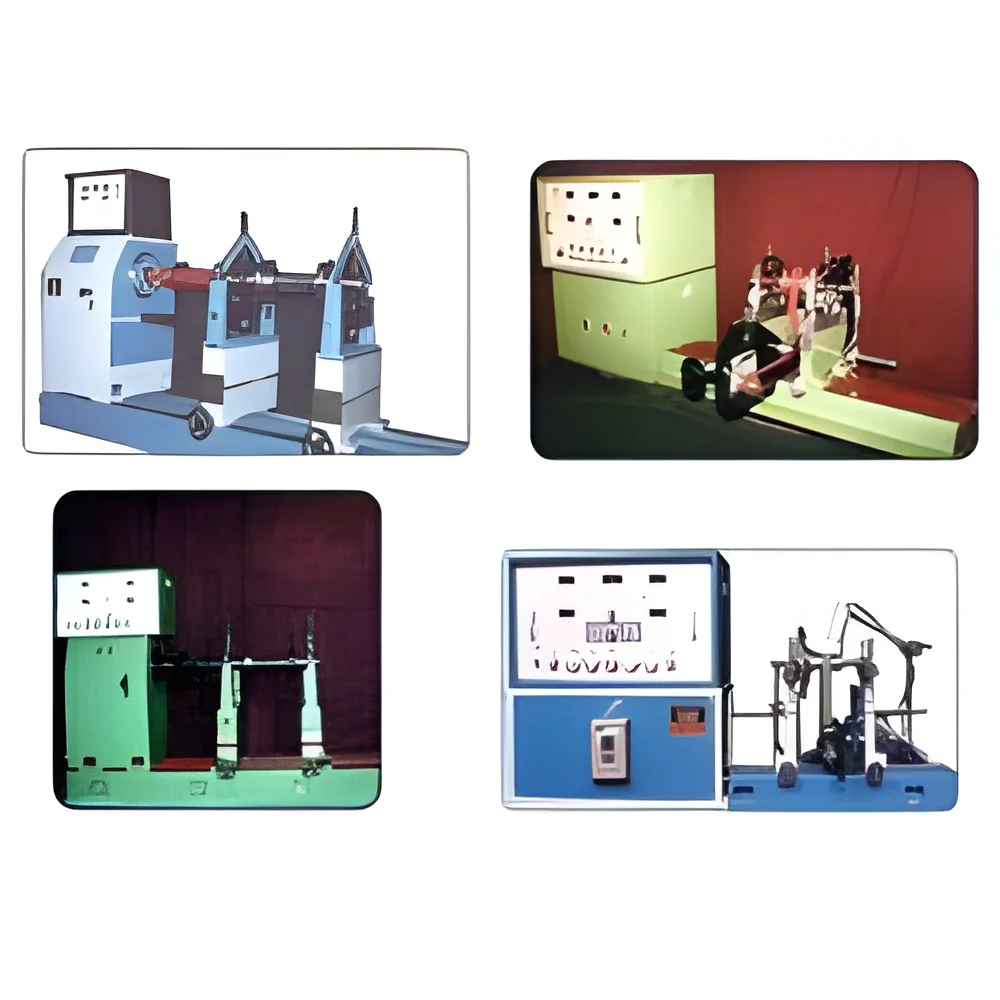
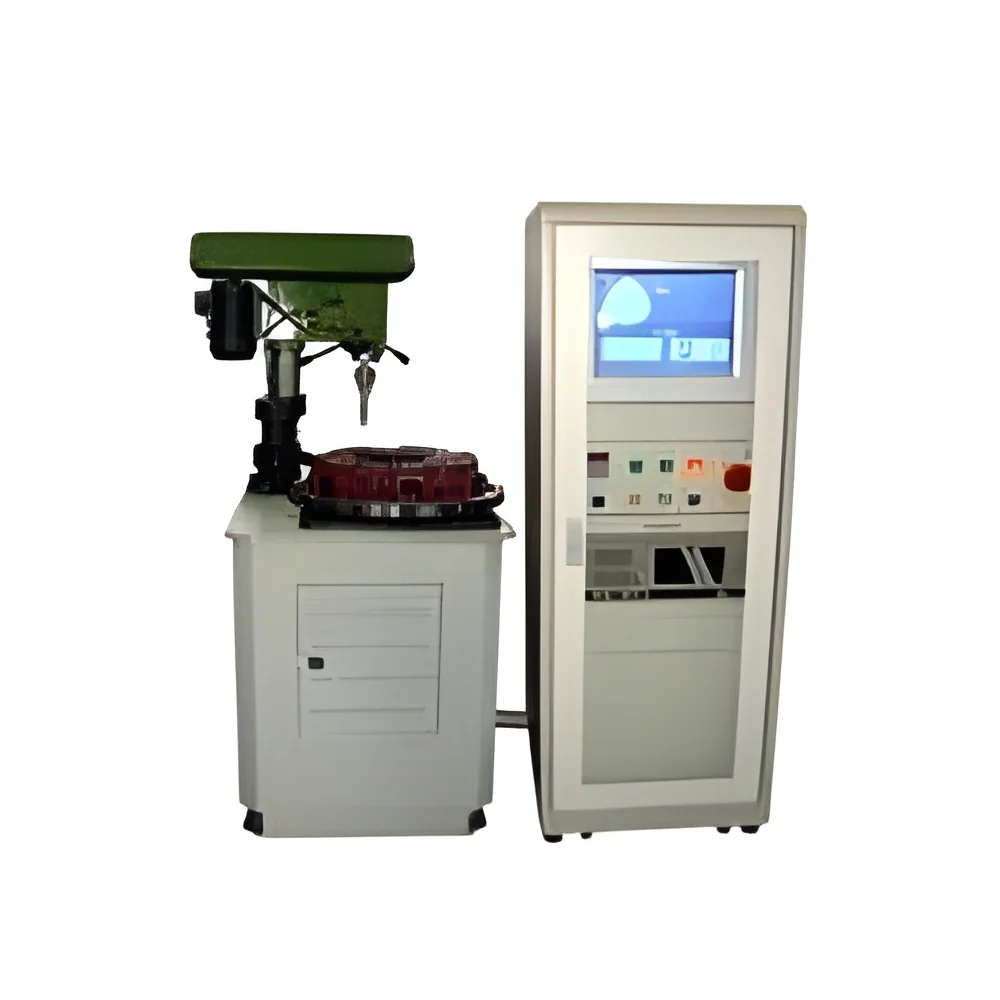
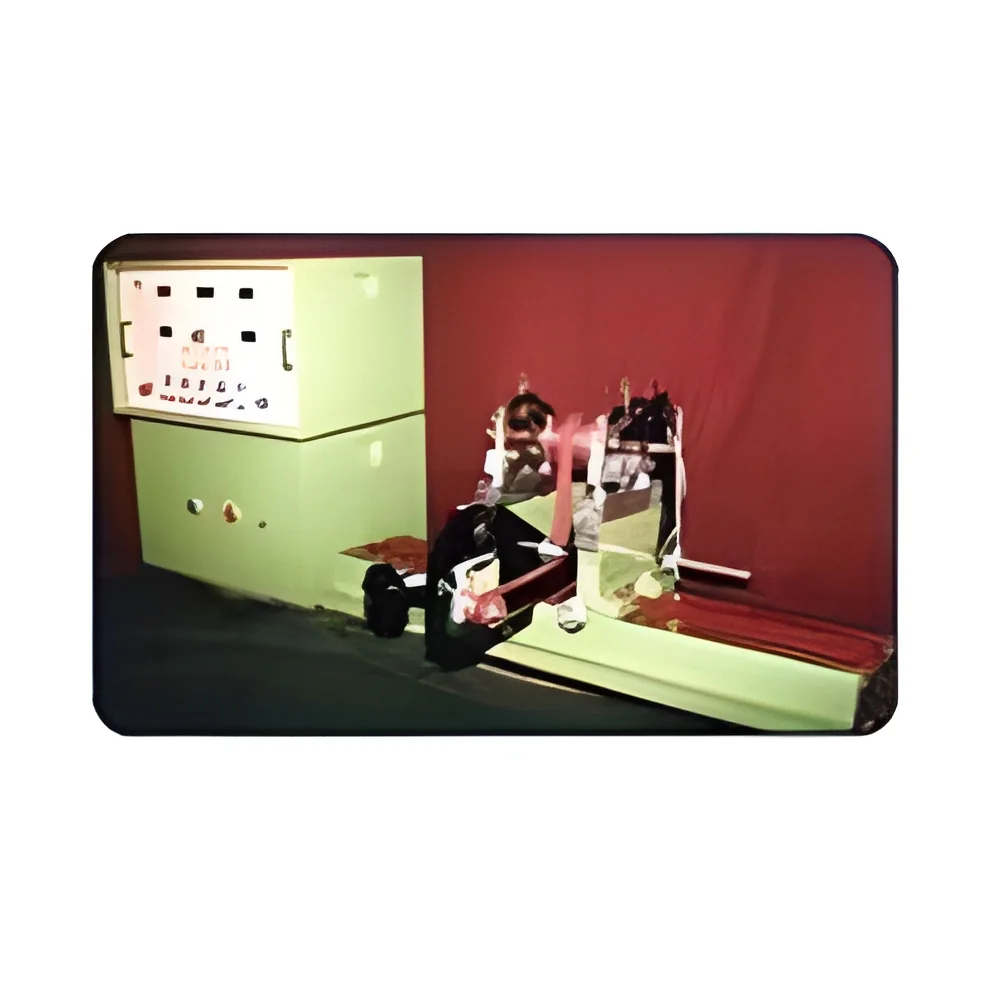
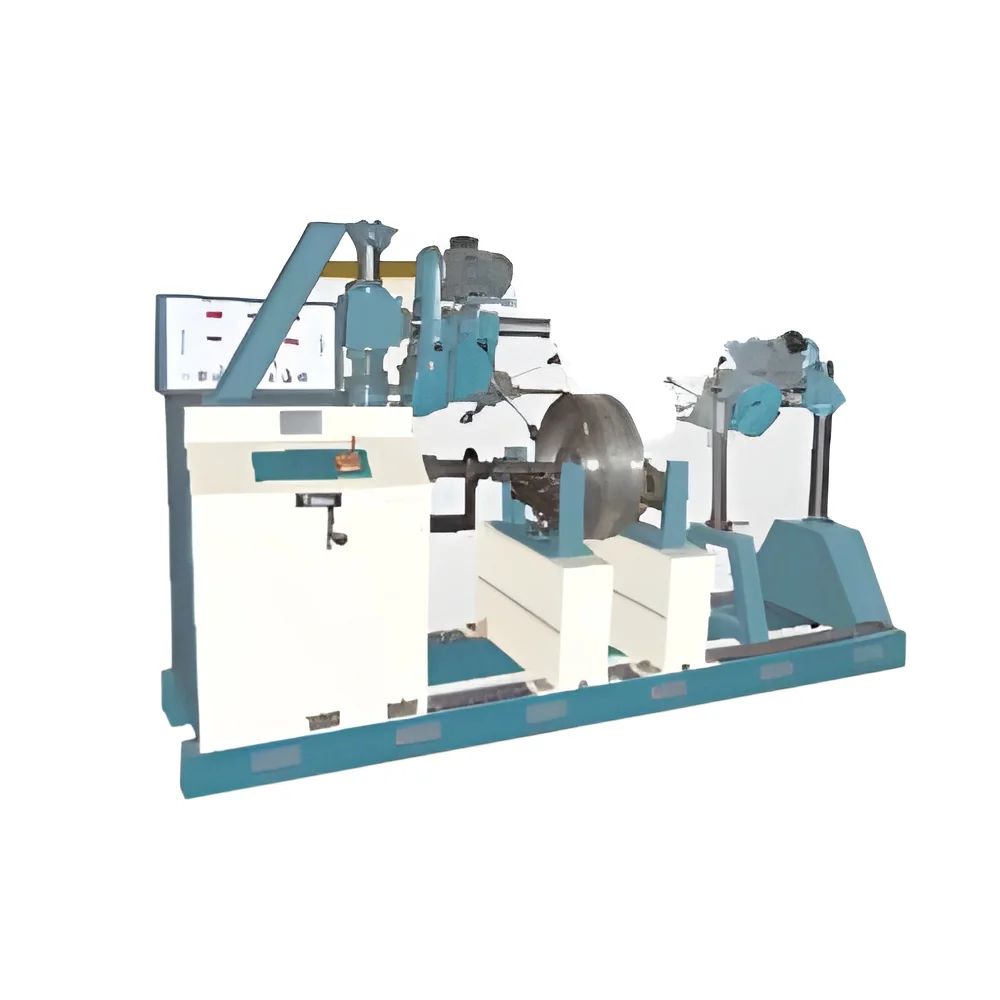
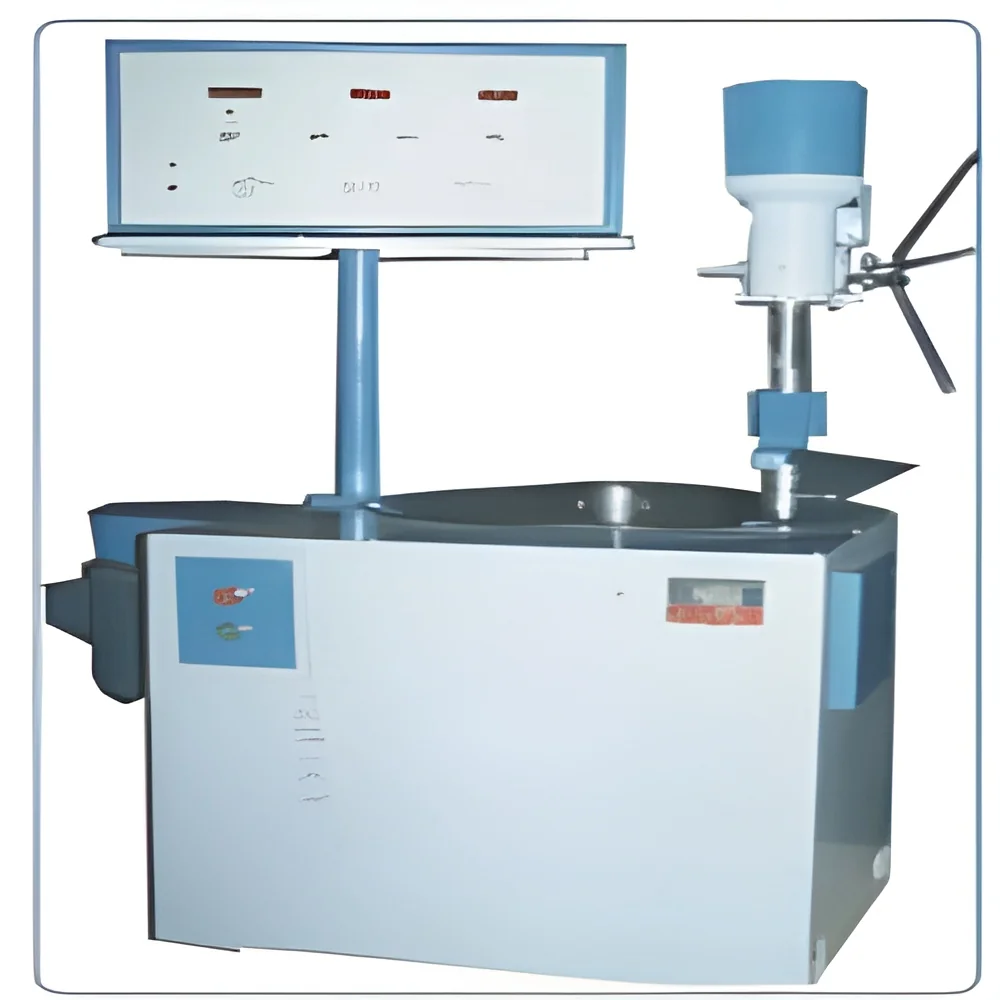
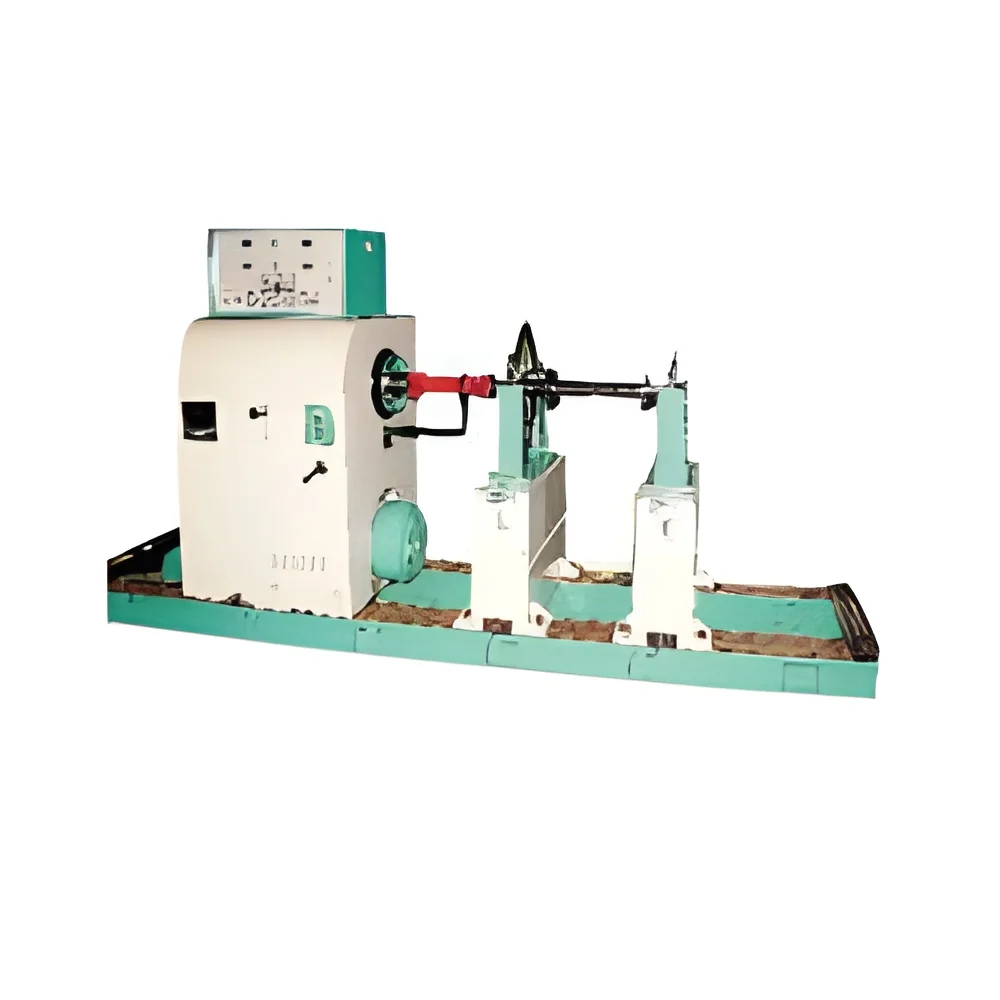
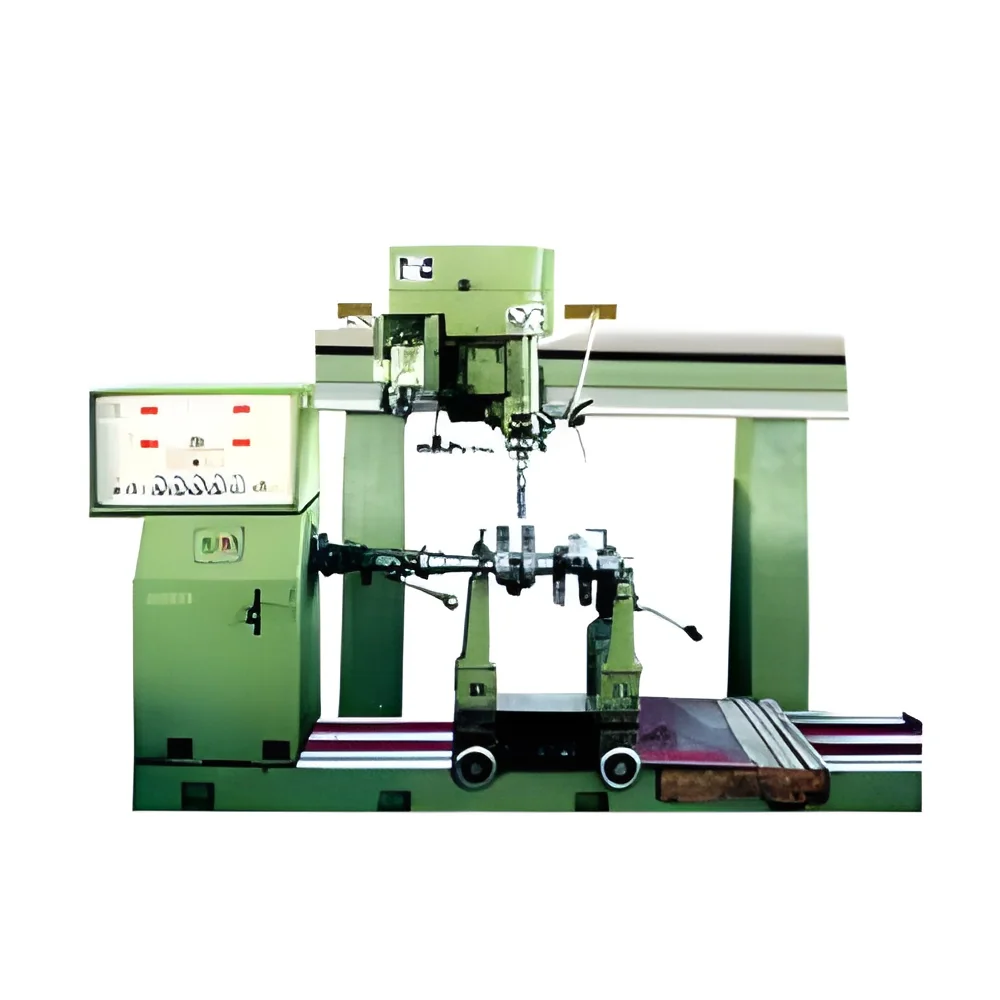
Industrial Special Purpose Balancing Machines are precision-engineered systems designed for the accurate measurement and correction of mass imbalances in rotating components. Utilizing advanced vibration analysis technology, these machines identify even minor imbalances that can cause excessive vibration, noise, and accelerated wear. Constructed from robust, high-quality materials, they are built to withstand the rigors of industrial environments while delivering consistent, repeatable results. Their core function is to ensure that any rotating part—from a small tool to a large turbine rotor—operates at its optimal balance point, which is fundamental for performance, safety, and longevity. The design prioritizes user-friendly operation with intuitive controls, making precise balancing accessible without extensive specialized training. These machines serve as a cornerstone in industries where rotational precision directly impacts product quality and operational continuity. In automotive...
Industrial Special Purpose Balancing Machines are precision-engineered systems designed for the accurate measurement and correction of mass imbalances in rotating components. Utilizing advanced vibration analysis technology, these machines identify even minor imbalances that can cause excessive vibration, noise, and accelerated wear. Constructed from robust, high-quality materials, they are built to withstand the rigors of industrial environments while delivering consistent, repeatable results. Their core function is to ensure that any rotating part—from a small tool to a large turbine rotor—operates at its optimal balance point, which is fundamental for performance, safety, and longevity. The design prioritizes user-friendly operation with intuitive controls, making precise balancing accessible without extensive specialized training.

These machines serve as a cornerstone in industries where rotational precision directly impacts product quality and operational continuity. In automotive and aerospace manufacturing, they are used to balance critical components like crankshafts, turbochargers, and turbine blades, ensuring safety and performance standards are met. Heavy industries, including power generation and oil & gas, rely on them for maintaining large turbomachinery, pumps, and fans. The manufacturing sector employs them for balancing machine tool spindles, grinding wheels, and robotic arms to enhance precision and reduce scrap rates. Essentially, any industry utilizing motors, rotors, or driven shafts integrates these balancing machines into their quality assurance and predictive maintenance workflows to mitigate vibration-related risks.

Investing in a high-quality balancing machine translates into tangible business value through enhanced asset reliability and reduced total cost of ownership. By proactively identifying and correcting imbalances, businesses can dramatically extend the service life of their machinery, defer major capital expenditures, and minimize unscheduled downtime. This proactive approach leads to lower maintenance costs, reduced energy consumption due to smoother operation, and improved end-product quality. The reliability of these machines, backed by durable construction and precise engineering, ensures a strong return on investment by protecting valuable production assets, improving operational efficiency, and helping companies comply with stringent industry vibration standards.

Key Features:
- Advanced vibration measurement system for high-precision detection of static and dynamic imbalances.
- Robust construction using industrial-grade materials ensures long-term durability in demanding workshop conditions.
- Intuitive, user-friendly interface and controls that simplify operation and reduce the learning curve for technicians.
- High-efficiency correction capabilities to accurately bring components into balance, minimizing trial runs.
- Versatile compatibility with a wide range of component sizes, weights, and geometries, from small armatures to large rotors.

Benefits:
- Significantly reduces harmful vibration and noise, leading to a safer and more comfortable working environment.
- Extends the operational lifespan of rotating machinery and components by preventing imbalance-induced wear and fatigue.
- Lowers long-term maintenance and energy costs by ensuring equipment runs at peak efficiency with minimal friction loss.
- Enhances final product quality and manufacturing precision by ensuring tools and driven components are perfectly balanced.
- Provides reliable, repeatable results that support quality control protocols and predictive maintenance strategies.
Specifications
| Additional Information | |
|---|---|
| Country of Origin | India |
| Customisable | No |
Application
Industrial Special Purpose Balancing Machines are engineered to measure and correct imbalances in rotating parts with high precision. This process is critical for reducing vibration, minimizing wear, and preventing premature failure in machinery. By ensuring components run smoothly, these machines directly contribute to operational safety, reduced noise levels, and extended equipment service life across various sectors.
These versatile balancing solutions are indispensable in environments where rotational accuracy is non-negotiable. They support quality control and preventive maintenance programs, helping businesses avoid costly unplanned downtime. Their application is fundamental for maintaining the integrity and performance of critical assets, from massive turbines to precision electric motors, safeguarding both productivity and investment.
- Balancing automotive engine components like crankshafts and flywheels to ensure smooth vehicle operation and passenger comfort.
- Correcting imbalances in industrial fans and blowers used in HVAC, power plants, and manufacturing for efficient, quiet airflow.
- Precision balancing of tool holders, spindles, and grinding wheels in machine shops to improve machining accuracy and surface finish.
- Ensuring the perfect balance of pump impellers and compressor rotors to prevent seal damage, vibration, and energy loss.
- Balancing rotors for generators, turbines, and electric motors in the energy sector to maximize efficiency and operational reliability.
Trade Details
| Available Stock | In Stock |
| Sample Availability | No |
Payment Terms
| Payment Terms |
|
Company Profile
Aditi Engineers & Instruments, Maharashtra
 Maharashtra, India
Maharashtra, IndiaIndustrial Equipment & Machinery•Manufacturer•Trading Company•Importer / Exporter
Factory Details
Factory SizeBelow 1000 sqm
Annual Production Capacity0
Industrial Special Purpose Balancing Machines For Vibration Measurement
Industrial Special Purpose Balancing Machines deliver precise vibration measurement for dynamic balancing of rotating components. Built for durability and high efficiency, they ensure reliable performance in demanding industrial applications.
Min. Order Quantity: 1 unit
Shipping
Shipping fee and delivery date to be negotiated. Contact supplier now for more details.
Aditi Engineers & Instruments
 Maharashtra, India
Maharashtra, IndiaIndustrial Equipment & MachineryManufacturerTrading CompanyImporter / Exporter