IN
IN₹
Apparel & Fashion
Loading subcategories...
View More
Description
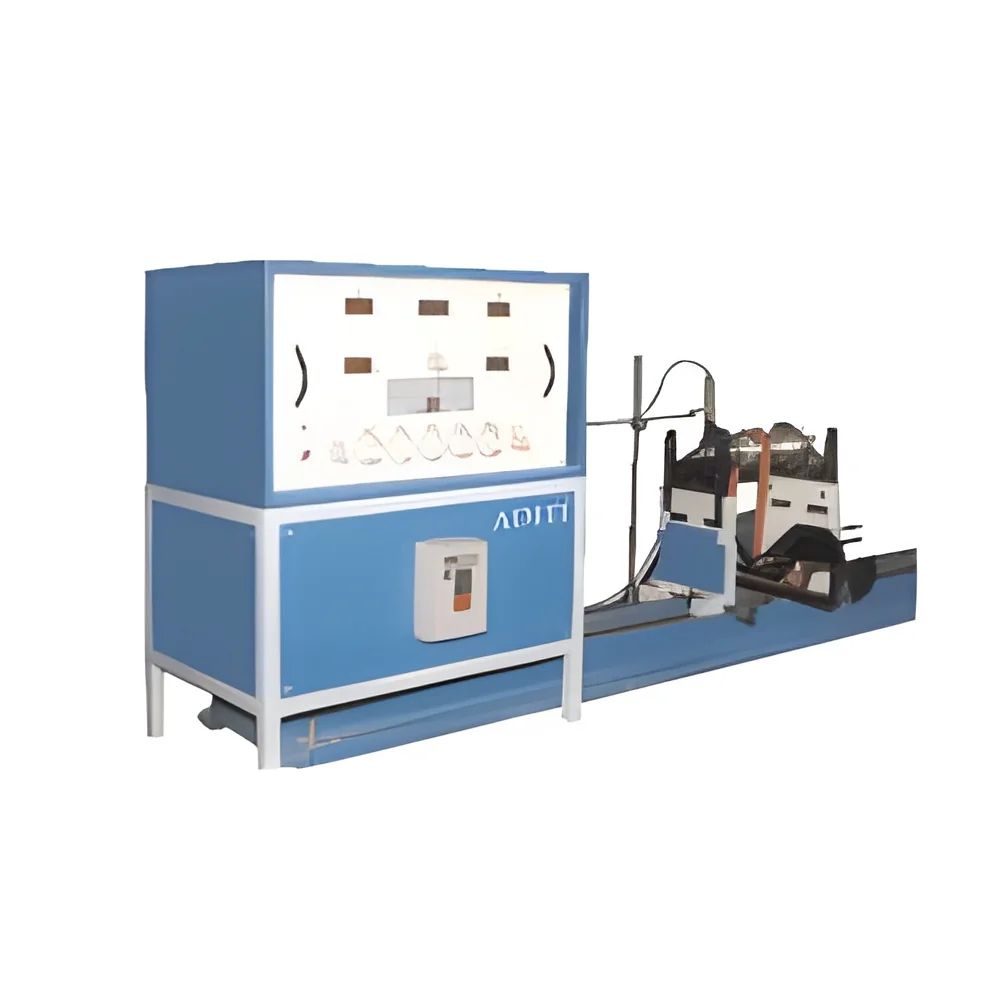
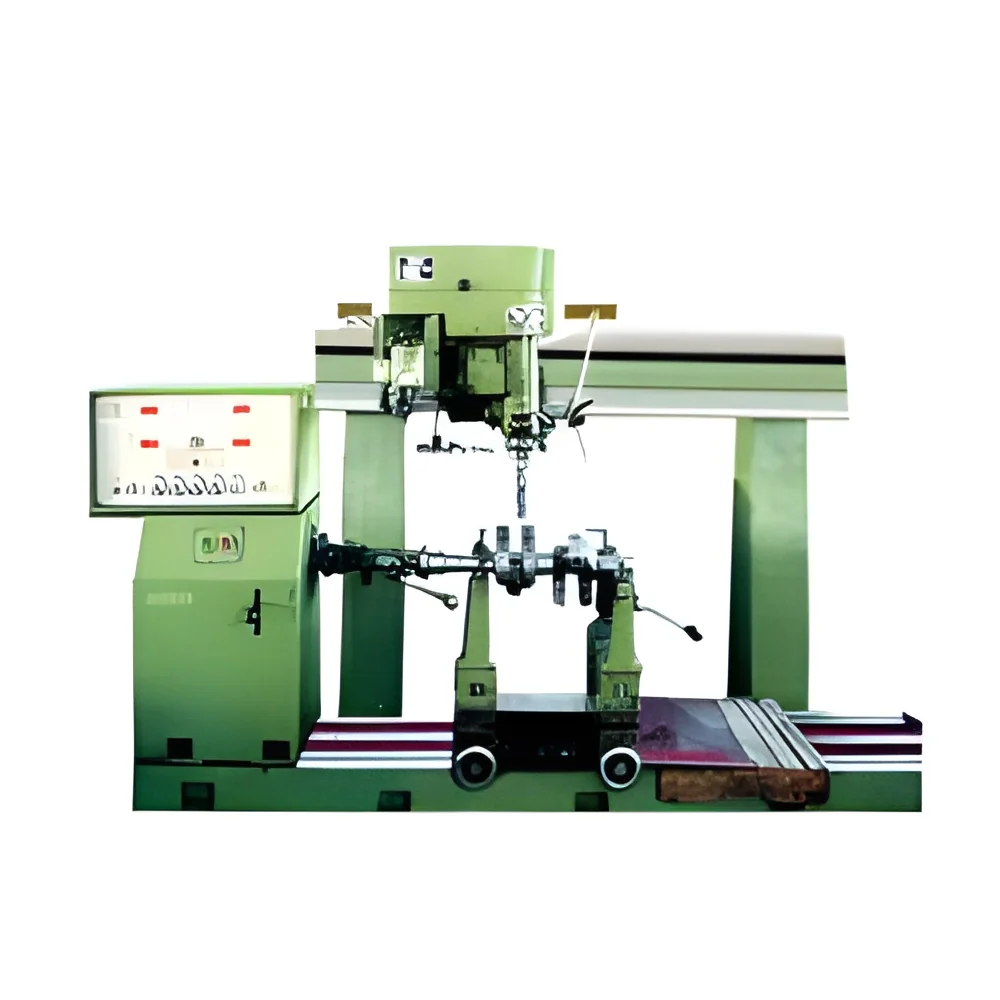
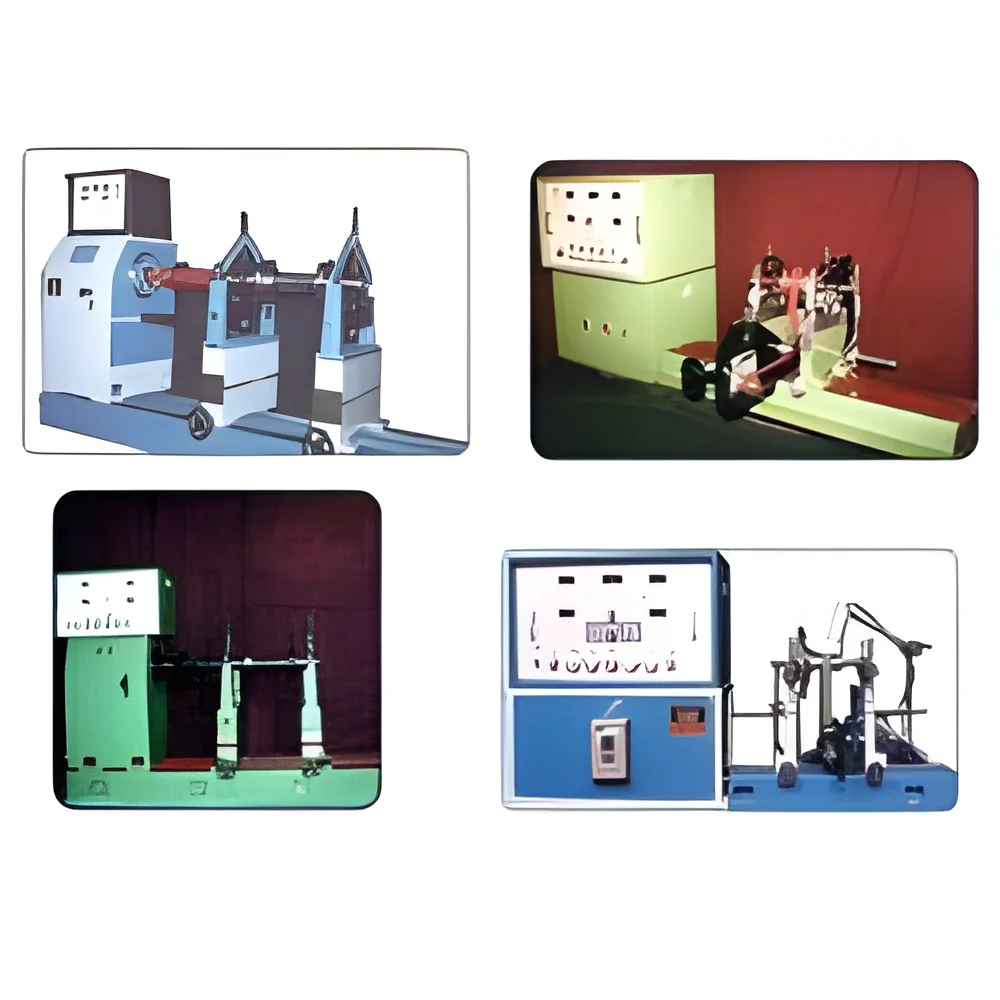
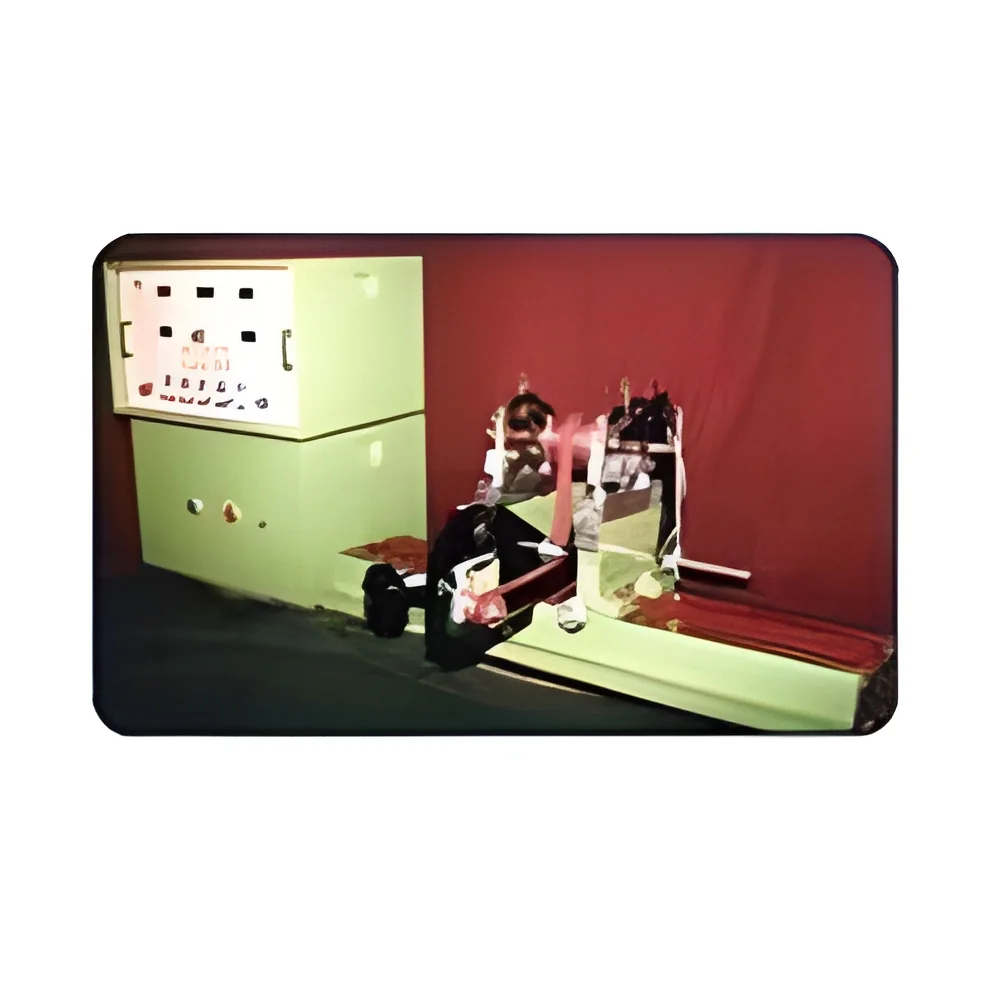
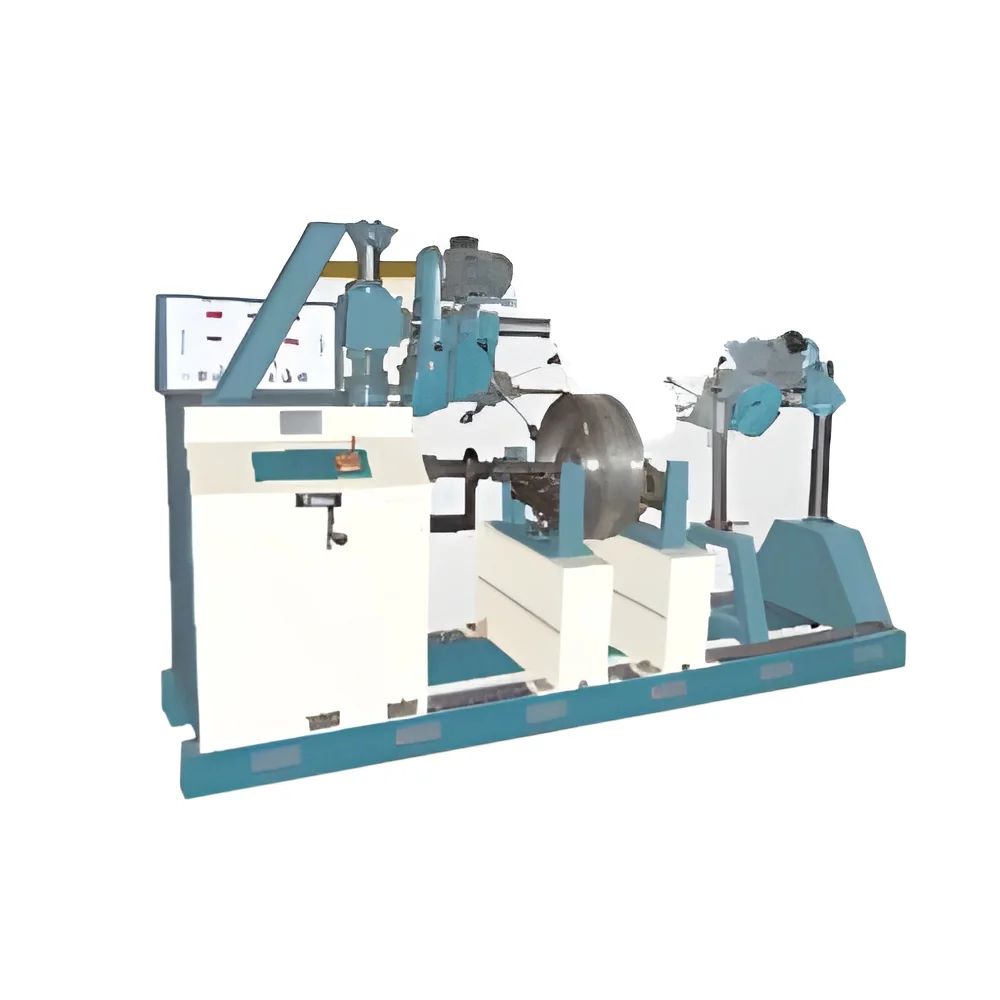
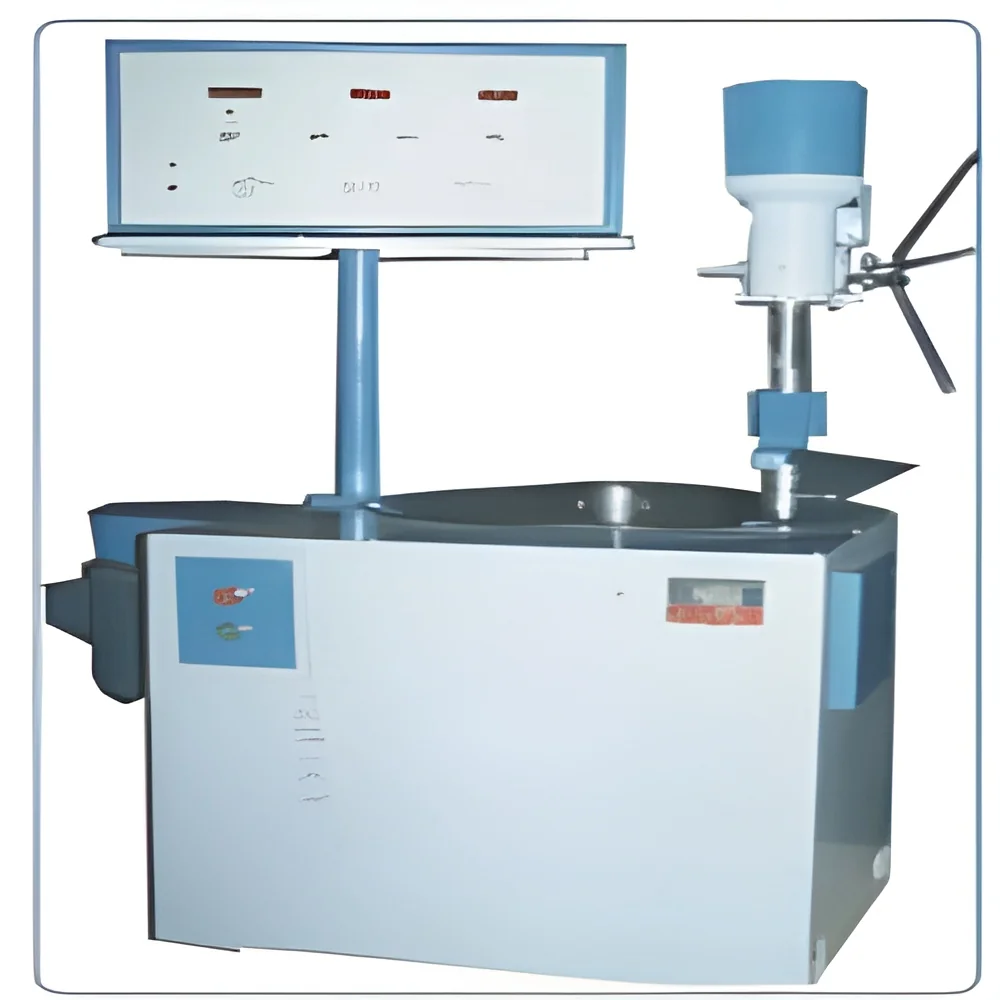
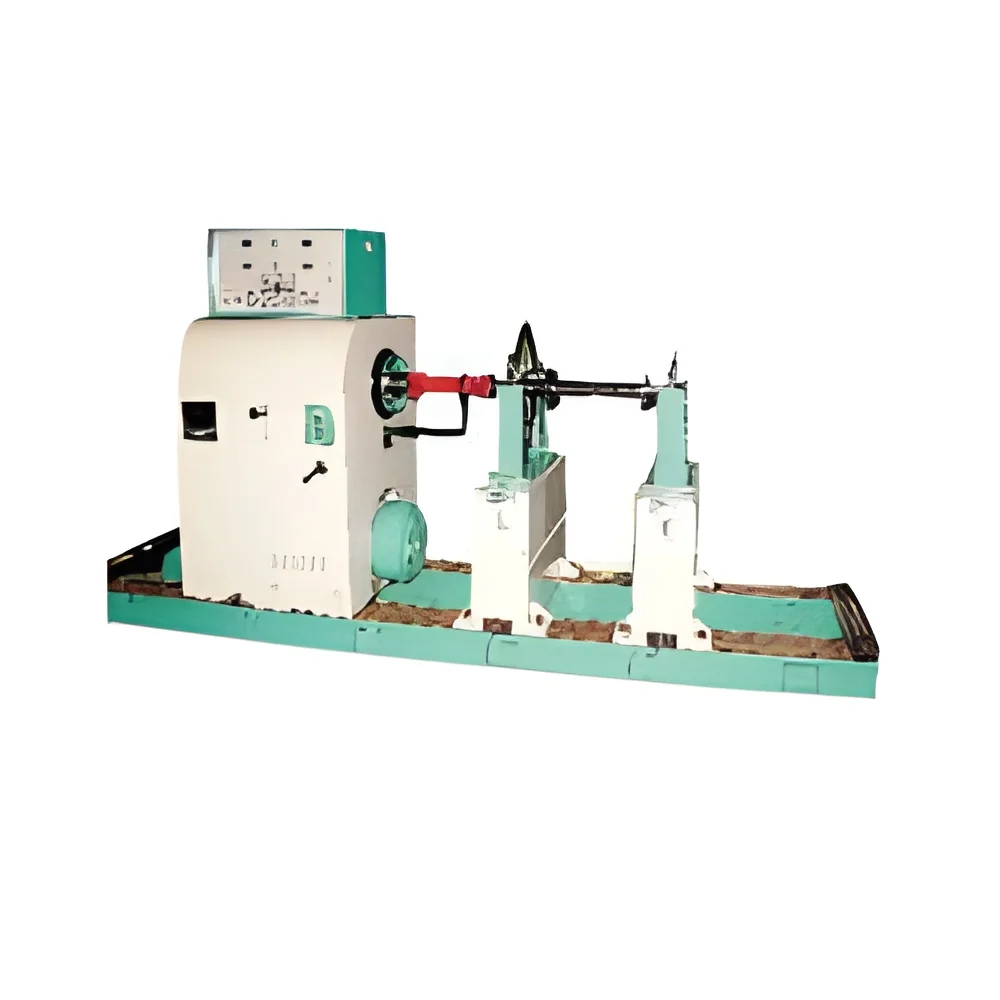
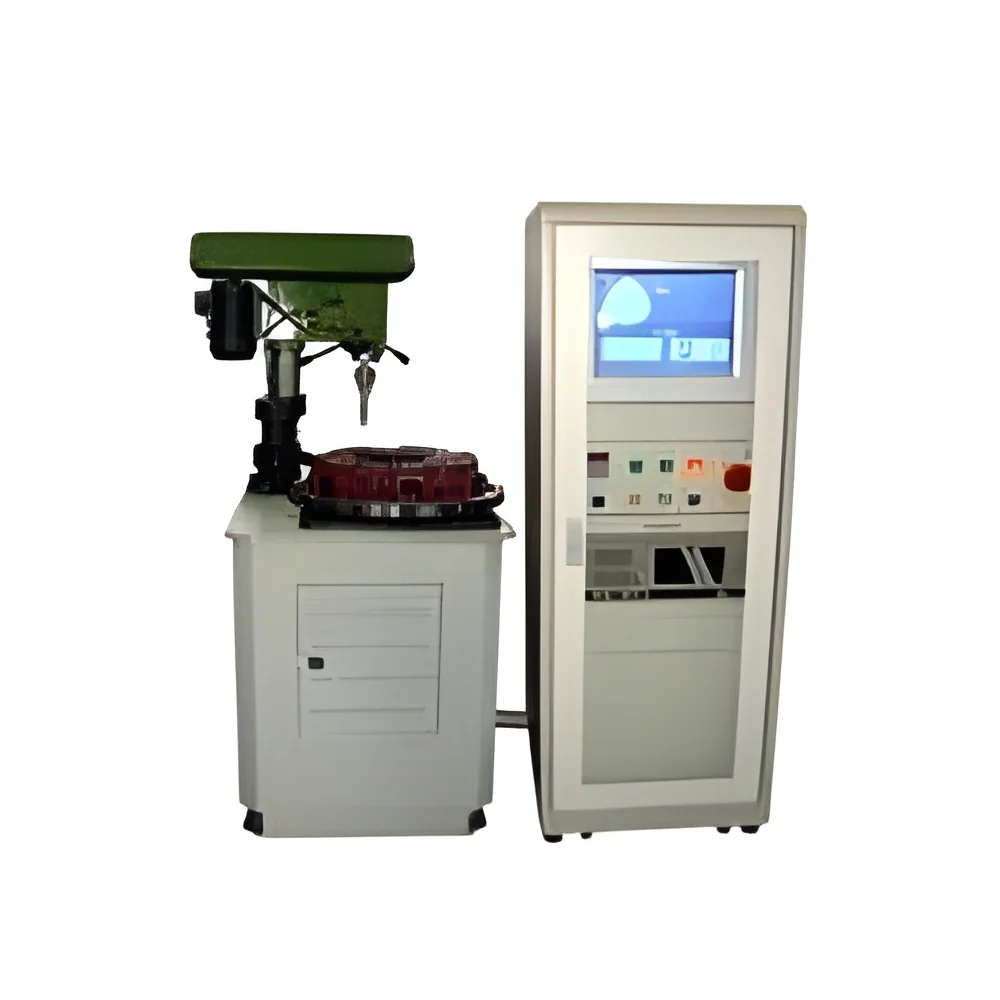
Industrial dynamic balancing machines represent precision engineering solutions designed for accurate vibration analysis and correction of rotating components. These robust systems utilize advanced sensor technology and sophisticated data processing to detect and measure imbalances in various rotating parts, from small precision components to large industrial rotors. Manufactured with quality materials and rigorous production standards, each machine delivers consistent performance suitable for both production line applications and maintenance operations, providing comprehensive balancing solutions that meet the demanding requirements of modern industrial environments. These balancing systems find essential applications across numerous industrial sectors including automotive manufacturing, aerospace engineering, energy production, and heavy machinery operations. Automotive production facilities utilize them for balancing critical components like crankshafts, flywheels, and transmission ...
Industrial dynamic balancing machines represent precision engineering solutions designed for accurate vibration analysis and correction of rotating components. These robust systems utilize advanced sensor technology and sophisticated data processing to detect and measure imbalances in various rotating parts, from small precision components to large industrial rotors. Manufactured with quality materials and rigorous production standards, each machine delivers consistent performance suitable for both production line applications and maintenance operations, providing comprehensive balancing solutions that meet the demanding requirements of modern industrial environments.

These balancing systems find essential applications across numerous industrial sectors including automotive manufacturing, aerospace engineering, energy production, and heavy machinery operations. Automotive production facilities utilize them for balancing critical components like crankshafts, flywheels, and transmission parts to ensure vehicle performance and longevity. Aerospace manufacturers rely on these machines for precision balancing of turbine blades and engine rotors where exacting standards are mandatory. Energy sector applications include balancing turbine rotors for power generation equipment, while general manufacturing uses extend to balancing fans, pumps, and various rotating machinery components across diverse industrial settings.

The operational value of these balancing machines lies in their ability to enhance product quality, reduce operational expenses, and extend equipment service life. By ensuring precise balancing of rotating components, manufacturers achieve higher quality end products with significantly reduced vibration and noise levels. This precision translates to fewer warranty claims, improved customer satisfaction, and enhanced operational reliability. The inherent reliability of these systems stems from robust construction, quality-controlled manufacturing processes, and thorough testing protocols that ensure consistent performance even in the most demanding industrial environments.

Key Features:
- High-precision vibration measurement sensors for accurate imbalance detection and analysis
- Durable construction using industrial-grade materials for long-term reliability
- Flexible configurations adaptable to various component types, sizes, and balancing requirements
- Intuitive user interface with clear data visualization and comprehensive analysis capabilities
- Integrated safety systems including emergency stop functions and protective machine guarding

Benefits:
- Enhanced product quality through precise vibration reduction in rotating components
- Extended equipment lifespan by preventing premature wear from vibration imbalances
- Reduced operational costs through decreased maintenance requirements and downtime
- Improved manufacturing efficiency with faster balancing cycles and accurate measurements
- Increased operational safety with reliable performance and integrated protective features
Specifications
| Additional Information | |
|---|---|
| Country of Origin | India |
| Customisable | No |
Application
Industrial dynamic balancing machines serve critical functions in manufacturing environments where rotating component precision directly impacts operational efficiency and equipment longevity. These systems accurately measure and correct vibration imbalances across various rotating parts, from small electric motor components to large industrial rotors, ensuring smooth operation and preventing premature wear in mechanical systems across multiple production sectors.
Engineering facilities, automotive component manufacturers, and industrial equipment producers depend on these balancing solutions for quality control and production optimization. The technology proves particularly valuable for operations involving high-speed rotating machinery where even minimal imbalances can lead to significant vibration, increased noise levels, and potential mechanical failures that disrupt manufacturing processes and increase maintenance costs.
- Balancing electric motor rotors and armatures for vibration-free industrial operation
- Precision balancing of automotive components including crankshafts, flywheels, and transmission parts
- Industrial turbine and pump impeller balancing for power generation and fluid handling systems
- Aerospace component balancing for aircraft engine parts and propulsion system rotors
- Manufacturing equipment maintenance for industrial fans, blowers, compressors, and rotating machinery
Trade Details
| Available Stock | In Stock |
| Sample Availability | No |
Payment Terms
| Payment Terms |
|
Company Profile
Aditi Engineers & Instruments, Maharashtra
 Maharashtra, India
Maharashtra, IndiaIndustrial Equipment & Machinery•Manufacturer•Trading Company•Importer / Exporter
Factory Details
Factory SizeBelow 1000 sqm
Annual Production Capacity0
Industrial Dynamic Balancing Machines For Rotor Vibration Analysis
Industrial dynamic balancing machines from trusted manufacturers provide high-precision rotor vibration analysis for rotating components. These reliable systems ensure optimal performance for engineering and manufacturing applications with accurate measurement capabilities.
Min. Order Quantity: 1 unit
Shipping
Shipping fee and delivery date to be negotiated. Contact supplier now for more details.
Aditi Engineers & Instruments
 Maharashtra, India
Maharashtra, IndiaIndustrial Equipment & MachineryManufacturerTrading CompanyImporter / Exporter