IN
IN₹
Apparel & Fashion
Loading subcategories...
View More
Description
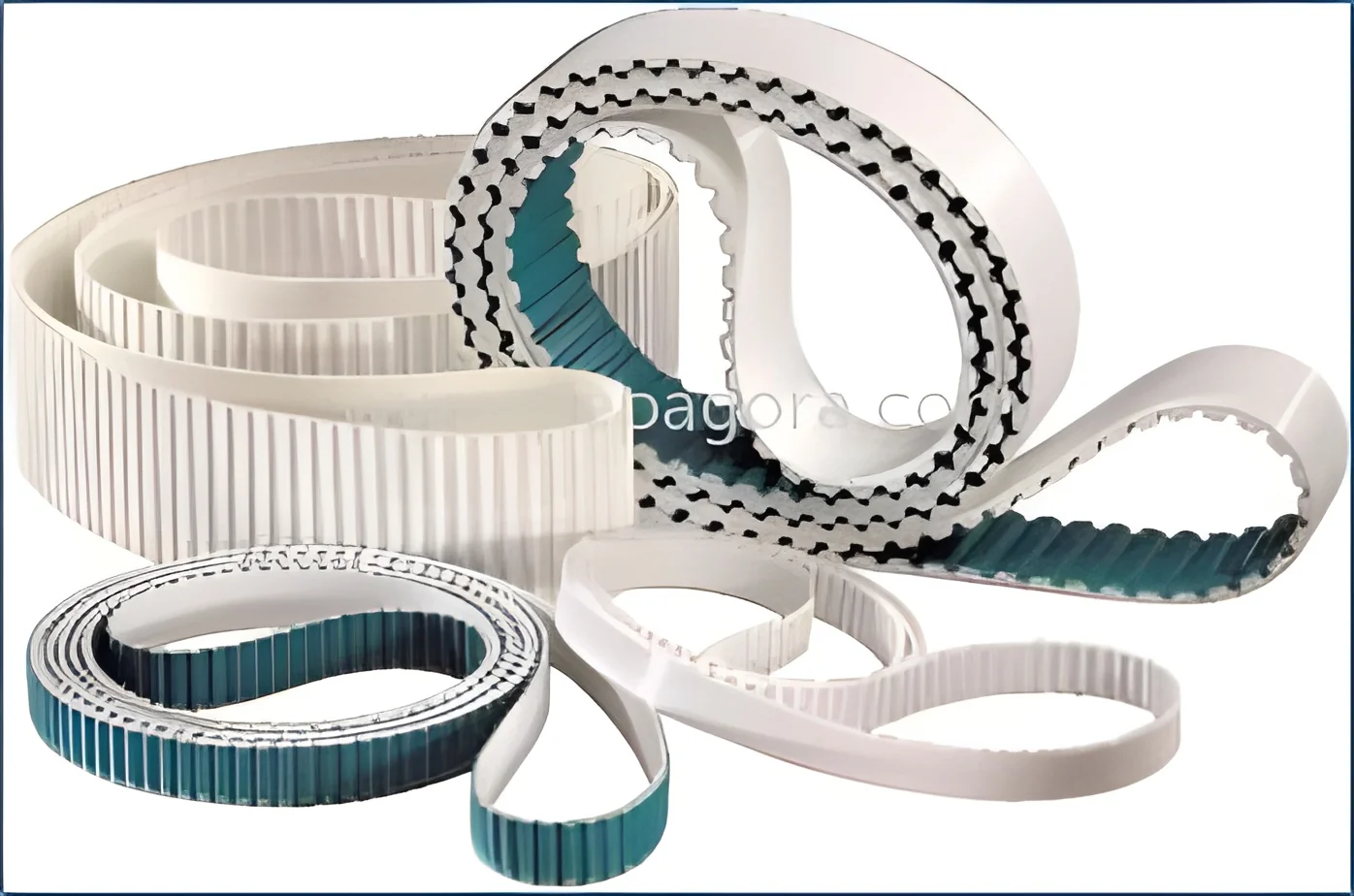
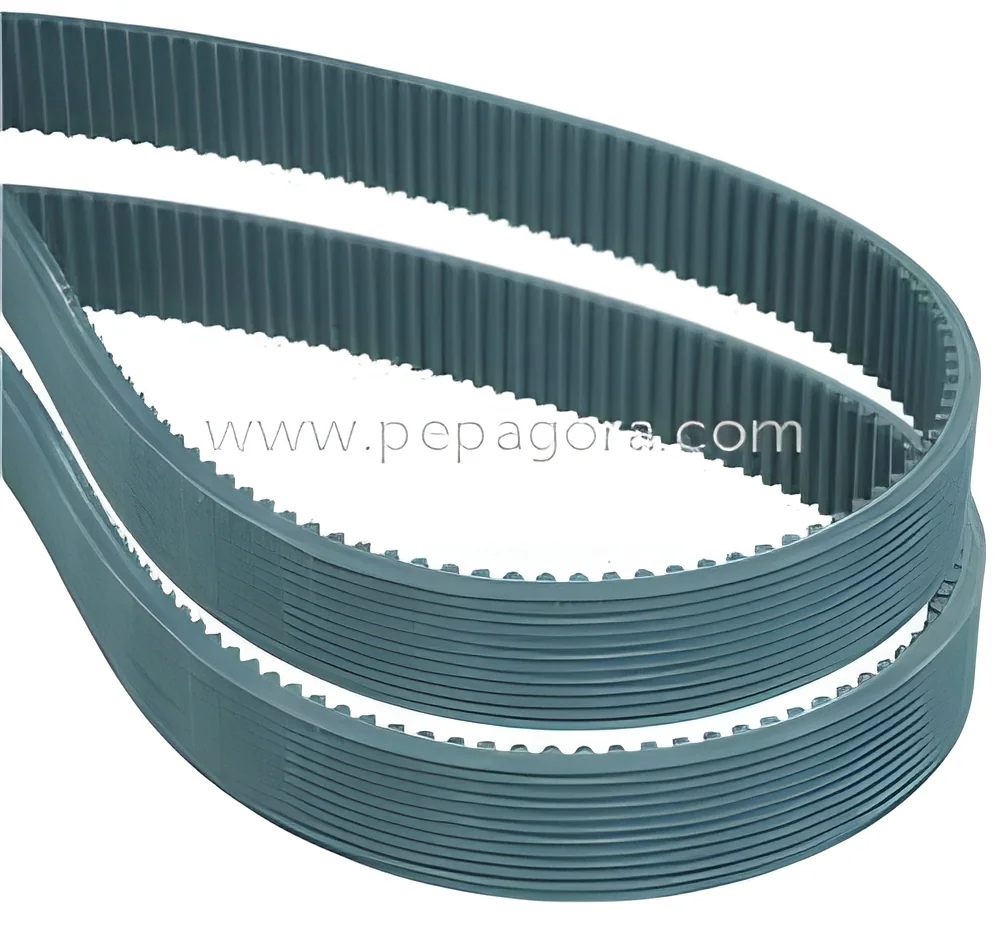
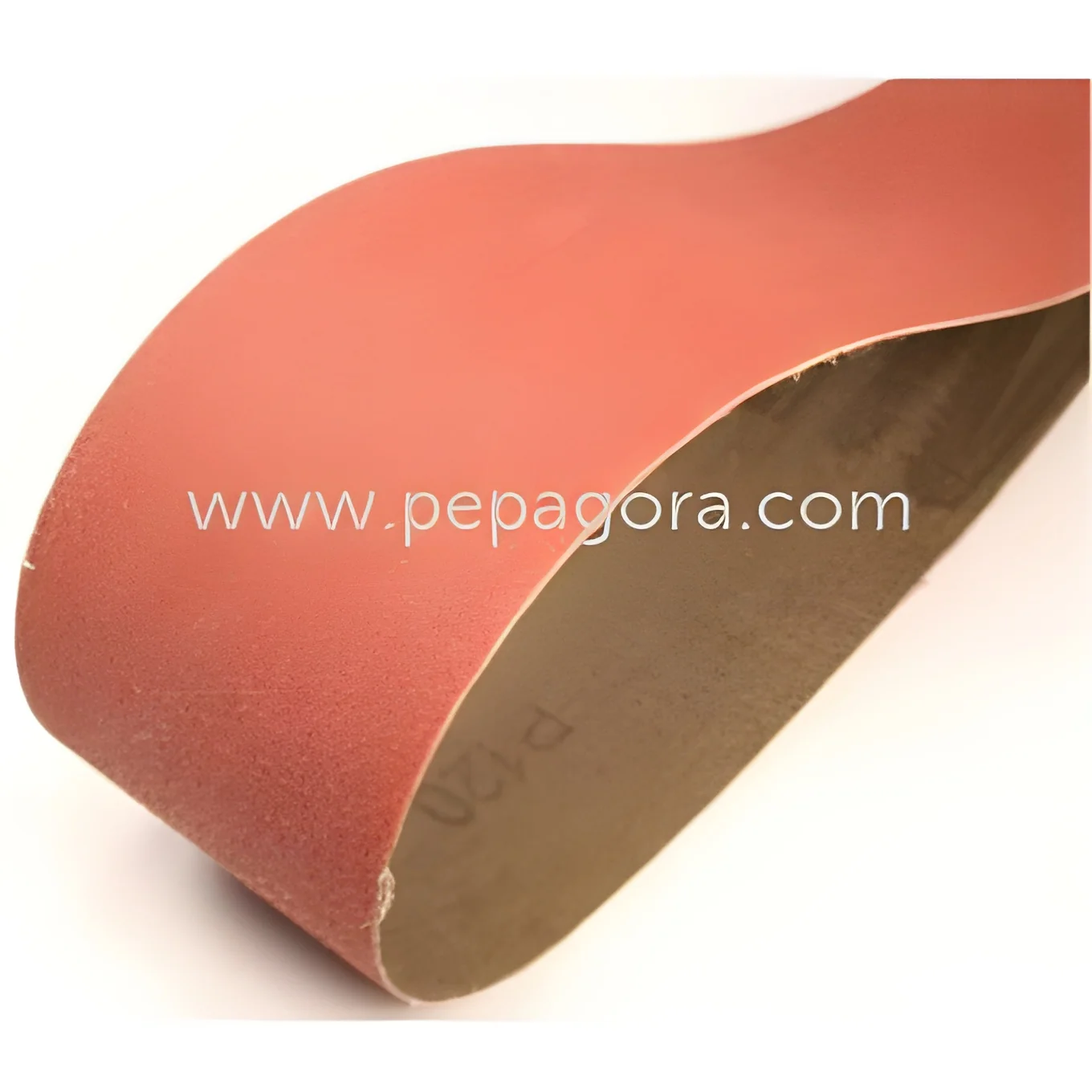
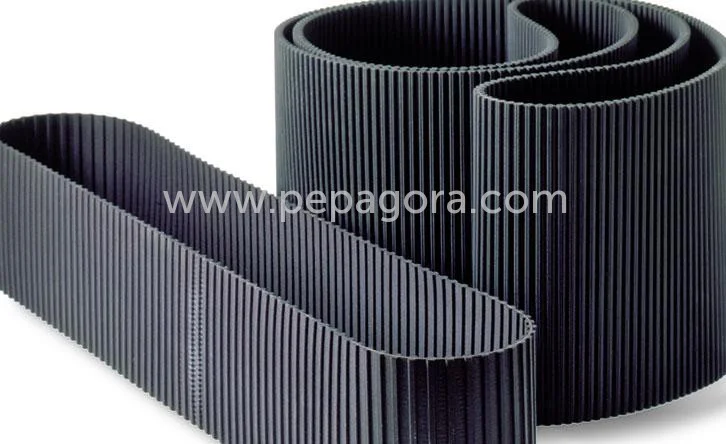
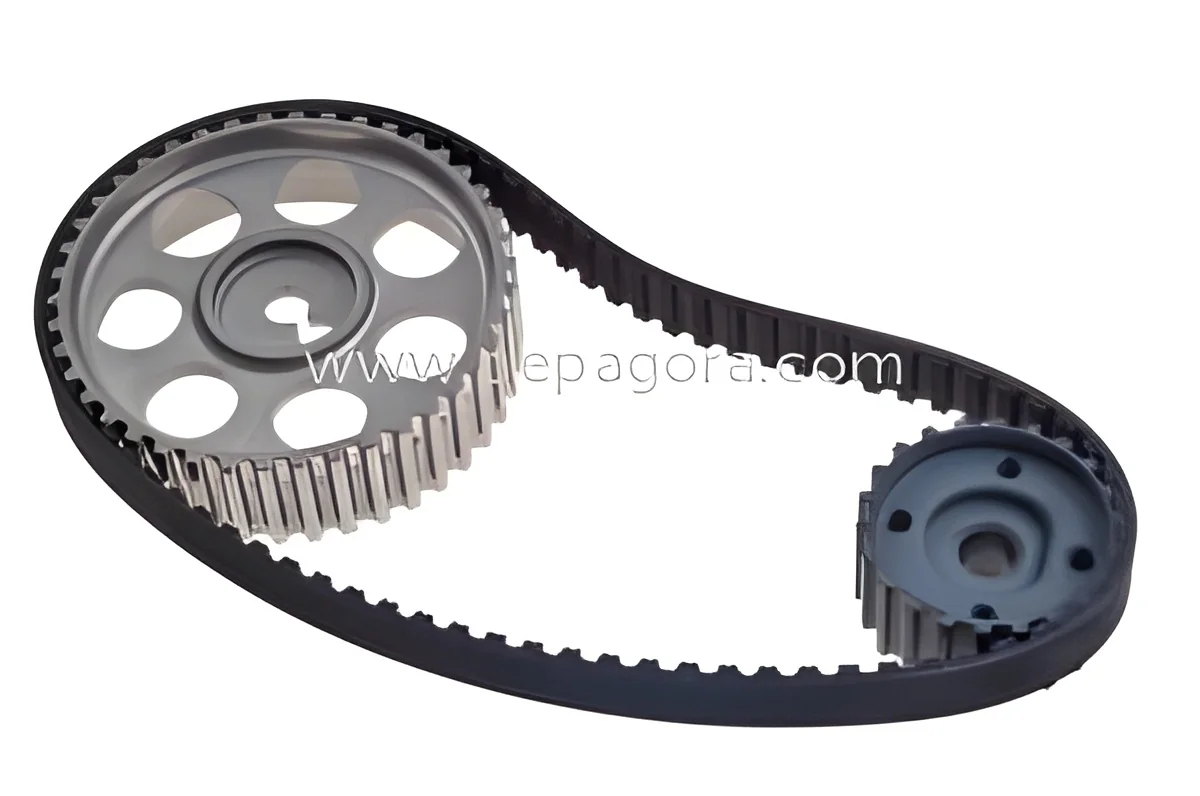
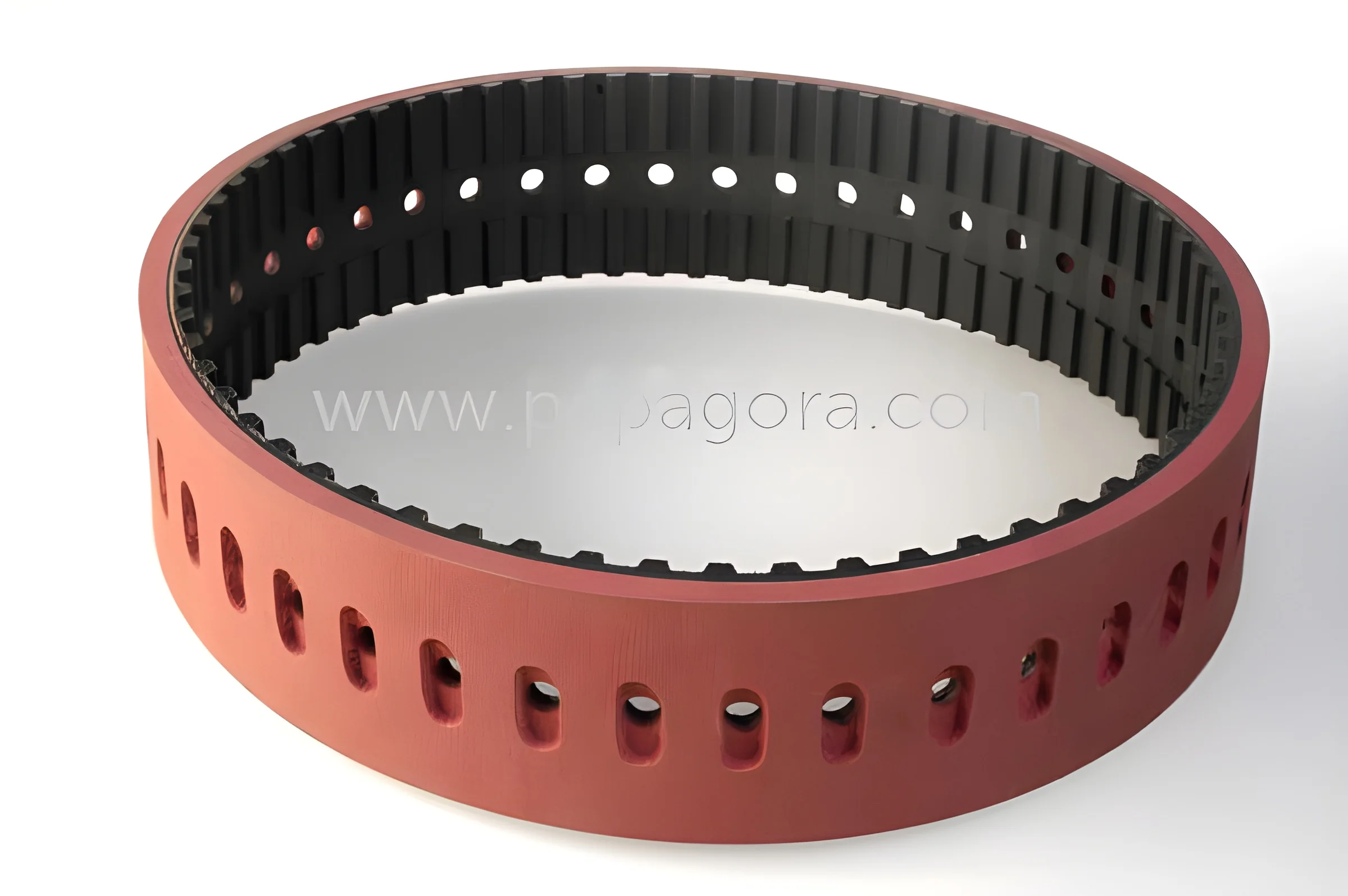
Our industrial oil resistant rubber timing belts represent advanced power transmission technology specifically engineered for environments where oil exposure and demanding operational conditions are prevalent. Manufactured from premium oil-resistant rubber compounds, these belts maintain precision timing and reliable performance even when exposed to lubricants, hydraulic fluids, and other petroleum-based products. The standard specifications ensure seamless compatibility with existing industrial systems while delivering superior performance characteristics that exceed conventional timing belts. The construction incorporates reinforced tensile members that provide exceptional strength and dimensional stability, preventing stretching and maintaining accurate pitch under heavy loads. This engineering ensures consistent power transmission without slippage, making these belts ideal for applications where synchronization accuracy is critical to operational success.

These oil-resistant timin...
Our industrial oil resistant rubber timing belts represent advanced power transmission technology specifically engineered for environments where oil exposure and demanding operational conditions are prevalent. Manufactured from premium oil-resistant rubber compounds, these belts maintain precision timing and reliable performance even when exposed to lubricants, hydraulic fluids, and other petroleum-based products. The standard specifications ensure seamless compatibility with existing industrial systems while delivering superior performance characteristics that exceed conventional timing belts. The construction incorporates reinforced tensile members that provide exceptional strength and dimensional stability, preventing stretching and maintaining accurate pitch under heavy loads. This engineering ensures consistent power transmission without slippage, making these belts ideal for applications where synchronization accuracy is critical to operational success.

These oil-resistant timing belts serve essential functions across multiple industrial sectors including automotive manufacturing, packaging machinery, textile production, agricultural equipment, and material handling systems. In automotive applications, they ensure precise engine timing and assembly line synchronization where reliability is paramount. Packaging industries depend on them for consistent product handling and uninterrupted operational performance. Textile manufacturers utilize these belts in looms and weaving equipment where exact timing is essential for quality output and production efficiency. Agricultural machinery benefits from their exceptional durability in harsh outdoor conditions with frequent exposure to oils, lubricants, and environmental contaminants that would degrade standard belts.

The business value of these premium timing belts lies in their exceptional reliability and significantly reduced total cost of ownership. By resisting oil degradation and maintaining precise timing under demanding conditions, they substantially extend service life compared to standard belts, reducing replacement frequency and maintenance expenses. The minimized downtime translates to higher production efficiency and operational continuity, ensuring consistent output and reduced operational disruptions. The standard specifications provide guaranteed compatibility with existing systems while the reinforced construction ensures long-term performance stability. Rigorous quality control testing guarantees consistent performance meeting international standards, providing confidence for critical applications where equipment failure is not an option and operational reliability is essential for business success.

Key Features:
- Oil-resistant rubber construction for durability in harsh environments
- Standard specifications ensuring compatibility with industrial systems
- Reinforced tensile members for exceptional strength and stability
- Precision engineering for accurate timing without slippage
- Dimensional stability maintaining performance under heavy loads

Benefits:
- Extended service life reducing replacement frequency and costs
- Reduced maintenance requirements and operational downtime
- Consistent power transmission ensuring production efficiency
- Compatibility with existing industrial systems and machinery
- Reliable performance in oil-exposed and demanding conditions
Specifications
| Attribute | Value |
|---|---|
| Material | Rubber |
| Material Feature | Oil Resistant |
| Standardor Nonstandard | Standard |
| Type | Timing Belt |
| Additional Information | |
|---|---|
| Country of Origin | India |
| Customisable | No |
Application
Our industrial oil resistant rubber timing belts deliver precise power transmission in demanding environments where exposure to oils, lubricants, and harsh conditions is common. They maintain synchronized movement and reliable performance in machinery operating under continuous stress, ensuring accurate timing without degradation from industrial fluids. These belts are essential across multiple sectors for their exceptional durability and consistent operation under challenging conditions.
These timing belts serve critical functions in systems requiring resistance to petroleum-based products while maintaining performance across various temperature ranges. They significantly reduce maintenance frequency and operational downtime by providing reliable power transmission where precision timing and oil resistance are essential for operational efficiency and extended equipment lifespan in industrial settings.
- Automotive manufacturing engines and assembly lines requiring precise timing
- Packaging machinery for consistent product handling and operational reliability
- Textile industry looms and weaving equipment needing synchronization
- Agricultural equipment like harvesters operating in harsh conditions
- Industrial conveyor systems and material handling applications
Trade Details
| Available Stock | In Stock |
| Sample Availability | No |
Payment Terms
| Payment Terms |
|
Shipping & Logistics
| Shipping Internationally | - | |
| Methods | -- | |
| IncoTerms | -- | |
| Port of Dispatch | Madurai | |
| Packaging Type | -- | |
| Units per Package | -- | |
| Barcode / HSN / GTIN / UPC | -- | |
| Dispatch Lead time | -- |
Company Profile
MICROTURN INDUSTRIES, Tamil Nadu
 Tamil Nadu, India
Tamil Nadu, IndiaRaw Materials & Chemicals•Manufacturer•Distributor / Wholesaler•Importer / Exporter
Factory Details
Factory SizeBelow 1000 sqm
Annual Production Capacity0
Main Markets
Eastern Asia
South Asia
Southeast Asia
Industrial Oil Resistant Rubber Timing Belt For Power Transmission
Industrial oil resistant rubber timing belt for reliable power transmission in demanding environments. Standard specifications ensure compatibility with machinery requiring precision timing and durability against oil exposure.
Min. Order Quantity: 1 piece
Shipping
Shipping fee and delivery date to be negotiated. Contact supplier now for more details.
MICROTURN INDUSTRIES
 Tamil Nadu, India
Tamil Nadu, IndiaRaw Materials & ChemicalsManufacturer