IN
IN₹
Description
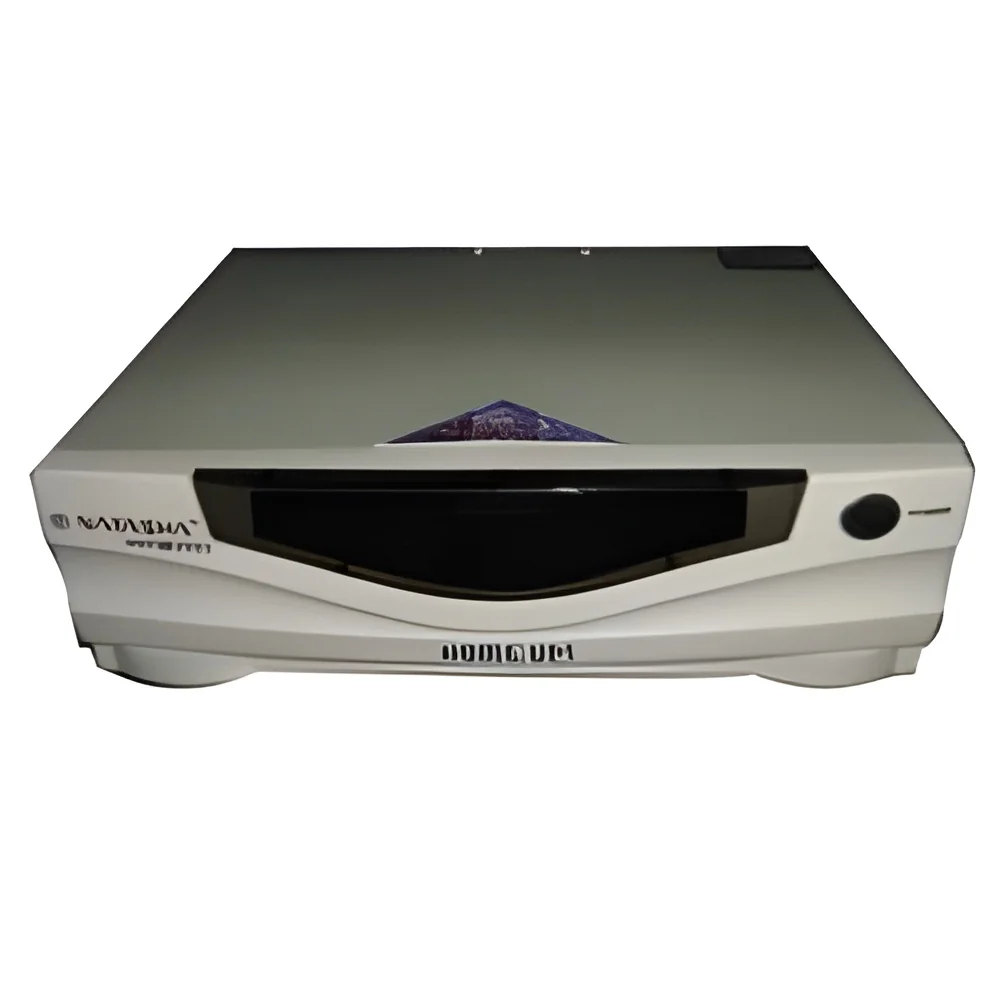
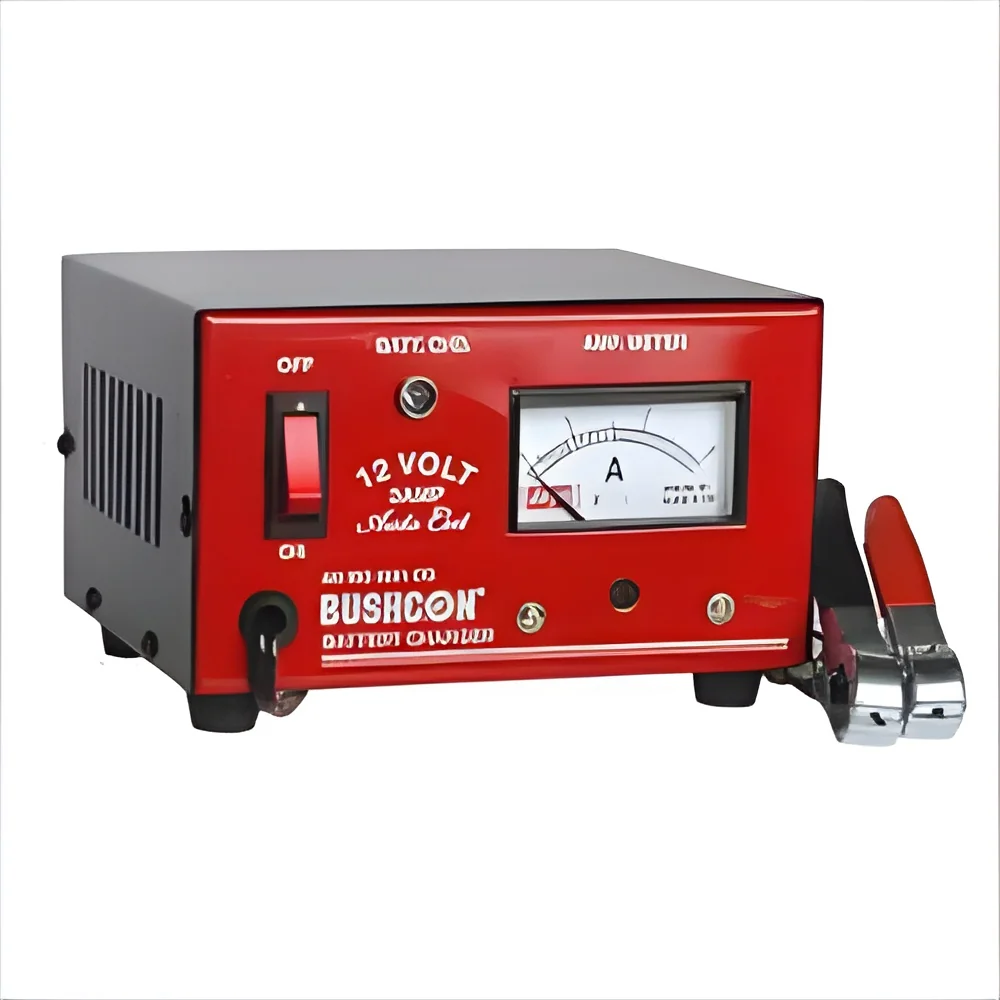
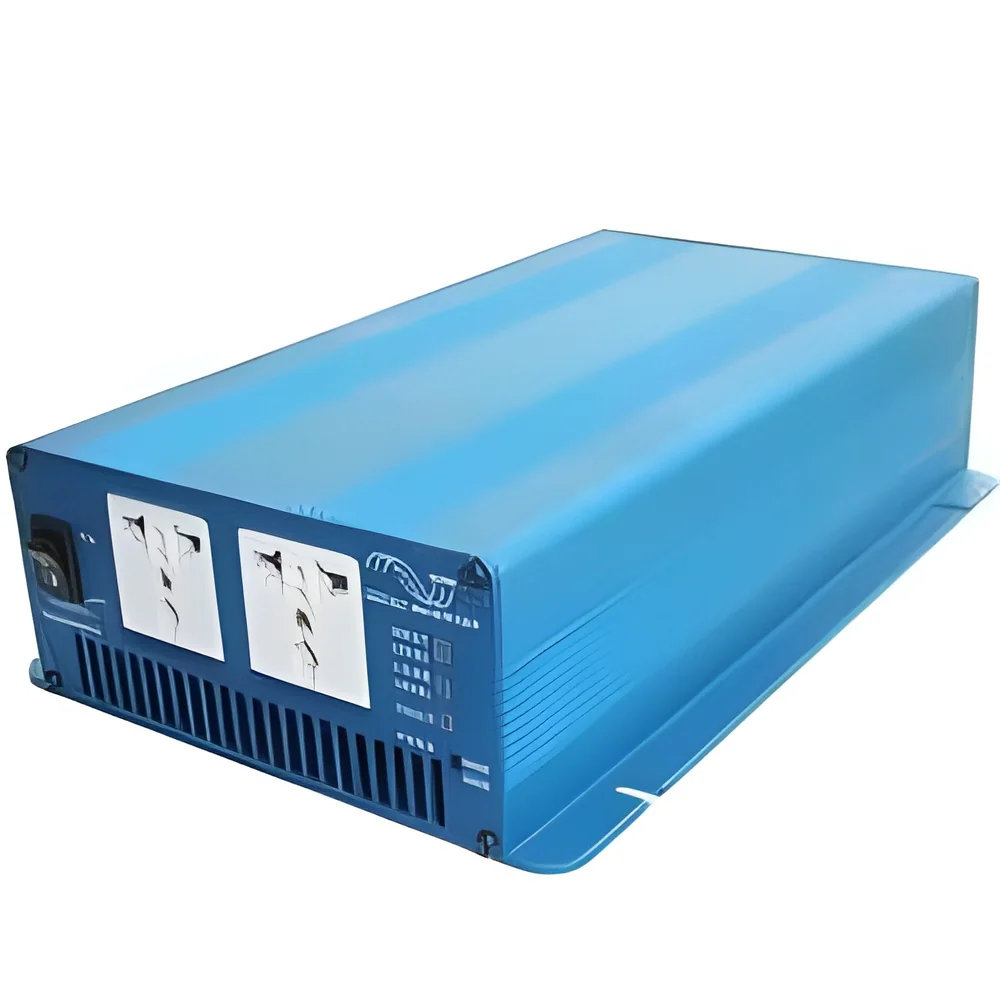
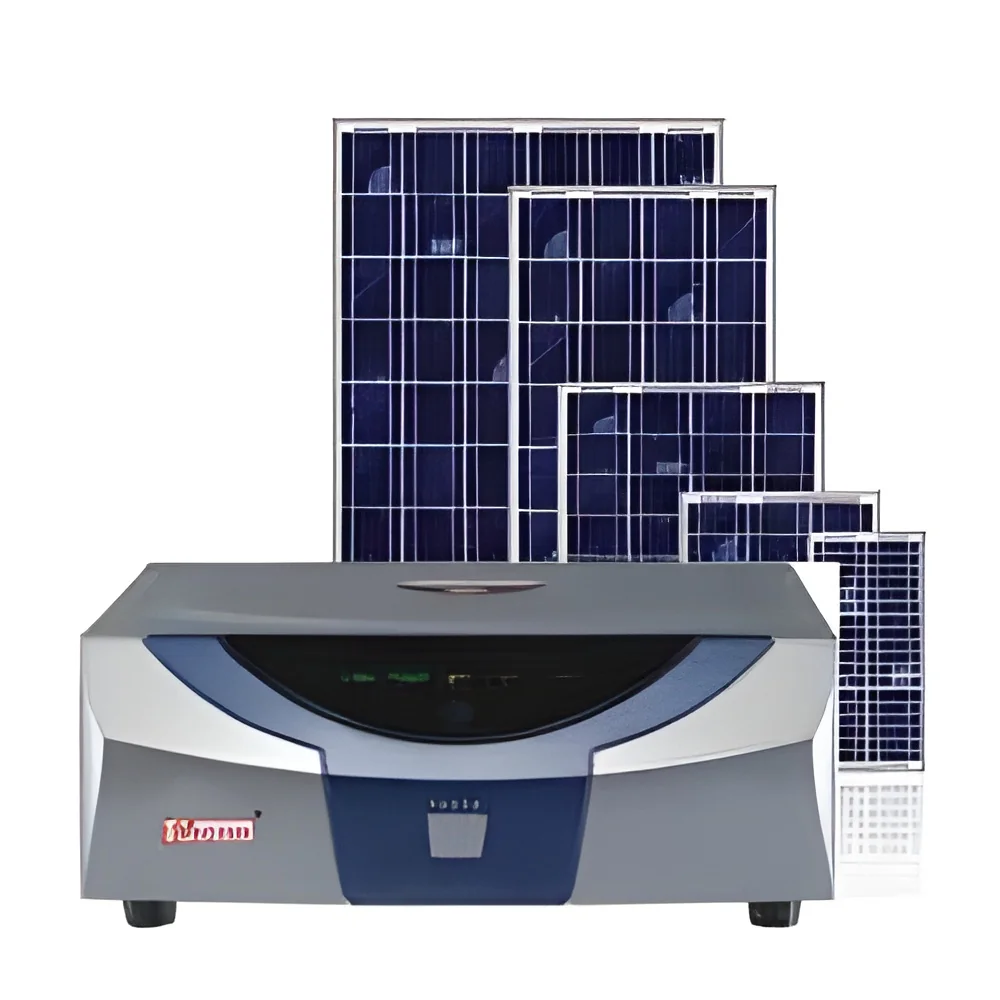
Industrial solar inverters are engineered specifically for demanding commercial and industrial energy requirements, providing reliable conversion of solar DC power to usable AC electricity with high efficiency ratings. These units incorporate advanced maximum power point tracking (MPPT) technology to optimize energy harvest from solar panels, ensuring maximum output even under varying sunlight conditions. Built with industrial-grade components and protective enclosures, they withstand harsh environmental factors including temperature fluctuations, dust, and moisture. The inverters feature comprehensive monitoring capabilities and safety protections against overloads, short circuits, and voltage irregularities, delivering consistent performance that industrial operations depend on for daily productivity.

These solar inverters are deployed across numerous industries where reliable power conversion directly impacts operational efficiency and cost management. Manufacturing facilities util...
Industrial solar inverters are engineered specifically for demanding commercial and industrial energy requirements, providing reliable conversion of solar DC power to usable AC electricity with high efficiency ratings. These units incorporate advanced maximum power point tracking (MPPT) technology to optimize energy harvest from solar panels, ensuring maximum output even under varying sunlight conditions. Built with industrial-grade components and protective enclosures, they withstand harsh environmental factors including temperature fluctuations, dust, and moisture. The inverters feature comprehensive monitoring capabilities and safety protections against overloads, short circuits, and voltage irregularities, delivering consistent performance that industrial operations depend on for daily productivity.

These solar inverters are deployed across numerous industries where reliable power conversion directly impacts operational efficiency and cost management. Manufacturing facilities utilize them to power machinery, production lines, and lighting systems while reducing grid electricity consumption. Commercial buildings integrate them into energy systems to lower operational costs and provide backup power for essential functions. The agricultural sector employs these inverters for irrigation systems, processing equipment, and storage facilities in remote locations. Telecommunications companies rely on them to maintain continuous operation of towers and network equipment, while utilities incorporate them into microgrids and distributed energy resources to enhance grid stability and renewable integration.

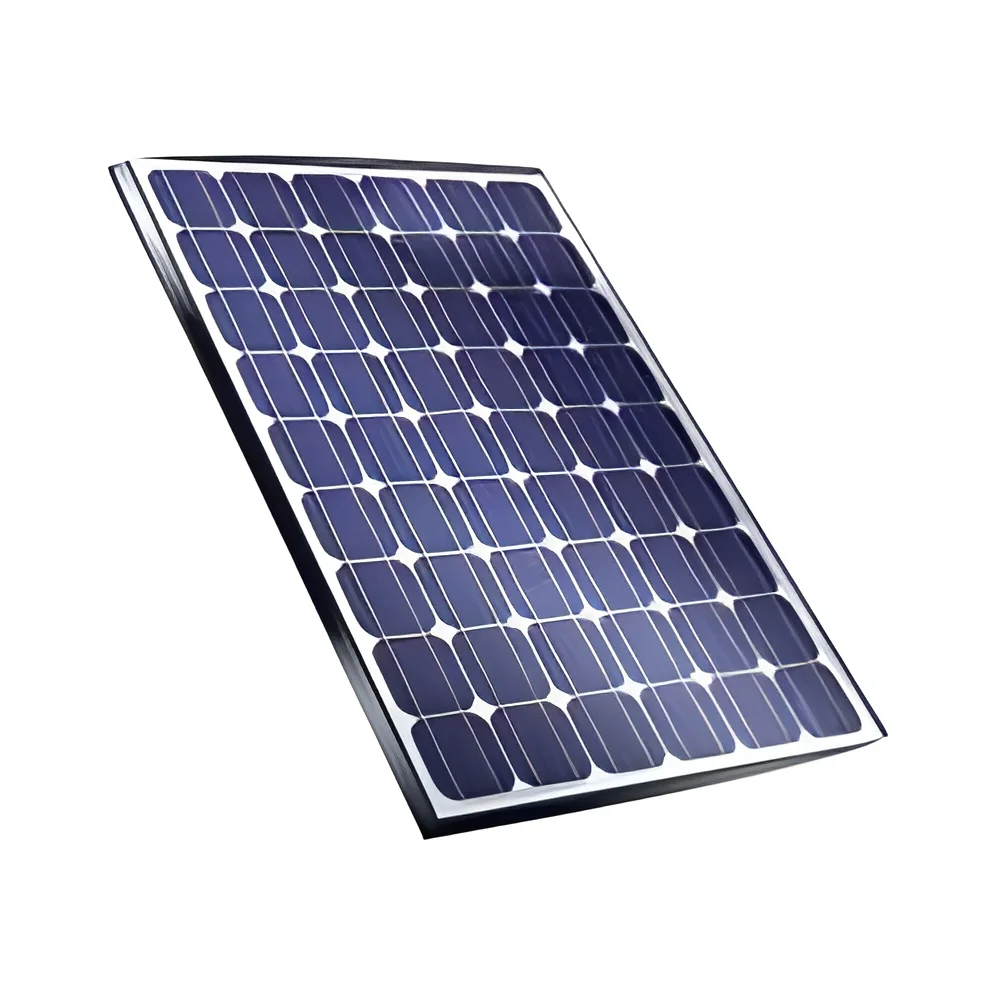
The business value of industrial solar inverters lies in their ability to deliver reliable power conversion with minimal operational disruption, reducing energy costs while increasing energy independence. Their robust construction ensures long service life with minimal maintenance requirements, providing excellent return on investment through reduced electricity bills and lower total cost of ownership. These invertors are designed to meet international safety and performance standards, giving buyers confidence in product quality and reliability. Their compatibility with various battery technologies and solar panel configurations allows for flexible system design tailored to specific energy needs, making them suitable for both new installations and upgrades to existing solar power systems.

Key Features:
- High-efficiency power conversion with advanced MPPT technology for maximum energy harvest
- Robust industrial-grade construction with protective enclosures for harsh environments
- Comprehensive safety protections including overload, short circuit, and temperature safeguards
- Compatibility with various battery technologies and solar panel configurations
- Integrated monitoring systems with remote management capabilities

Benefits:
- Reliable power conversion ensures consistent energy supply for critical operations
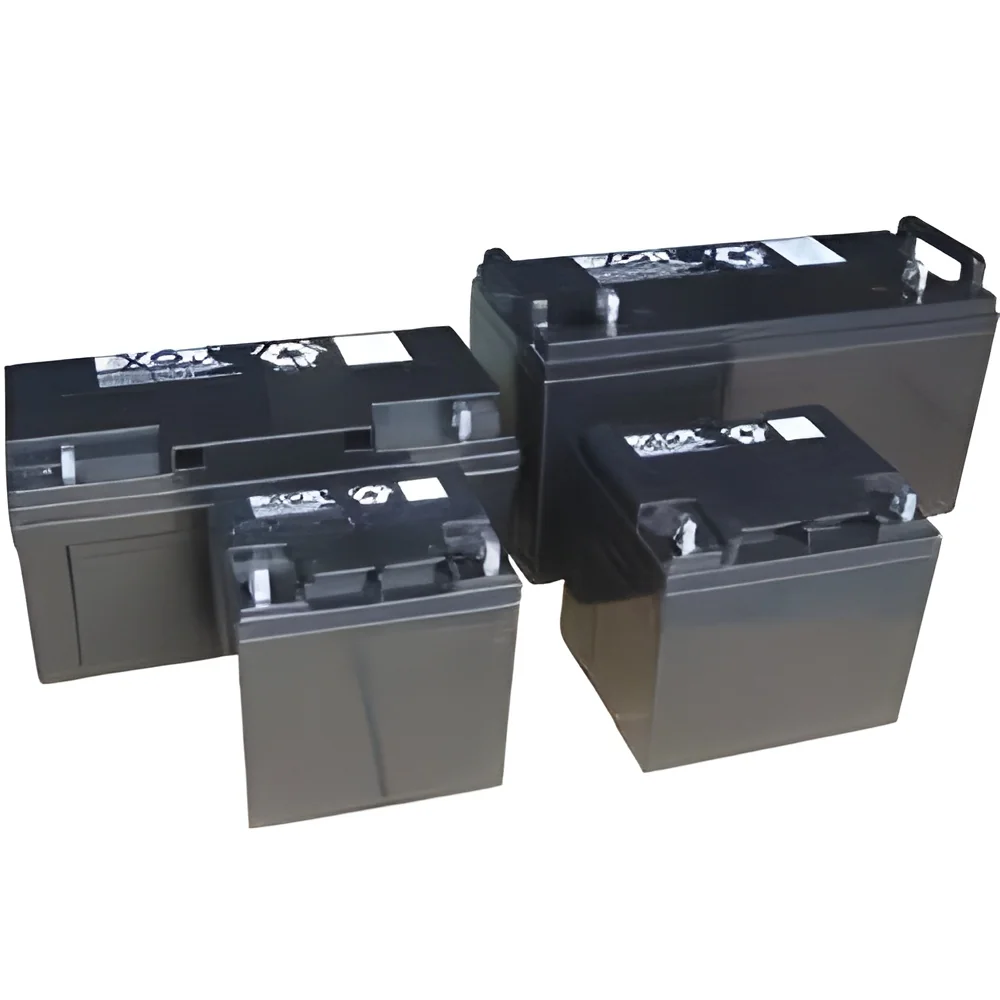
- High battery backup capacity maintains operations during grid outages
- Reduced electricity costs through efficient solar energy utilization
- Durable construction minimizes maintenance requirements and extends product lifespan
- Flexible integration with existing energy systems and various equipment types
Specifications
| Additional Information | |
|---|---|
| Country of Origin | India |
Application
These industrial-grade solar inverters efficiently convert solar energy into reliable AC power, ensuring operational continuity for energy-intensive environments. They reduce electricity costs while providing stable backup power during grid outages, supporting sustainable energy initiatives across various sectors. Built with robust components, these inverters handle heavy loads consistently and integrate seamlessly with existing solar installations and battery banks. Their design prioritizes durability in challenging conditions, making them suitable for locations where power reliability directly impacts productivity and safety.
Industrial solar inverters serve critical roles in maintaining uninterrupted operations where power consistency is essential. They enable businesses to leverage solar energy effectively while securing backup power for essential systems, reducing dependence on traditional grid electricity. This capability is vital for operations that cannot afford downtime, from manufacturing processes to essential services that require constant energy availability.
- Ensuring continuous power for manufacturing equipment, assembly lines, and industrial automation systems
- Providing reliable electricity for commercial facilities including offices, shopping centers, and healthcare institutions
- Supporting off-grid solar installations in remote industrial sites, mining operations, and agricultural facilities
- Maintaining uptime for critical infrastructure like telecommunications towers, data centers, and security systems
- Powering water treatment plants, cold storage facilities, and other utilities requiring consistent energy supply
Trade Details
| Available Stock | In Stock |
| Sample Availability | No |
Payment Terms
| Payment Terms |
|
Company Profile
Wavestech Systems, Tamil Nadu
 Tamil Nadu, India
Tamil Nadu, IndiaElectronics & Electrical•Manufacturer•Trading Company•Distributor / Wholesaler
Factory Details
Factory SizeBelow 1000 sqm
Annual Production Capacity0
Main Markets
South Asia
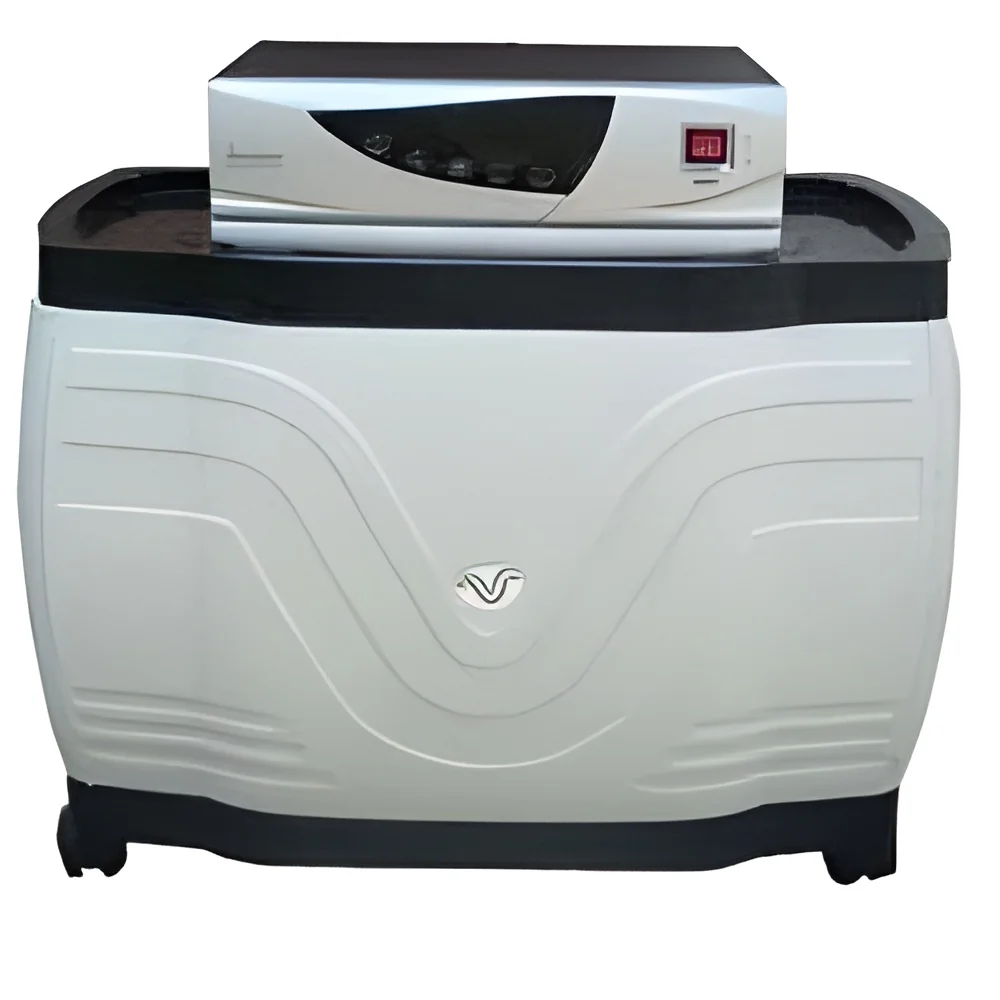
Industrial Solar Inverters For Reliable Power Conversion And High Battery Backup
Industrial solar inverters provide reliable power conversion and high battery backup for commercial energy systems, delivering efficient performance and durable operation across demanding applications.
Min. Order Quantity: 1 unit
Shipping
Shipping fee and delivery date to be negotiated. Contact supplier now for more details.
Wavestech Systems
 Tamil Nadu, India
Tamil Nadu, IndiaElectronics & ElectricalManufacturer