IN
IN₹
Apparel & Fashion
Description
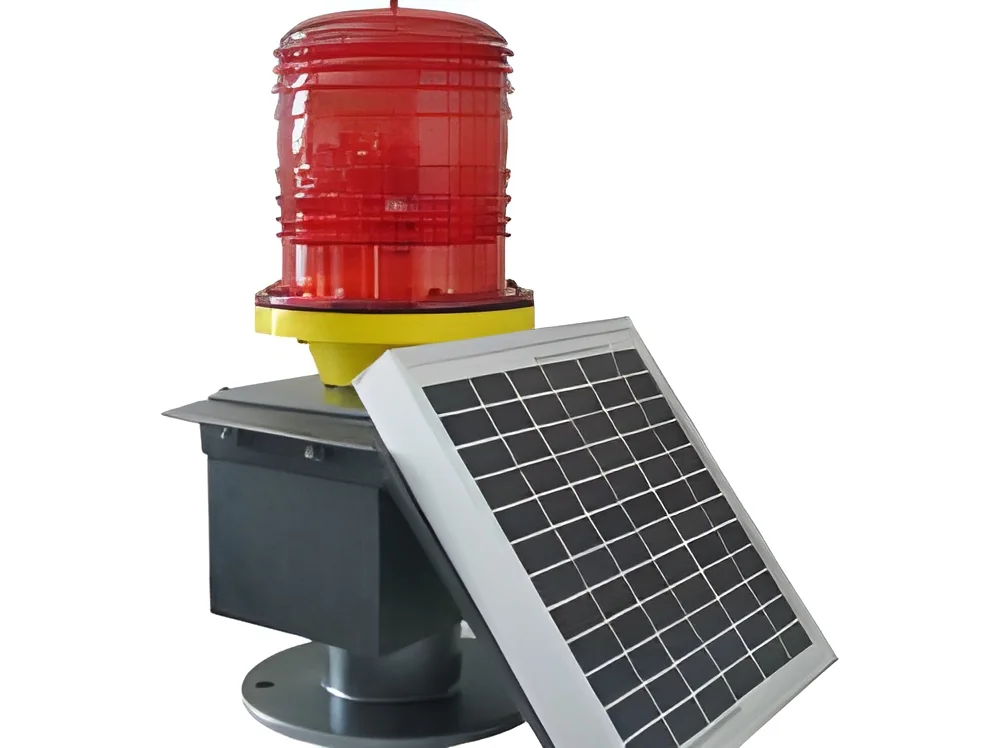
Solar aviation obstruction lights represent advanced safety technology for tall structures, providing essential visibility for aircraft navigation without grid electricity dependency. These self-sustaining units harness solar energy through integrated photovoltaic panels, storing power in high-capacity batteries for continuous operation through night hours and cloudy conditions. Engineered with precision optics, they deliver sharp, high-intensity illumination that meets international aviation safety standards. The complete independence from external power sources makes them particularly valuable for remote installations while maintaining consistent performance across various environmental conditions. Their robust construction ensures durability against weather elements, from intense sunlight to heavy rainfall, providing reliable service year after year with minimal maintenance requirements.

These obstruction lights serve critical roles across multiple industries where tall structures ...
Solar aviation obstruction lights represent advanced safety technology for tall structures, providing essential visibility for aircraft navigation without grid electricity dependency. These self-sustaining units harness solar energy through integrated photovoltaic panels, storing power in high-capacity batteries for continuous operation through night hours and cloudy conditions. Engineered with precision optics, they deliver sharp, high-intensity illumination that meets international aviation safety standards. The complete independence from external power sources makes them particularly valuable for remote installations while maintaining consistent performance across various environmental conditions. Their robust construction ensures durability against weather elements, from intense sunlight to heavy rainfall, providing reliable service year after year with minimal maintenance requirements.

These obstruction lights serve critical roles across multiple industries where tall structures pose potential hazards to air navigation. The telecommunications sector extensively uses them on cell towers and transmission masts, especially in rural areas where power infrastructure is limited. Wind energy companies install them on turbine nacelles and blades to mark entire wind farms for aerial visibility. Construction and real estate industries utilize them on skyscrapers, cranes, and high-rise buildings during both construction and operational phases. Industrial plants employ them on smokestacks, silos, and processing towers, while transportation infrastructure projects use them on bridges, power line pylons, and airport structures. Each application demands reliable, autonomous operation that these solar-powered lights deliver effectively.

The operational value of solar aviation obstruction lights extends beyond basic compliance with safety regulations. These units offer significant cost savings by eliminating electricity bills and reducing maintenance frequency compared to wired alternatives. Their quick deployment capability minimizes installation costs, especially in remote or difficult-to-access locations where running power lines would be prohibitively expensive. The reliability of solar technology ensures uninterrupted operation, reducing liability risks associated with light failures. For distributors and importers, these products represent high-margin items with recurring business potential through replacement parts and maintenance services. The quality construction and dependable performance create long-term value for infrastructure projects requiring permanent aerial safety solutions.

Key Features:
- Self-powered operation using integrated solar panels and battery systems
- High-intensity illumination meeting international aviation standards
- Weather-resistant construction for durability in harsh environments
- Low maintenance design with long-lasting LED technology
- Reliable performance across varying weather conditions

Benefits:
- Eliminates electricity costs with self-sufficient solar operation
- Reduces maintenance requirements and associated labor costs
- Ensures compliance with aviation safety regulations worldwide
- Provides reliable operation in remote or off-grid locations
- Offers long-term durability and consistent performance
Specifications
| Additional Information | |
|---|---|
| Country of Origin | India |
Application
Solar aviation obstruction lights deliver essential aerial visibility for tall structures where traditional power sources are unavailable or impractical. These self-sufficient units operate continuously through integrated solar panels and battery systems, providing reliable safety signaling both day and night. Their autonomous operation makes them ideal for remote locations while maintaining consistent performance across varying weather conditions and geographical areas.
These obstruction lights serve multiple industries requiring dependable aerial marking solutions. Telecommunications companies utilize them for cell towers and transmission masts, particularly in rural or mountainous regions. Construction firms install them on high-rise buildings and cranes during development phases. Energy companies deploy them across wind farms and power infrastructure, while industrial plants use them for smokestacks and processing towers near flight paths.
- Marking telecommunication towers and transmission masts for aircraft safety
- Illuminating wind turbines and wind farm installations
- Providing visibility for skyscrapers and high-rise buildings
- Securing industrial chimneys and manufacturing facility structures
- Ensuring safety for bridges and power line infrastructure
Trade Details
| Available Stock | In Stock |
| Sample Availability | No |
Payment Terms
| Payment Terms |
|
Company Profile
Chopra Lighting, Karnataka
 Karnataka, India
Karnataka, IndiaHome & Lifestyle•Trading Company•Distributor / Wholesaler
Factory Details
Factory SizeBelow 1000 sqm
Annual Production Capacity0
Main Markets
Domestic
Solar Aviation Obstruction Lights For Towers And High Rise Buildings
Solar aviation obstruction lights provide reliable self-powered visibility for towers and high-rise buildings. These high-performance lights ensure aviation safety compliance with sharp illumination and cost-effective operation for various structures.
Min. Order Quantity: 1 unit
Shipping
Shipping fee and delivery date to be negotiated. Contact supplier now for more details.
Chopra Lighting
 Karnataka, India
Karnataka, IndiaHome & LifestyleTrading Company