IN
₹
Apparel & Fashion
Description
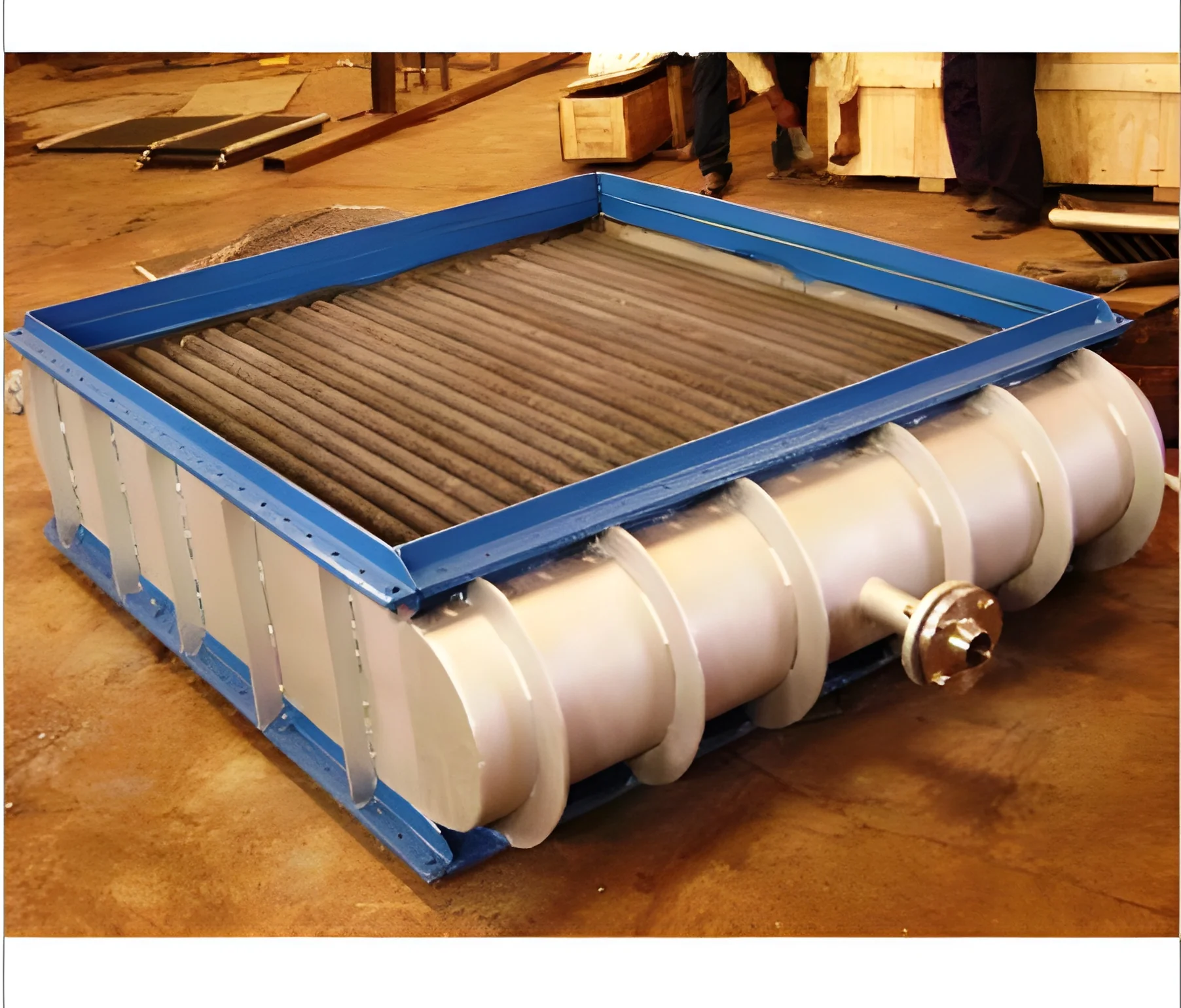
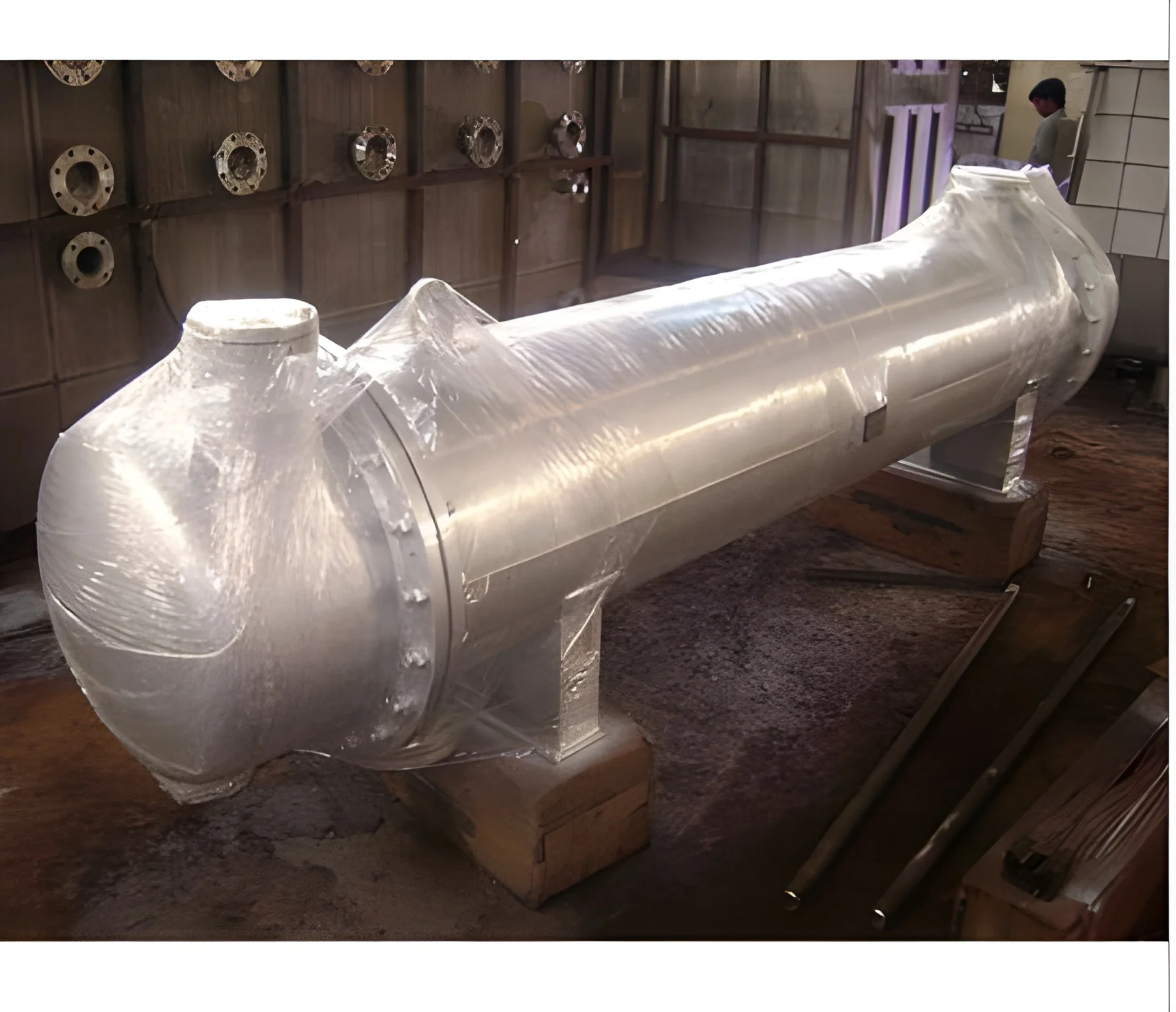
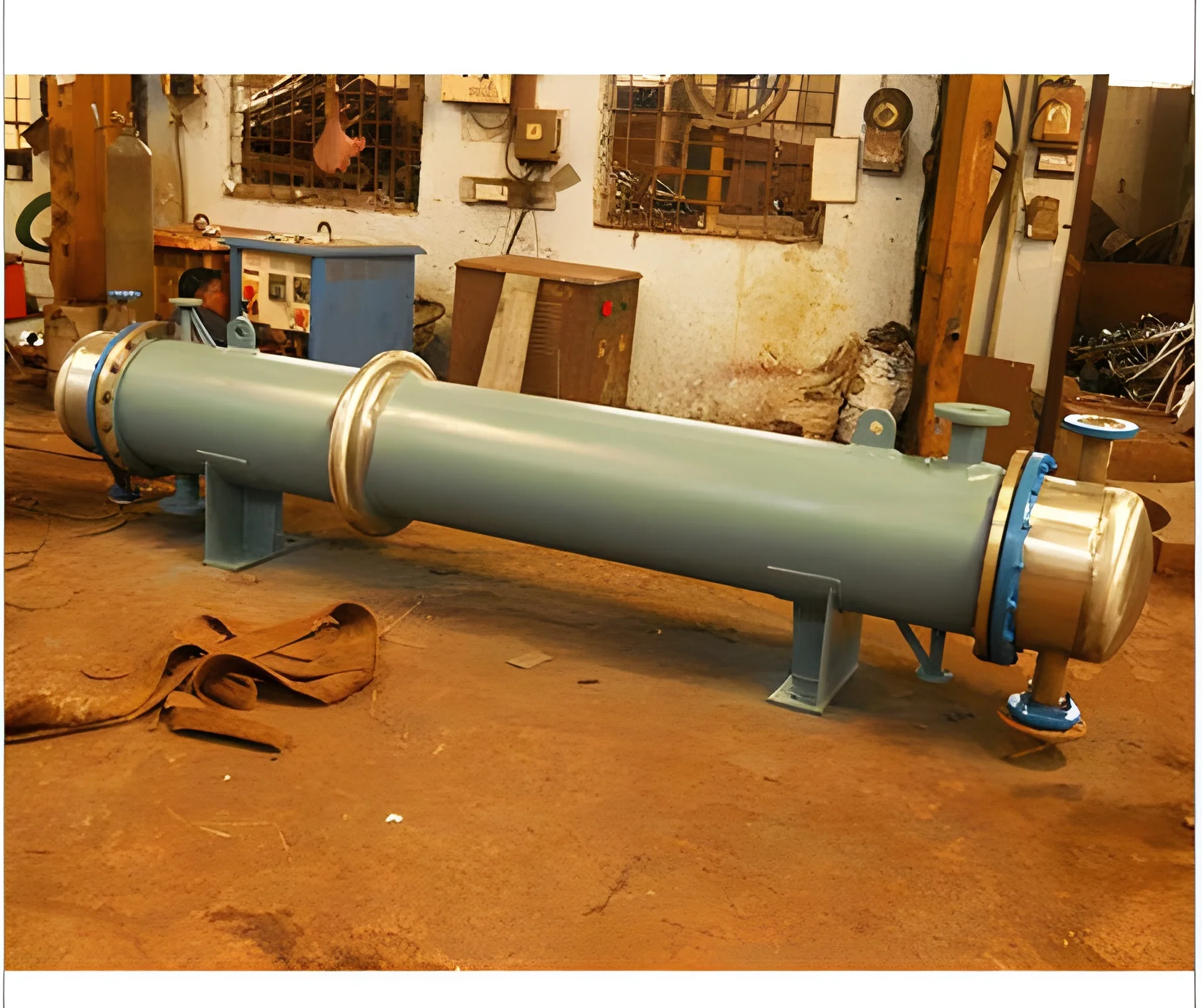
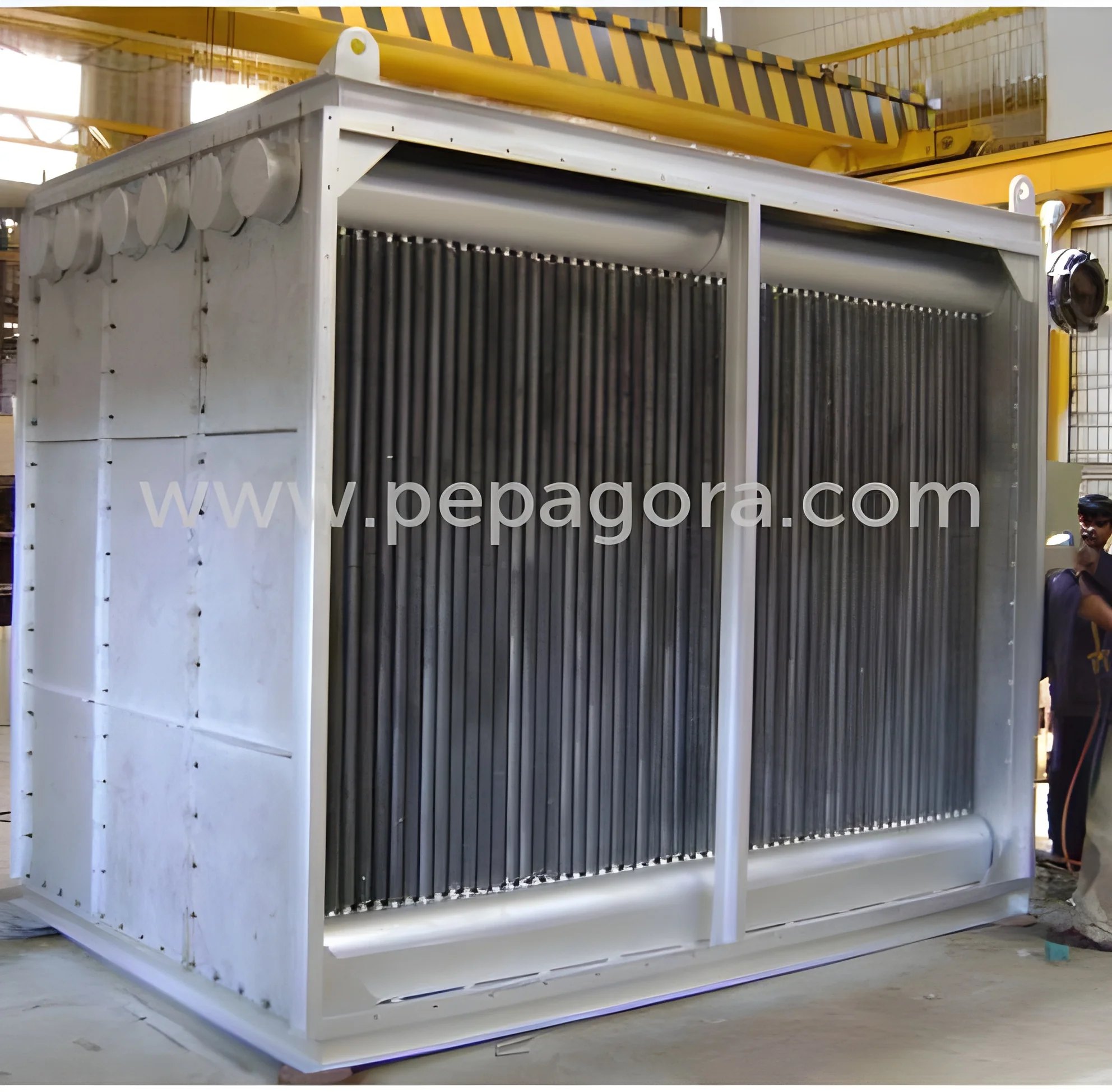
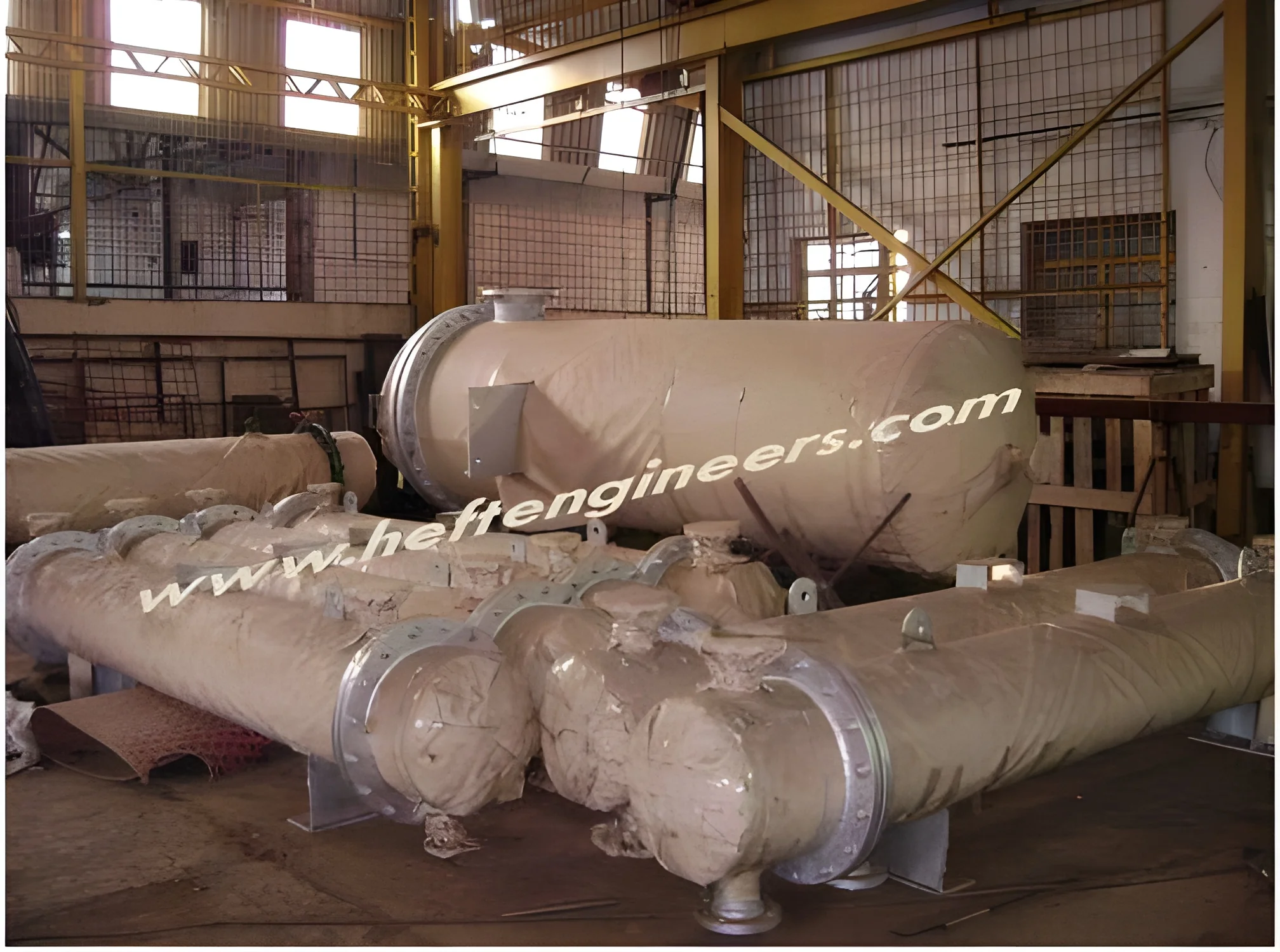
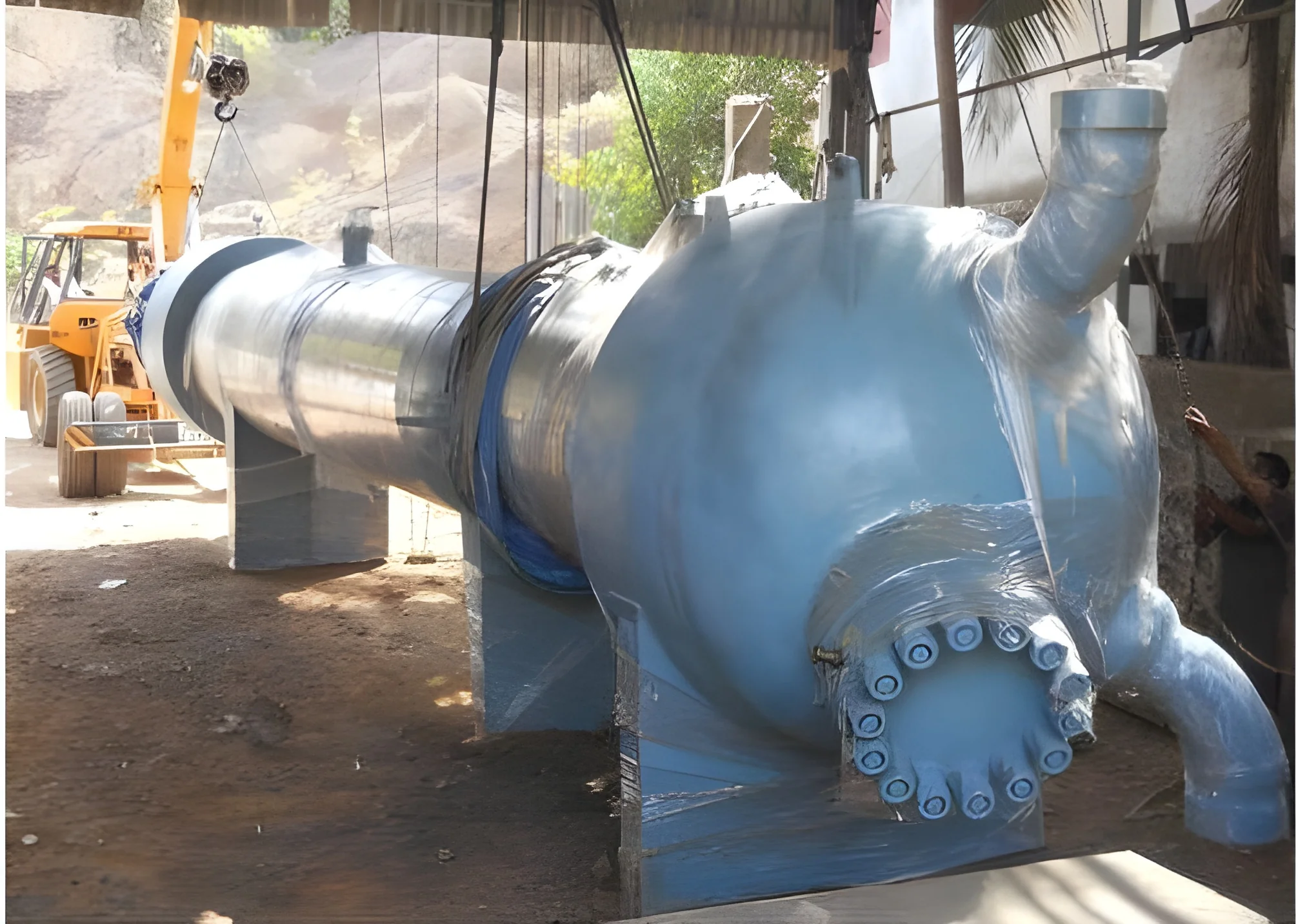
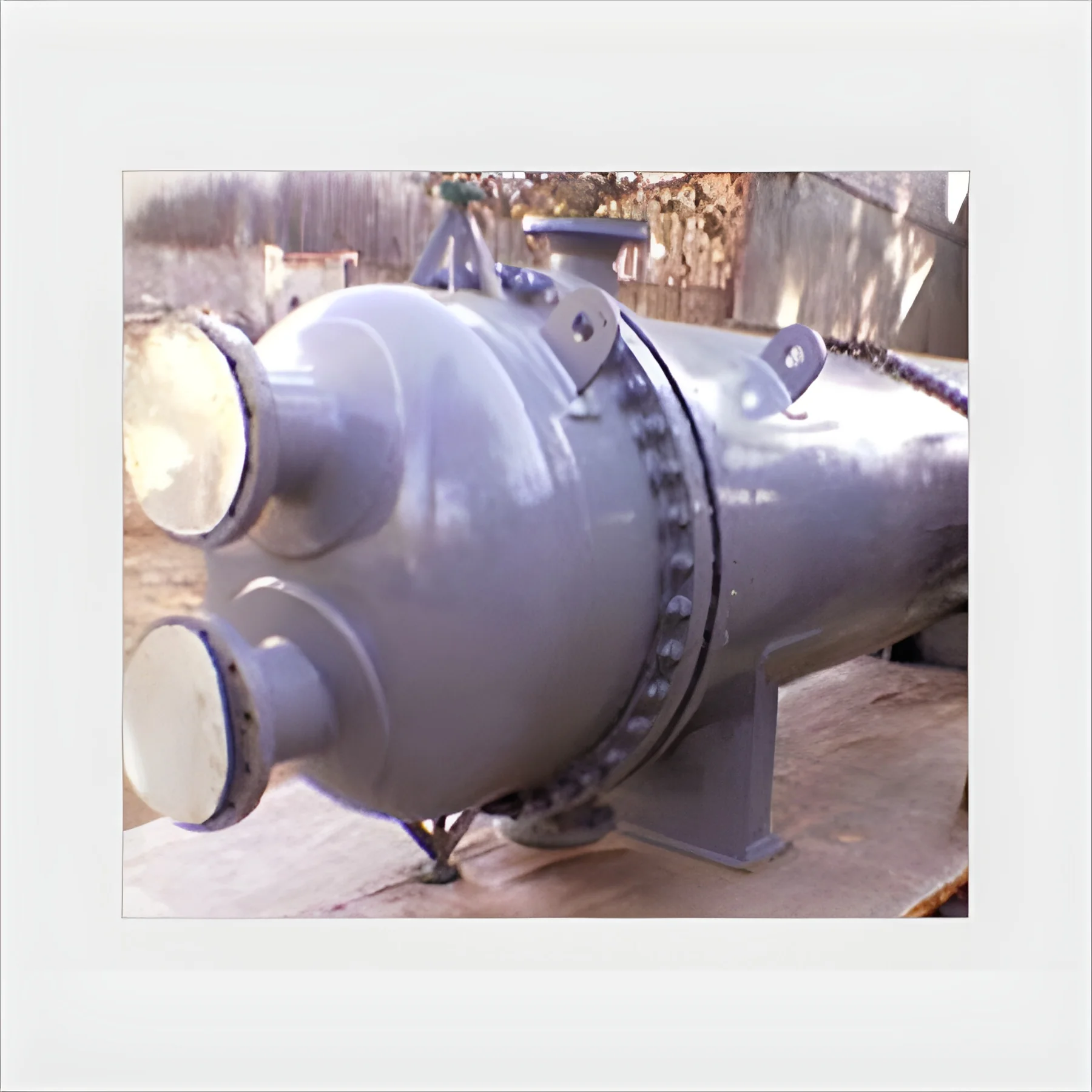
Our industrial shell and tube heat exchangers represent precision engineering for demanding thermal management applications. Manufactured to strict ASME and TEMA standards, these units ensure optimal performance, safety compliance, and long service life in high-pressure environments. Available in diameters from 2 inches OD to several meters, they accommodate both straight and U-tube bundle configurations with single or multiple pass arrangements. Constructed from high-grade materials including stainless steel, carbon steel, Hastelloy, Inconel, and other weldable alloys, our heat exchangers operate efficiently across moderate to high pressure and temperature ranges. The four primary designs—fixed tube sheet, full through floating-head, split-ring floating-head, and bayonet tube—provide flexibility for various operational requirements and process conditions.

These thermal management units serve critical functions across multiple industries where precise temperature control is essential....
Our industrial shell and tube heat exchangers represent precision engineering for demanding thermal management applications. Manufactured to strict ASME and TEMA standards, these units ensure optimal performance, safety compliance, and long service life in high-pressure environments. Available in diameters from 2 inches OD to several meters, they accommodate both straight and U-tube bundle configurations with single or multiple pass arrangements. Constructed from high-grade materials including stainless steel, carbon steel, Hastelloy, Inconel, and other weldable alloys, our heat exchangers operate efficiently across moderate to high pressure and temperature ranges. The four primary designs—fixed tube sheet, full through floating-head, split-ring floating-head, and bayonet tube—provide flexibility for various operational requirements and process conditions.

These thermal management units serve critical functions across multiple industries where precise temperature control is essential. In chemical processing plants, they facilitate reactor temperature regulation and product condensation while handling corrosive materials. Power generation facilities utilize them for turbine lube oil cooling and feedwater heating systems. HVAC installations incorporate them for large-scale building climate control, while oil refineries rely on them for crude oil heating and product cooling processes. The pharmaceutical and food processing sectors value them for applications requiring high purity standards and sanitary conditions. Their versatile design makes them suitable for virtually any industrial process involving heat transfer between liquids, gases, or vapors under challenging operational parameters.

The operational value of our shell and tube heat exchangers lies in their proven reliability, design flexibility, and long-term efficiency. Engineered for durability and minimal maintenance requirements, they significantly reduce operational downtime while maximizing heat transfer performance. Compliance with international standards ensures regulatory acceptance and safety compliance across global markets. The availability of various materials and configurations allows for perfect adaptation to specific process requirements, whether handling corrosive fluids, high-pressure operations, or specialized thermal duties. This combination of quality construction, design versatility, and operational reliability delivers exceptional return on investment through energy savings, reduced maintenance costs, and extended equipment service life in demanding industrial environments.

Key Features:
- Manufactured to ASME and TEMA standards ensuring quality and safety compliance
- Available in multiple designs: fixed tube sheet, floating-head, split-ring, and bayonet tube
- Constructed from various materials including stainless steel, carbon steel, Hastelloy, and Inconel
- Sizes range from 2 inches OD to several meters with single or multiple pass options
- Operates efficiently in moderate to high pressure and temperature environments

Benefits:
- Enhanced operational reliability and reduced maintenance requirements
- Improved energy efficiency and heat transfer performance
- Compliance with international standards for global market acceptance
- Versatile design options for specific application requirements
- Long service life and durability in challenging industrial conditions
Specifications
| Additional Information | |
|---|---|
| Country of Origin | India |
Application
Shell and tube heat exchangers provide robust thermal management solutions for demanding industrial processes. Their ASME TEMA compliant construction ensures reliable performance under high pressure and temperature conditions, making them ideal for chemical plants, power generation facilities, and large-scale HVAC systems. The availability of multiple designs and material options allows for precise adaptation to specific operational requirements across various industries.
These heat exchangers support efficient heat transfer between liquids, gases, and vapors in challenging environments. With configurations including fixed tube sheet, floating head, U-tube, and bayonet designs, they accommodate single or multiple pass operations. The use of corrosion-resistant materials like Hastelloy and Inconel ensures compatibility with aggressive fluids while maintaining thermal efficiency and long-term reliability in critical applications.
- Cooling hydraulic oil and lubricants in manufacturing machinery and power generation systems
- Condensing steam and process vapors in chemical plants and refineries
- Heating crude oil and other hydrocarbons in petroleum processing facilities
- Serving as intercoolers and aftercoolers in compressed air systems and HVAC operations
- Providing temperature control in pharmaceutical production and food processing applications
Trade Details
| Available Stock | In Stock |
| Sample Availability | No |
Payment Terms
| Payment Terms |
|
Company Profile
Heft Engineers, Maharashtra
 Maharashtra, India
Industrial Equipment & Machinery•Importer / Exporter
Factory Details
Factory SizeBelow 1000 sqm
Annual Production Capacity0
Main Markets
South Asia
Industrial ASME TEMA Shell And Tube Heat Exchangers For High Pressure
Industrial ASME TEMA shell and tube heat exchangers deliver reliable high-pressure thermal management for chemical processing, power generation, and HVAC systems. Built from stainless steel, carbon steel, or exotic alloys for demanding operations.
Min. Order Quantity: 1 unit
Shipping
Shipping fee and delivery date to be negotiated. Contact supplier now for more details.
Heft Engineers
 Maharashtra, India
Industrial Equipment & MachineryImporter / Exporter