IN
IN₹
Apparel & Fashion
Description
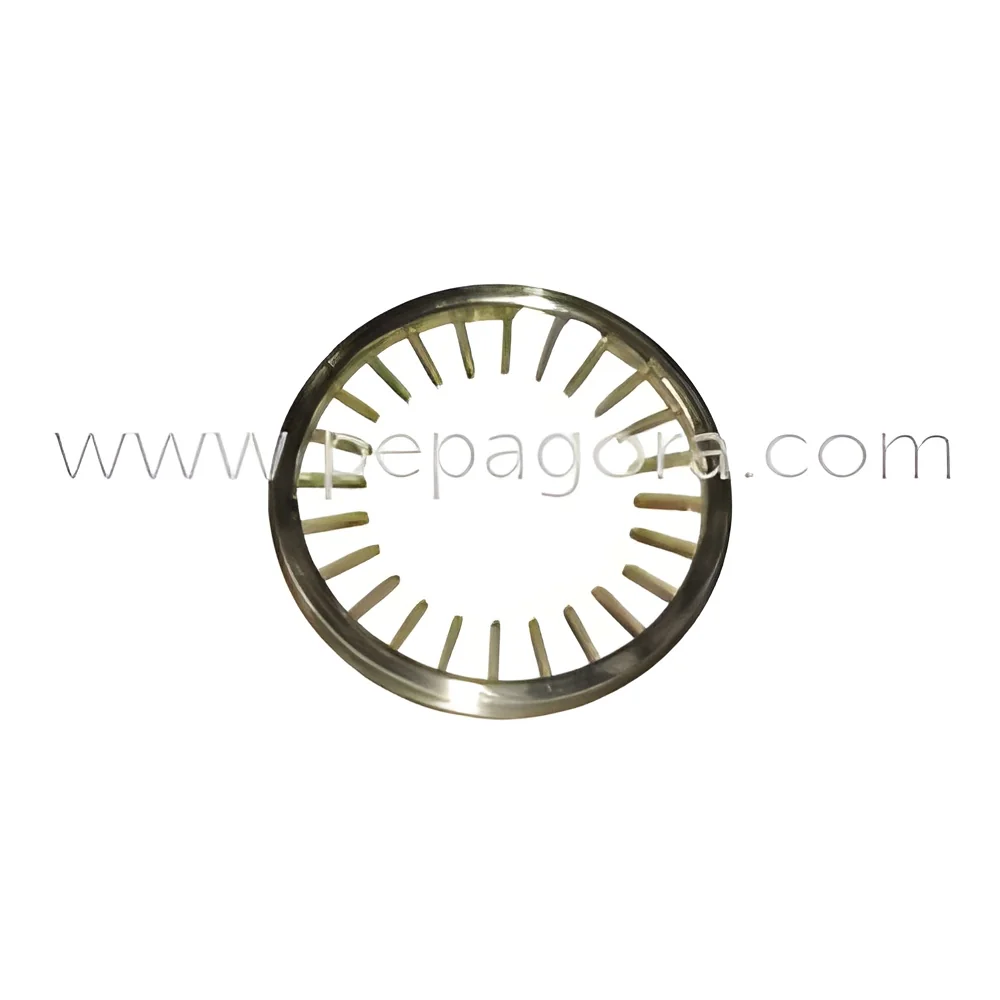
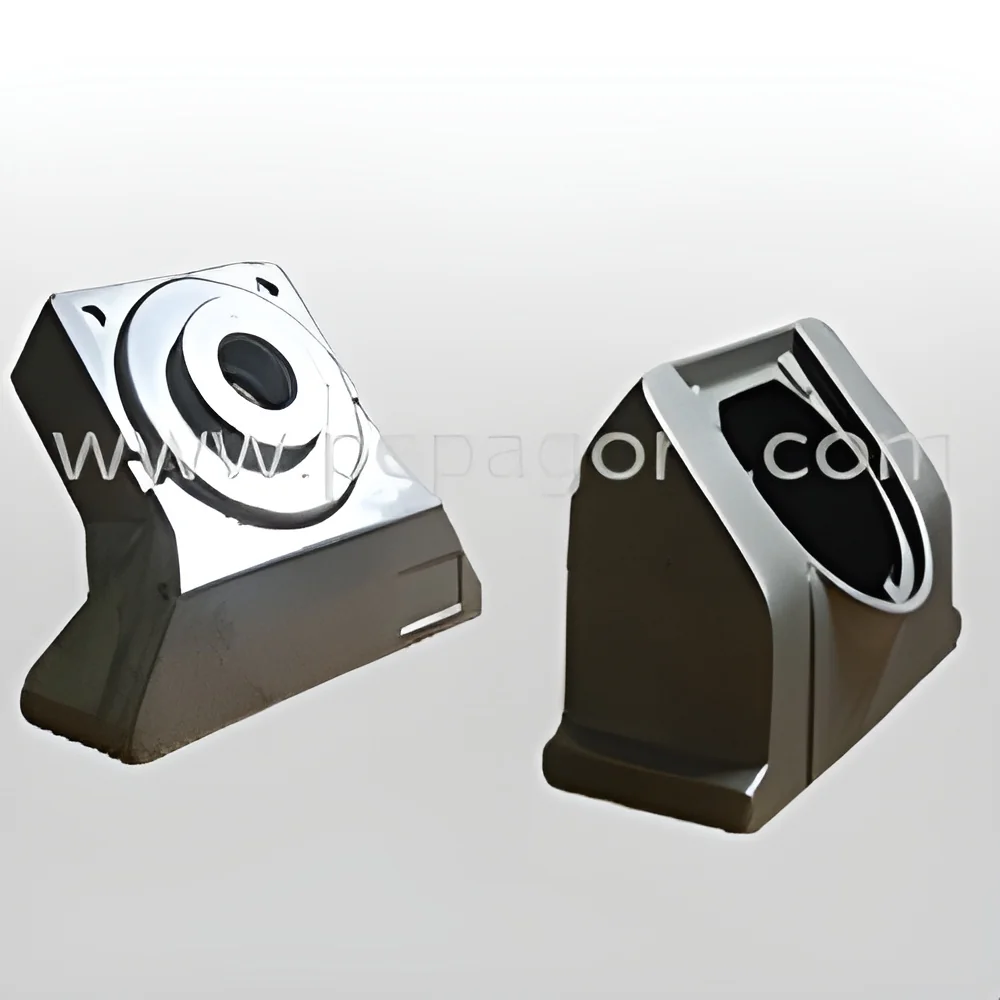
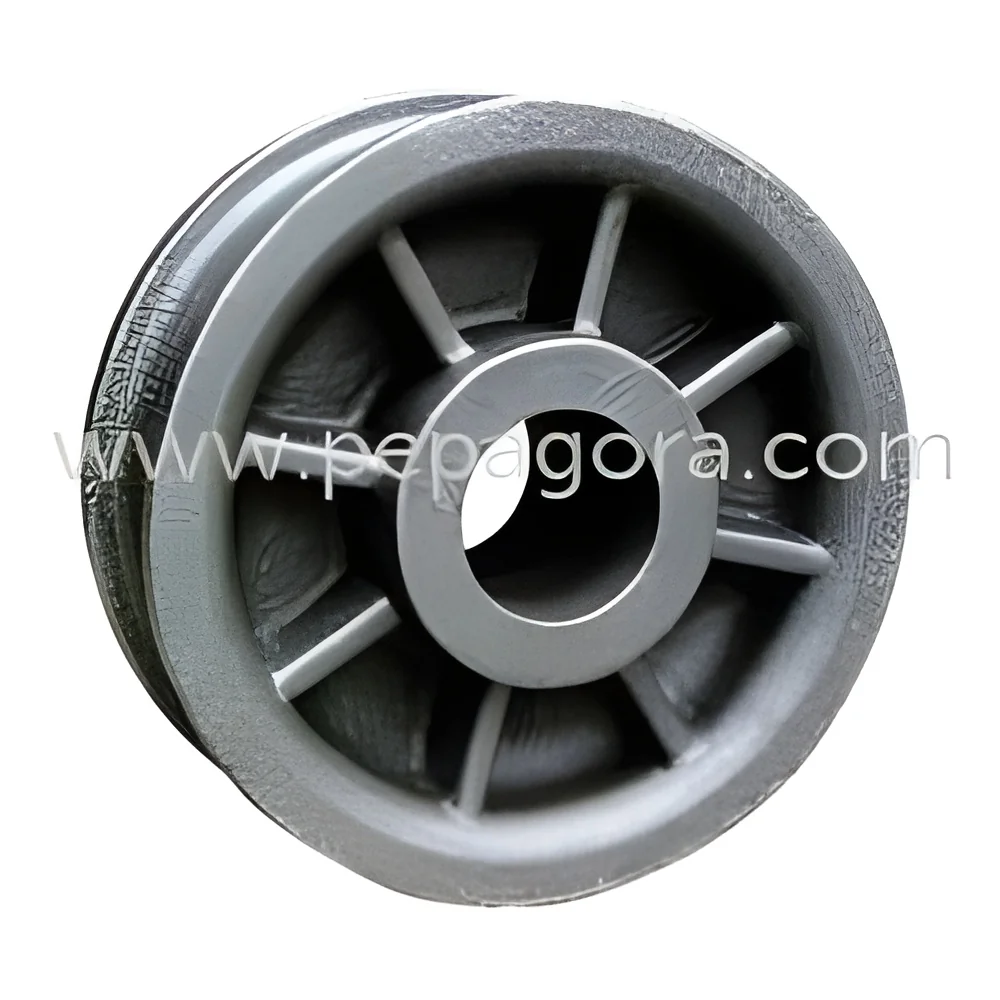
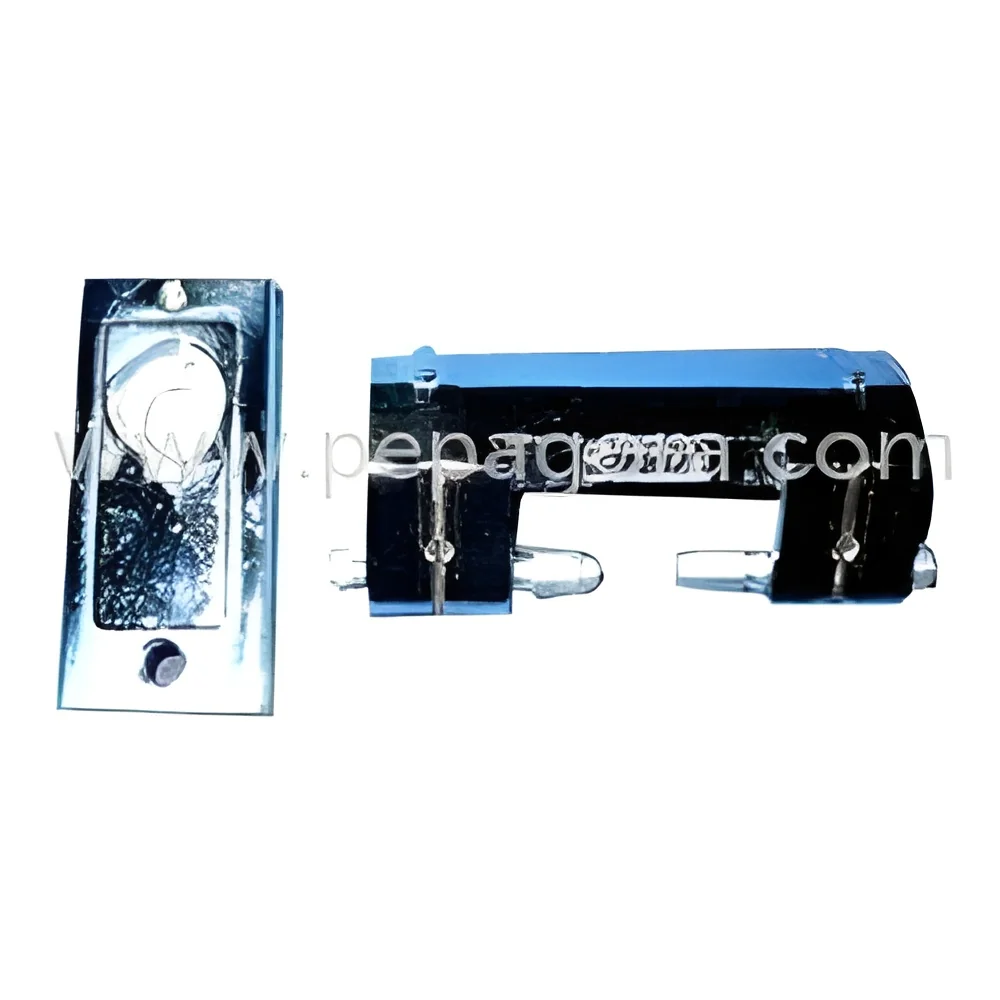
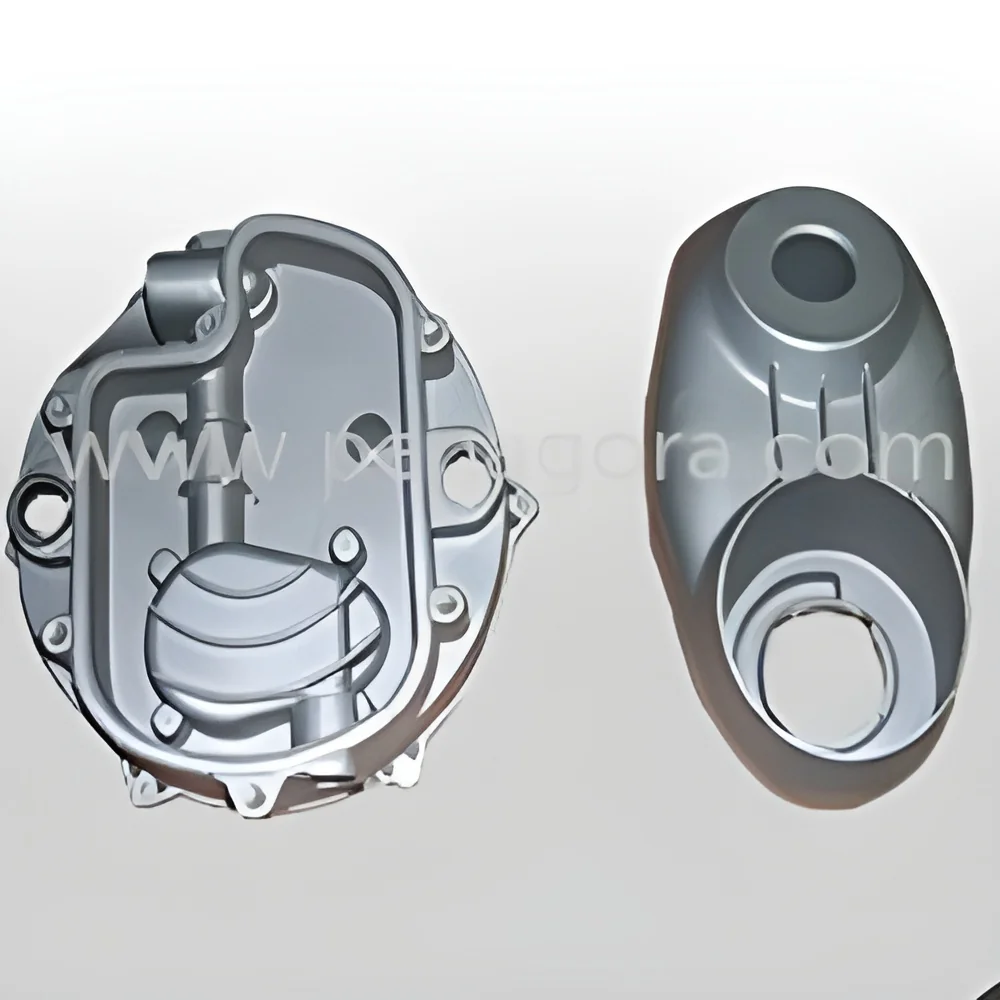
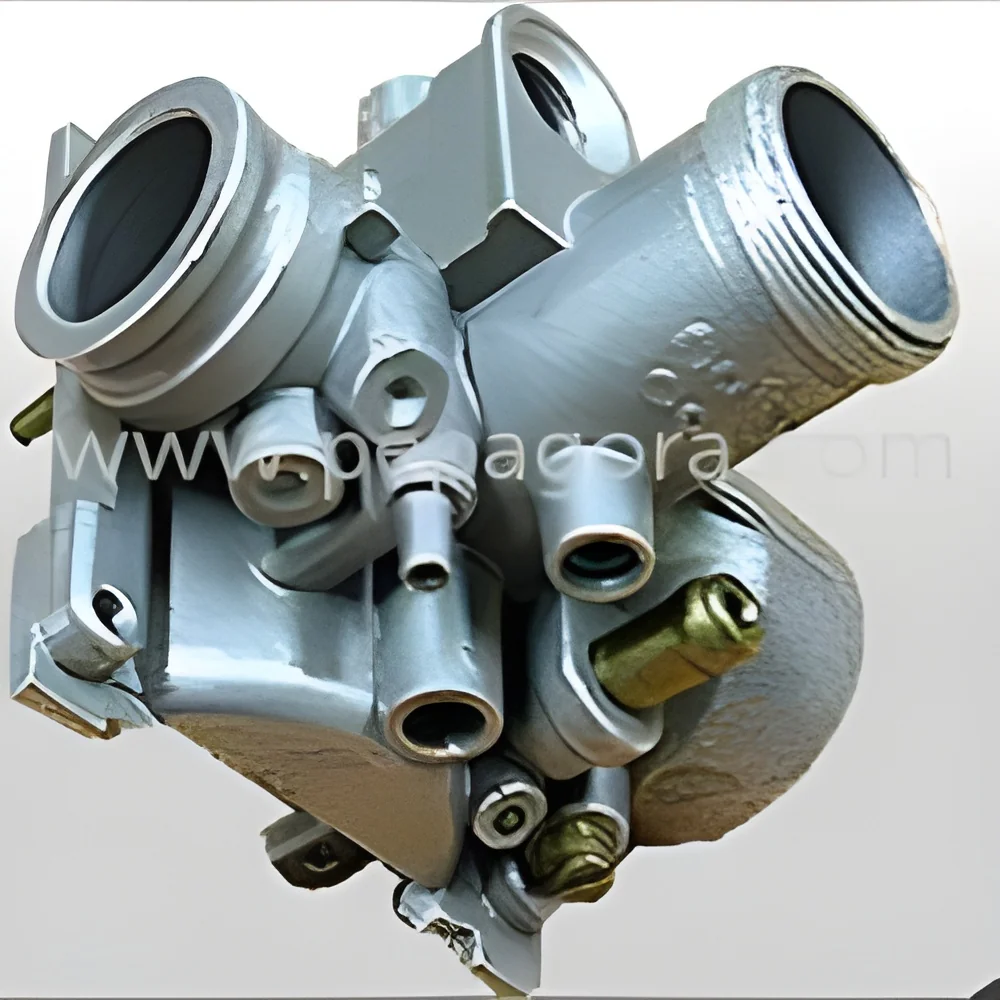
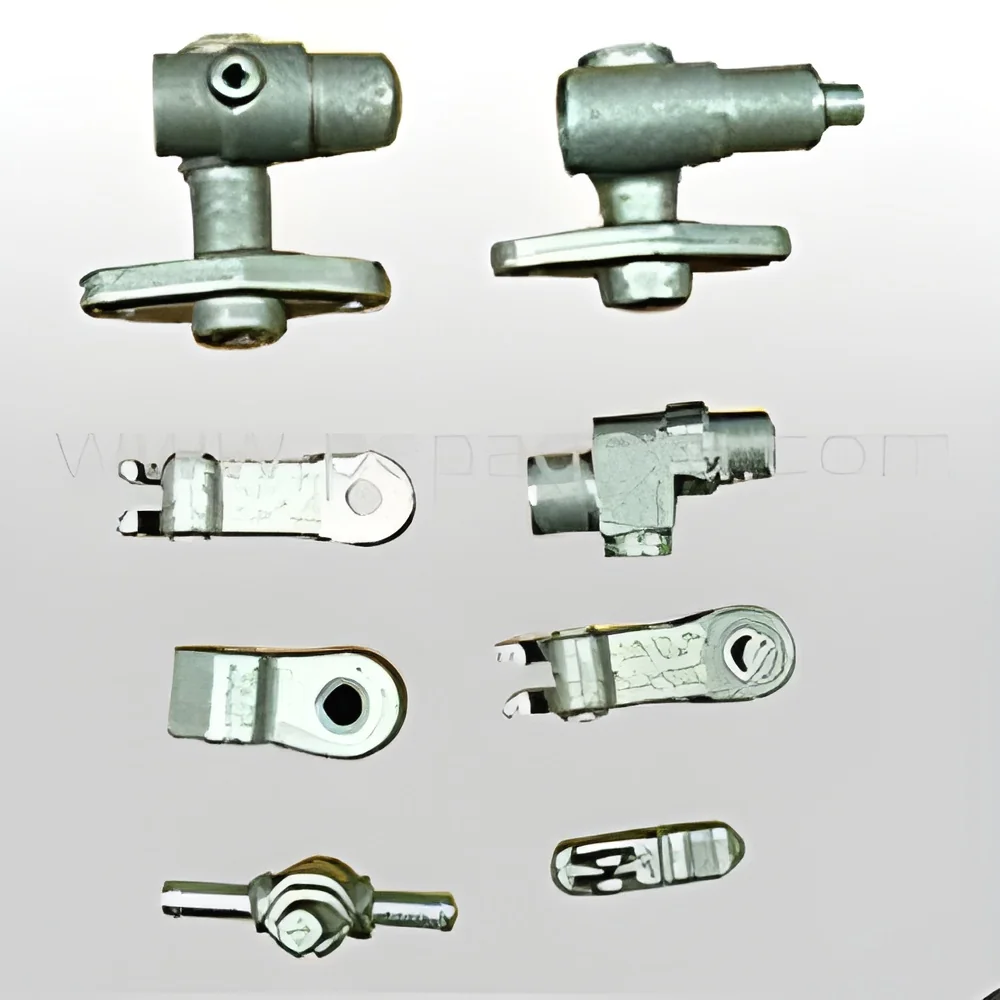
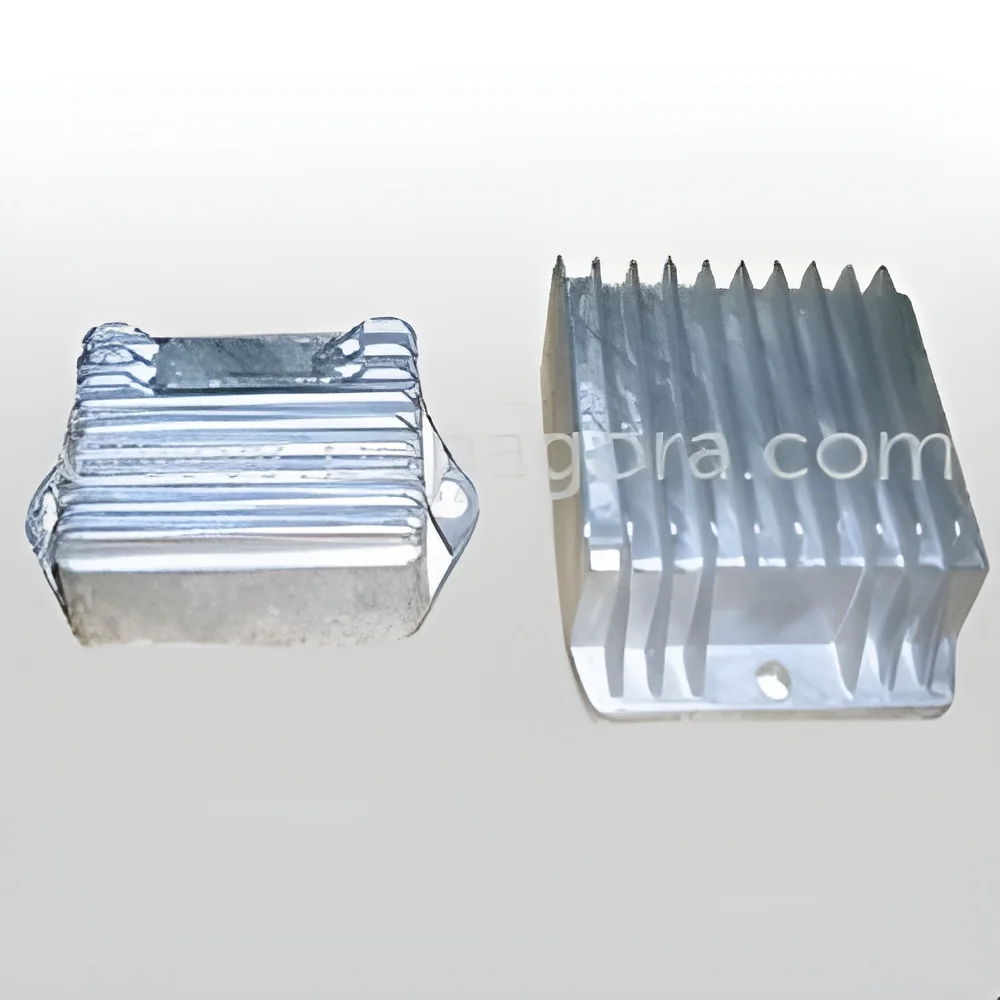
Precision aluminum castings for scientific instruments represent engineered solutions designed for demanding applications where accuracy, durability, and reliability are non-negotiable. These components undergo rigorous manufacturing processes to ensure they meet exact specifications required by advanced scientific equipment. The aluminum alloy composition provides optimal characteristics for scientific applications, including excellent dimensional stability, thermal management properties, and resistance to environmental factors. Each casting delivers consistent performance in critical measurement and analytical systems, supporting the precise operation of sophisticated instruments across various technical fields.

These aluminum castings serve vital roles across multiple industries including laboratory equipment manufacturing, medical device production, analytical instrumentation, and research system development. In laboratory settings, they form the structural foundation for sensitiv...
Precision aluminum castings for scientific instruments represent engineered solutions designed for demanding applications where accuracy, durability, and reliability are non-negotiable. These components undergo rigorous manufacturing processes to ensure they meet exact specifications required by advanced scientific equipment. The aluminum alloy composition provides optimal characteristics for scientific applications, including excellent dimensional stability, thermal management properties, and resistance to environmental factors. Each casting delivers consistent performance in critical measurement and analytical systems, supporting the precise operation of sophisticated instruments across various technical fields.

These aluminum castings serve vital roles across multiple industries including laboratory equipment manufacturing, medical device production, analytical instrumentation, and research system development. In laboratory settings, they form the structural foundation for sensitive analytical equipment where vibration resistance and thermal stability are crucial. Medical device manufacturers incorporate these components into diagnostic machines and imaging systems where precision and reliability directly impact patient outcomes. Research institutions utilize these castings in experimental apparatus and measurement devices where consistent performance under varying conditions ensures accurate data collection and analysis.

The business value of these precision aluminum castings lies in their ability to enhance equipment performance while reducing long-term operational costs. Their durability minimizes replacement frequency and maintenance requirements, providing significant cost savings over the product lifecycle. The reliable performance of these components reduces equipment downtime, ensuring continuous operation in critical applications. Manufacturers benefit from the excellent machinability of these castings, which allows for efficient production processes and faster time-to-market for finished instruments. The corrosion-resistant properties extend service life even in challenging environments, protecting investments in sophisticated equipment.

Key Features:
- Precision engineering maintaining tight tolerances for scientific applications
- High-strength aluminum alloy construction ensuring long-term durability
- Excellent thermal conductivity and dimensional stability under varying conditions
- Superior corrosion resistance suitable for laboratory and industrial environments
- Lightweight design with optimal strength-to-weight ratio for instrument frames

Benefits:
- Enhanced instrument accuracy through stable, precision-crafted components
- Reduced maintenance costs due to durable, long-lasting construction
- Improved equipment reliability in demanding operational environments
- Faster assembly and integration with excellent machinability characteristics
- Extended service life with corrosion-resistant properties protecting investment
Specifications
| Additional Information | |
|---|---|
| Country of Origin | India |
Application
These precision aluminum castings provide exceptional dimensional accuracy and structural integrity for scientific instruments requiring reliable performance in demanding environments. Their excellent machinability and stability make them ideal for critical components where precision and longevity are paramount. The castings maintain consistent quality across production runs, ensuring seamless integration into specialized equipment without compromising performance or reliability.
Manufacturers across multiple sectors utilize these aluminum castings for frames, housings, and precision parts in analytical, medical, and research equipment. The components offer superior thermal conductivity and electromagnetic shielding properties while remaining lightweight and corrosion-resistant. Industries value these castings for their ability to withstand rigorous operating conditions while maintaining exact tolerances throughout extended service life.
- Analytical instrument housings for spectrometers and chromatographs
- Precision components for medical diagnostic and laboratory equipment
- Optical measurement system mounts and structural frames
- Testing machinery enclosures and calibration instrument parts
- Research equipment components requiring strict dimensional stability
Trade Details
| Available Stock | In Stock |
| Sample Availability | No |
Payment Terms
| Payment Terms |
|
Company Profile
Alcozin Alloy Castings, Uttar Pradesh
 Uttar Pradesh, India
Uttar Pradesh, IndiaRaw Materials & Chemicals•Manufacturer•Distributor / Wholesaler•Importer / Exporter
Factory Details
Factory SizeBelow 1000 sqm
Annual Production Capacity0
Precision Aluminum Castings For Scientific Instruments Durable
Precision aluminum castings for scientific instruments deliver durable, reliable components for laboratory equipment, research devices, and industrial applications with exact specifications and superior corrosion resistance.
Min. Order Quantity: 1 unit
Shipping
Shipping fee and delivery date to be negotiated. Contact supplier now for more details.
Alcozin Alloy Castings
 Uttar Pradesh, India
Uttar Pradesh, IndiaRaw Materials & ChemicalsManufacturer