IN
₹
Apparel & Fashion
Description
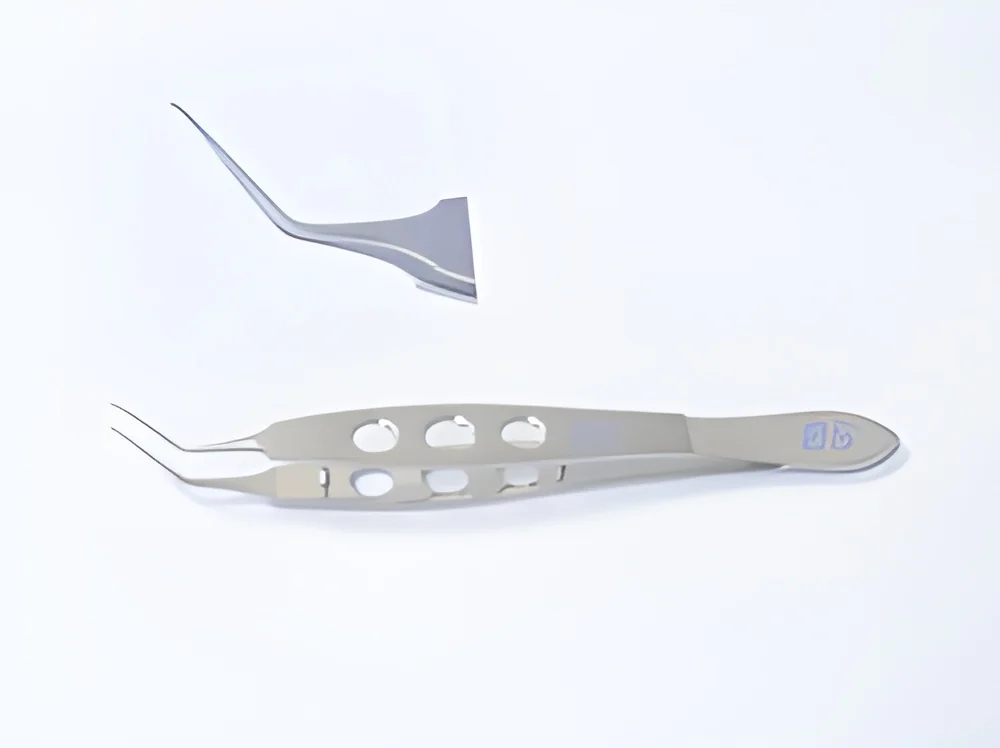
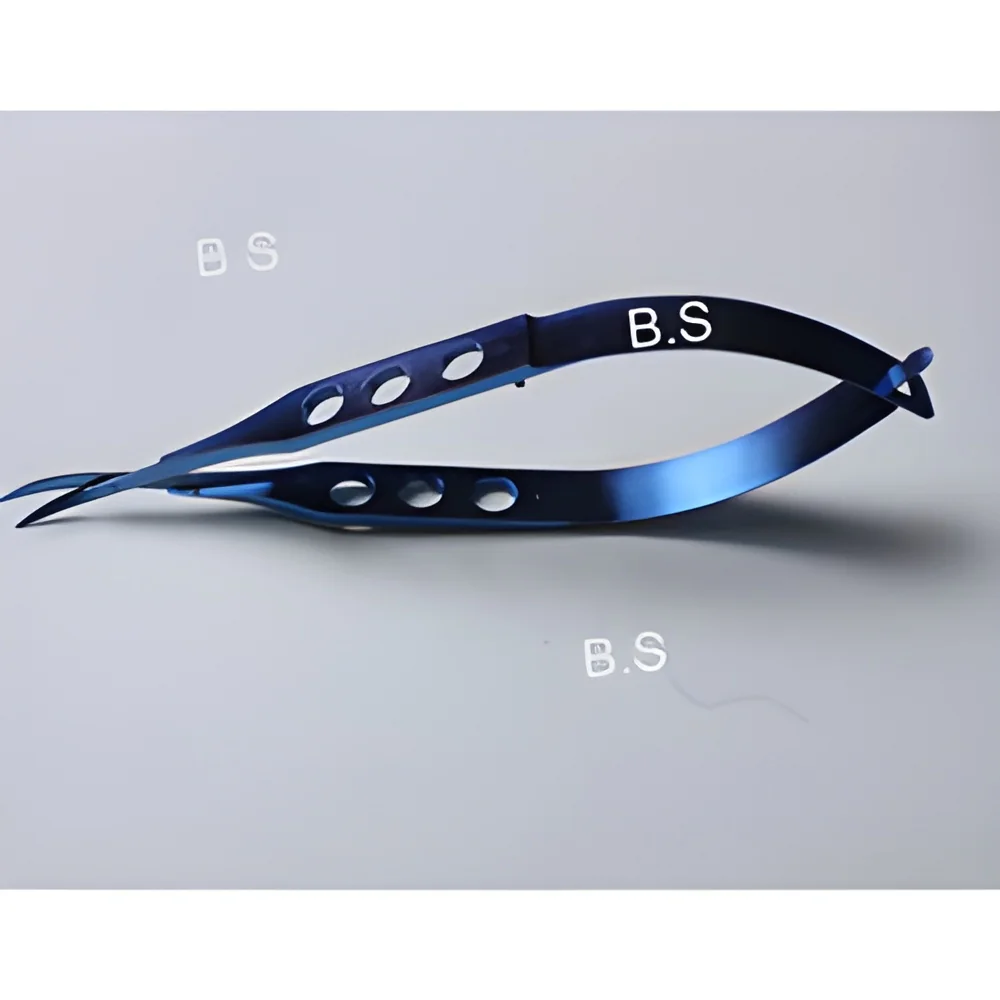
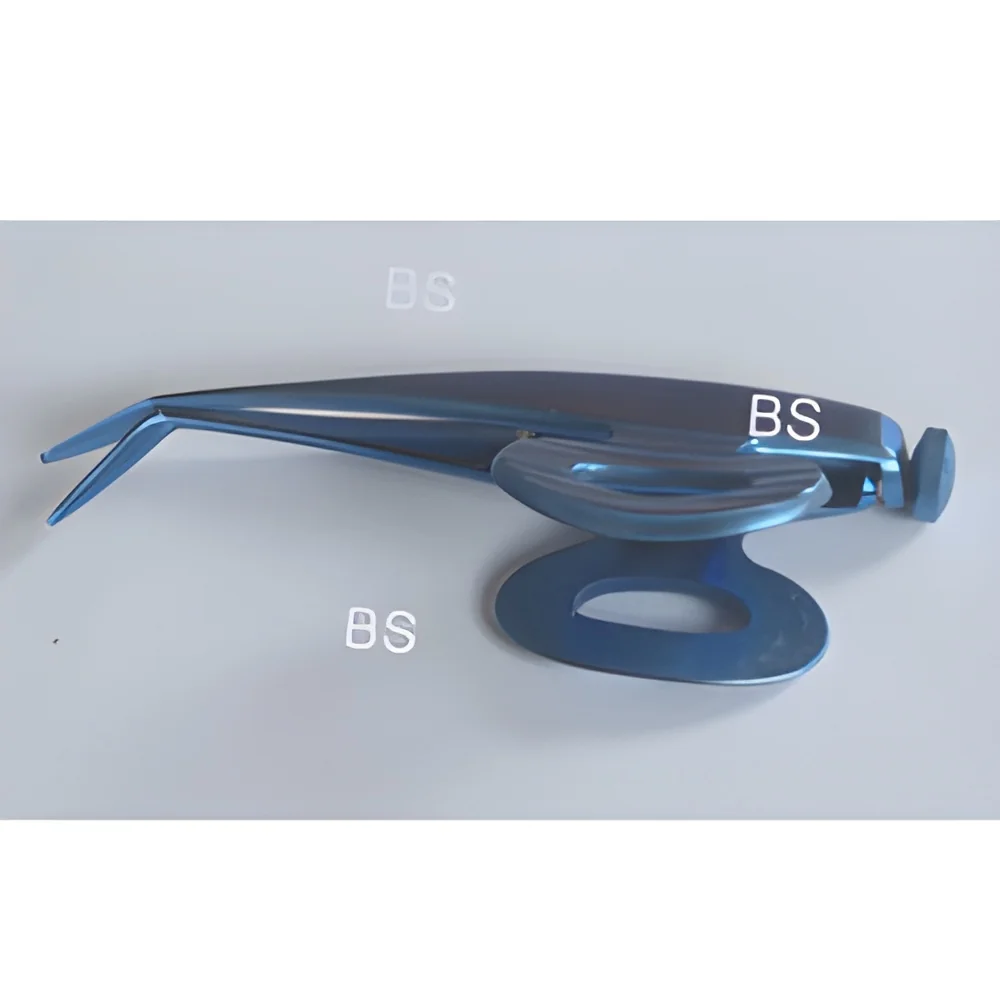
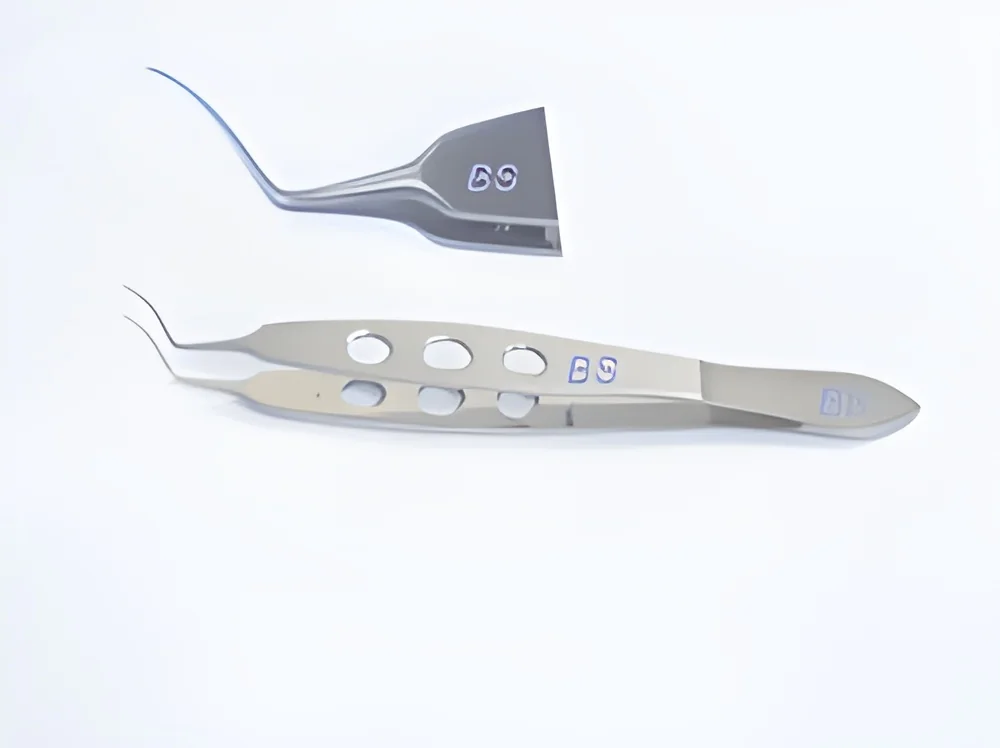
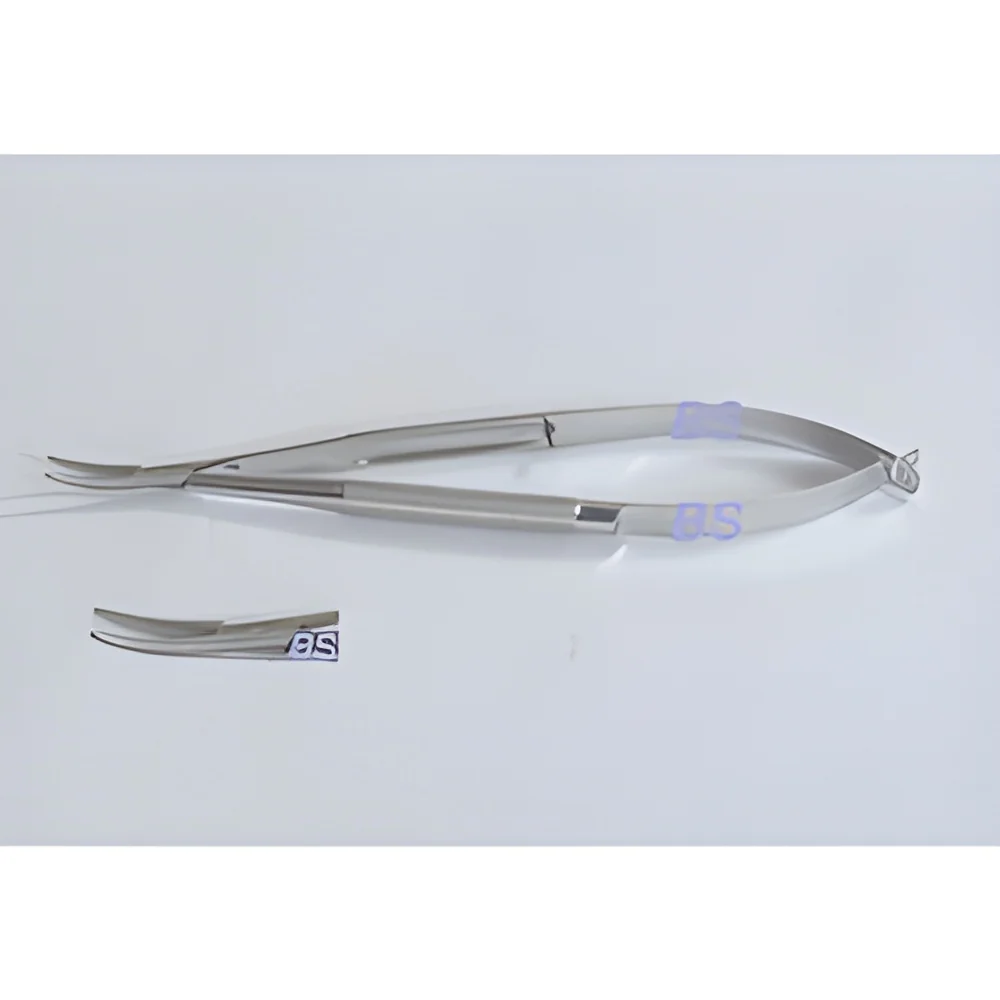
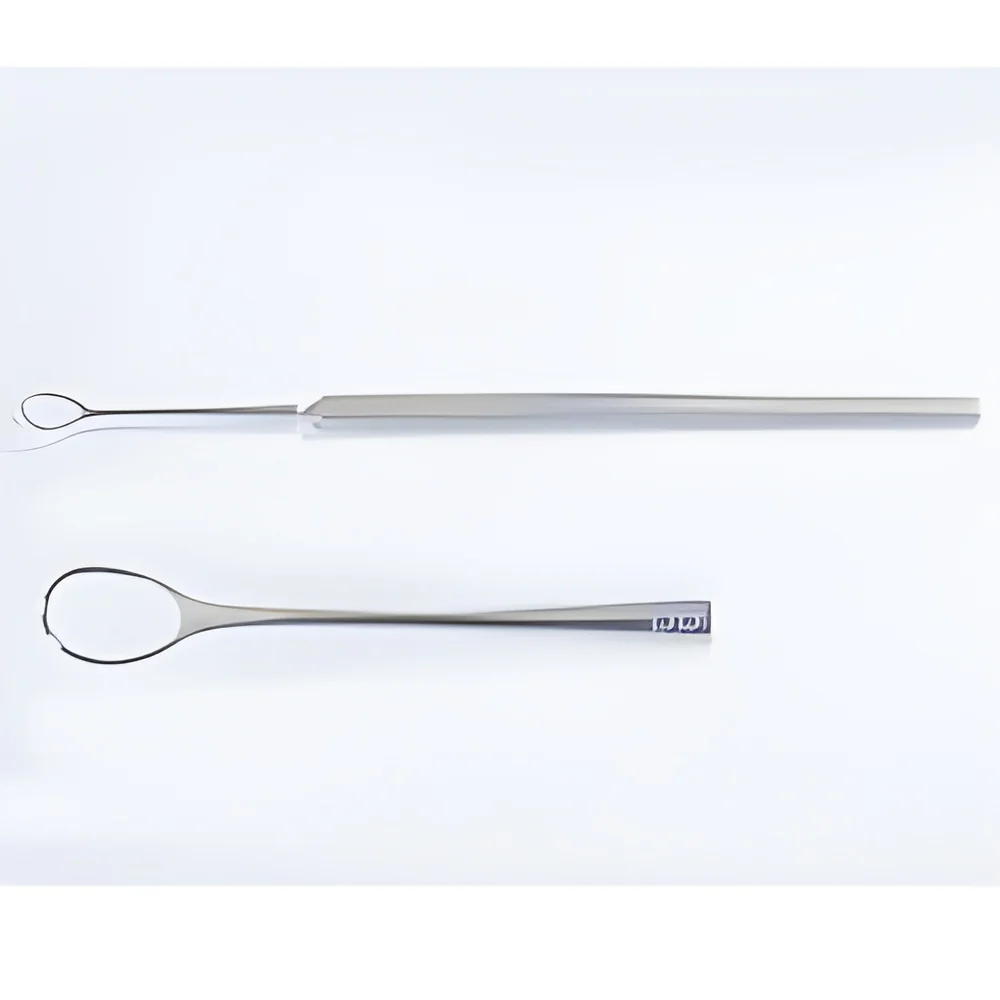
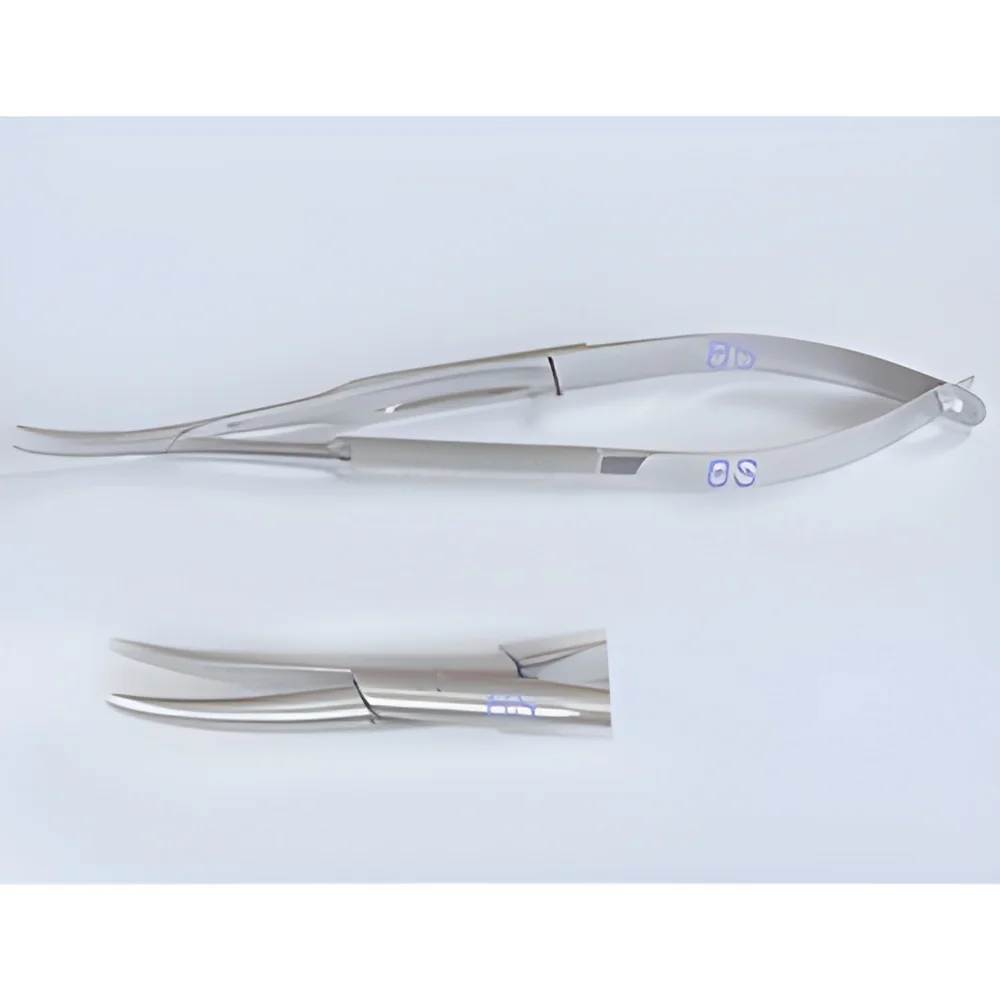
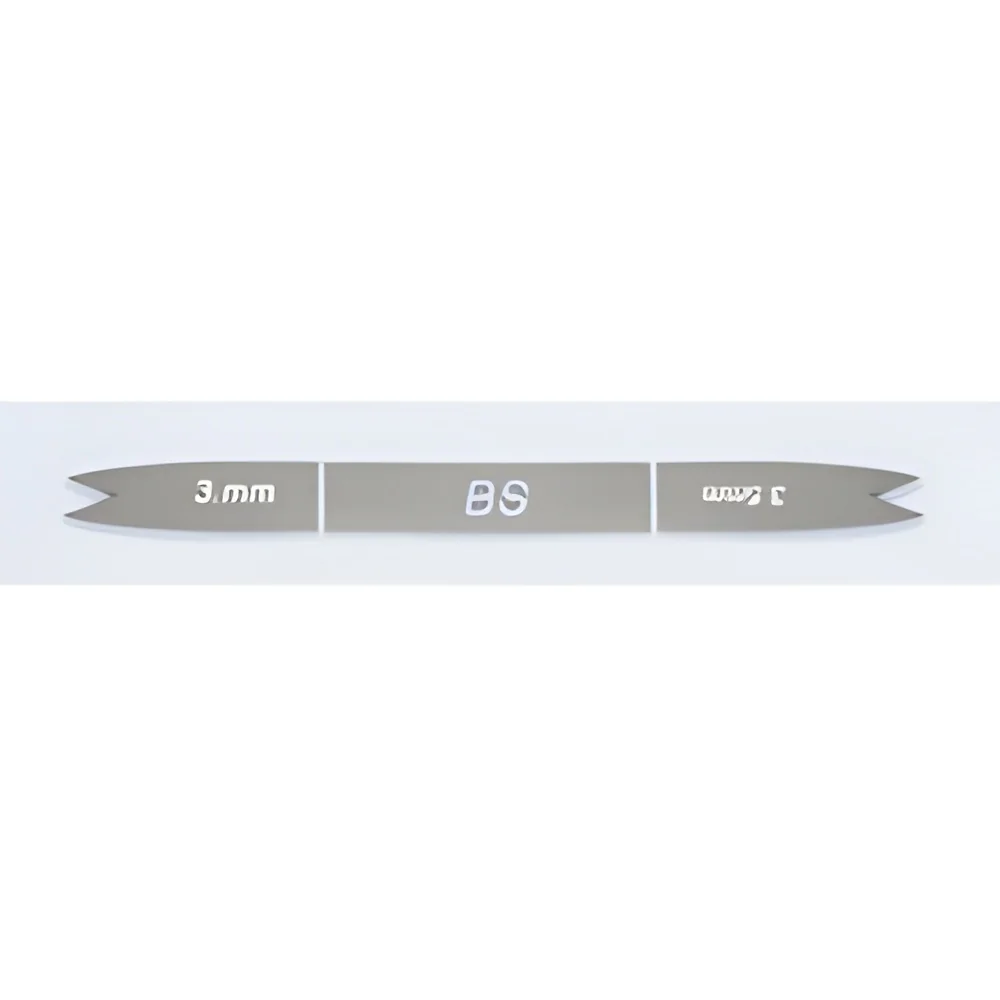
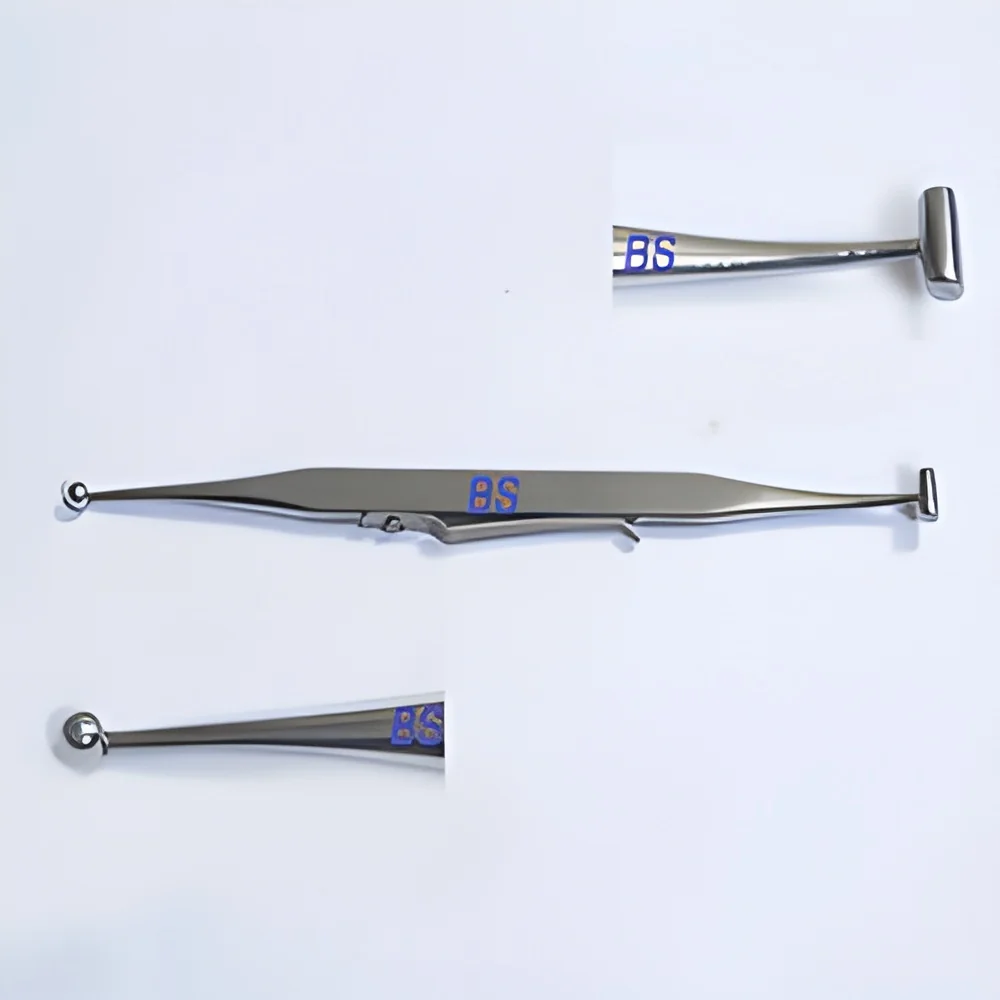
The Medical Double Ended Scleral Depressor represents precision engineering for modern ophthalmology practice. Crafted from medical-grade stainless steel, this instrument features two distinct depressor tips on opposite ends, designed to provide optimal control during retinal examinations and diagnostic procedures. Each tip is carefully shaped to facilitate different examination techniques while maintaining consistent, gentle pressure on the sclera. The instrument's balanced design ensures practitioner comfort during extended use, while its smooth, polished surfaces minimize tissue trauma. This reliable tool meets exacting medical standards for performance and durability, making it an essential component in comprehensive eye care diagnostics.

This specialized instrument serves critical functions across multiple ophthalmology settings, from busy outpatient clinics to hospital surgical suites. Retina specialists rely on it for detailed assessments of retinal detachments, peripheral reti...
The Medical Double Ended Scleral Depressor represents precision engineering for modern ophthalmology practice. Crafted from medical-grade stainless steel, this instrument features two distinct depressor tips on opposite ends, designed to provide optimal control during retinal examinations and diagnostic procedures. Each tip is carefully shaped to facilitate different examination techniques while maintaining consistent, gentle pressure on the sclera. The instrument's balanced design ensures practitioner comfort during extended use, while its smooth, polished surfaces minimize tissue trauma. This reliable tool meets exacting medical standards for performance and durability, making it an essential component in comprehensive eye care diagnostics.

This specialized instrument serves critical functions across multiple ophthalmology settings, from busy outpatient clinics to hospital surgical suites. Retina specialists rely on it for detailed assessments of retinal detachments, peripheral retinal tears, and vitreoretinal interface abnormalities. General ophthalmologists utilize it during routine dilated fundus examinations to enhance visualization of the retinal periphery. In surgical environments, it assists during vitrectomy procedures for controlled scleral indentation. Academic medical centers incorporate it into training programs to teach residents proper examination techniques. Its versatility makes it valuable for practitioners focusing on diabetic retinopathy, macular degeneration, trauma evaluations, and comprehensive ocular health assessments.

The business value of this scleral depressor lies in its exceptional durability, reliability, and cost-effectiveness over time. The medical-grade stainless steel construction ensures resistance to corrosion and deformation, allowing for thousands of sterilization cycles without performance degradation. This longevity translates to reduced replacement costs and consistent examination quality across countless patient encounters. The instrument's precision engineering minimizes procedural variability, supporting accurate diagnoses and appropriate treatment planning. Its compatibility with all standard sterilization methods ensures seamless integration into existing clinical protocols. The thoughtful ergonomic design reduces practitioner fatigue during lengthy examinations, potentially increasing daily patient capacity while maintaining examination quality.

Key Features:
- Double-ended design with two distinct depressor tips for versatile clinical applications
- Manufactured from premium medical-grade stainless steel for maximum durability
- Precision-engineered tips providing consistent, controlled scleral pressure
- Fully compatible with autoclave, chemical, and other standard sterilization methods
- Ergonomic handle with balanced weight distribution for comfortable prolonged use

Benefits:
- Enhances diagnostic accuracy through improved retinal visualization and controlled indentation
- Reduces long-term costs with durable construction that withstands repeated sterilization
- Improves clinical efficiency by eliminating instrument changes during examinations
- Supports patient comfort with smooth, polished surfaces that minimize tissue irritation
- Ensures reliable performance with corrosion-resistant materials maintaining integrity over time
Specifications
| Additional Information | |
|---|---|
| Country of Origin | India |
Application
This double-ended scleral depressor is engineered for detailed retinal visualization and diagnostic accuracy in ophthalmology. Its dual-tip design allows practitioners to switch between examination techniques seamlessly during a single procedure, enhancing workflow efficiency while maintaining consistent pressure control for accurate assessments of the peripheral retina and vitreous base.
Essential for modern eye care facilities, this instrument supports both diagnostic evaluations and minor surgical interventions. It is built to withstand repeated autoclave sterilization cycles, making it suitable for high-volume clinics, hospitals, and surgical centers. The robust construction ensures reliable performance during indirect ophthalmoscopy, scleral indentation, and routine retinal check-ups, meeting the stringent hygiene and durability demands of professional medical environments.
- Conducting thorough retinal detachment examinations and preoperative assessments
- Visualizing the peripheral retina during indirect ophthalmoscopy procedures
- Performing scleral indentation in vitreoretinal surgical interventions
- Supporting comprehensive diagnostic evaluations in routine clinical eye exams
- Facilitating hands-on training and skill development in ophthalmology education programs
Trade Details
| Available Stock | In Stock |
| Sample Availability | No |
Payment Terms
| Payment Terms |
|
Company Profile

Bharati Surgical Co, Maharashtra
 Maharashtra, India
Health & Personal Care•Manufacturer•Distributor / Wholesaler•Importer / Exporter
Factory Details
Factory SizeBelow 1000 sqm
Annual Production Capacity0
Medical Double Ended Scleral Depressor Stainless Steel Ophthalmology Instrument
Medical Double Ended Scleral Depressor Stainless Steel Ophthalmology Instrument for precise retinal examinations and diagnostic procedures, featuring a durable medical-grade stainless steel construction for reliable performance in clinical and surgical settings.
Min. Order Quantity: 1 unit
Shipping
Shipping fee and delivery date to be negotiated. Contact supplier now for more details.
Bharati Surgical Co
 Maharashtra, India
Health & Personal CareManufacturer