IN
IN₹
Apparel & Fashion
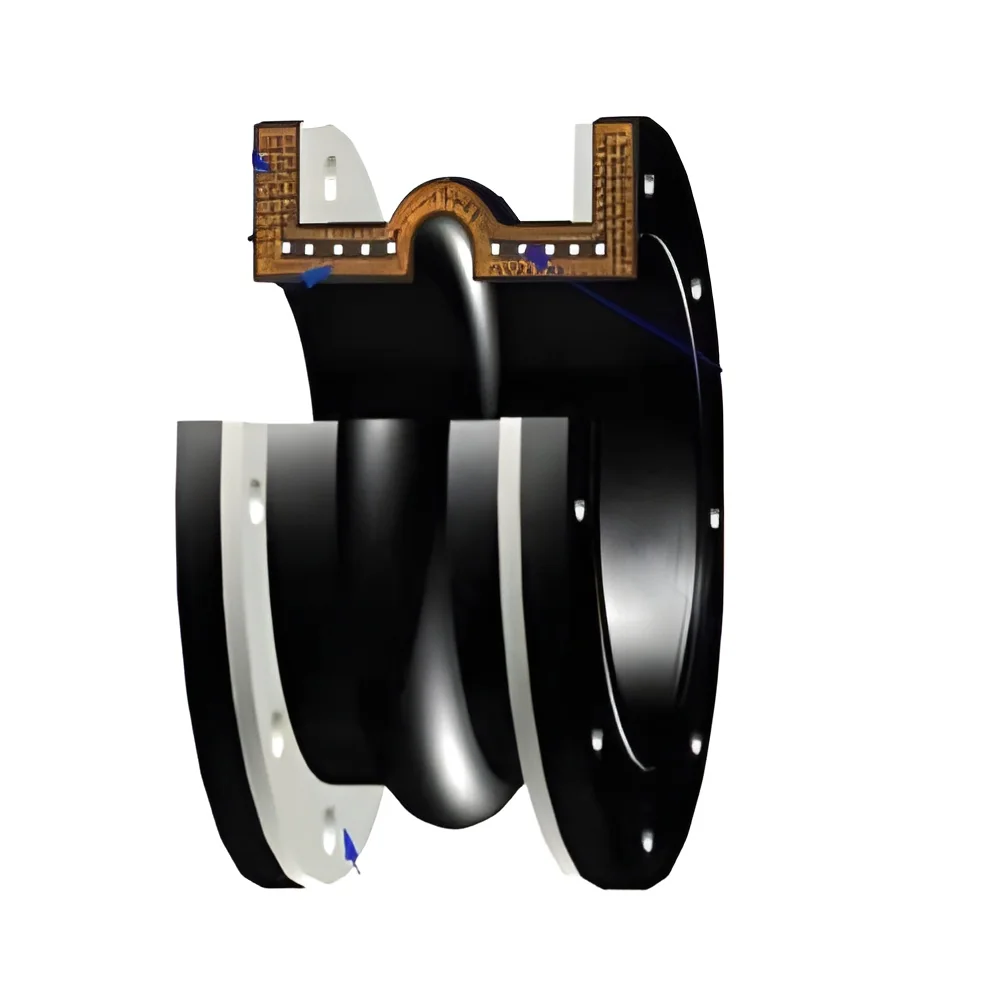
Description
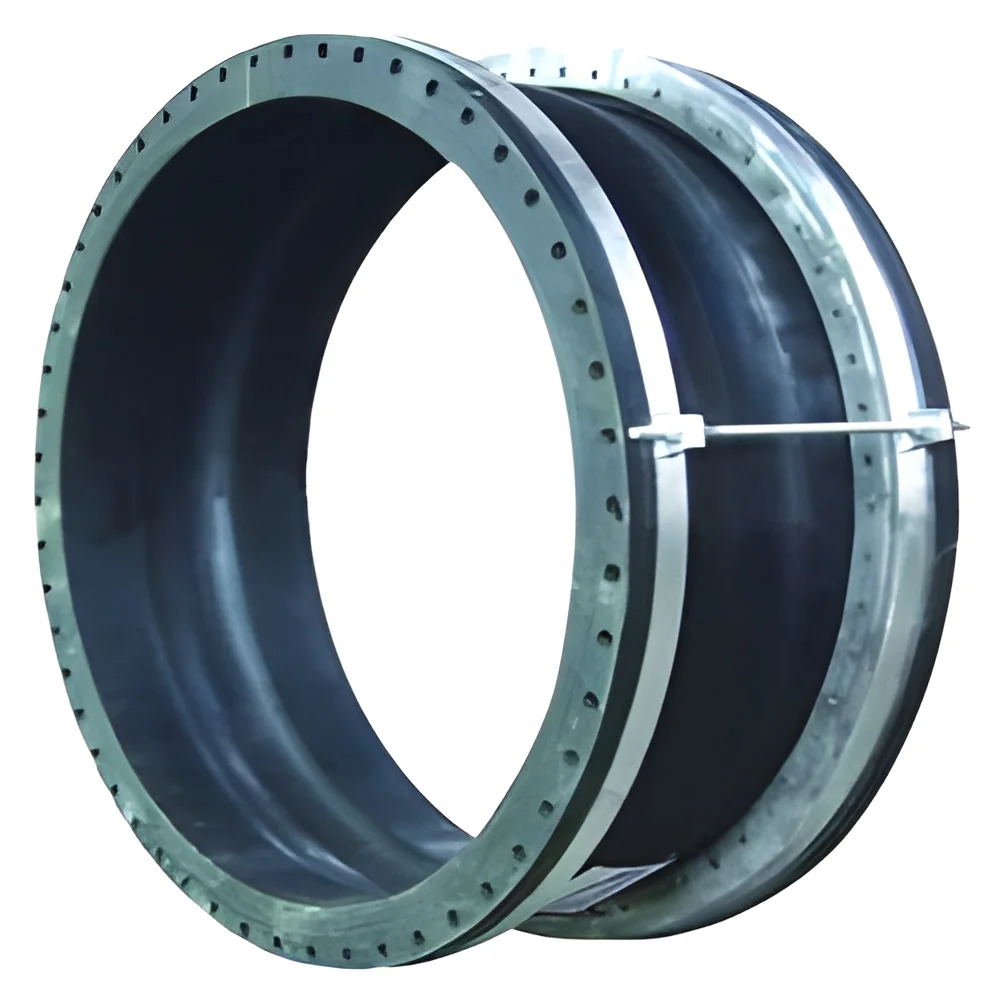
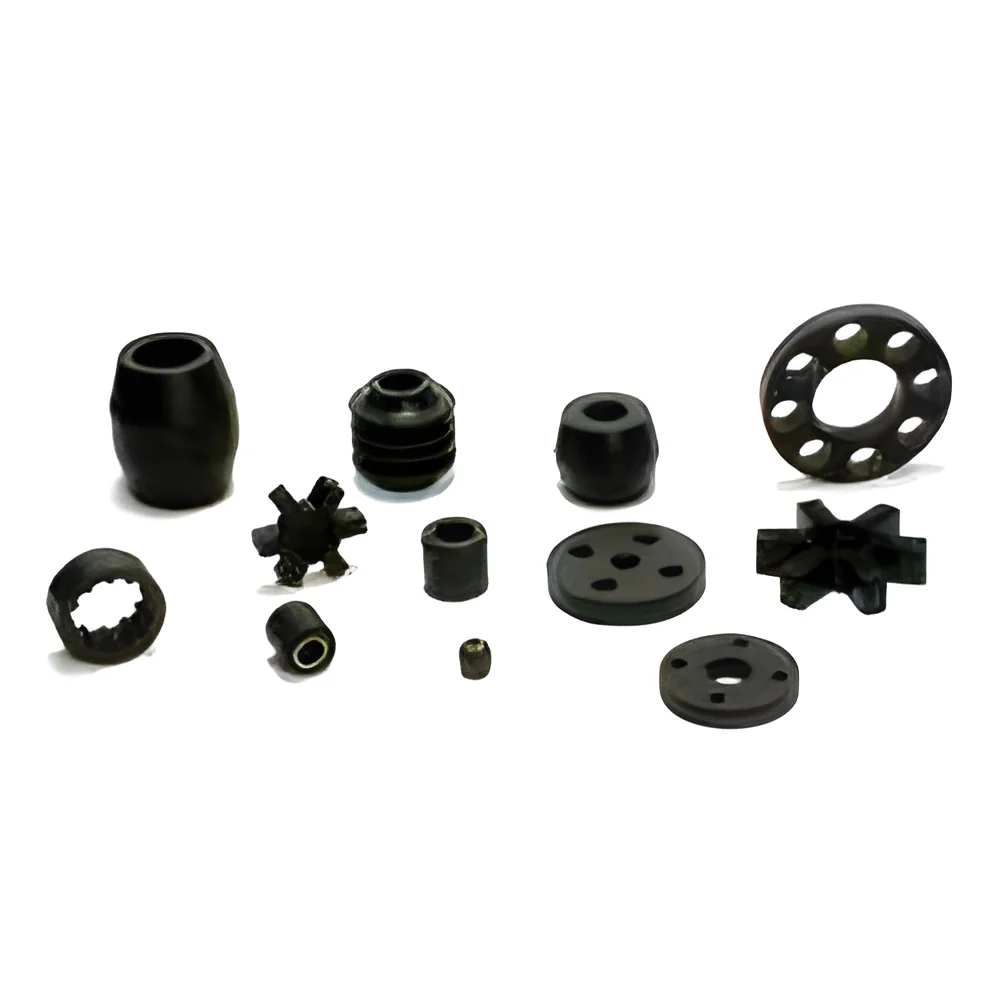
Our industrial rubber coupling joints are engineered as premium connectivity solutions for demanding mechanical power transmission systems. Manufactured from high-grade, specially formulated rubber compounds, these joints are built to deliver reliable performance under extreme operational stresses. They excel at absorbing shock loads, dampening harmful vibrations, and compensating for various types of shaft misalignment—including angular, parallel, and axial displacements. This design ensures uninterrupted power transfer while acting as a protective barrier for connected machinery, preventing damage from vibration-induced fatigue and sudden impact forces. The robust construction guarantees consistent functionality across a wide temperature range and in diverse environmental conditions, making them a trustworthy component for critical industrial applications.

These coupling joints serve vital roles across numerous industrial sectors that depend on robust and reliable mechanical systems...
Our industrial rubber coupling joints are engineered as premium connectivity solutions for demanding mechanical power transmission systems. Manufactured from high-grade, specially formulated rubber compounds, these joints are built to deliver reliable performance under extreme operational stresses. They excel at absorbing shock loads, dampening harmful vibrations, and compensating for various types of shaft misalignment—including angular, parallel, and axial displacements. This design ensures uninterrupted power transfer while acting as a protective barrier for connected machinery, preventing damage from vibration-induced fatigue and sudden impact forces. The robust construction guarantees consistent functionality across a wide temperature range and in diverse environmental conditions, making them a trustworthy component for critical industrial applications.

These coupling joints serve vital roles across numerous industrial sectors that depend on robust and reliable mechanical systems. In manufacturing and processing plants, they connect motors to pumps, mixers, and fans, safeguarding sensitive equipment from vibration. The automotive industry utilizes them within production line machinery and testing equipment to ensure precise operation. Marine engineers specify them for propulsion system connections due to their vibration-dampening qualities and environmental resistance. Construction and mining sectors rely on them within heavy machinery like crushers, excavators, and conveyors to handle substantial shock loads. Furthermore, they are found in power generation facilities, HVAC systems, and agricultural equipment, proving their versatility and essential function in maintaining operational continuity.

Choosing our rubber coupling joints delivers tangible business value through enhanced operational reliability and significant cost savings. Their superior shock and vibration absorption directly translates to reduced wear on bearings, seals, and other connected components, dramatically extending machinery service life and minimizing unplanned downtime. This reliability ensures consistent production output and protects your capital investment in expensive equipment. The durability of the high-quality rubber construction reduces the frequency of replacements, lowering long-term maintenance costs. By effectively isolating vibration, they also contribute to a safer and quieter work environment. These couplings represent a smart investment in operational efficiency, offering proven performance that protects your machinery and supports your productivity goals.

Key Features:
- Manufactured from premium, high-grade rubber compounds for exceptional durability and long service life.
- Engineered specifically for superior shock absorption and effective vibration dampening in industrial settings.
- Capable of accommodating angular, parallel, and axial shaft misalignments to protect connected equipment.
- Robust design ensures reliable performance under extreme operating conditions, including temperature variations.
- Flexible construction allows for effective torque transmission while isolating and mitigating mechanical vibrations.

Benefits:
- Extends the operational lifespan of connected machinery by protecting components from vibration-induced wear and damage.
- Reduces maintenance costs and unplanned downtime by preventing premature failures in pumps, motors, and drives.
- Enhances operational safety and contributes to a quieter work environment by effectively isolating harmful vibrations.
- Ensures smooth and reliable power transmission, supporting consistent productivity and output in industrial processes.
- Provides a cost-effective solution for improving system reliability and protecting valuable capital equipment investments.
Specifications
| Additional Information | |
|---|---|
| Country of Origin | India |
Application
Industrial rubber coupling joints are essential flexible connectors in mechanical systems, designed to join rotating shafts while absorbing shocks and dampening vibrations. They accommodate misalignment between connected components, protecting machinery from stress and preventing premature failure in demanding operational environments. Their primary function is to ensure smooth power transmission while isolating vibration, which is critical for maintaining system integrity and reducing noise in industrial settings.
These versatile components are indispensable across heavy industries where equipment reliability is paramount. They are specifically engineered for applications involving pumps, compressors, generators, conveyor systems, and various power transmission setups. By mitigating the damaging effects of vibration and shock loads, they extend equipment lifespan and enhance operational safety in facilities where continuous operation is required under challenging conditions.
- Connecting pump and motor shafts in water treatment and chemical processing plants to prevent vibration-induced seal leaks and bearing failures.
- Joining drive components in automotive manufacturing assembly lines to ensure smooth power transfer and reduce operational noise levels.
- Linking generator sets to distribution systems in power generation facilities to absorb sudden torque fluctuations and mechanical shocks.
- Connecting sections of conveyor systems in mining and material handling operations to accommodate misalignment and reduce component wear.
- Joining propeller shafts to engine systems in marine vessels for effective vibration isolation and resistance to harsh environmental conditions.
Trade Details
| Available Stock | In Stock |
| Sample Availability | No |
Payment Terms
| Payment Terms |
|
Company Profile
Bharat Rubber Products, West Bengal
 West Bengal, India
West Bengal, IndiaIndustrial Equipment & Machinery•Manufacturer•Importer / Exporter
Factory Details
Factory SizeBelow 1000 sqm
Annual Production Capacity0
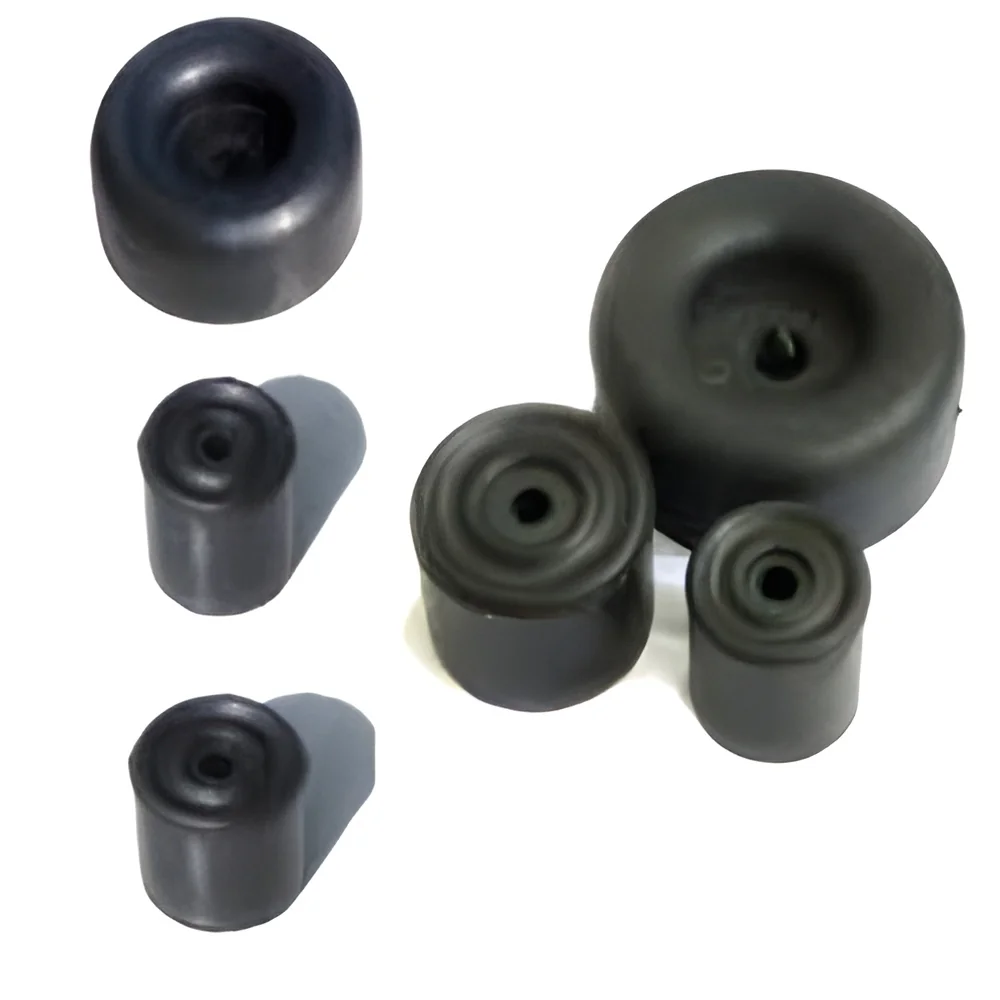
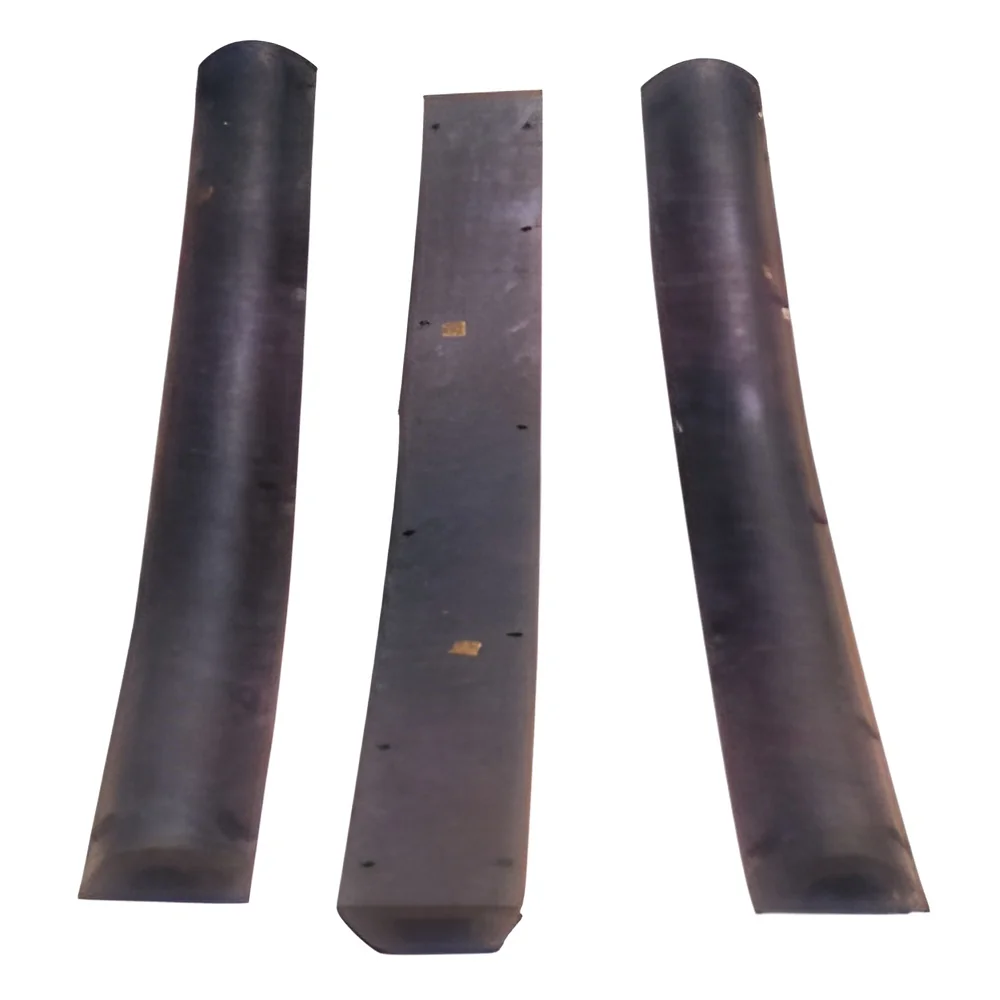
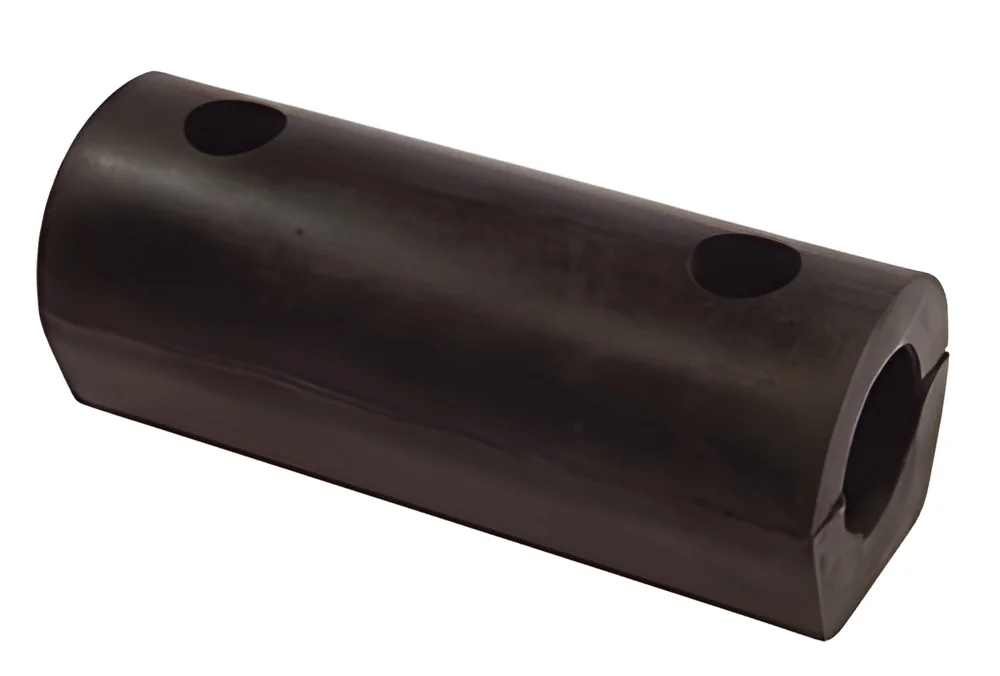
Industrial Rubber Coupling Joints For Shock Absorption And Vibration Dampening
Premium industrial rubber coupling joints for effective shock absorption and vibration dampening. Manufactured with high-quality rubber for durability in demanding mechanical power transmission applications across multiple sectors.
Min. Order Quantity: 1 unit
Shipping
Shipping fee and delivery date to be negotiated. Contact supplier now for more details.
Bharat Rubber Products
 West Bengal, India
West Bengal, IndiaIndustrial Equipment & MachineryManufacturer