- Chemical Processing
- Pharmaceutical Manufacturing
- Water & Wastewater Treatment
- Mining & Mineral Processing
- Fertilizer Manufacturing
- Steel & Metal Processing
- Pulp & Paper
- Industrial Manufacturing

 IN
₹
Apparel & Fashion
Description
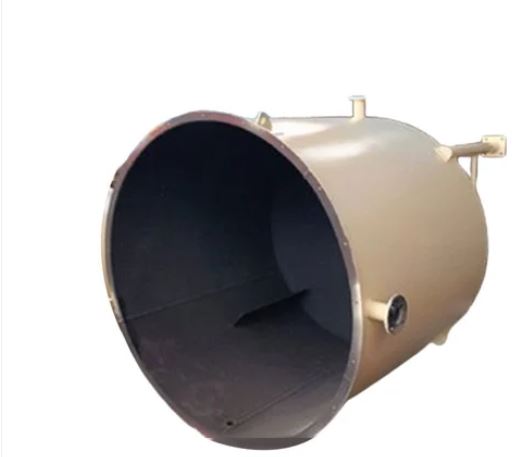
Rubber lining provides a protective elastomeric barrier between the tank's metal substrate and the stored or processed chemical. By separating the metal surface from the aggressive medium, a properly selected rubber lining can help reduce corrosion and extend the service life of the tank.

The lining system may use natural rubber or synthetic rubber compounds, depending on the chemical being handled, concentration, temperature, abrasion level, and operating conditions. Different rubber compounds have different resistance characteristics, so the lining material must be selected specifically for the intended chemical service. A typical tank-rubber-lining process involves surface preparation, inspection, primer or adhesive application, rubber sheet application, seam treatment, rolling or consolidation, curing or vulcanization where applicable, and final inspection. Proper surface preparation and bonding are critical to achieving reliable adhesion and preventing defects such as blistering ...
Rubber lining provides a protective elastomeric barrier between the tank's metal substrate and the stored or processed chemical. By separating the metal surface from the aggressive medium, a properly selected rubber lining can help reduce corrosion and extend the service life of the tank.

The lining system may use natural rubber or synthetic rubber compounds, depending on the chemical being handled, concentration, temperature, abrasion level, and operating conditions. Different rubber compounds have different resistance characteristics, so the lining material must be selected specifically for the intended chemical service. A typical tank-rubber-lining process involves surface preparation, inspection, primer or adhesive application, rubber sheet application, seam treatment, rolling or consolidation, curing or vulcanization where applicable, and final inspection. Proper surface preparation and bonding are critical to achieving reliable adhesion and preventing defects such as blistering or delamination.
Specifications
| Key Attributes | |
|---|---|
| Product Type | Rubber Tank Lining |
| Application | Acid Storage & Industrial Corrosion Protection |
| Lining Material | Natural Rubber / Synthetic Rubber – Chemical Dependent |
| Tank Material | Mild Steel / Carbon Steel / Metal – Model Dependent |
| Function | Corrosion & Chemical Protection |
| Lining Thickness | Application Specific |
| Surface Preparation | Abrasive Blasting / Mechanical Preparation – Process Dependent |
| Bonding | Adhesive / Vulcanized / Application Specific |
| Features | Chemical Resistant, Durable & Protective |
| Industry | Chemical Processing, Water Treatment, Mining & Manufacturing |
| Additional Information | |
|---|---|
| SKU | 00004 |
| Country of Origin | India |
Application
Trade Details
| Production Lead Time | 4-7 Days |
| Available Stock | In Stock |
| Sample Availability | No |
Payment Terms
| Payment Terms |
|
| Payment Methods |
|
Shipping & Logistics
| Shipping Internationally | Upon Request | |
| Methods |
| |
| IncoTerms |
| |
| Dispatch Lead time | Ships in 1 Days |
Company Profile

Abhirami rubber product, Tamil Nadu
 Tamil Nadu, India
23 yrs
Raw Materials & Chemicals•Manufacturer
Turn Over
₹25 Lakhs – ₹1 Crore
Factory Details
Contract ManufacturingOEM Service
Main Markets
India
Frequently Asked Questions
1
What is rubber lining of tanks used for?
Rubber lining is used to protect metal tank surfaces against chemical corrosion, acid attack, and abrasion in suitable industrial applications.
2
Which rubber materials can be used for tank lining?
Depending on the service conditions, lining systems may use natural rubber or synthetic rubber compounds selected according to the chemical and operating environment.
3
Can rubber lining be used for acid storage tanks?
Yes. Suitable rubber compounds can be used for specific acid-storage applications, provided the lining material is compatible with the acid concentration, temperature, and operating conditions.
4
What is important during the rubber-lining process?
Important factors include surface preparation, substrate condition, rubber compound selection, lining thickness, bonding, seam quality, curing, and final inspection.
5
What should be checked before selecting rubber lining for a tank?
Check the chemical type and concentration, operating temperature, abrasion level, tank material, lining thickness, rubber compound, surface-preparation requirements, bonding method, curing process, inspection requirements, and expected service life before proceeding.
SKU: 00004
Rubber Lining of Tanks for Acid Storage & Industrial Corrosion Protection
Rubber Lining of Tanks is a protective lining process used to shield metal tank surfaces from acid attack, chemical corrosion, abrasion, and aggressive industrial environments. It is commonly applied to tanks and vessels used for acid storage, chemical processing, wastewater treatment, and other demanding applications.
Min. Order Quantity: 1 piece
Shipping
Shipping fee and delivery date to be negotiated. Contact supplier now for more details.
Shipping InternationallyUpon Request
Estimated Delivery5 - 8 business days
Abhirami rubber product
 Tamil Nadu, India
Raw Materials & ChemicalsManufacturer