IN
IN₹
Apparel & Fashion
Description
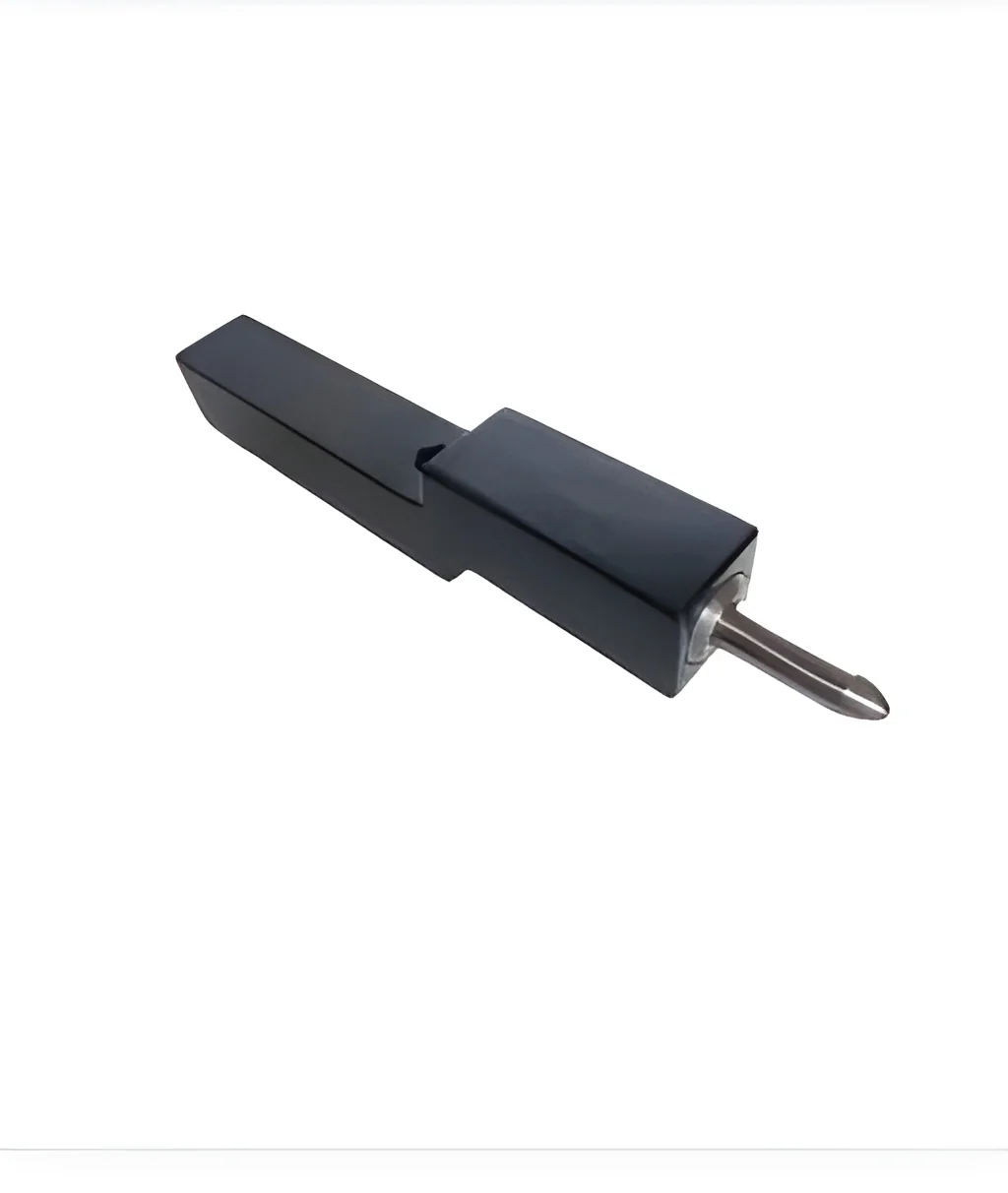
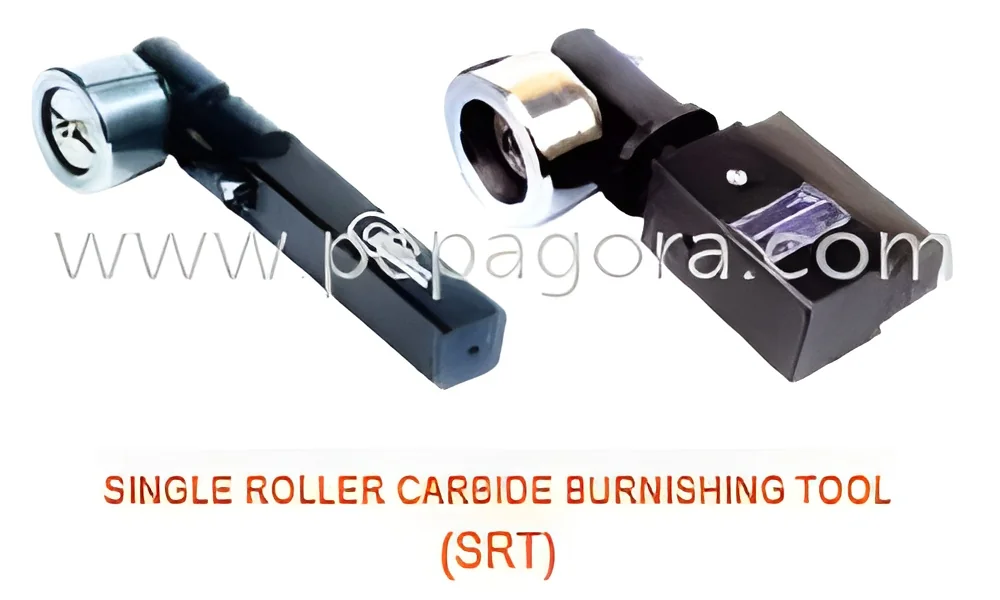
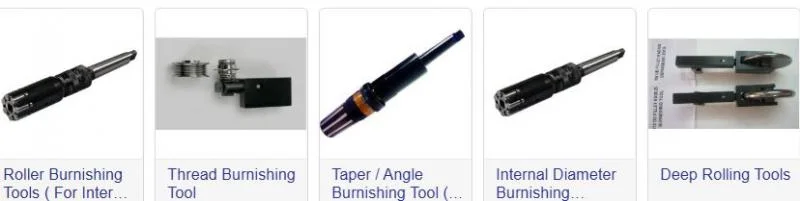
Precision roller burnishing tools are engineered to transform metal surfaces through an advanced cold-working process that compresses material peaks without cutting or removing metal. This innovative approach creates exceptionally smooth, hardened surfaces that significantly enhance component performance and service life. Unlike traditional finishing methods that generate waste, roller burnishing efficiently improves surface integrity while maintaining dimensional accuracy. Manufacturers across various sectors trust these tools for their ability to deliver consistent, high-quality finishes while reducing processing time and operational costs. The process ensures no material loss, making it an environmentally conscious choice for modern manufacturing operations seeking sustainable production methods.

These tools serve critical roles in multiple industrial sectors where surface quality directly impacts performance and reliability. In automotive manufacturing, they finish crucial compone...
Precision roller burnishing tools are engineered to transform metal surfaces through an advanced cold-working process that compresses material peaks without cutting or removing metal. This innovative approach creates exceptionally smooth, hardened surfaces that significantly enhance component performance and service life. Unlike traditional finishing methods that generate waste, roller burnishing efficiently improves surface integrity while maintaining dimensional accuracy. Manufacturers across various sectors trust these tools for their ability to deliver consistent, high-quality finishes while reducing processing time and operational costs. The process ensures no material loss, making it an environmentally conscious choice for modern manufacturing operations seeking sustainable production methods.

These tools serve critical roles in multiple industrial sectors where surface quality directly impacts performance and reliability. In automotive manufacturing, they finish crucial components like crankshafts, camshafts, and transmission parts to reduce friction and improve fuel efficiency. Aerospace applications include enhancing surface properties of landing gear components, turbine shafts, and structural elements where safety and durability are paramount. Hydraulic system manufacturers utilize roller burnishing for cylinder rods, pistons, and valve components to ensure leak-free operation and extended service life. The manufacturing sector employs these tools for machinery components, bearings, and precision shafts where surface finish directly affects operational efficiency and maintenance intervals.

Businesses select roller burnishing tools for their demonstrated reliability, cost efficiency, and quality enhancement capabilities. These tools eliminate the need for secondary finishing operations, significantly reducing labor costs, equipment requirements, and production cycle times. The improved surface characteristics result in components with extended operational life, minimizing downtime and maintenance expenses for end-users. The consistent performance of roller burnishing tools ensures repeatable quality across production batches, providing manufacturers with predictable outcomes and reduced rejection rates. This combination of operational efficiency, quality improvement, and long-term value makes roller burnishing tools an intelligent investment for businesses focused on sustainable growth and competitive advantage in their respective markets.

Key Features:
- Cold-working process compresses material without metal removal for efficient finishing
- Enhances surface hardness and wear resistance for extended component life
- Produces smooth, low-friction surfaces ideal for precision applications
- Consistent performance across various materials including steel and alloys
- Designed for integration with standard machining equipment and processes

Benefits:
- Reduces need for secondary finishing operations, lowering production costs
- Extends component service life through improved surface properties
- Environmentally friendly process with no material waste generation
- Decreases friction and wear on moving parts for better performance
- Provides consistent, repeatable results across production batches
Specifications
| Additional Information | |
|---|---|
| Country of Origin | India |
Application
Roller burnishing tools transform metal surfaces through cold-working compression, creating smooth, hardened finishes that significantly improve wear resistance and component longevity. This process eliminates material removal, making it efficient for precision applications where dimensional accuracy and surface integrity are critical. Industries rely on these tools for finishing critical components like shafts, bearings, and hydraulic elements where performance and reliability are non-negotiable.
The versatility of roller burnishing makes it suitable for various manufacturing environments, from high-volume production lines to specialized machining operations. It enhances fatigue strength and corrosion resistance while reducing friction, making components ideal for demanding operational conditions. This method ensures consistent results across different materials, providing manufacturers with a reliable finishing solution that integrates seamlessly into existing production processes.
- Finishing hydraulic cylinder rods to ensure smooth operation and prevent seal wear
- Enhancing surface durability on automotive transmission shafts and engine components
- Precision finishing of bearing races in industrial equipment for reduced friction
- Improving fatigue resistance on aerospace structural components and landing gear
- Surface treatment for medical implant components requiring biocompatible finishes
Trade Details
| Available Stock | In Stock |
| Sample Availability | No |
Payment Terms
| Payment Terms |
|
Company Profile

Bright Burnishing Tools Private Limited, Tamil Nadu
 Tamil Nadu, India
Tamil Nadu, IndiaManufacturer•Distributor / Wholesaler
Factory Details
Factory SizeBelow 1000 sqm
Annual Production Capacity0
Precision Roller Burnishing Tools For Superior Surface Finish And Hardness
Precision roller burnishing tools deliver superior surface finish and hardness for metal components through cold-working. Ideal for automotive, aerospace, and machinery industries requiring enhanced durability and performance without material removal.
Min. Order Quantity: 1 unit
Shipping
Shipping fee and delivery date to be negotiated. Contact supplier now for more details.
Bright Burnishing Tools Private Limited
 Tamil Nadu, India
Tamil Nadu, IndiaManufacturer