IN
IN₹
Apparel & Fashion
Description
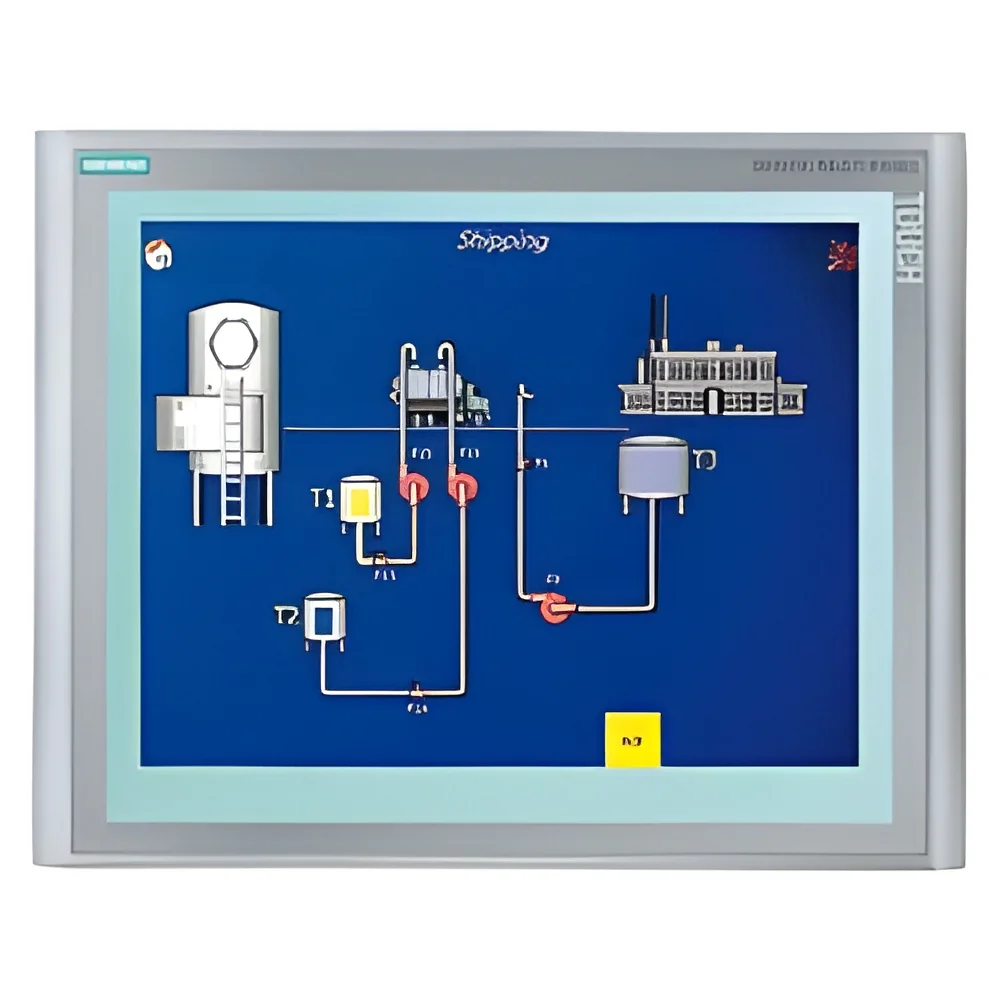
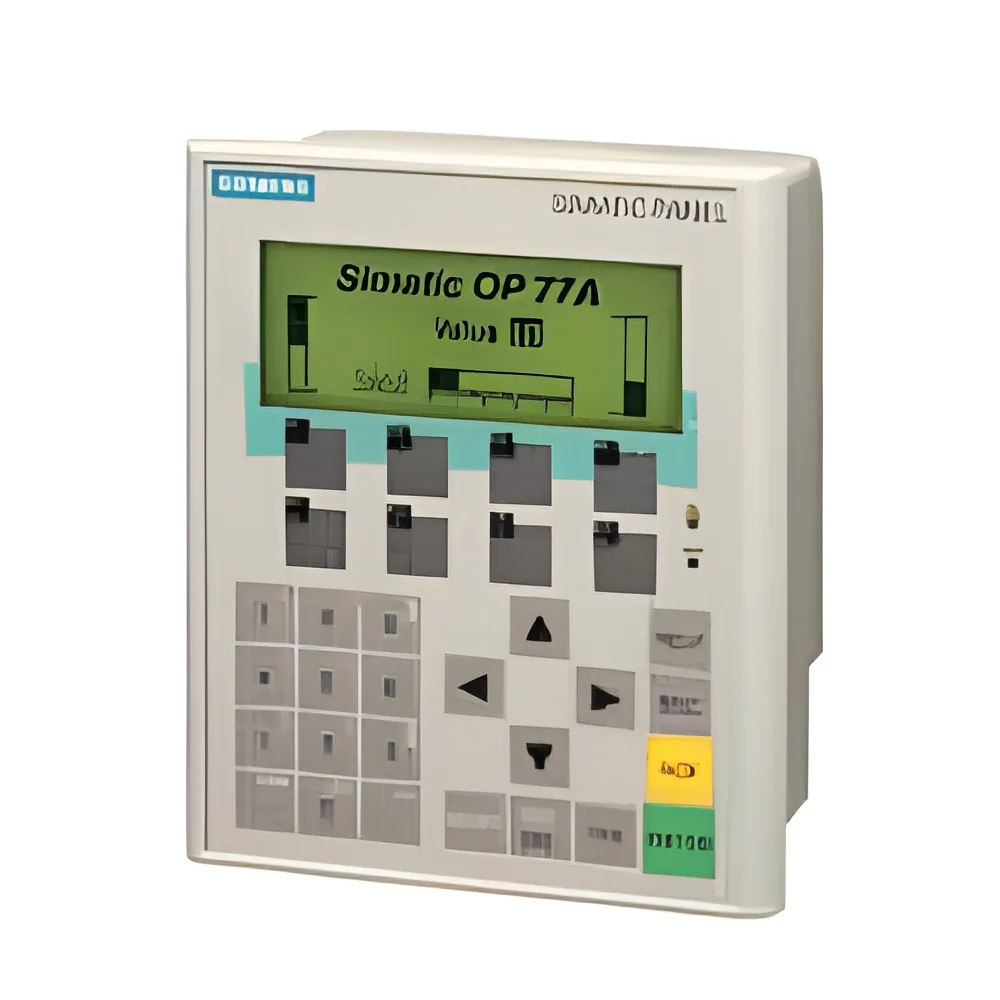
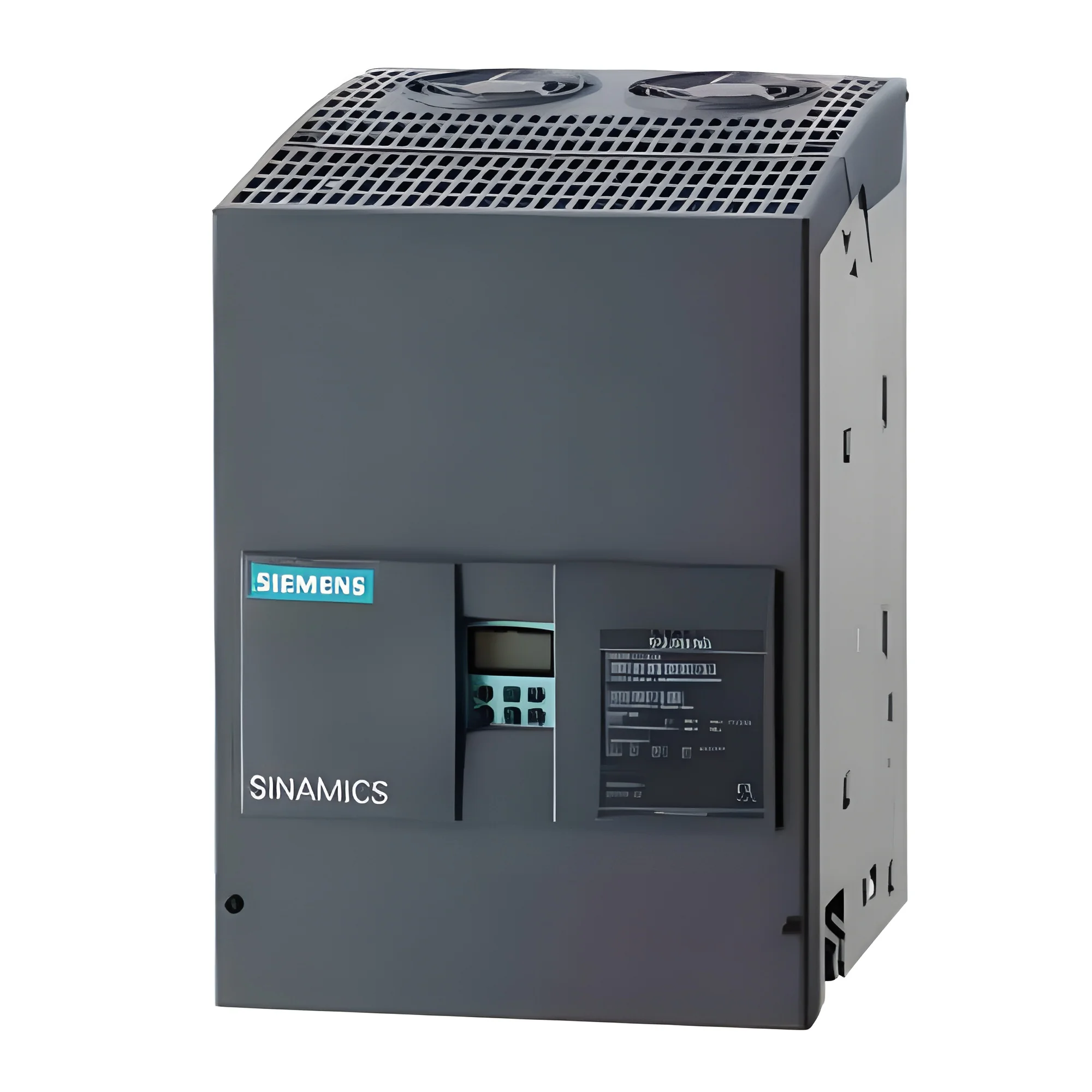
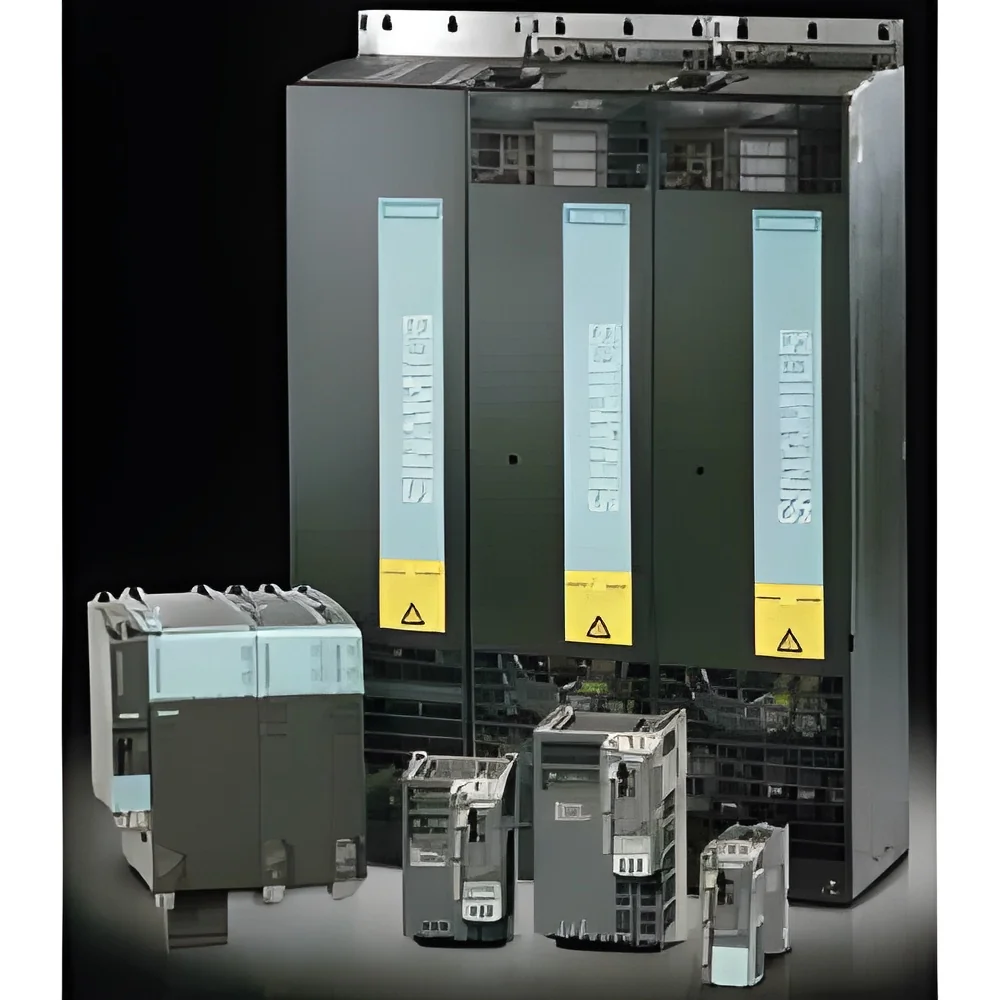
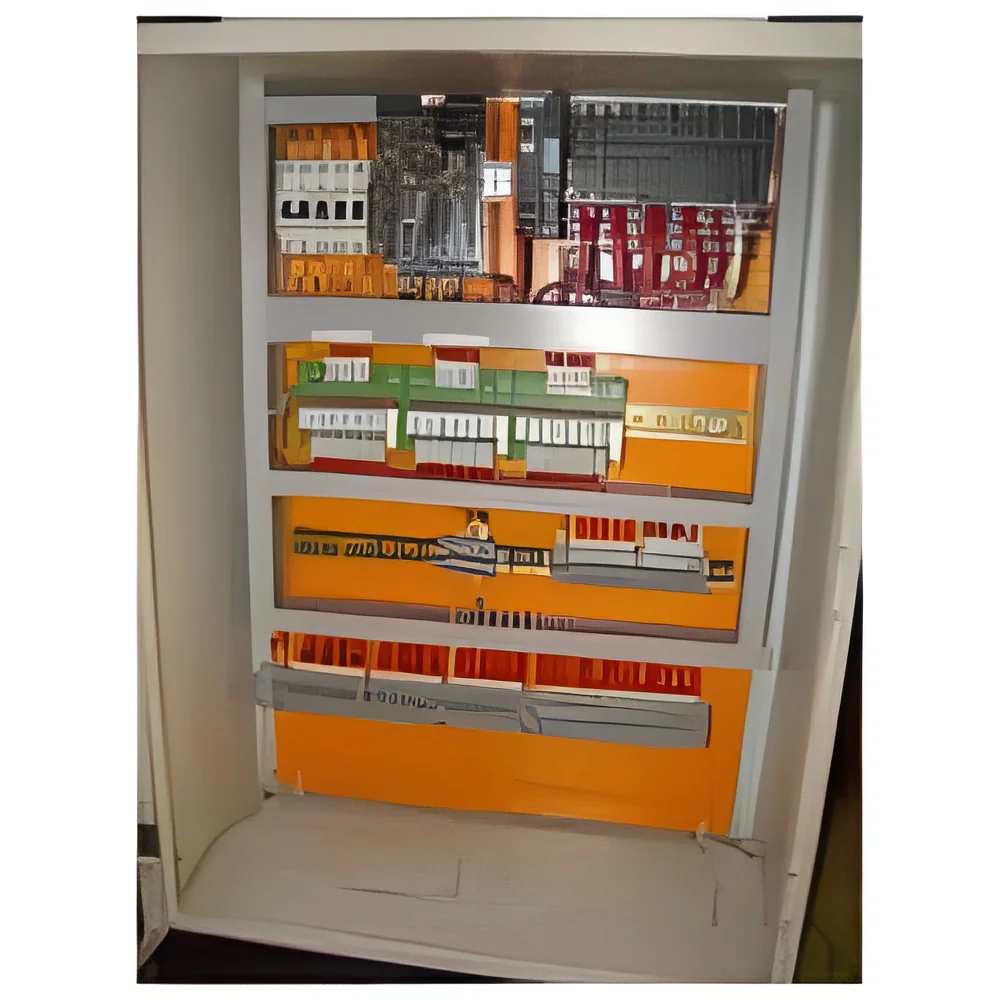
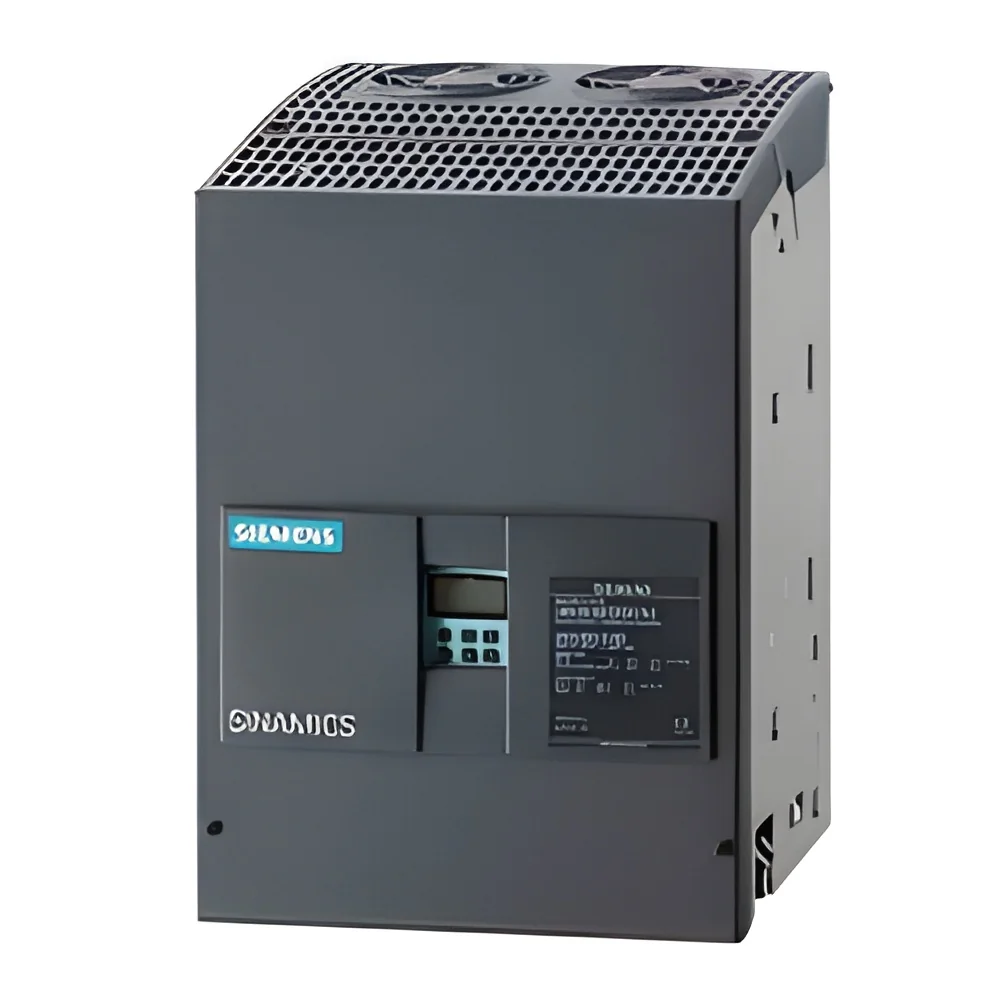
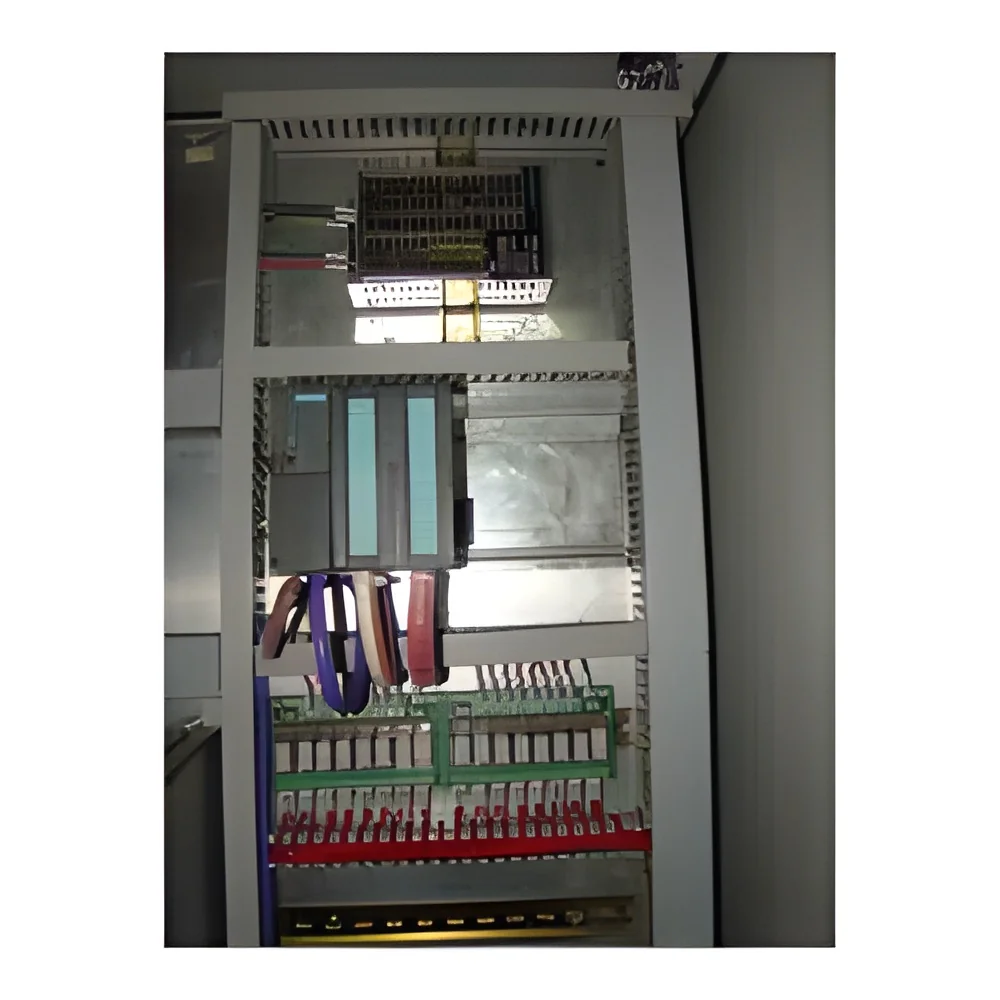
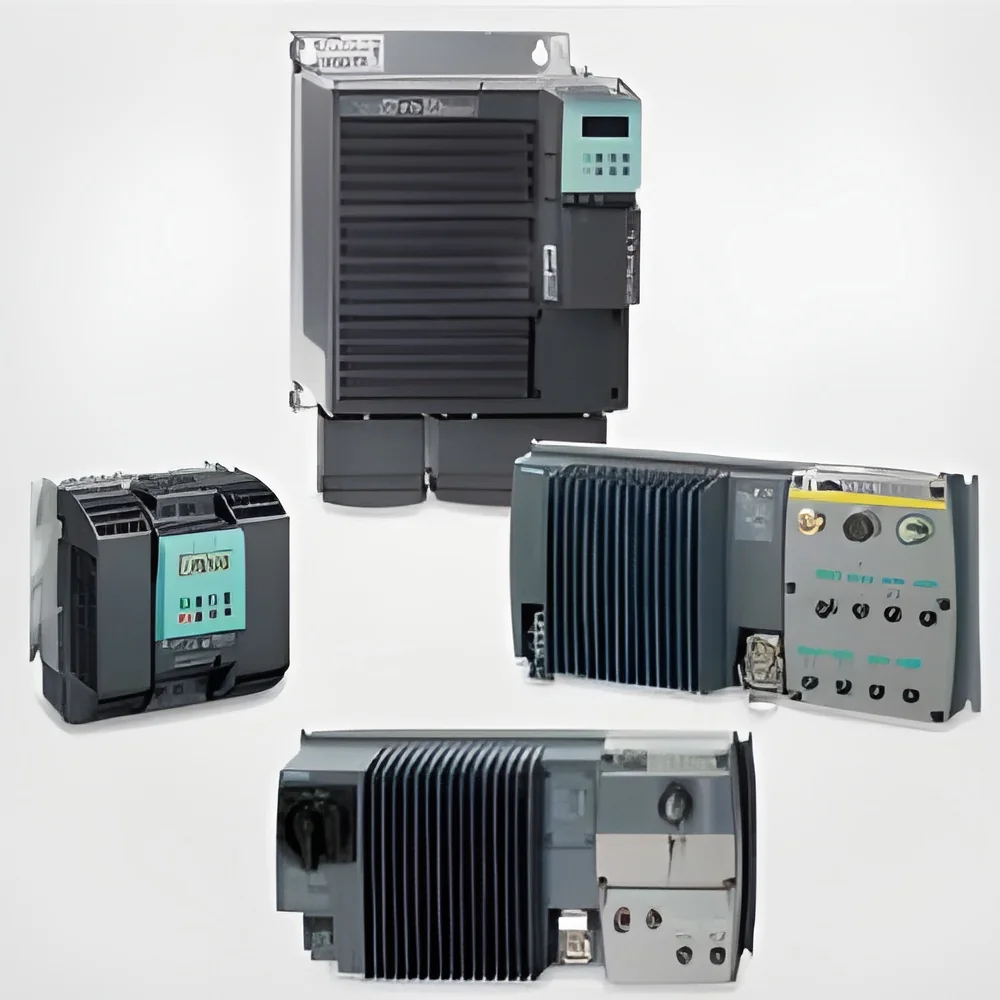
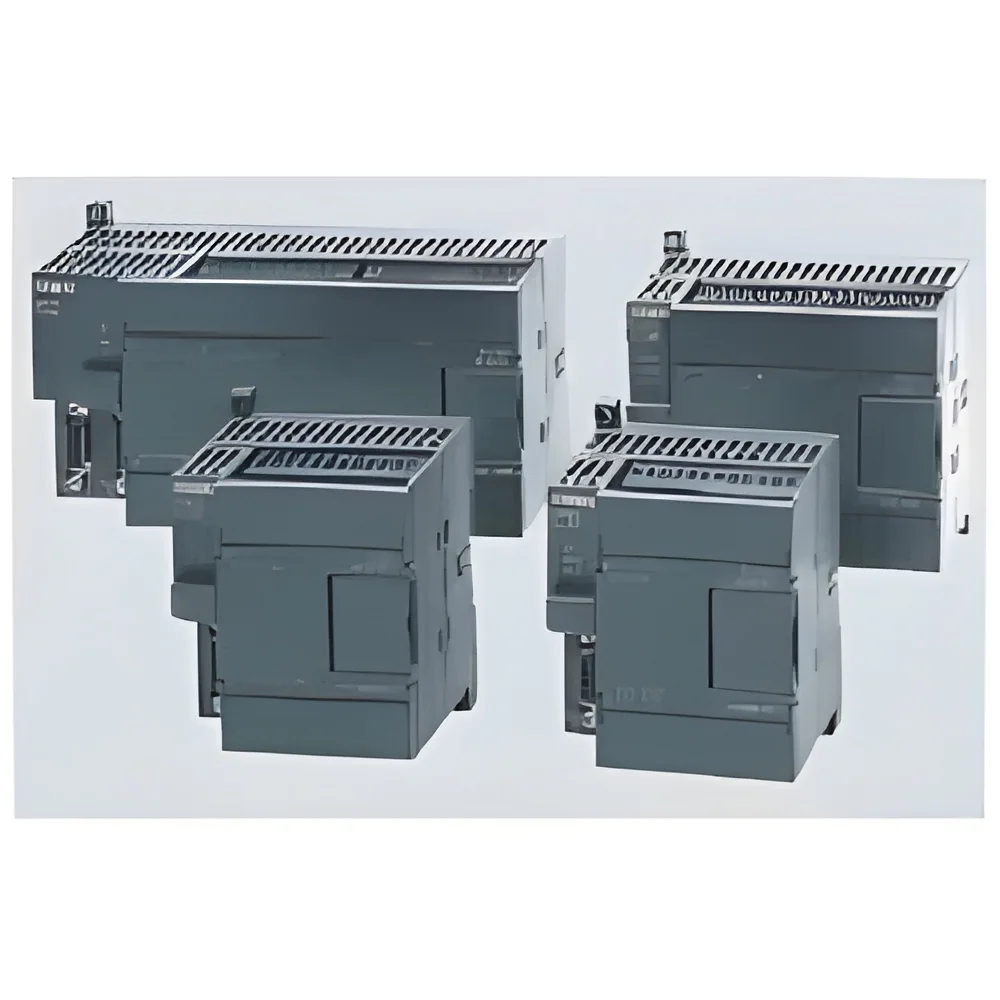
The Siemens S7 200 PLC system represents high-performance industrial automation technology designed for reliable control applications. This programmable logic controller combines advanced processing capabilities with user-friendly programming interfaces, making it suitable for both simple automation tasks and complex control systems. Engineered to withstand challenging industrial environments, the PLC ensures consistent operation with minimal maintenance requirements. Its modular architecture allows for straightforward expansion and configuration to meet specific operational demands. Supporting extensive digital and analog I/O modules, the system enables precise control over machinery and industrial processes. Integrated communication ports facilitate seamless data exchange with other devices and control systems.

This automation solution serves multiple industries through its versatile and robust performance characteristics. Manufacturing facilities employ it for automating assembly l...
The Siemens S7 200 PLC system represents high-performance industrial automation technology designed for reliable control applications. This programmable logic controller combines advanced processing capabilities with user-friendly programming interfaces, making it suitable for both simple automation tasks and complex control systems. Engineered to withstand challenging industrial environments, the PLC ensures consistent operation with minimal maintenance requirements. Its modular architecture allows for straightforward expansion and configuration to meet specific operational demands. Supporting extensive digital and analog I/O modules, the system enables precise control over machinery and industrial processes. Integrated communication ports facilitate seamless data exchange with other devices and control systems.

This automation solution serves multiple industries through its versatile and robust performance characteristics. Manufacturing facilities employ it for automating assembly lines, conveyor systems, and production sequences. Automotive sector operations utilize it for controlling robotic arms, precision tools, and manufacturing equipment. Food and beverage processing plants rely on it for packaging operations, bottling lines, and quality assurance processes. Water treatment installations depend on the S7 200 for managing filtration systems, pumping stations, and purification controls. Building management systems also incorporate this PLC for HVAC regulation and energy optimization. Its adaptability makes it a preferred solution for enhancing productivity across various industrial environments.

Companies select the S7 200 PLC system for its demonstrated reliability and long-term operational value. The system reduces operating expenses by minimizing equipment downtime and improving energy utilization efficiency. Its durable construction ensures extended service life, delivering substantial return on investment. The configuration options accommodate specific operational requirements while providing flexibility for future system expansions. Comprehensive technical support and straightforward integration simplify automation upgrades and system modifications. These advantages establish it as a trusted choice for organizations aiming to optimize their industrial processes and maintain competitive positioning in their markets.

Key Features:
- Compact modular design supporting system expansion
- High-speed processing for real-time control requirements
- Multiple digital and analog I/O module compatibility
- Integrated communication ports for device connectivity
- Industrial-grade construction for harsh environments

Benefits:
- Enhanced operational efficiency through reliable performance
- Reduced downtime with robust industrial construction
- Flexible configuration for various application needs
- Energy-efficient operation lowering operating costs
- Easy integration with existing systems and equipment
Specifications
| Additional Information | |
|---|---|
| Country of Origin | India |
Application
The Siemens S7 200 PLC system provides precise automation control across diverse industrial settings. Its compact design and high-speed processing efficiently manage machinery operations, production sequences, and complex control tasks. Multiple I/O configurations and communication protocols ensure smooth integration with existing equipment and systems.
Manufacturing plants, automotive facilities, food processing units, packaging operations, and water treatment facilities utilize this PLC for consistent performance. It handles everything from basic relay functions to advanced process regulation, maintaining reliable operation even in demanding industrial conditions. This adaptability makes it ideal for businesses seeking to improve operational efficiency and reduce system downtime.
- Automating assembly lines and conveyor systems in manufacturing plants
- Controlling bottling and packaging machinery in beverage production
- Managing water filtration and pumping operations in treatment facilities
- Monitoring temperature and processing parameters in food manufacturing
- Operating robotic equipment and precision tools in automotive production
Trade Details
| Available Stock | In Stock |
| Sample Availability | No |
Payment Terms
| Payment Terms |
|
Company Profile
Active Systems, Maharashtra
 Maharashtra, India
Maharashtra, IndiaIndustrial Equipment & Machinery•Manufacturer•Distributor / Wholesaler•Importer / Exporter
Factory Details
Factory SizeBelow 1000 sqm
Annual Production Capacity0
Industrial Automation Siemens S7 200 PLC System Robust Performance
Siemens S7 200 PLC system delivers robust industrial automation performance with reliable operation, energy efficiency, and precise control for manufacturing, packaging, and process applications.
Min. Order Quantity: 1 unit
Shipping
Shipping fee and delivery date to be negotiated. Contact supplier now for more details.
Active Systems
 Maharashtra, India
Maharashtra, IndiaIndustrial Equipment & MachineryManufacturer