IN
IN₹
Apparel & Fashion
Loading subcategories...
View More
Description
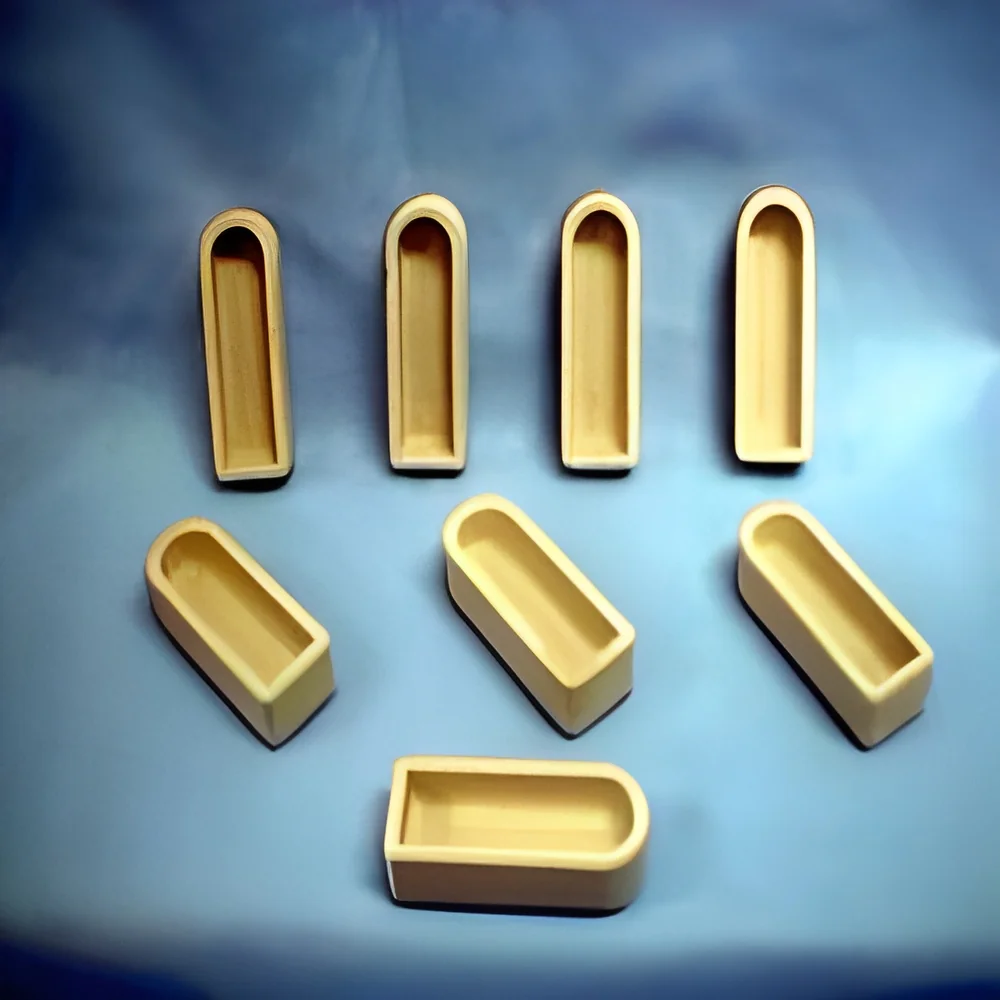
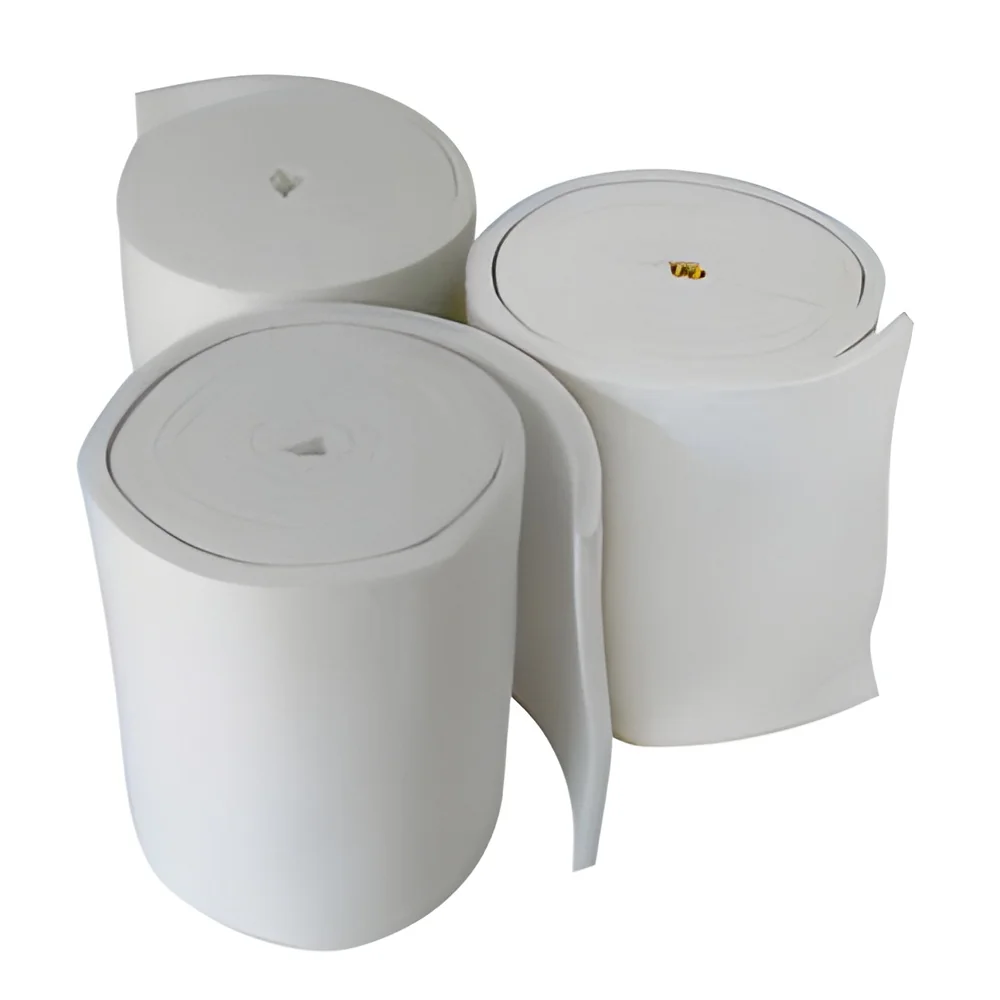
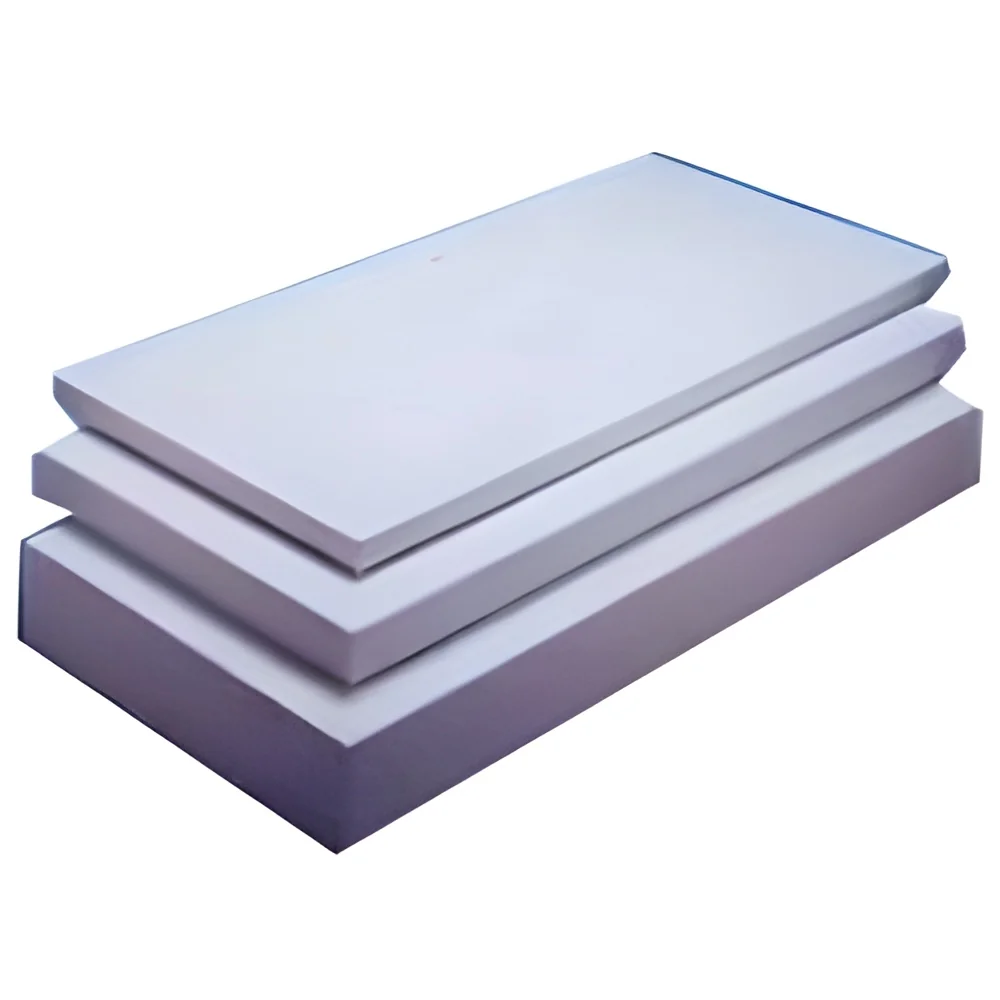
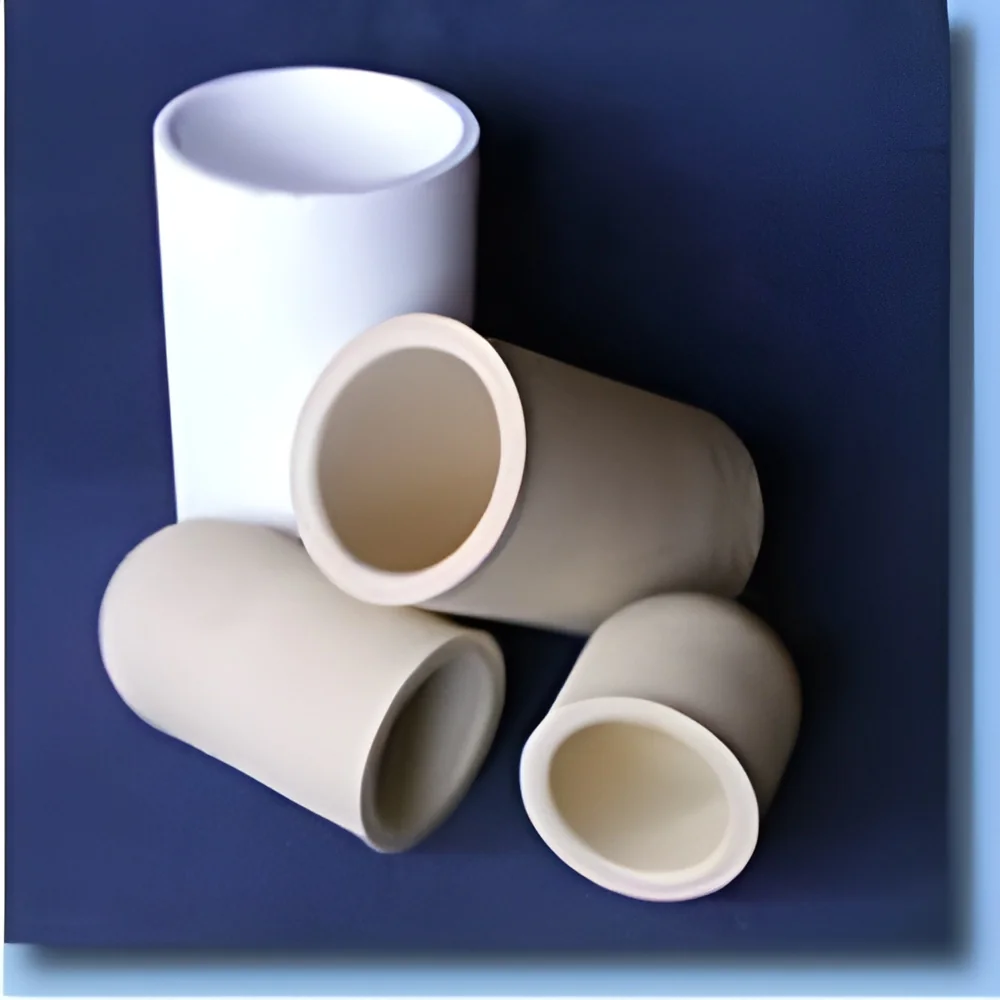
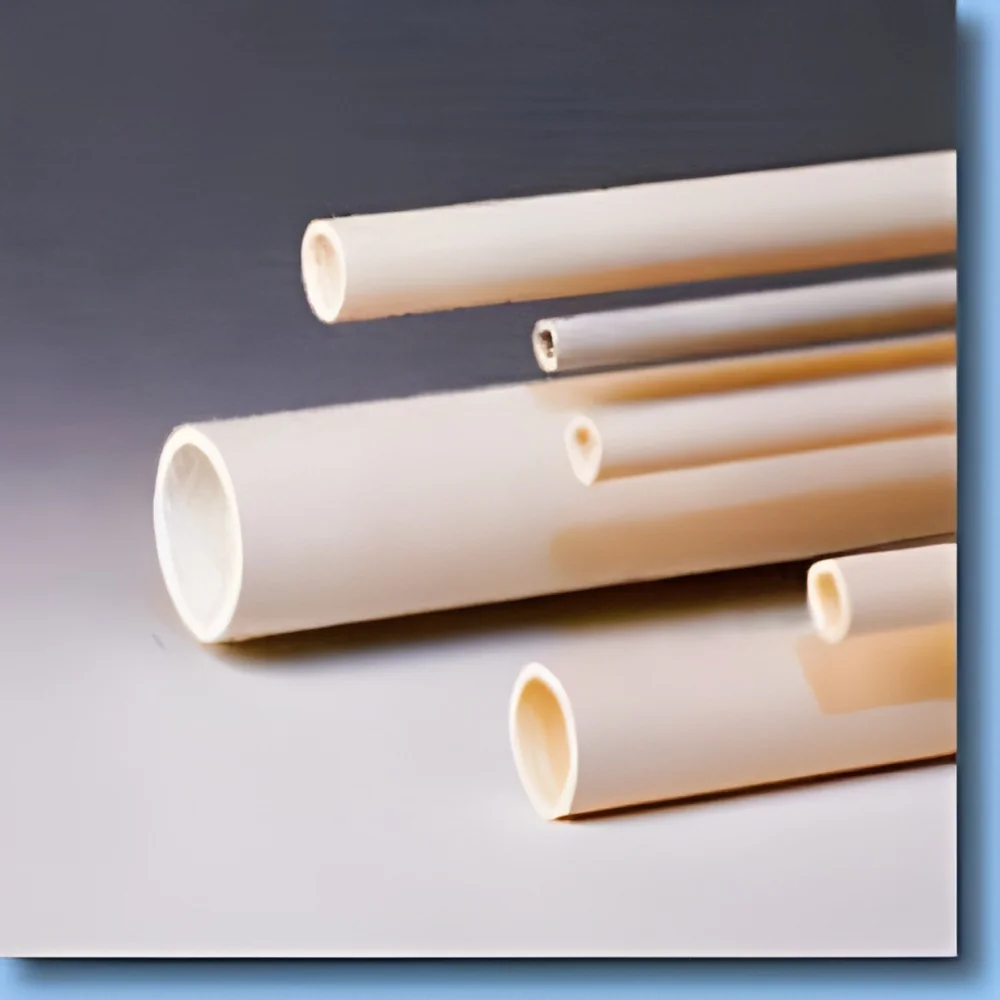
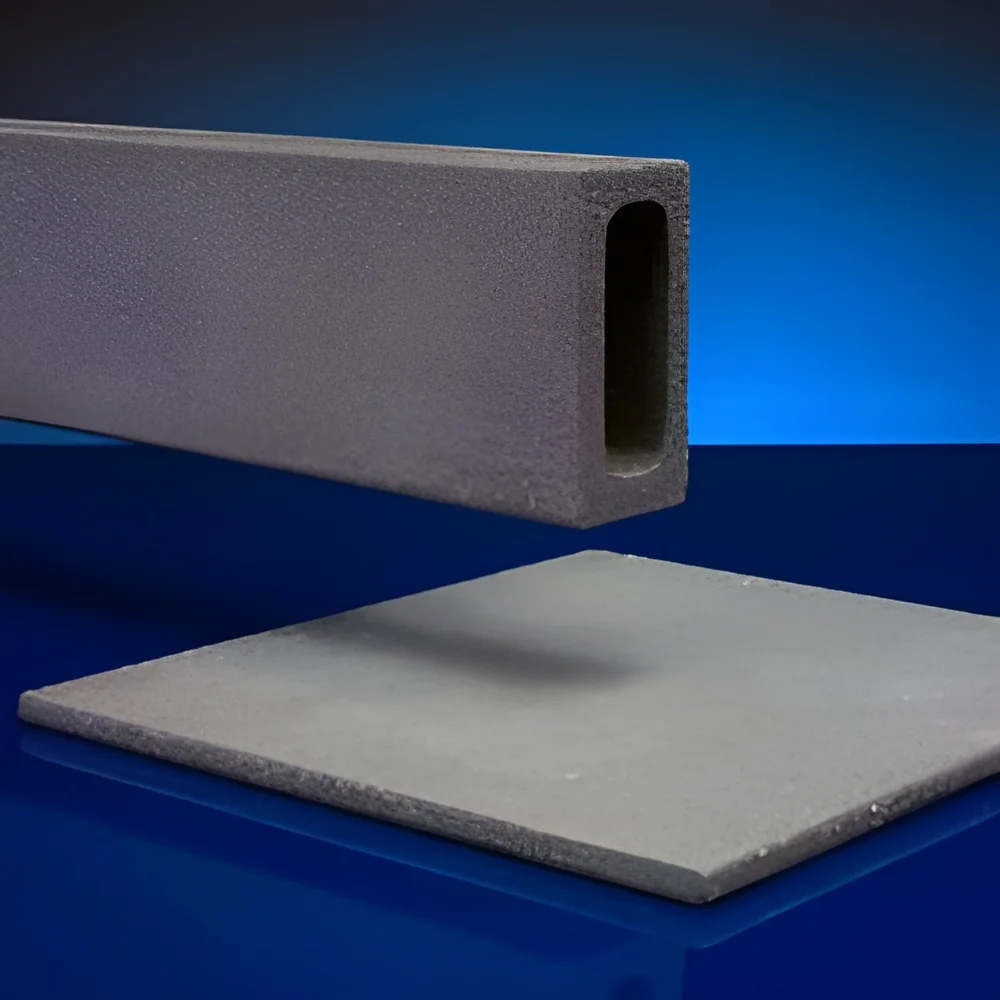
Recrystallized alumina kiln furniture represents a high-performance solution for industrial thermal processing, designed to withstand extreme temperatures while maintaining structural integrity. Manufactured through advanced recrystallization techniques, these components achieve exceptional purity and density, resulting in superior thermal stability and mechanical strength. Their low thermal mass enables rapid heating and cooling cycles, directly contributing to reduced energy consumption and increased production throughput. This makes them an ideal choice for furnaces and kilns where consistent performance and extended service life are critical to operational success.

These alumina items are extensively used across multiple industries for demanding thermal applications. In ceramics manufacturing, they serve as reliable setters and saggers for firing advanced ceramics and refractories. The metallurgy sector employs them in sintering and annealing processes for metal parts, where tempe...
Recrystallized alumina kiln furniture represents a high-performance solution for industrial thermal processing, designed to withstand extreme temperatures while maintaining structural integrity. Manufactured through advanced recrystallization techniques, these components achieve exceptional purity and density, resulting in superior thermal stability and mechanical strength. Their low thermal mass enables rapid heating and cooling cycles, directly contributing to reduced energy consumption and increased production throughput. This makes them an ideal choice for furnaces and kilns where consistent performance and extended service life are critical to operational success.

These alumina items are extensively used across multiple industries for demanding thermal applications. In ceramics manufacturing, they serve as reliable setters and saggers for firing advanced ceramics and refractories. The metallurgy sector employs them in sintering and annealing processes for metal parts, where temperature uniformity is essential. Electronics manufacturers rely on them for producing semiconductors and capacitors, benefiting from their purity and thermal consistency. Additionally, they are utilized in glass processing for annealing and tempering operations, demonstrating versatility across various high-temperature industrial environments.

The business value of recrystallized alumina kiln furniture lies in its ability to optimize thermal processing operations while reducing overall costs. The low mass design significantly cuts fuel consumption and decreases cycle times, leading to substantial energy savings. Exceptional resistance to thermal shock and chemical erosion minimizes downtime and replacement frequency, ensuring long-term reliability. These components deliver consistent performance under demanding conditions, providing a strong return on investment through improved efficiency, reduced maintenance, and enhanced production quality in continuous manufacturing settings.

Key Features:
- High-purity recrystallized alumina construction for maximum thermal stability
- Low thermal mass design enables faster heating and cooling cycles
- Excellent resistance to thermal shock and mechanical wear
- Maintains structural integrity in oxidizing and inert atmospheres
- High density and purity ensure long service life and reliability

Benefits:
- Reduces energy consumption through efficient thermal cycling
- Increases furnace capacity and production throughput
- Minimizes downtime with exceptional durability and wear resistance
- Enhances product quality with consistent thermal performance
- Provides long-term cost savings through reduced replacement frequency
Specifications
| Additional Information | |
|---|---|
| Country of Origin | India |
| Customisable | No |
Application
Recrystallized alumina kiln furniture is engineered for extreme temperature environments where thermal shock resistance and structural integrity are paramount. These low-mass components serve as setters, plates, and supports in industrial furnaces, enabling efficient heat processing while withstanding rapid thermal cycles. Their design prioritizes energy efficiency and operational reliability, making them indispensable in high-temperature manufacturing processes that demand consistency and durability across continuous production runs.
Industries including ceramics, metallurgy, and electronics utilize these alumina items for critical thermal processes like sintering, annealing, and heat treatment. The material's purity ensures performance in both oxidizing and inert atmospheres, while its mechanical strength reduces deformation under load. This combination supports precision manufacturing needs, providing long service life and minimizing production interruptions in settings where temperature control and product quality are non-negotiable.
- Kiln furniture for firing advanced ceramics and technical refractories in manufacturing.
- Support systems for sintering and annealing processes in metallurgical heat treatment.
- Trays and plates for powder metal component processing in automotive and aerospace industries.
- Setter plates for semiconductor and capacitor production in electronics manufacturing.
- Annealing racks and furnace fixtures for glass tempering and processing operations.
Trade Details
| Available Stock | In Stock |
| Sample Availability | No |
Payment Terms
| Payment Terms |
|
Company Profile
Chanda Electrotherm Private Limited, Karnataka
 Karnataka, India
Karnataka, IndiaIndustrial Equipment & Machinery•Manufacturer•Distributor / Wholesaler•Importer / Exporter
Factory Details
Factory SizeBelow 1000 sqm
Annual Production Capacity0
Main Markets
Domestic
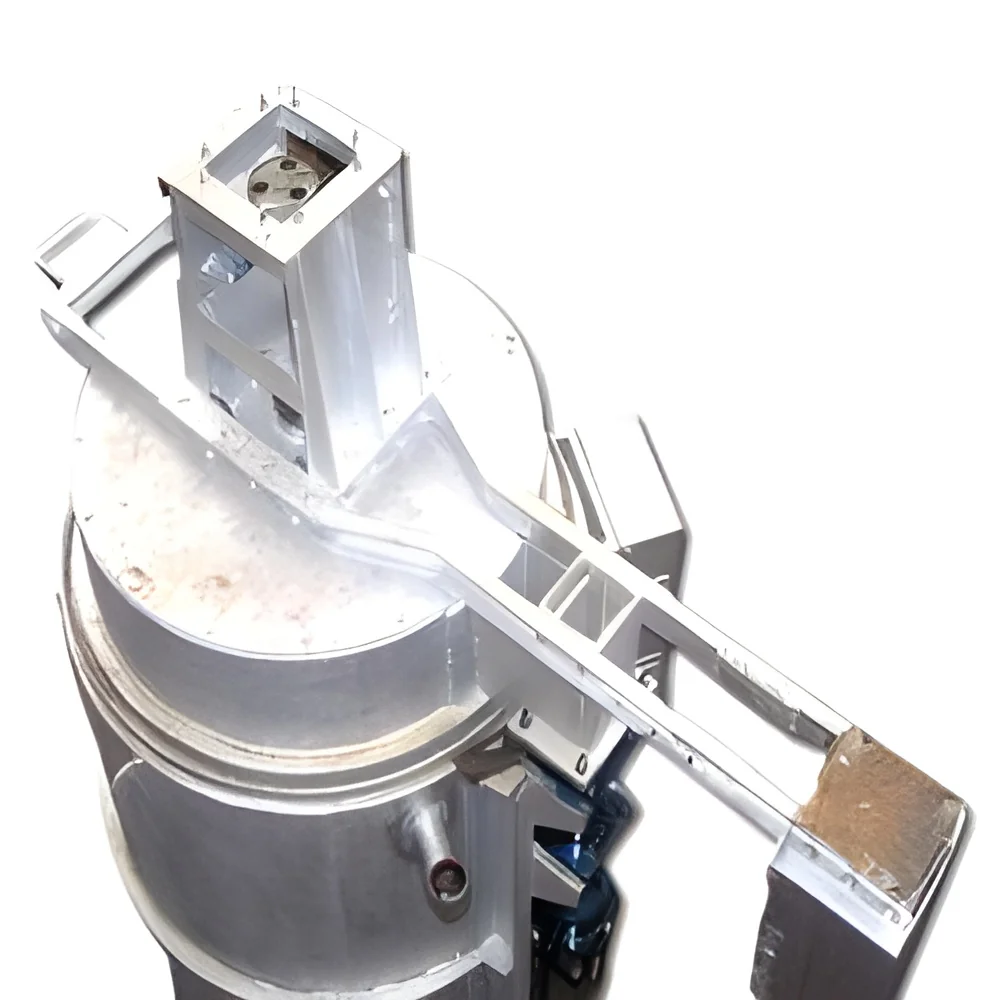
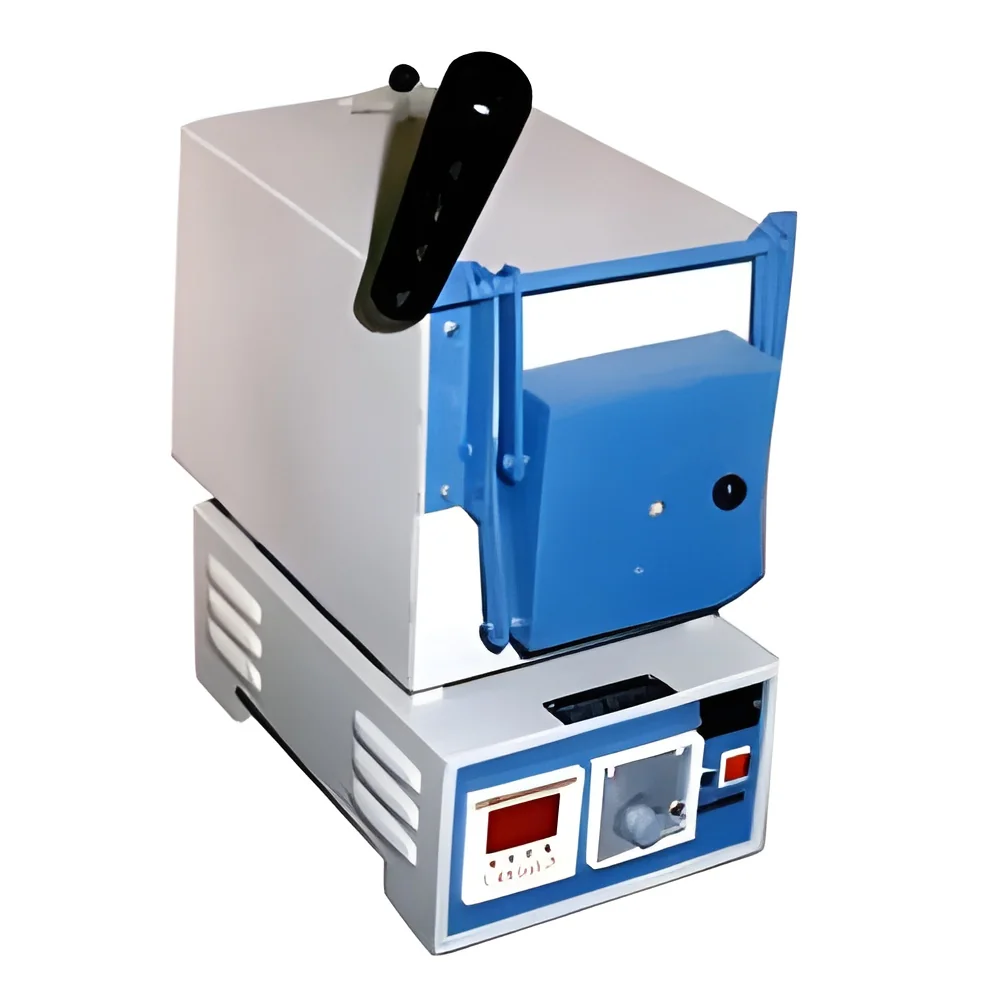
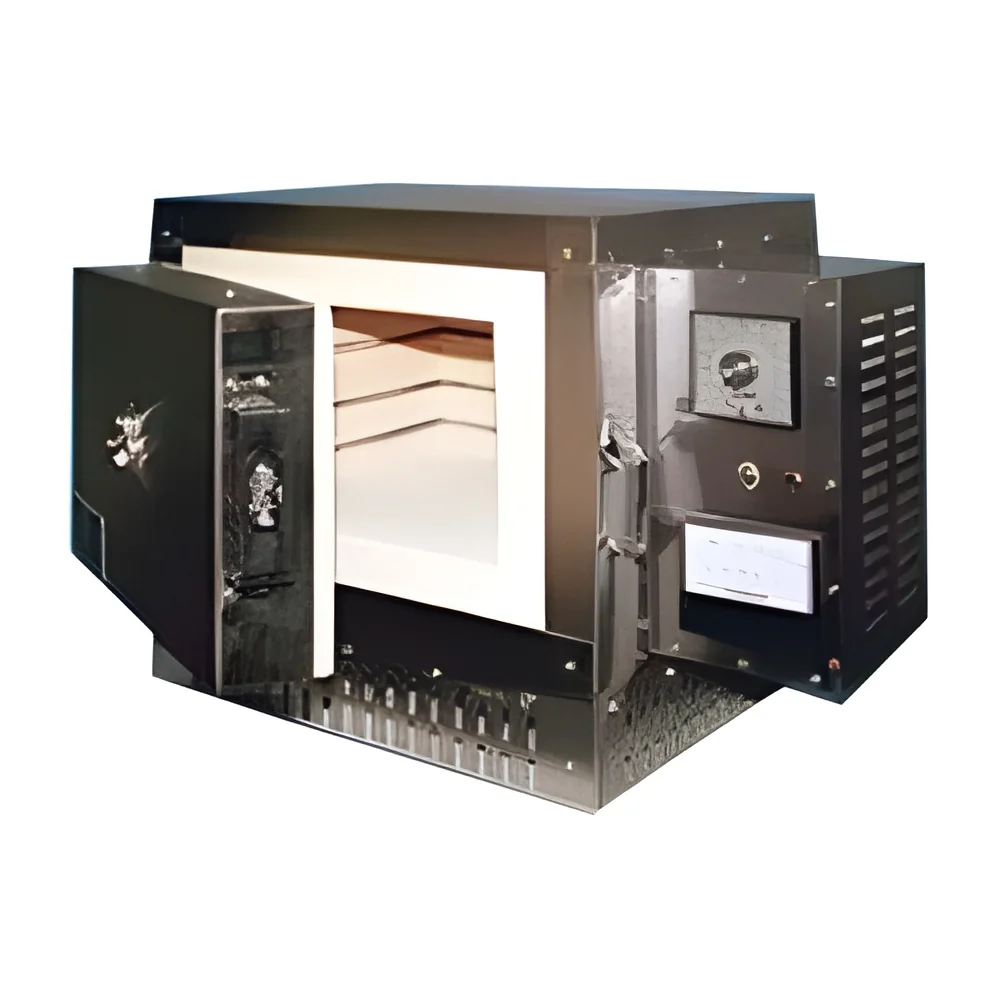
Industrial Furnace Recrystallized Alumina Kiln Furniture Low Mass
Industrial Furnace Recrystallized Alumina Kiln Furniture offers low-mass, high-performance thermal solutions for ceramics, metallurgy, and electronics, reducing energy costs and increasing furnace capacity with superior thermal efficiency.
Min. Order Quantity: 1 unit
Shipping
Shipping fee and delivery date to be negotiated. Contact supplier now for more details.
Chanda Electrotherm Private Limited
 Karnataka, India
Karnataka, IndiaIndustrial Equipment & MachineryManufacturer