IN
IN₹
Apparel & Fashion
Description
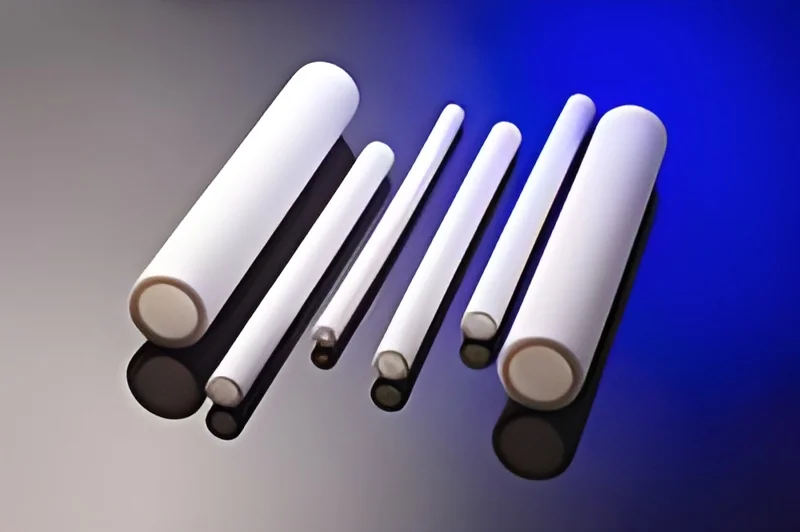
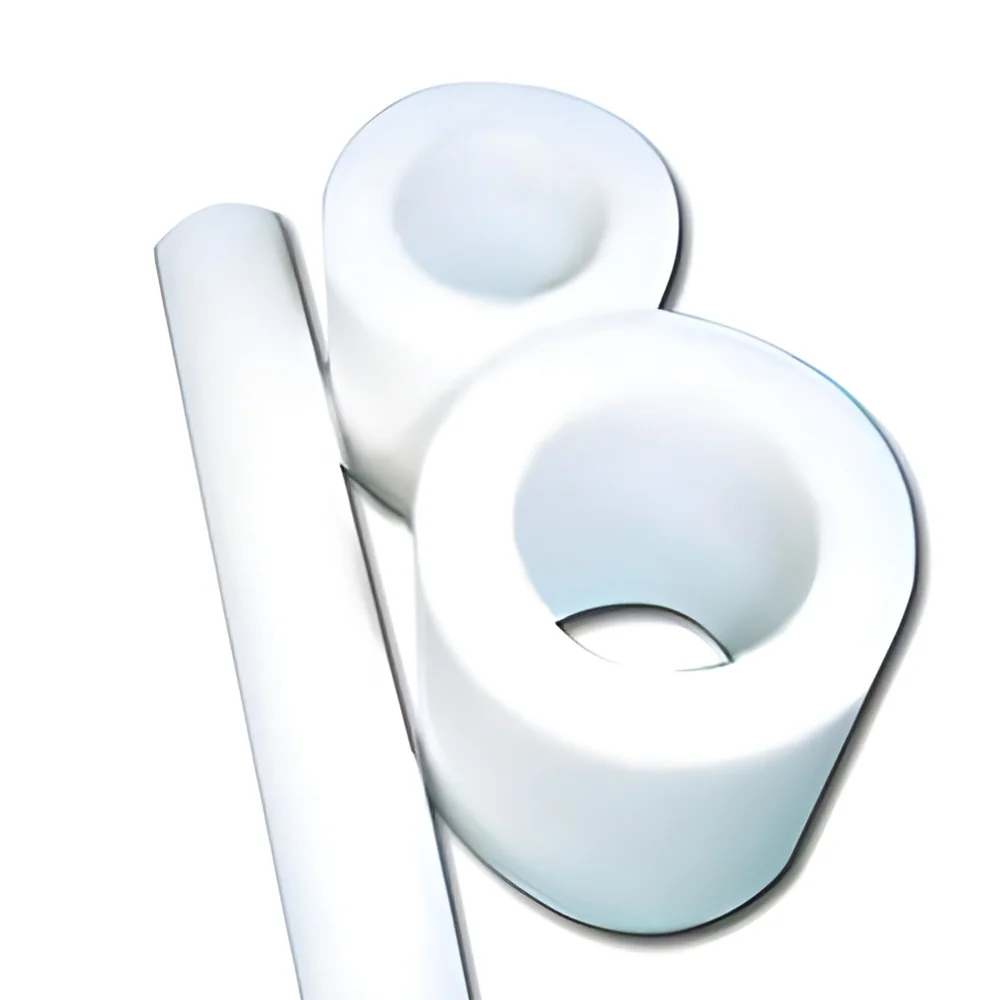
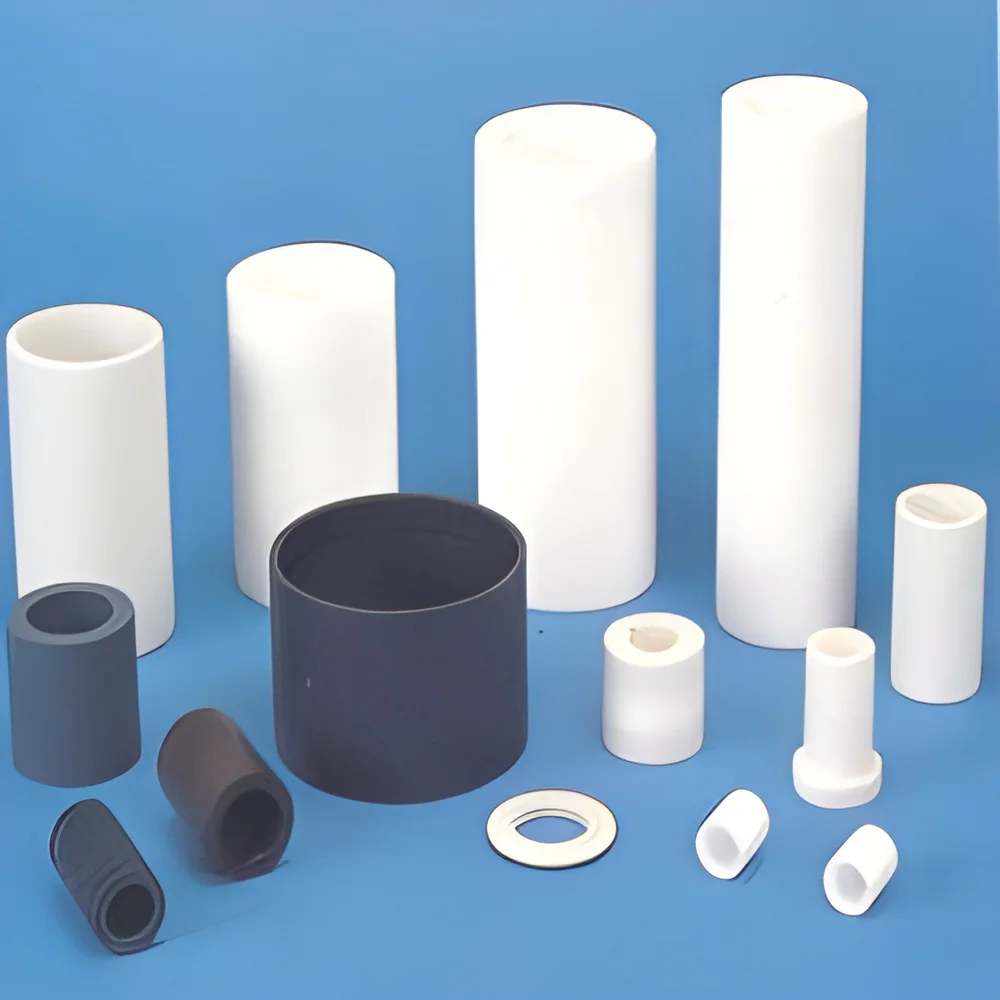
Industrial PTFE rods and bushes are precision-engineered from high-purity polytetrafluoroethylene to deliver exceptional performance in demanding industrial settings. These components leverage PTFE's naturally low coefficient of friction, making them ideal as ready-to-use bearing solutions without requiring additional lubrication systems. The material's unique molecular structure provides inherent lubricity, complete chemical inertness, and remarkable thermal stability across an extensive temperature spectrum from -200°C to +260°C. Additional advantages include superior non-stick characteristics and excellent electrical insulation properties, enhancing their versatility for diverse technical applications. Manufacturers consistently choose these components for their proven reliability and consistent performance under challenging operational conditions.

These PTFE components find extensive utilization across multiple industrial sectors including automotive manufacturing, aerospace engin...
Industrial PTFE rods and bushes are precision-engineered from high-purity polytetrafluoroethylene to deliver exceptional performance in demanding industrial settings. These components leverage PTFE's naturally low coefficient of friction, making them ideal as ready-to-use bearing solutions without requiring additional lubrication systems. The material's unique molecular structure provides inherent lubricity, complete chemical inertness, and remarkable thermal stability across an extensive temperature spectrum from -200°C to +260°C. Additional advantages include superior non-stick characteristics and excellent electrical insulation properties, enhancing their versatility for diverse technical applications. Manufacturers consistently choose these components for their proven reliability and consistent performance under challenging operational conditions.

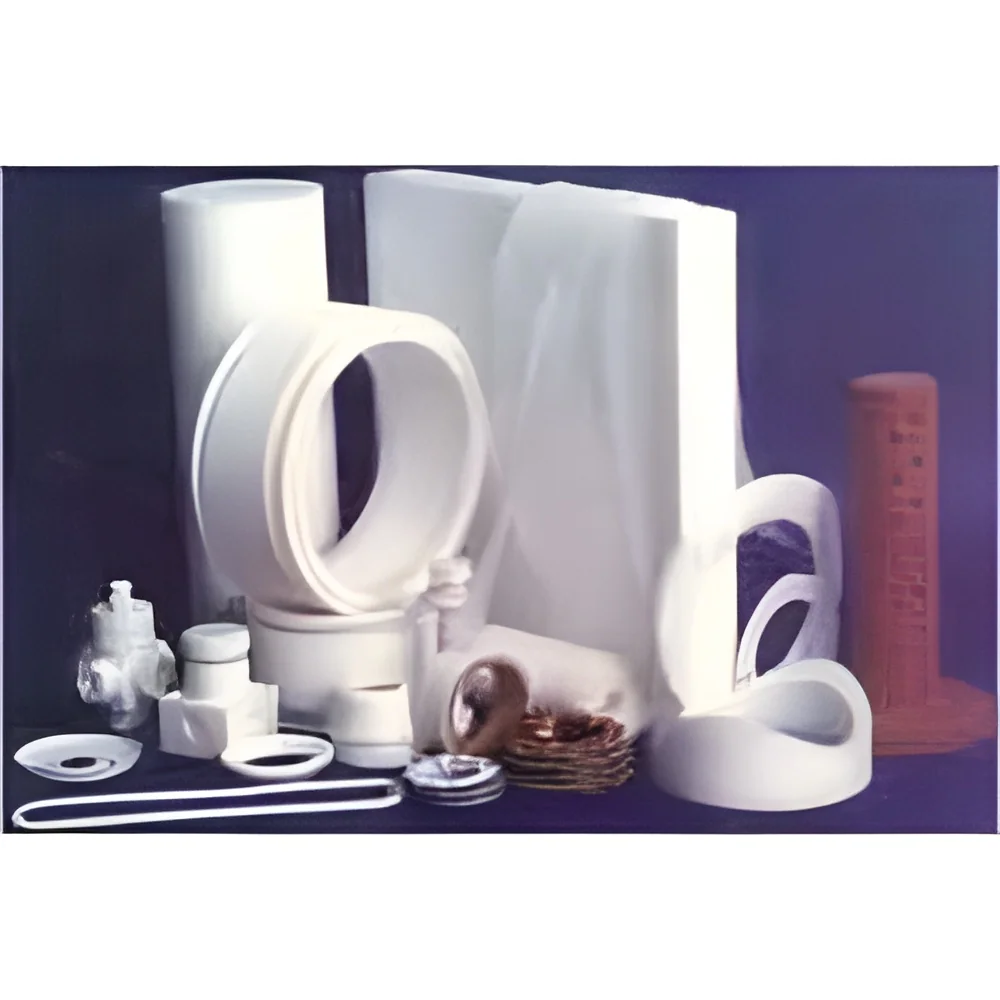
These PTFE components find extensive utilization across multiple industrial sectors including automotive manufacturing, aerospace engineering, chemical processing facilities, food production plants, and pharmaceutical operations. In automotive applications, they serve as critical bearing elements within steering mechanisms and suspension systems where reliability is paramount. The chemical industry depends on them for seals, bushings, and bearings in pumps and valves handling aggressive fluids and corrosive substances. Food processing equipment incorporates PTFE parts where hygienic, non-stick surfaces are essential for product quality and safety. Electrical and electronics industries employ them as insulating bushings in high-voltage applications where material degradation would pose significant risks.

The business value of PTFE rods and bushes centers on their ability to significantly reduce maintenance costs and extend equipment operational lifespan through superior wear resistance and durability. Their proven reliability ensures consistent machinery operation with minimal unplanned downtime, while their exceptional chemical resistance eliminates concerns about material degradation in harsh operating environments. These components deliver excellent return on investment through reduced lubrication requirements, extended service intervals, and decreased replacement frequency. Manufacturers benefit from consistent dimensional stability and predictable performance characteristics across production batches, ensuring seamless integration into existing systems and processes.

Key Features:
- Exceptionally low coefficient of friction for smooth bearing operation
- Superior chemical resistance to acids, bases, and solvents
- Wide operating temperature range from -200°C to +260°C
- High dielectric strength and electrical insulation properties
- Consistent dimensional stability and mechanical strength

Benefits:
- Reduced maintenance costs through extended component lifespan
- Minimal lubrication requirements for simplified operation
- Enhanced equipment reliability with reduced downtime
- Superior performance in harsh chemical environments
- Consistent operational performance across temperature extremes
Specifications
| Additional Information | |
|---|---|
| Country of Origin | India |
Application
PTFE rods and bushes deliver reliable performance in environments where friction reduction and chemical resistance are essential. These components function as durable bearing materials, ensuring smooth mechanical operation and extended equipment lifespan even under high loads and extreme temperatures where traditional materials would deteriorate.
These versatile components serve critical roles across automotive, aerospace, chemical processing, and food manufacturing sectors. Their exceptional performance in corrosive substance handling, extreme temperature conditions, and strict hygiene requirements makes them indispensable. The material's inherent properties allow for consistent operation across diverse industrial applications without compromising reliability or safety.
- Automotive steering systems and suspension components requiring low-friction bearings
- Material handling equipment including conveyor systems and slide plates
- Chemical processing equipment seals and bushings resistant to corrosive fluids
- Food processing machinery components requiring non-stick and hygienic surfaces
- Electrical assemblies utilizing insulating bushings for high-voltage applications
Trade Details
| Available Stock | In Stock |
| Sample Availability | No |
Payment Terms
| Payment Terms |
|
Company Profile
Apex Trading Company, Maharashtra
 Maharashtra, India
Maharashtra, IndiaRaw Materials & Chemicals•Manufacturer•Trading Company•Importer / Exporter
Factory Details
Factory SizeBelow 1000 sqm
Annual Production Capacity0
Industrial PTFE Rods And Bushes Low Friction Bearing Solutions
Industrial PTFE rods and bushes provide superior low-friction bearing solutions with excellent chemical resistance and durability for demanding machinery applications across various industries.
Min. Order Quantity: 1 unit
Shipping
Shipping fee and delivery date to be negotiated. Contact supplier now for more details.
Apex Trading Company
 Maharashtra, India
Maharashtra, IndiaRaw Materials & ChemicalsManufacturer