IN
₹
Apparel & Fashion

Description
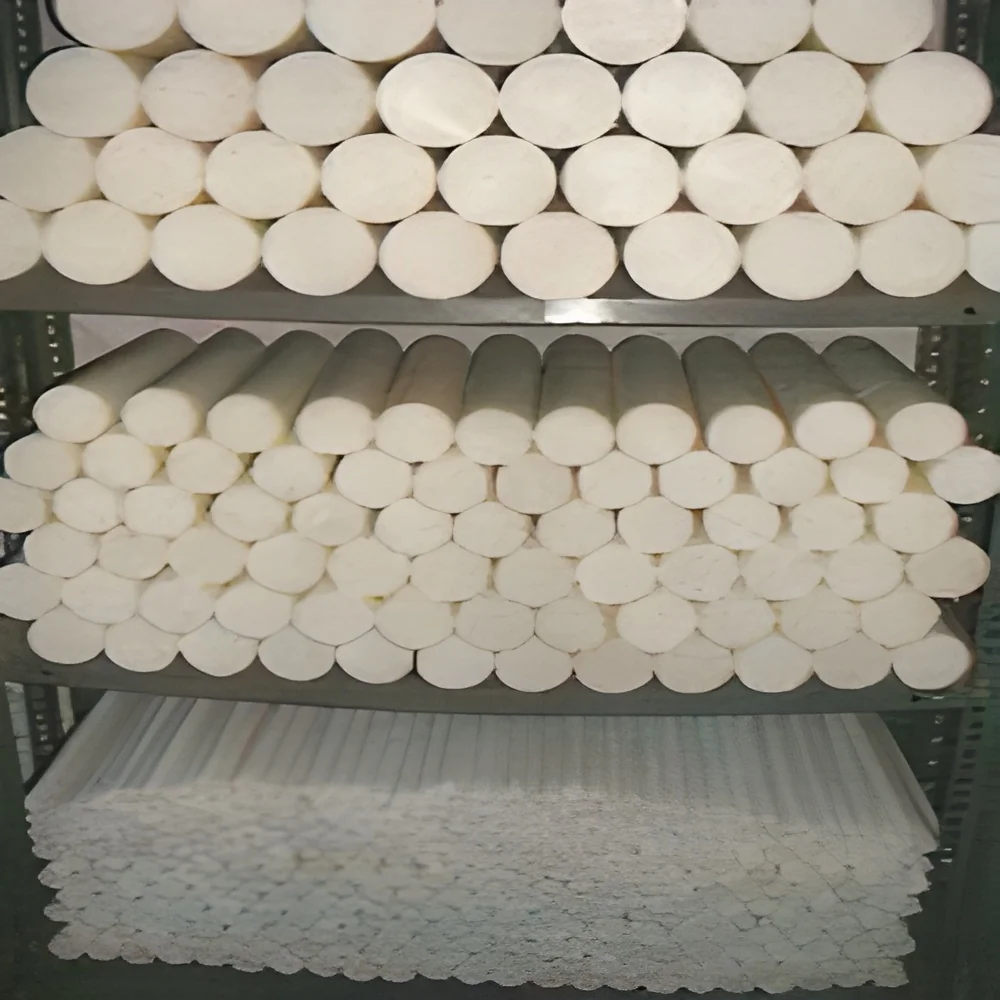
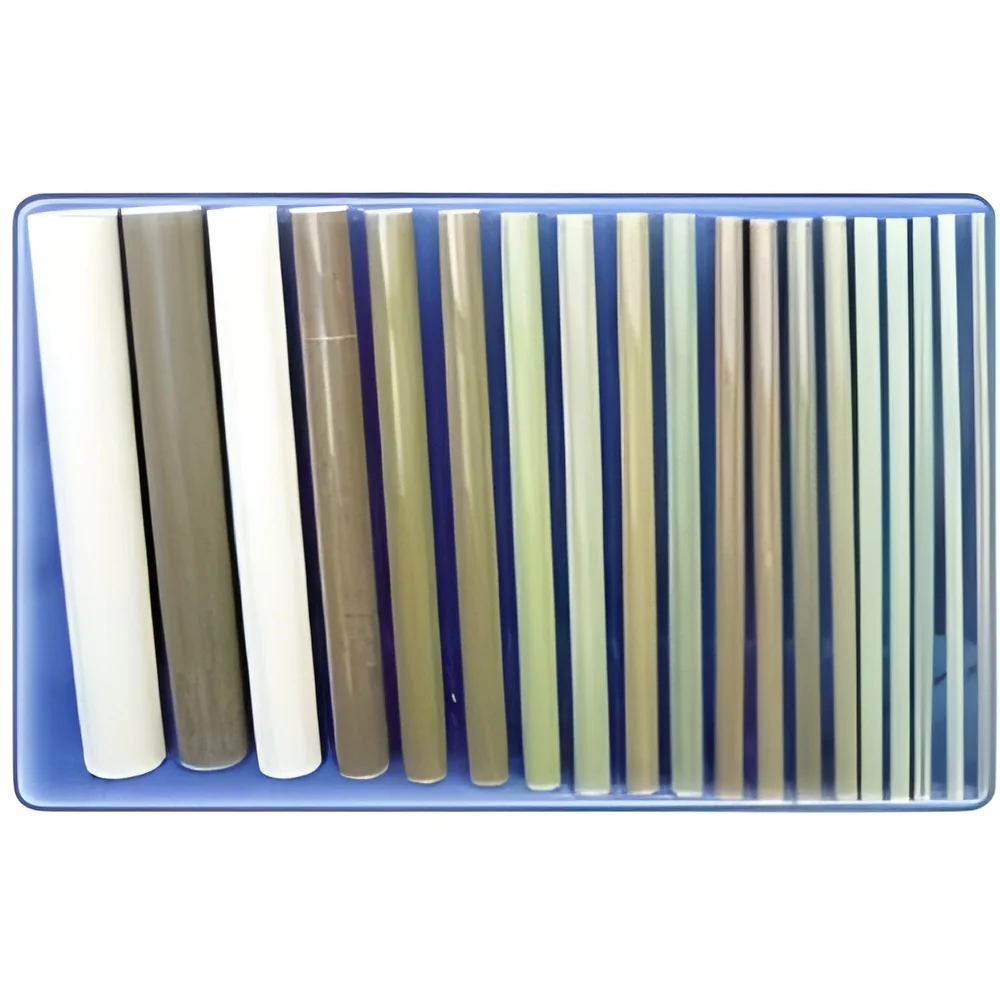
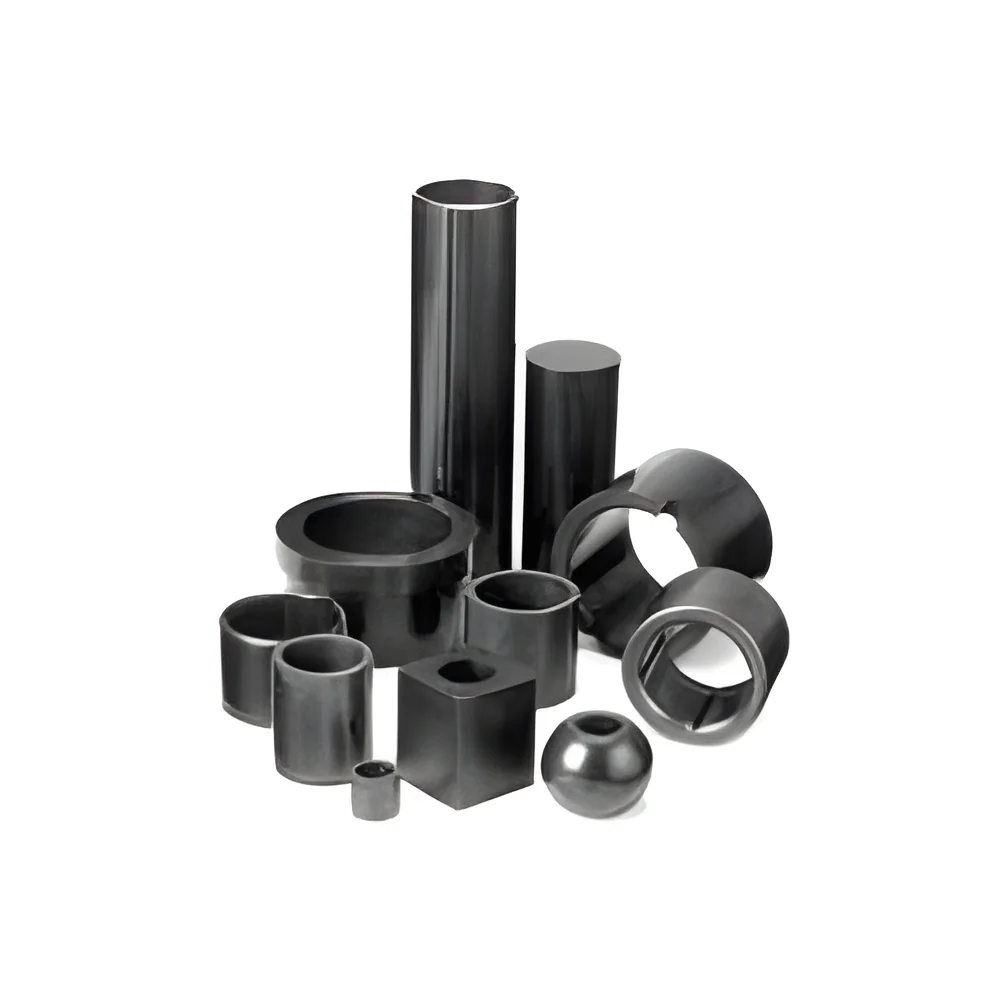
Industrial PTFE components represent high-performance polymer solutions engineered for demanding industrial applications. These components demonstrate exceptional chemical resistance, low friction coefficients, and reliable thermal stability across a wide temperature range from -200°C to 260°C. The material's unique properties make it suitable for applications where exposure to aggressive chemicals, extreme temperatures, or demanding mechanical conditions would compromise conventional materials. PTFE can be utilized in pure form or enhanced with various fillers to improve mechanical strength, wear resistance, and dimensional stability, providing engineers with versatile solutions for challenging operational environments.

Multiple industries depend on PTFE components for critical applications requiring chemical inertness and reliable performance. Chemical processing facilities utilize PTFE for seals, gaskets, and valve parts that regularly contact corrosive acids and solvents. Automoti...
Industrial PTFE components represent high-performance polymer solutions engineered for demanding industrial applications. These components demonstrate exceptional chemical resistance, low friction coefficients, and reliable thermal stability across a wide temperature range from -200°C to 260°C. The material's unique properties make it suitable for applications where exposure to aggressive chemicals, extreme temperatures, or demanding mechanical conditions would compromise conventional materials. PTFE can be utilized in pure form or enhanced with various fillers to improve mechanical strength, wear resistance, and dimensional stability, providing engineers with versatile solutions for challenging operational environments.

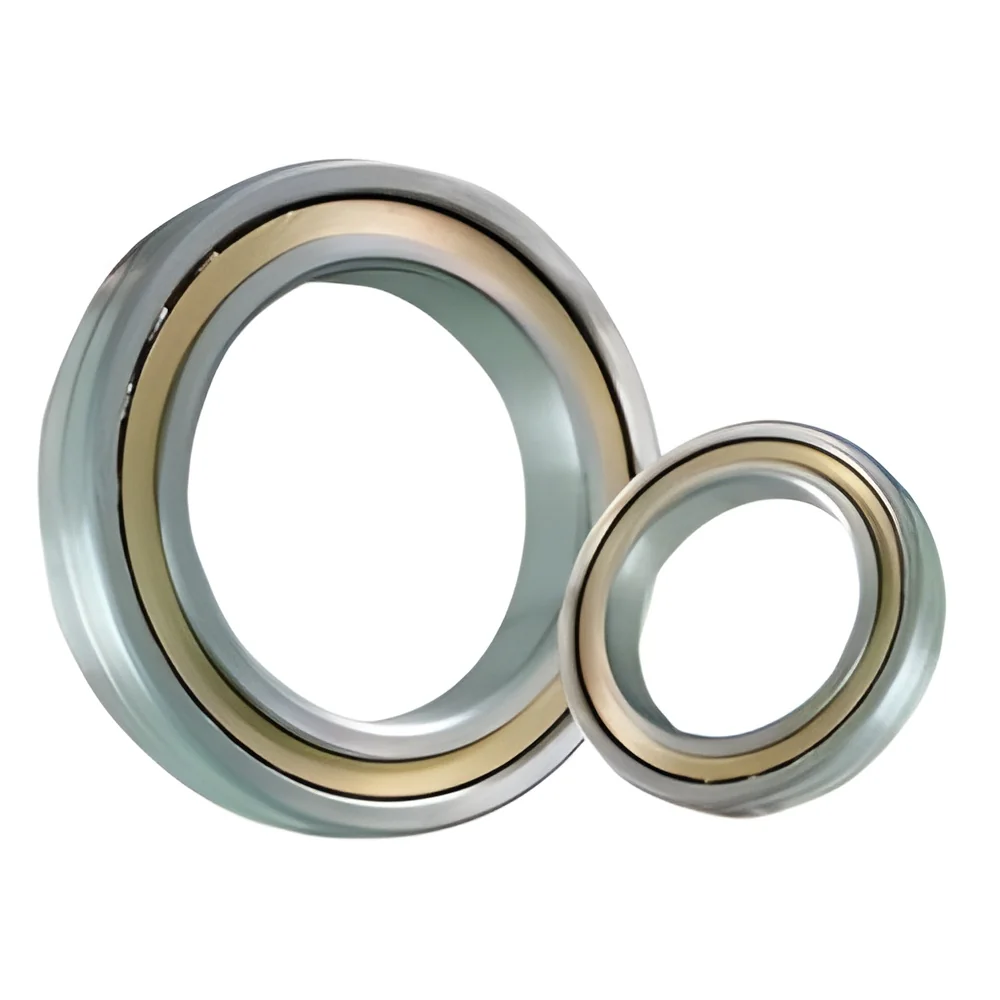
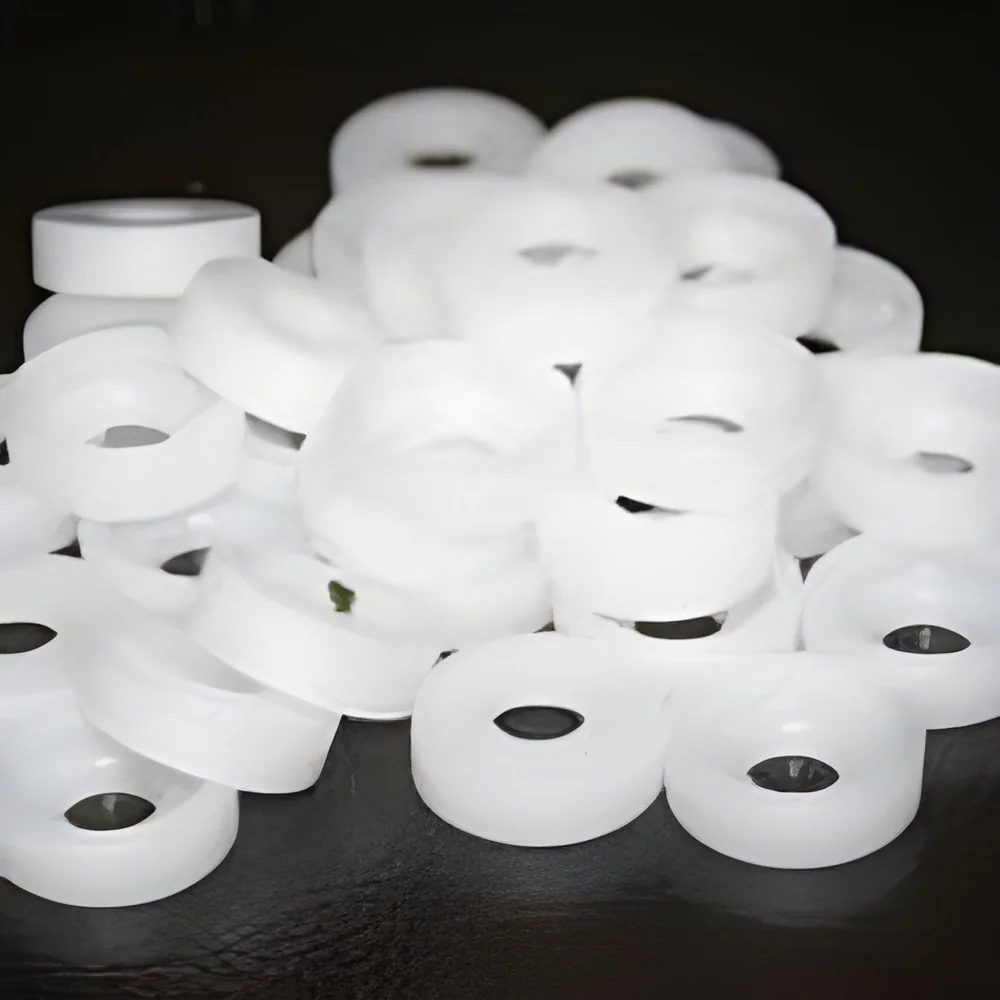
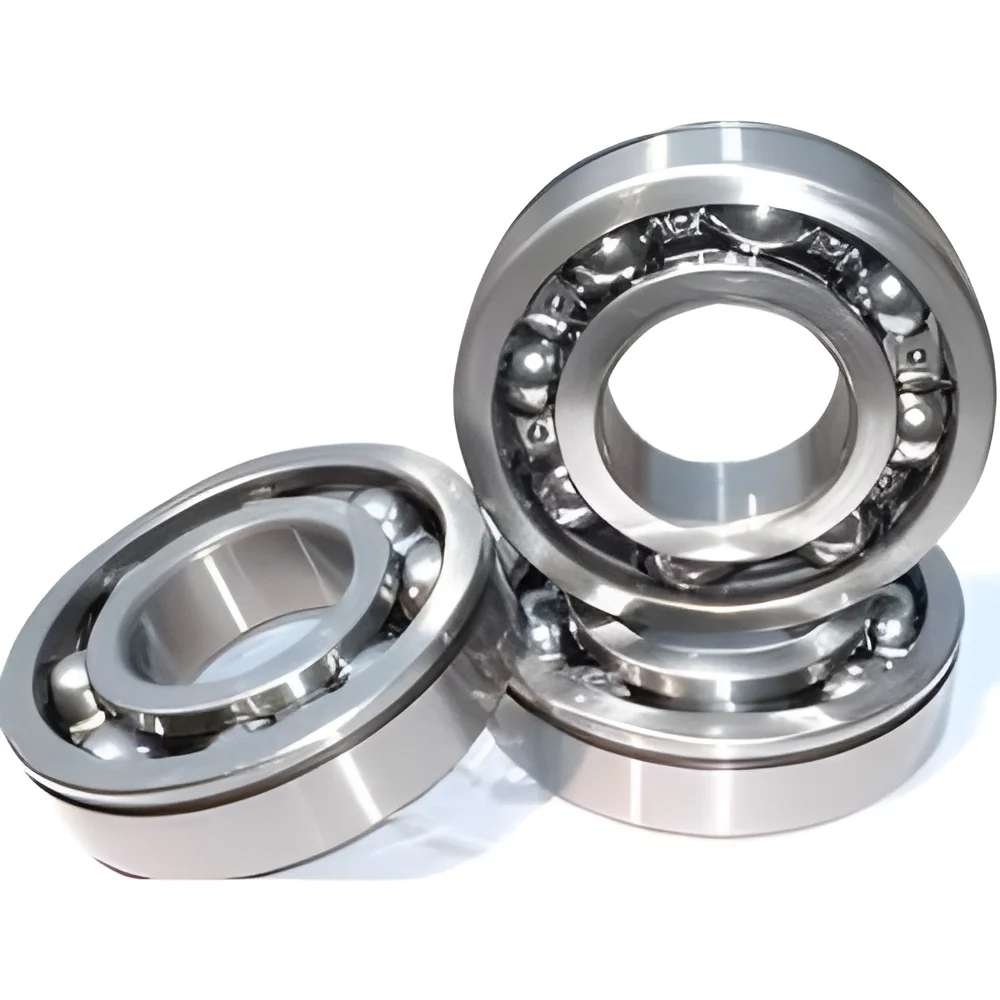
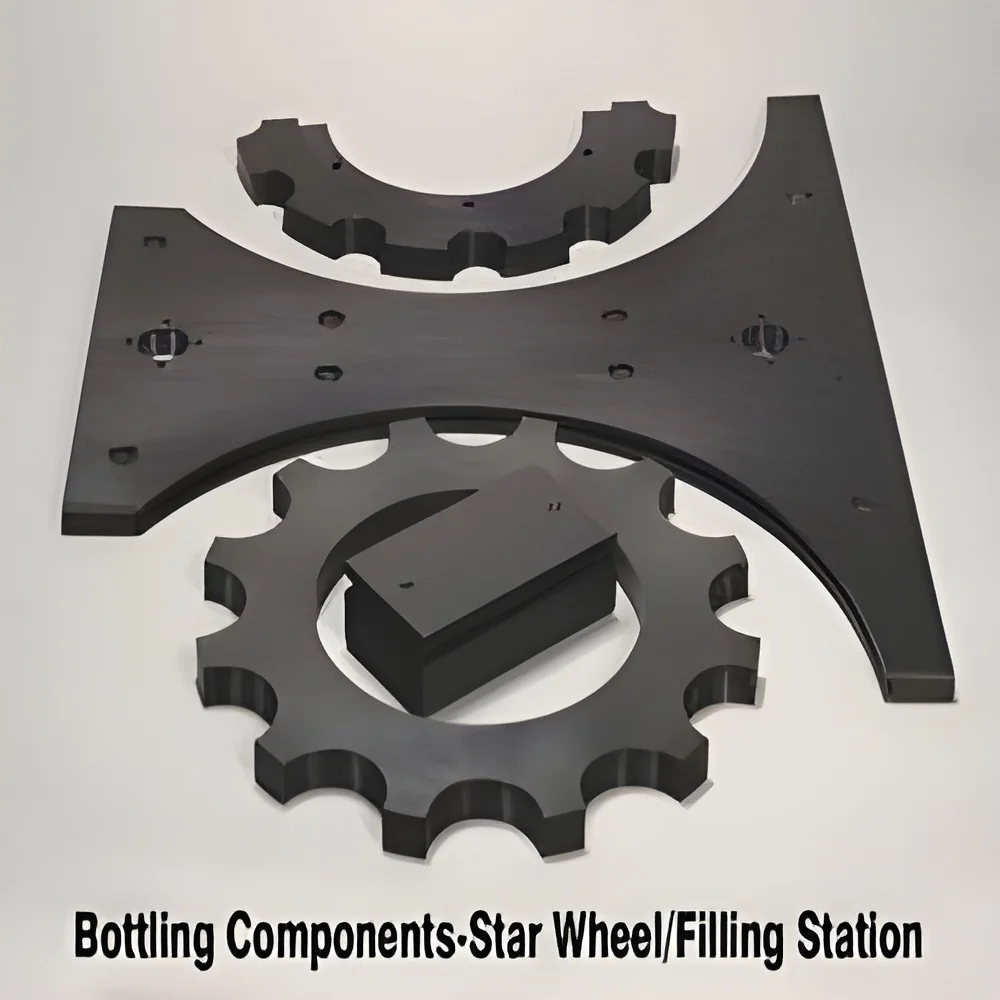
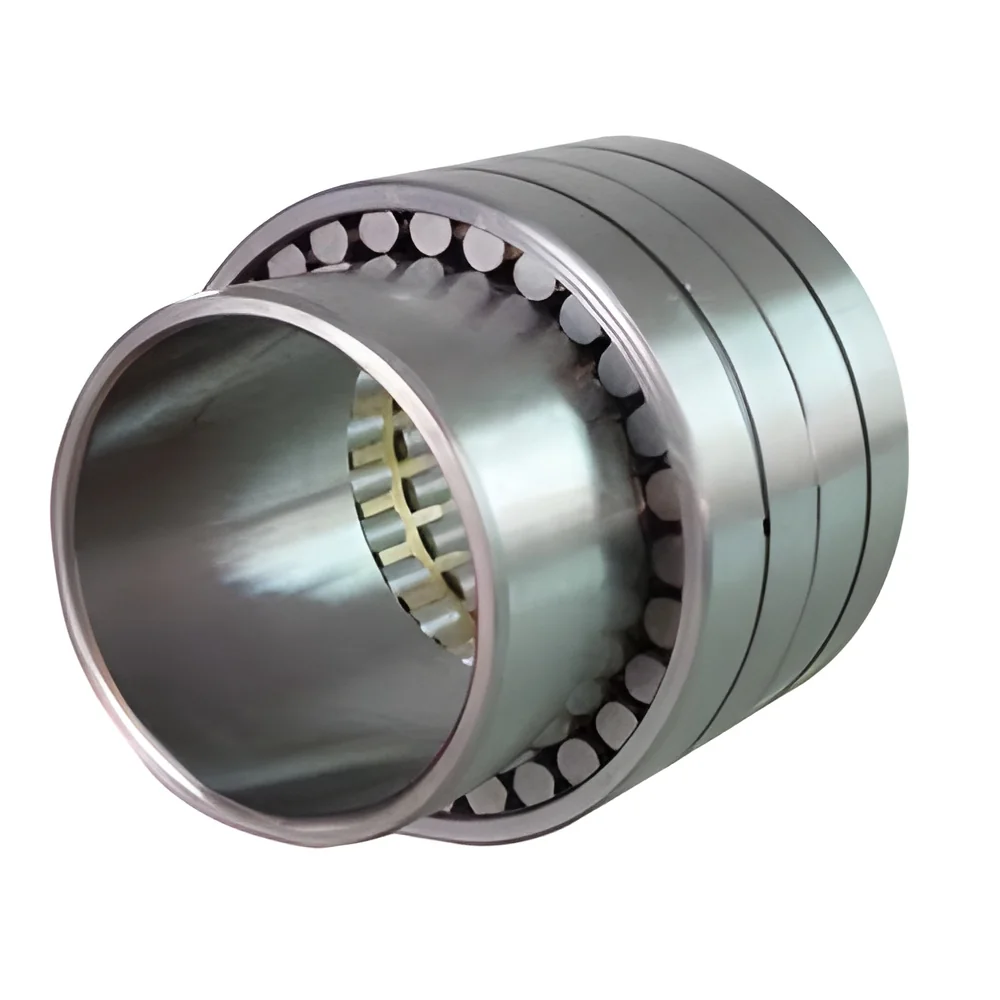
Multiple industries depend on PTFE components for critical applications requiring chemical inertness and reliable performance. Chemical processing facilities utilize PTFE for seals, gaskets, and valve parts that regularly contact corrosive acids and solvents. Automotive manufacturers incorporate these components as bushings, bearings, and thrust washers to reduce friction and wear in engines and transmission systems. Food production operations employ PTFE for conveyor systems, processing equipment linings, and components that require FDA-compliant, non-toxic materials. Pharmaceutical companies specify PTFE for sterile machinery parts to prevent contamination, while aerospace applications rely on PTFE insulators and coatings for thermal and electrical protection in extreme conditions.

PTFE components deliver substantial business value through enhanced operational reliability, reduced maintenance requirements, and extended service life. The material's inherent properties including chemical inertness, low friction characteristics, and temperature resilience ensure consistent performance while minimizing the risk of failure in critical systems. This reliability establishes confidence among industrial buyers seeking high-quality parts that meet international standards and specifications. By selecting PTFE components, operations benefit from solutions that support sustainability through durability and reduced replacement frequency, providing strong return on investment for industrial applications where downtime and maintenance costs significantly impact operational efficiency.

Key Features:
- Exceptional resistance to chemicals including acids, bases, and solvents
- Wide operating temperature range from -200°C to 260°C
- Low friction coefficient minimizing wear and energy consumption
- Customizable with fillers including glass, carbon, or bronze for enhanced properties
- Superior dielectric strength suitable for electrical insulation applications

Benefits:
- Extended component lifespan reducing replacement frequency and costs
- Reduced maintenance requirements through inherent wear resistance
- Enhanced operational safety in chemical and high-temperature environments
- Improved energy efficiency through low friction characteristics
- Reliable performance across diverse industrial applications and conditions
Specifications
| Additional Information | |
|---|---|
| Country of Origin | India |
Application
PTFE components excel in environments where chemical resistance, low friction, and thermal stability are critical. These industrial-grade polymer parts maintain performance when exposed to aggressive chemicals, extreme temperatures, and demanding mechanical conditions. Their inherent properties make them suitable for applications where other materials would degrade or fail prematurely, ensuring long-term operational reliability across multiple sectors.
These versatile components serve essential functions in chemical processing, automotive systems, food production equipment, pharmaceutical machinery, and aerospace applications. Engineers specify PTFE for seals, bearings, gaskets, and linings that require non-stick surfaces, electrical insulation, and minimal maintenance. The material's ability to reduce friction and wear extends equipment life while maintaining performance in challenging operating environments.
- Chemical processing plants: Seals and valve components resistant to corrosive acids and solvents
- Automotive systems: Bushings and bearings that minimize friction in high-temperature engine compartments
- Food processing equipment: Non-stick conveyor parts and sanitary linings meeting hygiene standards
- Pharmaceutical manufacturing: Sterile equipment components with minimal contamination risk
- Aerospace applications: Insulators and gaskets performing under extreme temperature and pressure conditions
Trade Details
| Available Stock | In Stock |
| Sample Availability | No |
Payment Terms
| Payment Terms |
|
Company Profile
Bearings International Co, Tamil Nadu
 Tamil Nadu, India
33 yrs
Wholesaler
Factory Details
Factory SizeBelow 1000 sqm
Annual Production Capacity0
Industrial PTFE Components For Chemical Resistance And Low Friction
Industrial PTFE components deliver exceptional chemical resistance and low friction performance. These high-performance polymer parts withstand extreme temperatures from -200°C to 260°C for demanding industrial applications requiring reliability and durability.
Min. Order Quantity: 1 unit
Shipping
Shipping fee and delivery date to be negotiated. Contact supplier now for more details.
Bearings International Co
 Tamil Nadu, India
Wholesaler