IN
IN₹
Apparel & Fashion
Description
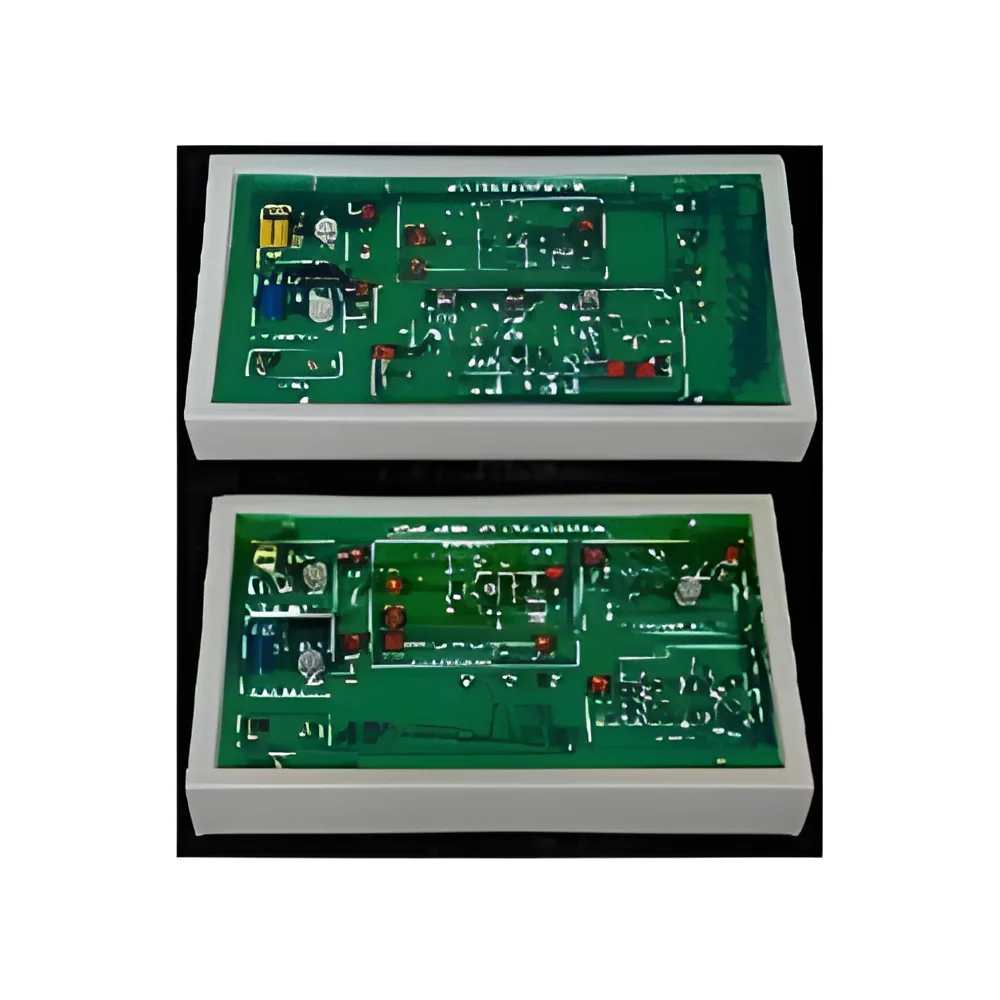
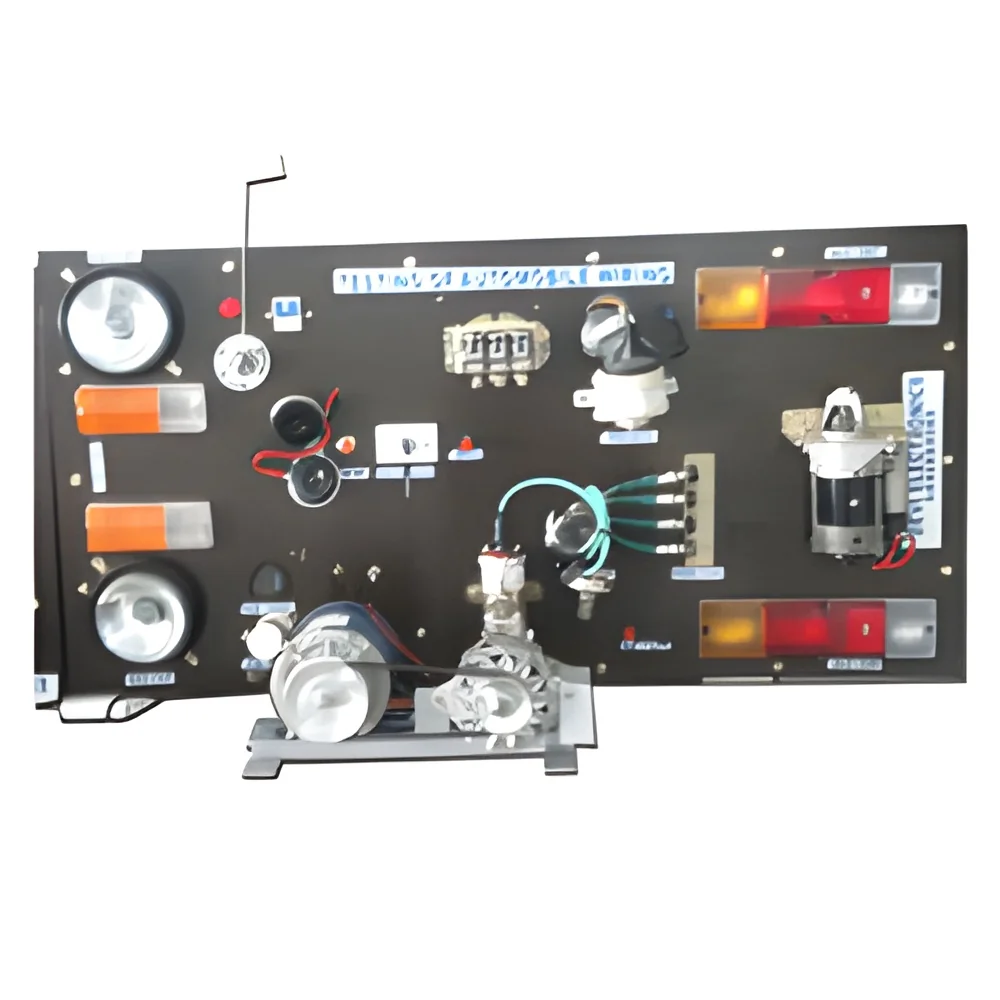
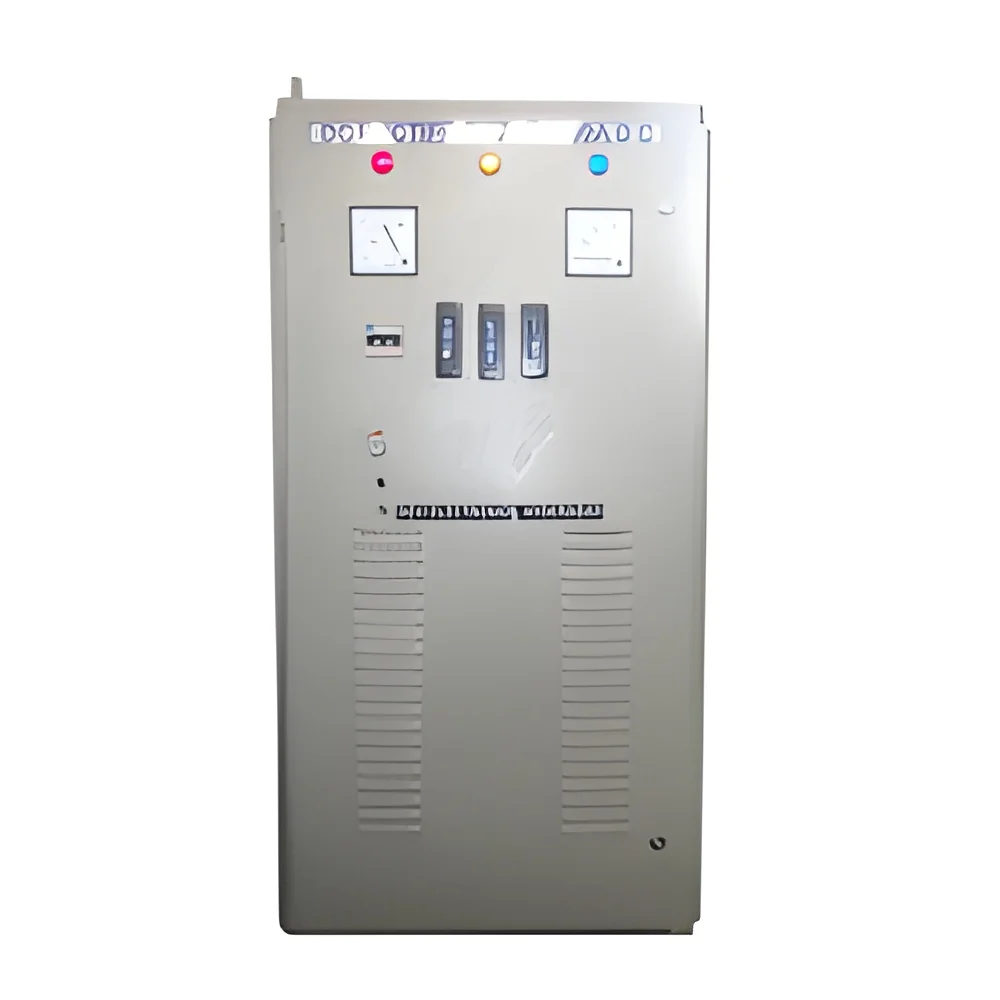
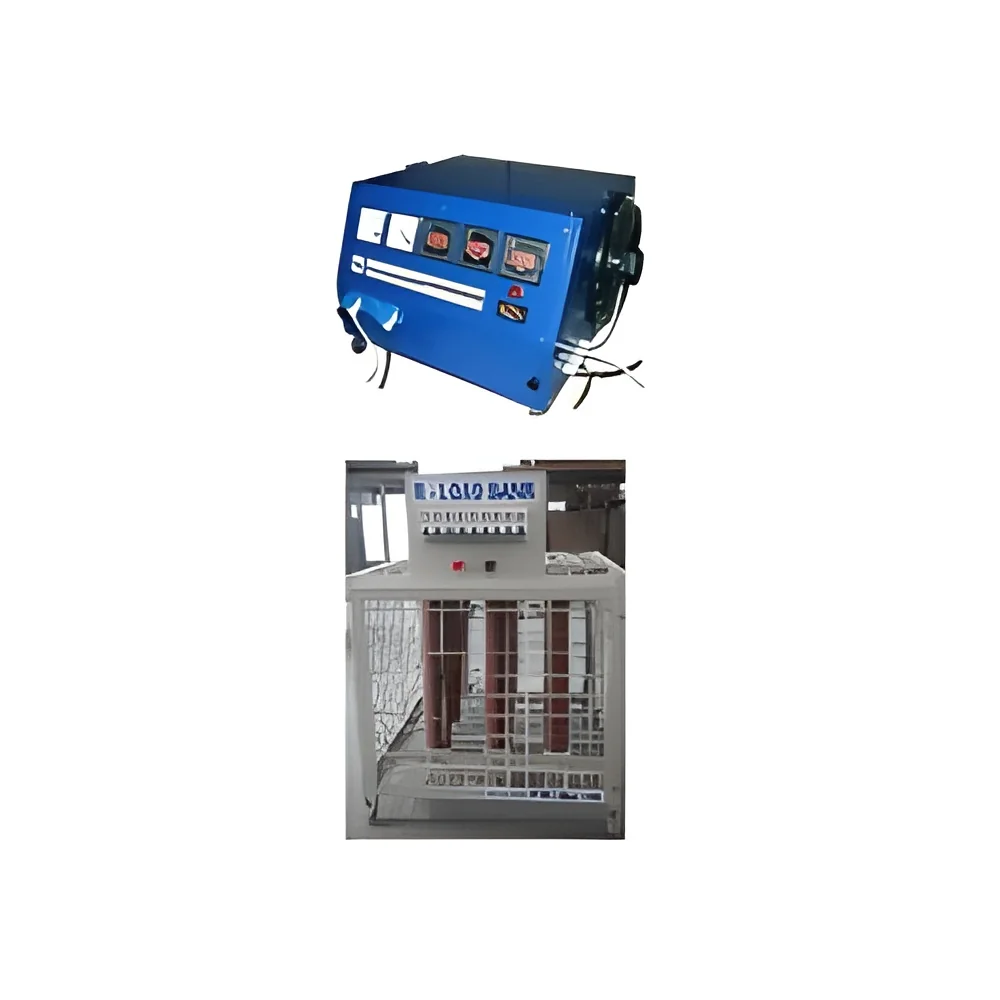
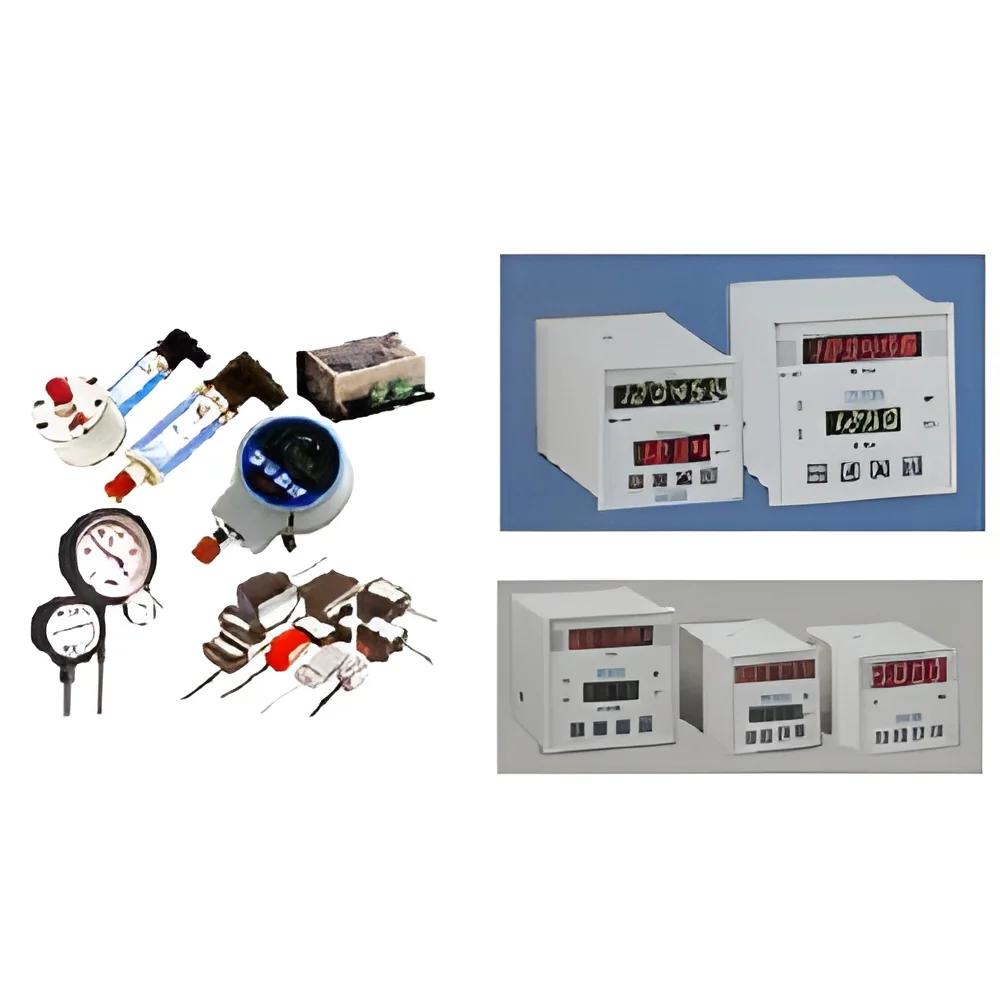
Industrial process instruments represent advanced engineering solutions designed for precision measurement and control in demanding operational environments. These tools undergo rigorous development and testing to ensure they deliver exceptional accuracy, reliability, and performance where it matters most. Whether monitoring process variables, controlling operational parameters, or collecting critical data, each instrument provides trustworthy functionality that supports professionals in maintaining high standards of quality and efficiency. The robust construction and precise engineering make these instruments suitable for complex industrial processes where dependable performance and exact measurements are essential for success.

Multiple industries rely on these instruments for their critical measurement and control requirements. Chemical processing facilities utilize them to maintain precise control over reactions and process conditions, ensuring product consistency and safety. Pharm...
Industrial process instruments represent advanced engineering solutions designed for precision measurement and control in demanding operational environments. These tools undergo rigorous development and testing to ensure they deliver exceptional accuracy, reliability, and performance where it matters most. Whether monitoring process variables, controlling operational parameters, or collecting critical data, each instrument provides trustworthy functionality that supports professionals in maintaining high standards of quality and efficiency. The robust construction and precise engineering make these instruments suitable for complex industrial processes where dependable performance and exact measurements are essential for success.

Multiple industries rely on these instruments for their critical measurement and control requirements. Chemical processing facilities utilize them to maintain precise control over reactions and process conditions, ensuring product consistency and safety. Pharmaceutical manufacturers depend on their accuracy for compliance with strict quality standards. Food and beverage producers employ these tools to monitor and regulate processing parameters for product safety and quality. Water treatment plants use them for monitoring flow, pressure, and chemical levels to ensure regulatory compliance. Research institutions benefit from their precision in experimental setups and analytical applications where reliable data drives innovation and discovery.

Choosing these industrial process instruments delivers significant operational advantages including enhanced efficiency, reduced downtime, and long-term cost savings. The reliable performance and durable construction minimize the risk of measurement errors and system failures, ensuring continuous and safe operations. The precision engineering provides accurate data that supports better decision-making and process optimization. These instruments offer exceptional value by supporting businesses in achieving their quality objectives and maintaining competitive positioning. The widespread adoption across industries demonstrates their proven track record of performance and dependability in real-world applications.

Key Features:
- Robust construction designed for demanding industrial environments
- High precision measurement capabilities for accurate data collection
- Reliable control functions for consistent process management
- Durable components ensuring long service life and performance
- Comprehensive quality testing to verify performance standards

Benefits:
- Enhanced operational efficiency through precise process control
- Reduced downtime with reliable performance in demanding conditions
- Improved product quality through accurate monitoring capabilities
- Long-term cost savings from durable construction and minimal maintenance
- Compliance support with consistent performance meeting industry standards
Specifications
| Additional Information | |
|---|---|
| Country of Origin | India |
Application
These precision instruments serve critical functions across industrial settings where accurate measurement and control directly impact operational success. They maintain consistent process parameters, ensure product quality compliance, and deliver reliable performance under challenging conditions. Professionals depend on these tools for real-time monitoring and control capabilities that support efficient and safe operations across multiple industries and applications.
Industries including chemical processing, pharmaceutical manufacturing, food production, water treatment, and research laboratories extensively utilize these instruments. Their versatile design allows seamless integration into existing systems while providing precise data collection and control functions. This adaptability makes them valuable assets for enhancing process efficiency, maintaining safety standards, and achieving regulatory compliance throughout various operational stages and environments.
- Monitoring chemical reactions in pharmaceutical production to ensure consistent purity and yield
- Regulating temperature and pressure parameters in food processing for quality and safety
- Measuring flow rates and chemical levels in water treatment facilities for compliance
- Conducting precise analytical measurements in laboratory research and development
- Automating process control in manufacturing to minimize errors and maximize output
Trade Details
| Available Stock | In Stock |
| Sample Availability | No |
Payment Terms
| Payment Terms |
|
Company Profile
Devi Electronics, Andhra Pradesh
 Andhra Pradesh, India
Andhra Pradesh, IndiaElectronics & Electrical•Manufacturer•Distributor / Wholesaler•Importer / Exporter
Factory Details
Factory SizeBelow 1000 sqm
Annual Production Capacity0
Industrial Process Instruments For Precision Measurement And Control
Industrial process instruments deliver precision measurement and control for demanding applications. Engineered for reliability in chemical, laboratory, and quality control environments with robust construction and accurate performance.
Min. Order Quantity: 1 unit
Shipping
Shipping fee and delivery date to be negotiated. Contact supplier now for more details.
Devi Electronics
 Andhra Pradesh, India
Andhra Pradesh, IndiaElectronics & ElectricalManufacturer