IN
IN₹
Apparel & Fashion
Description
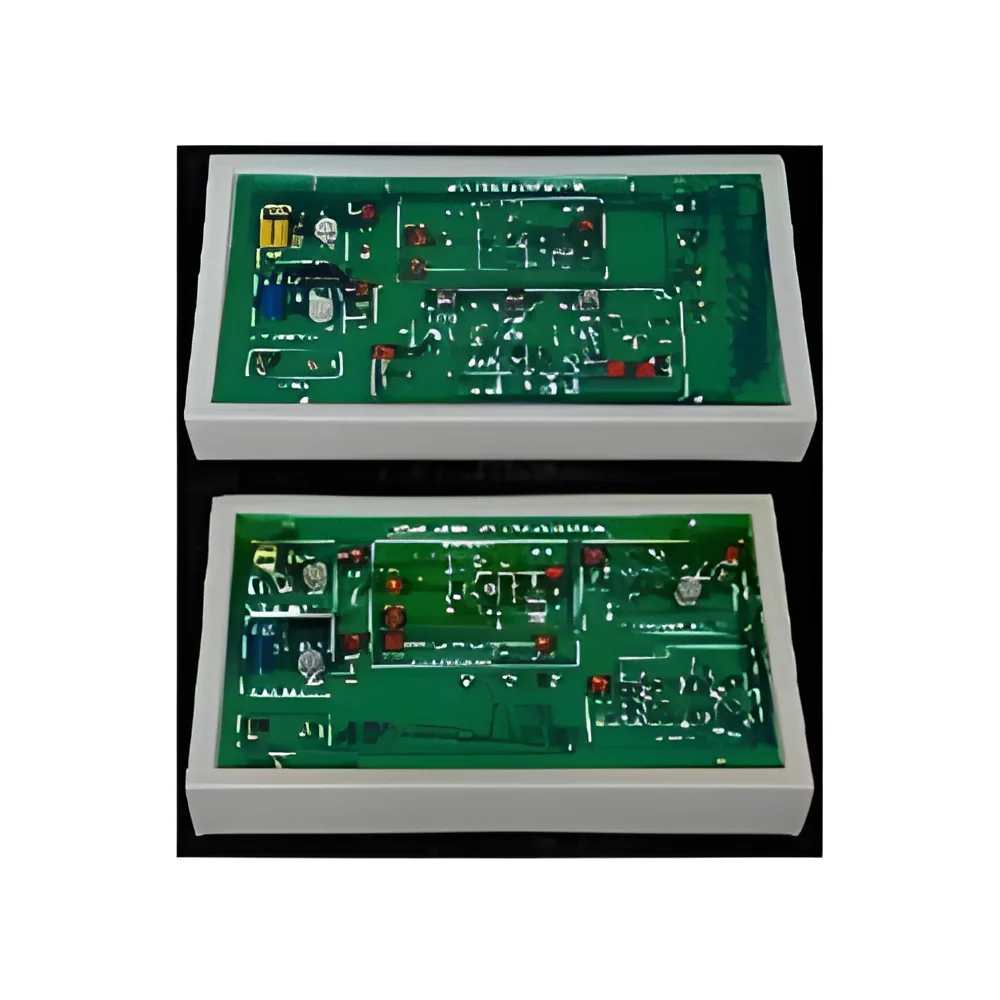
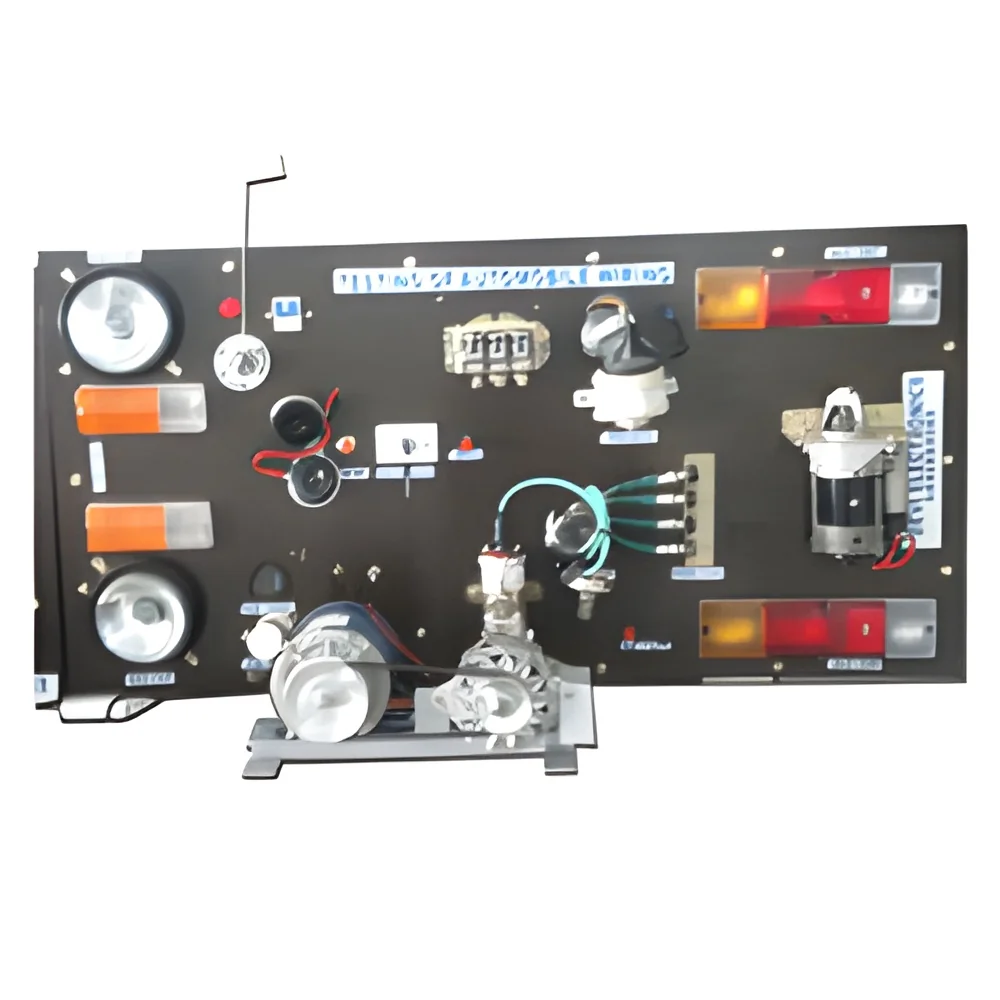
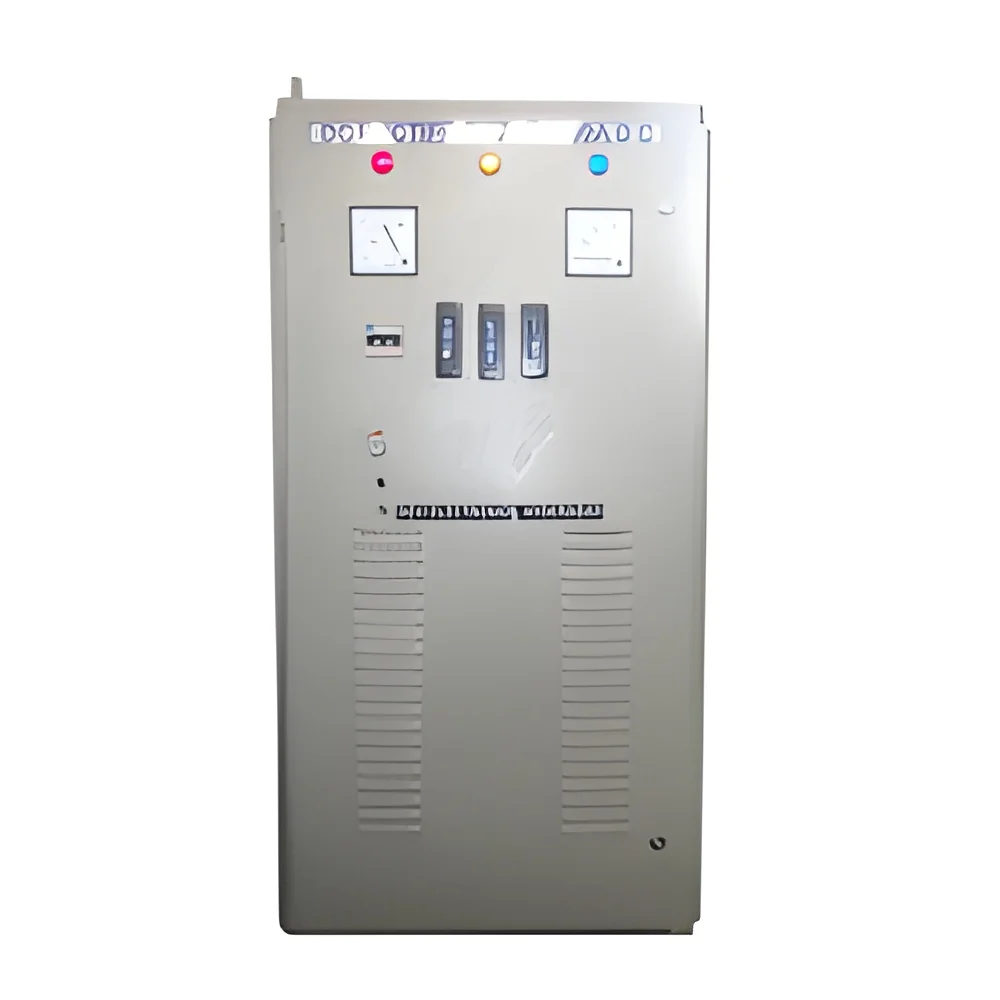
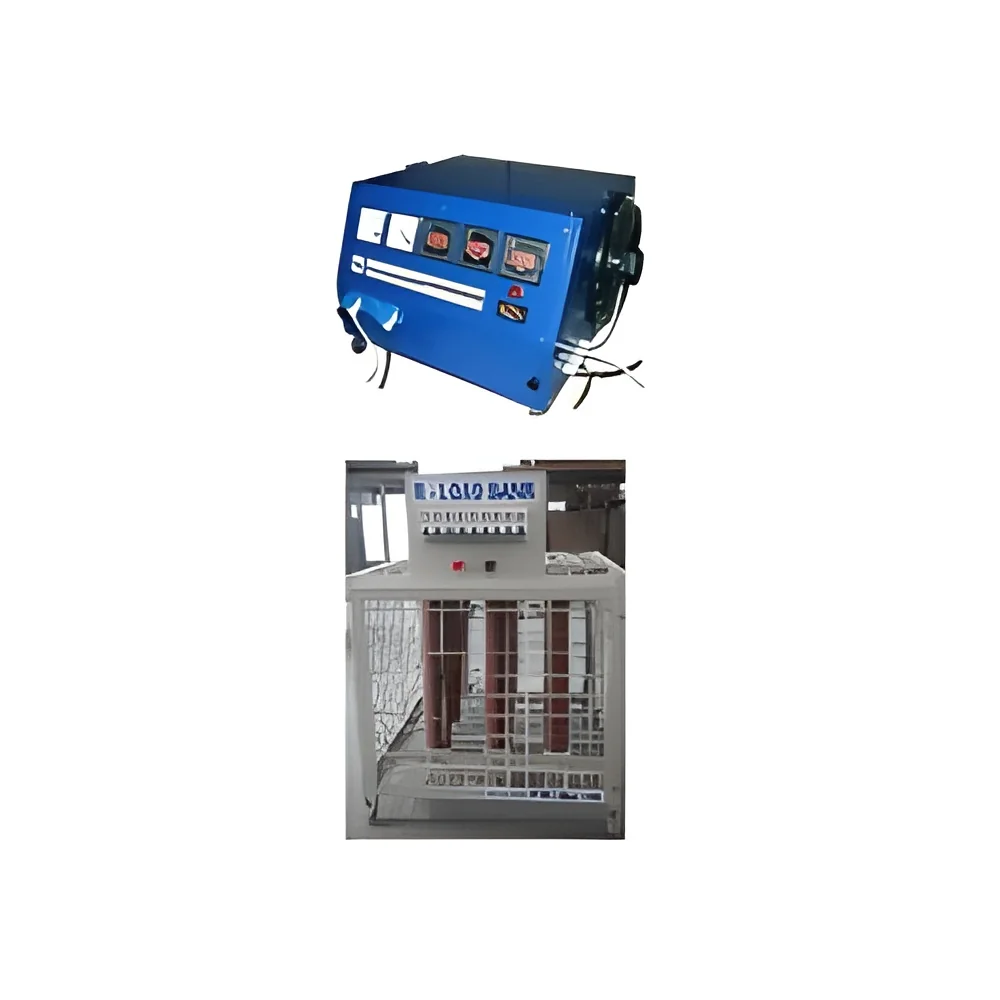
Our comprehensive EEE laboratory equipment provides essential hands-on learning solutions for fundamental electrical engineering concepts. These precision-engineered units enable students and professionals to experimentally verify critical circuit theorems including series and parallel resonance, time response analysis of RC and RL circuits, and comprehensive two-port network analysis. Designed with educational effectiveness as the priority, each equipment set features clear instrumentation, secure connections, and intuitive controls that make complex electrical concepts accessible to learners at various skill levels. The robust construction ensures reliable performance throughout extended academic use while maintaining measurement accuracy.

This versatile equipment serves multiple sectors including higher education institutions, vocational training centers, and industrial research facilities. Engineering colleges and polytechnic institutes integrate these units into undergraduate ele...
Our comprehensive EEE laboratory equipment provides essential hands-on learning solutions for fundamental electrical engineering concepts. These precision-engineered units enable students and professionals to experimentally verify critical circuit theorems including series and parallel resonance, time response analysis of RC and RL circuits, and comprehensive two-port network analysis. Designed with educational effectiveness as the priority, each equipment set features clear instrumentation, secure connections, and intuitive controls that make complex electrical concepts accessible to learners at various skill levels. The robust construction ensures reliable performance throughout extended academic use while maintaining measurement accuracy.

This versatile equipment serves multiple sectors including higher education institutions, vocational training centers, and industrial research facilities. Engineering colleges and polytechnic institutes integrate these units into undergraduate electrical engineering curricula to reinforce theoretical learning with practical experimentation. Technical training centers incorporate the equipment into certification programs for electronics technicians, providing essential hands-on skills for workforce development. Industrial research and development departments value these systems for prototyping basic circuit designs and training technical staff on fundamental electronic principles, ensuring theoretical knowledge translates effectively to practical applications.

Organizations select our EEE lab equipment for its exceptional reliability, educational value, and long-term performance consistency. Unlike generic alternatives, our units feature durable construction that withstands frequent student use while maintaining precise measurement capabilities. The equipment delivers consistent performance semester after semester, significantly reducing maintenance requirements and operational downtime. This reliability translates to enhanced learning outcomes and maximum return on investment for educational institutions and training facilities, making it a cost-effective solution for comprehensive electrical engineering education.

Key Features:
- Series and parallel resonance experimentation capabilities
- Time response analysis for RC and RL circuits
- Comprehensive two-port network theorem verification
- Superposition and reciprocity theorem demonstration
- Frequency response testing for filter circuits

Benefits:
- Enhanced practical understanding of circuit fundamentals
- Durable construction for long-term educational use
- Consistent performance with minimal maintenance
- Versatile applications across multiple learning environments
- Supports comprehensive electrical engineering curriculum
Specifications
| Additional Information | |
|---|---|
| Country of Origin | India |
Application
This EEE lab equipment serves educational institutions teaching electrical and electronics engineering fundamentals. Students gain practical understanding of circuit behaviors through hands-on experiments with resonance, filtering, and network analysis in controlled laboratory settings. The robust design ensures consistent performance across multiple academic semesters.
Industrial research and development departments utilize these units for prototyping basic circuit designs and validating theoretical concepts. Technical training centers incorporate the equipment into certification programs for electronics technicians, providing essential practical skills for workforce development. The versatile setup supports both individual learning and group demonstrations effectively.
- Engineering college laboratories for circuit theory courses
- Vocational training institutes developing electronics technician skills
- Industrial R&D centers for circuit prototyping and validation
- Technical education programs demonstrating network theorems
- Electronics manufacturing facilities training technical staff
Trade Details
| Available Stock | In Stock |
| Sample Availability | No |
Payment Terms
| Payment Terms |
|
Company Profile
Devi Electronics, Andhra Pradesh
 Andhra Pradesh, India
Andhra Pradesh, IndiaElectronics & Electrical•Manufacturer•Distributor / Wholesaler•Importer / Exporter
Factory Details
Factory SizeBelow 1000 sqm
Annual Production Capacity0
EEE Lab Equipment For Series Parallel Resonance RC RL Circuits
Premium EEE lab equipment for teaching series/parallel resonance, RC/RL circuit time response, and two-port network theorems. Ideal for engineering colleges, vocational training centers, and R&D labs with reliable performance and customization options.
Min. Order Quantity: 1 unit
Shipping
Shipping fee and delivery date to be negotiated. Contact supplier now for more details.
Devi Electronics
 Andhra Pradesh, India
Andhra Pradesh, IndiaElectronics & ElectricalManufacturer