IN
IN₹
Apparel & Fashion
Description
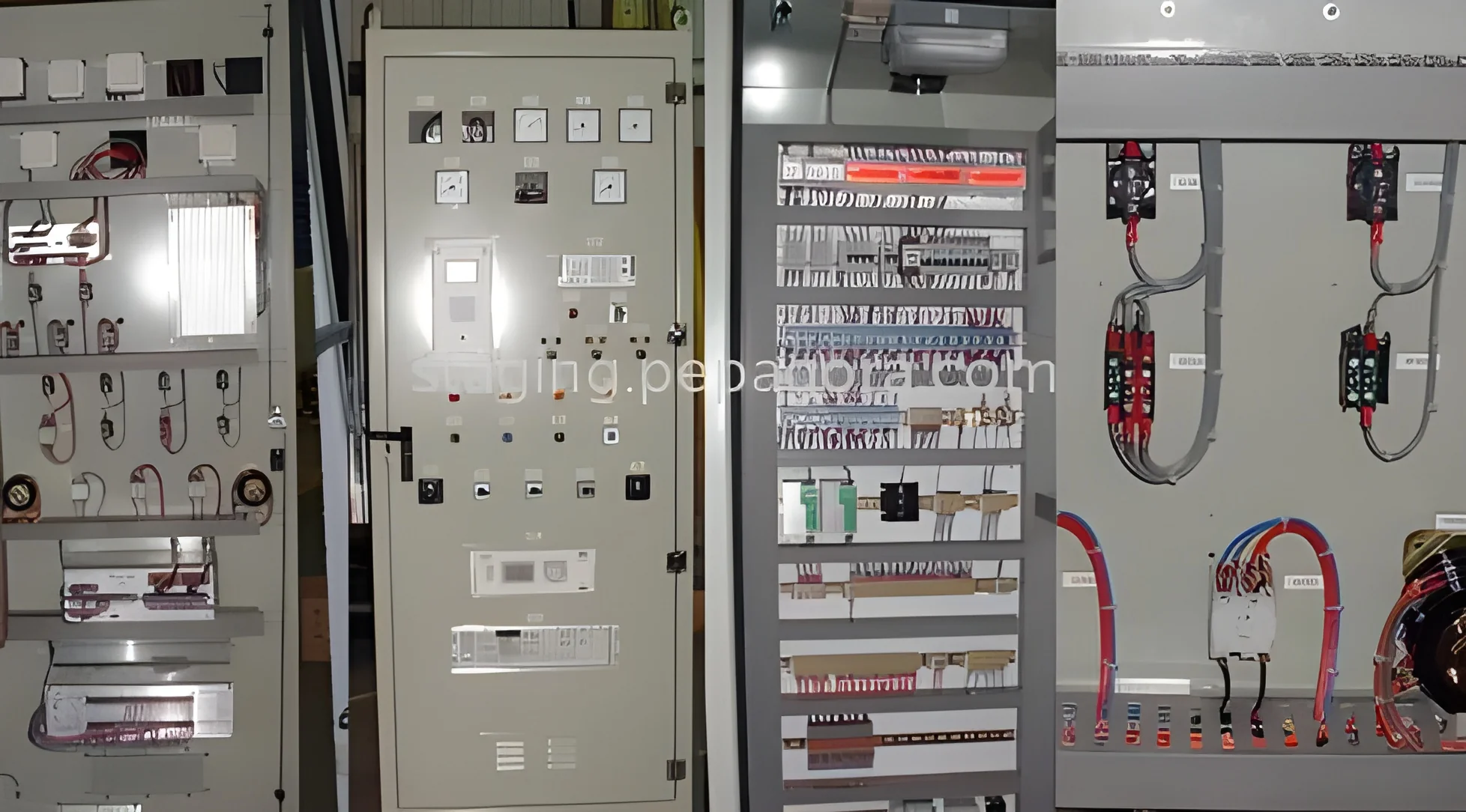
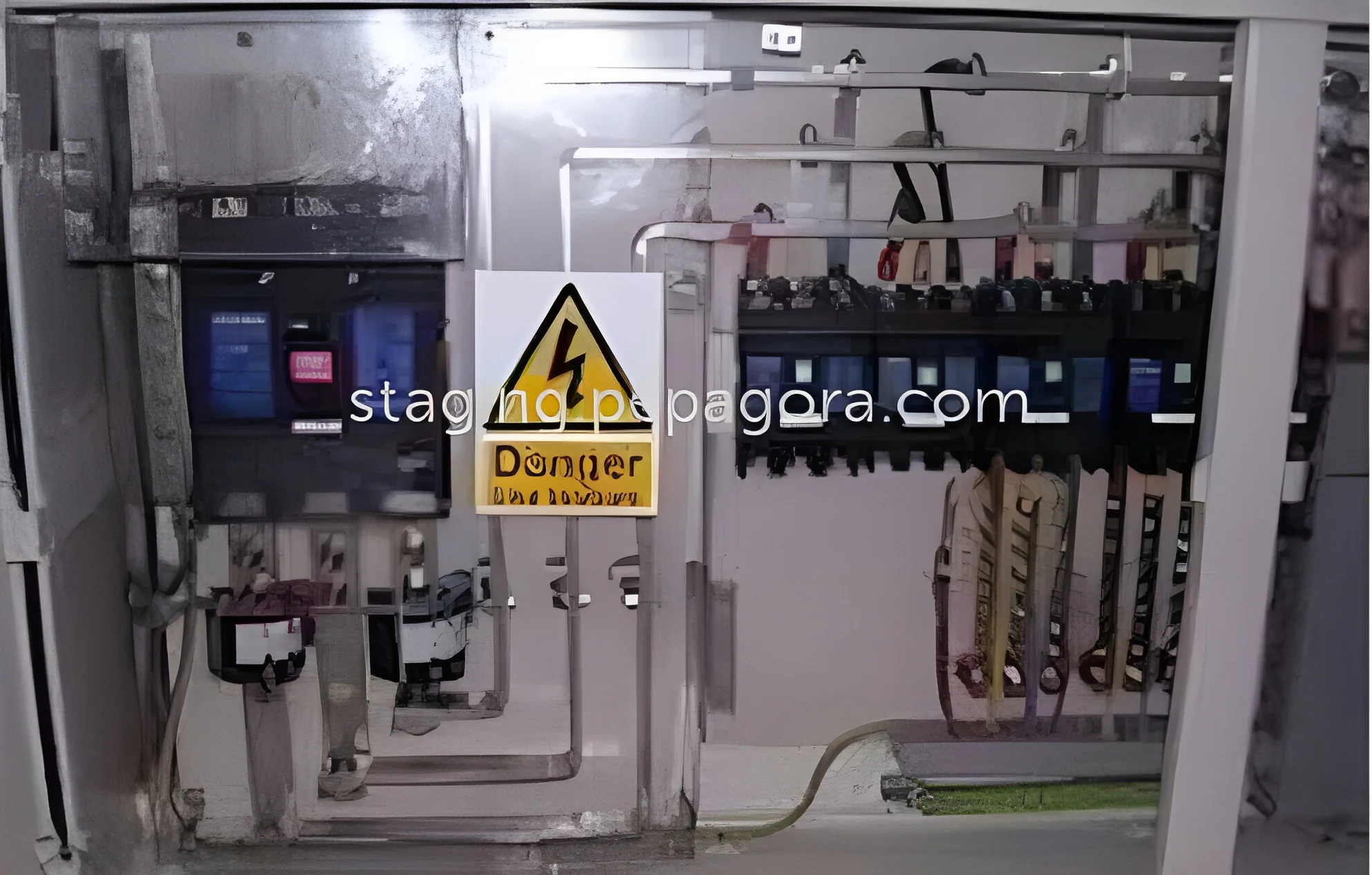
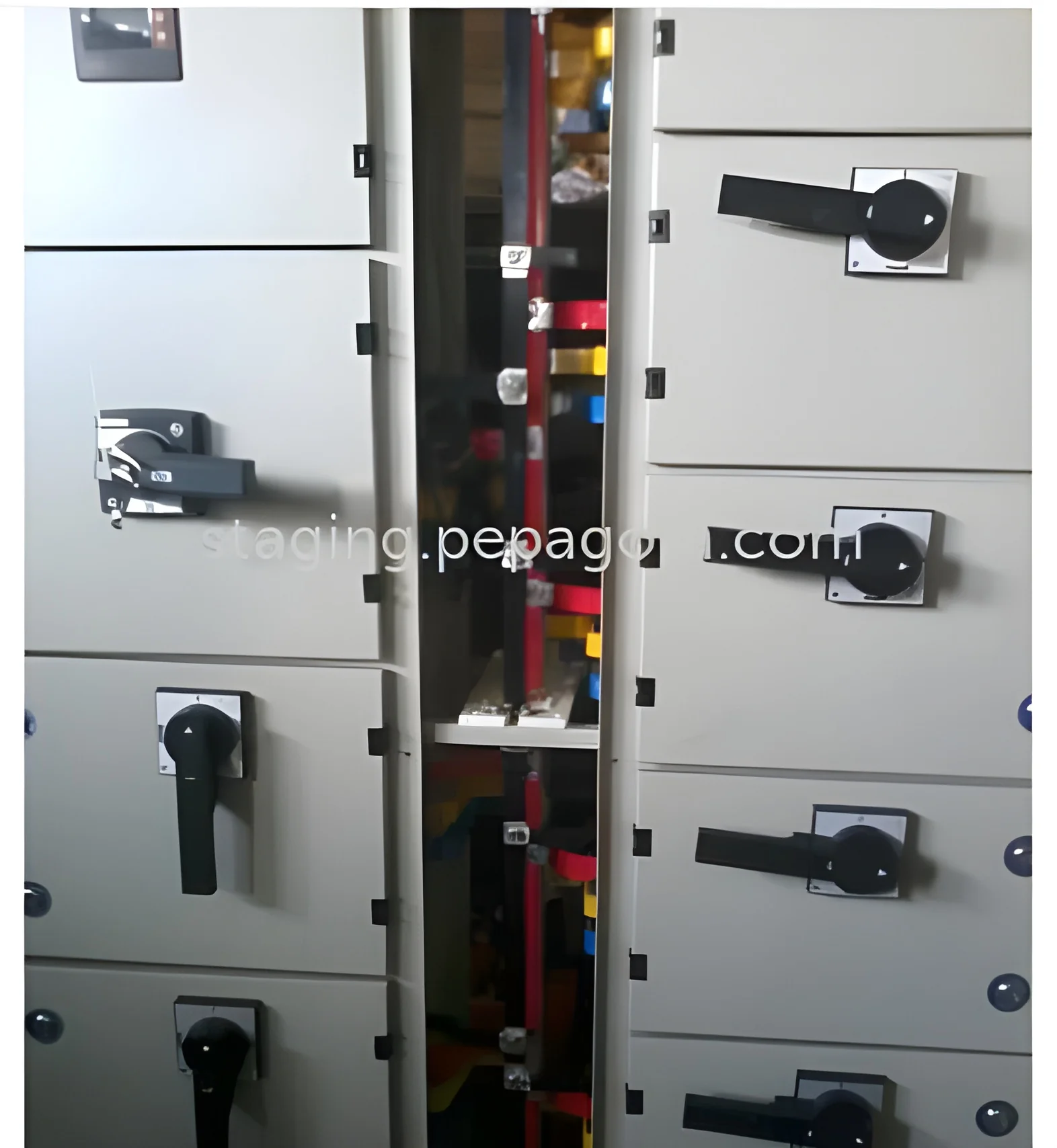
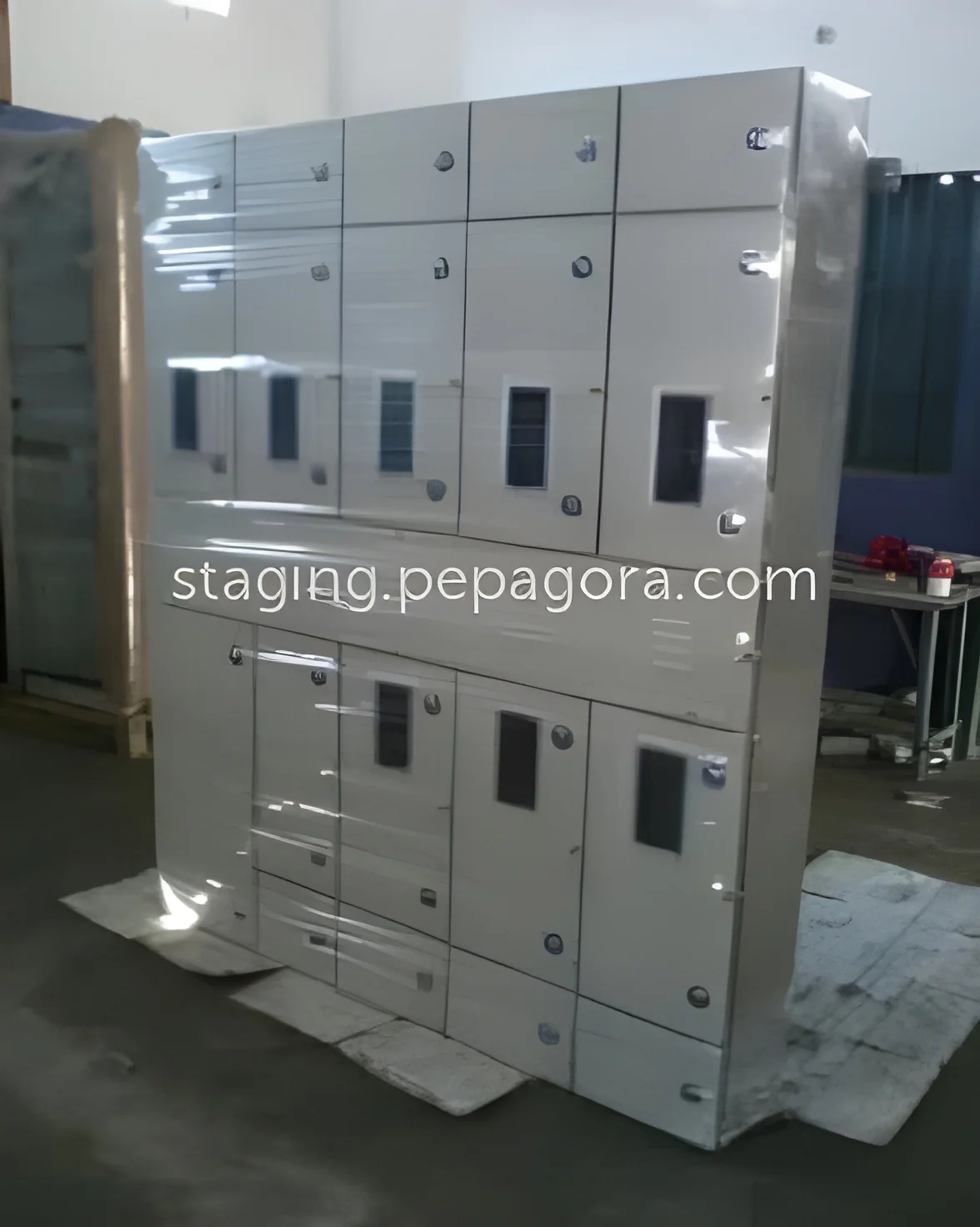
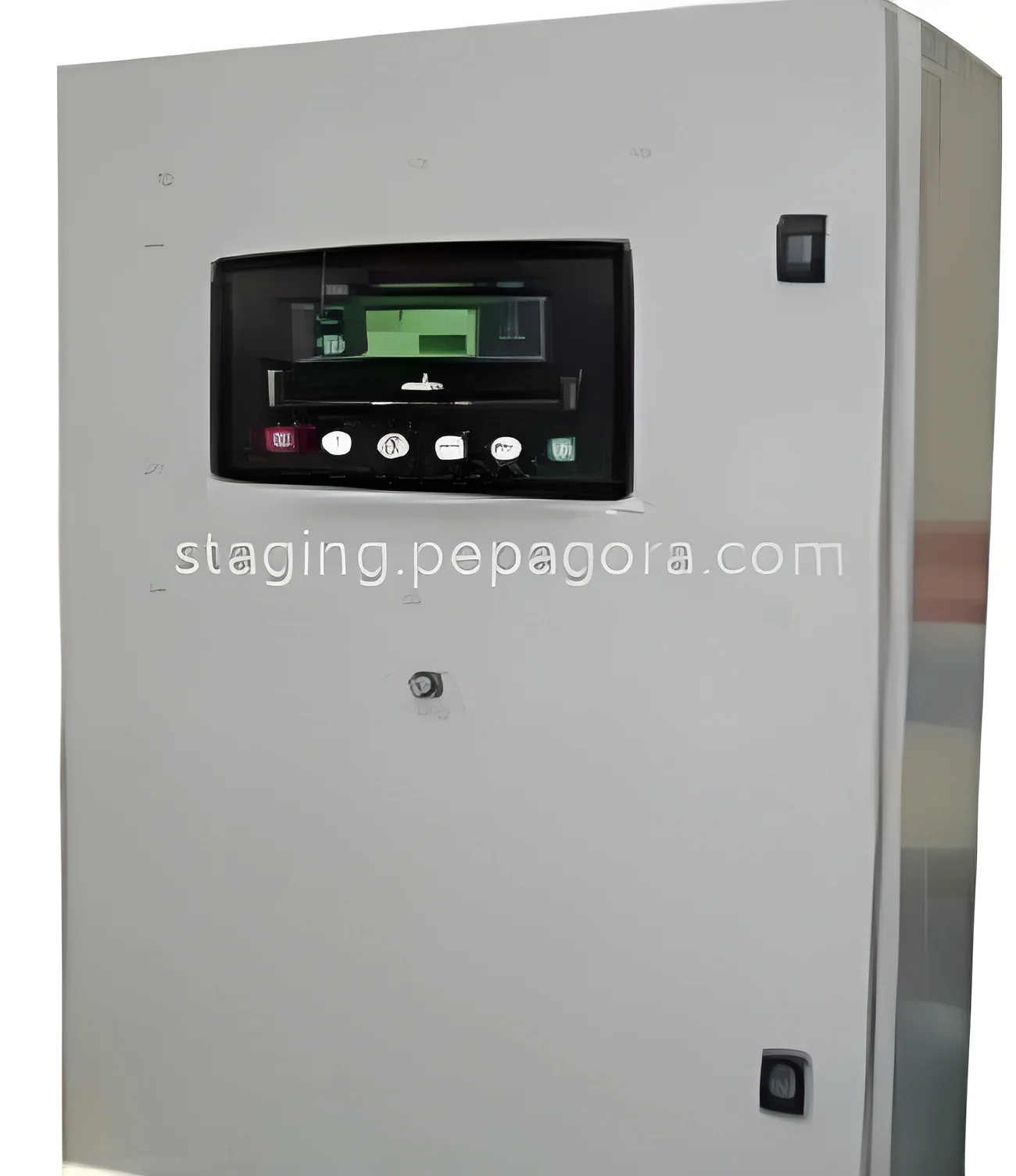
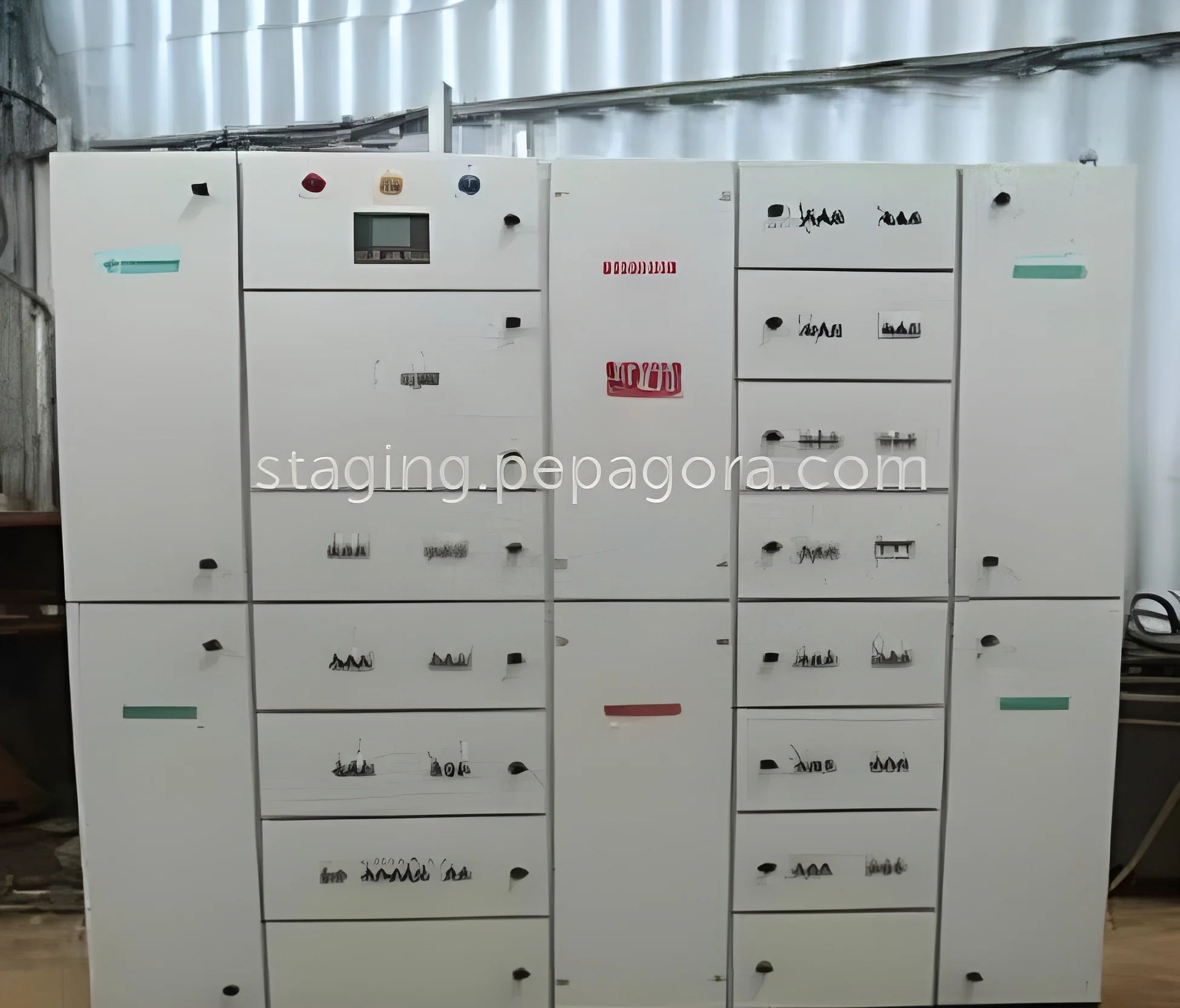
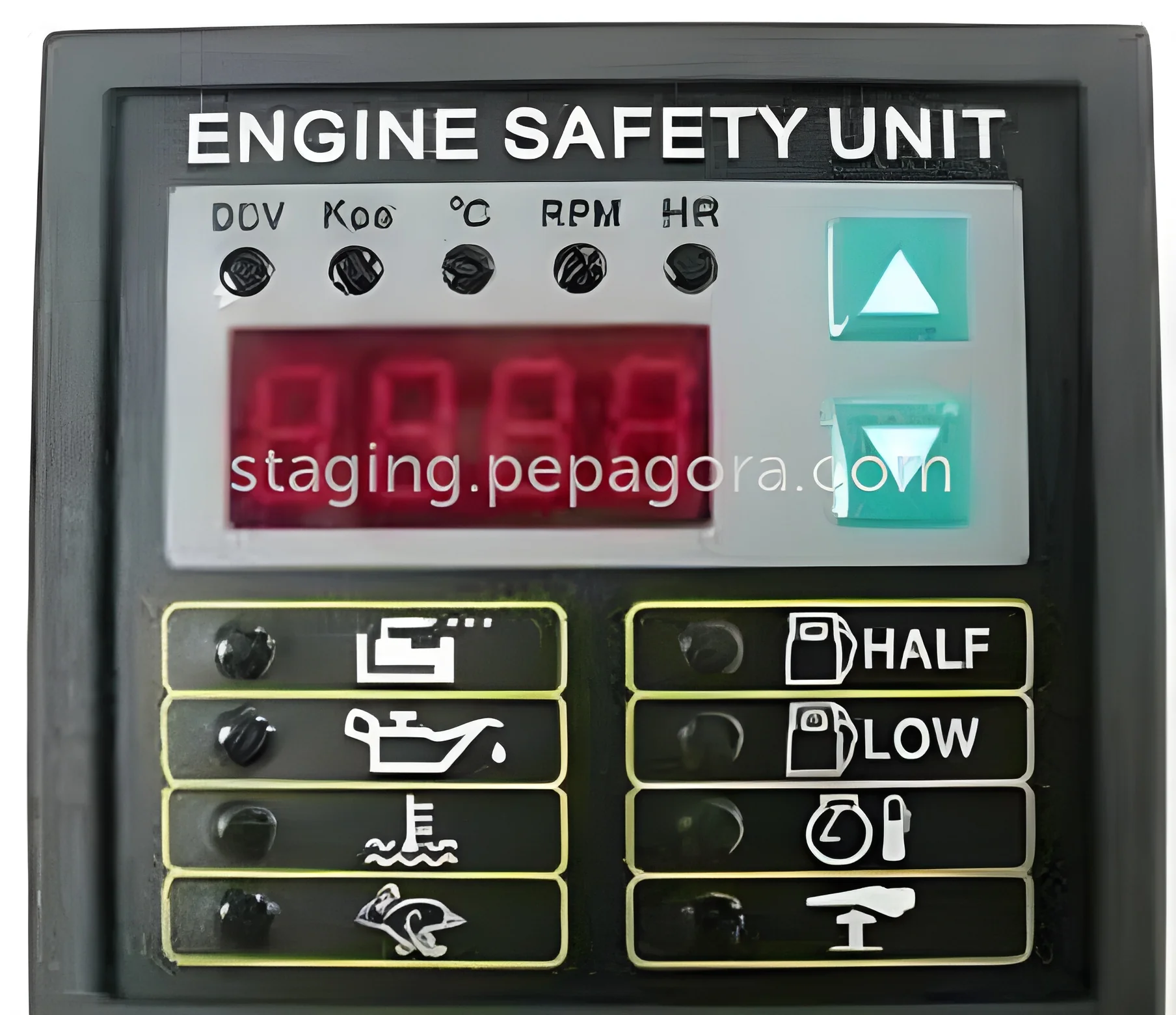
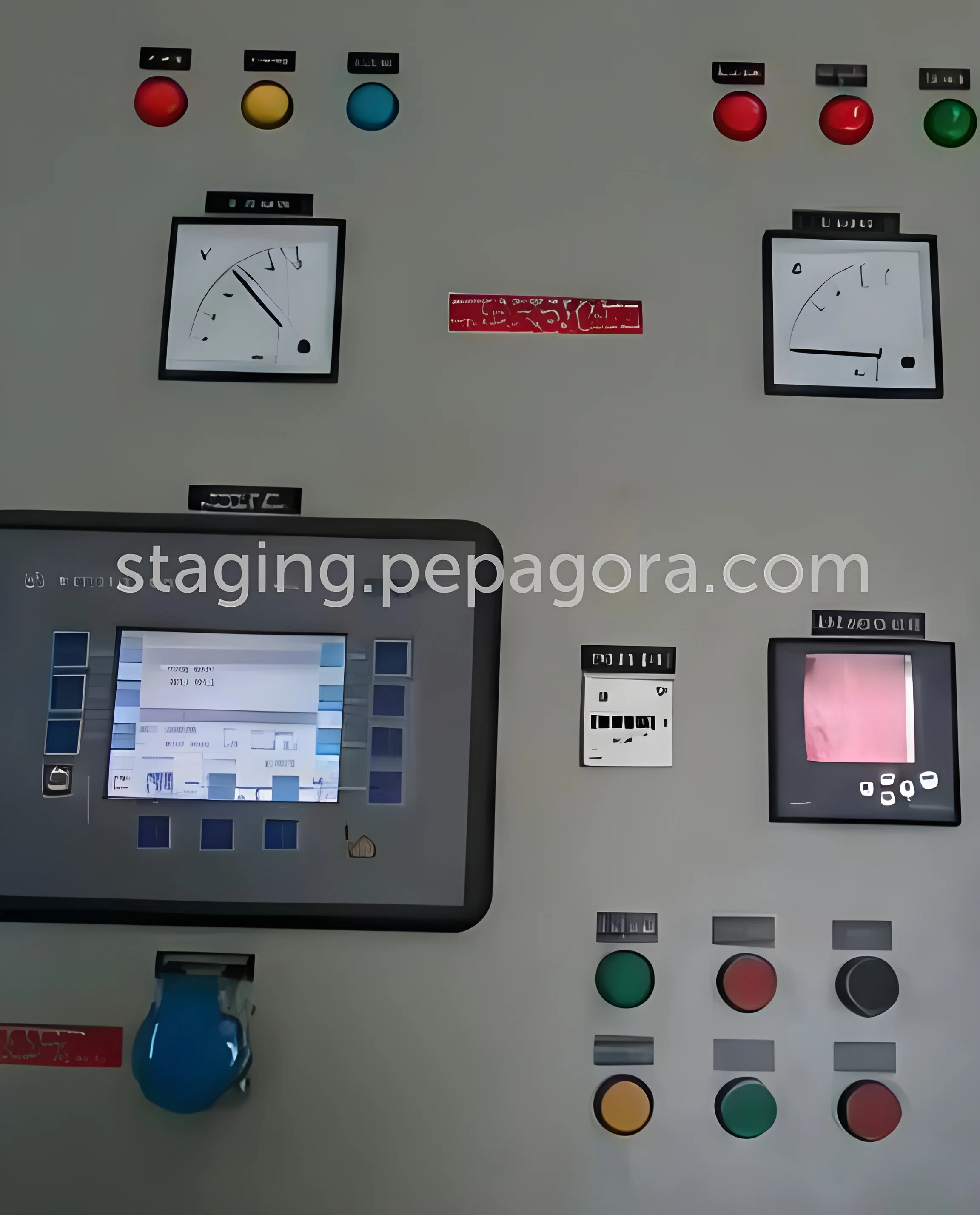
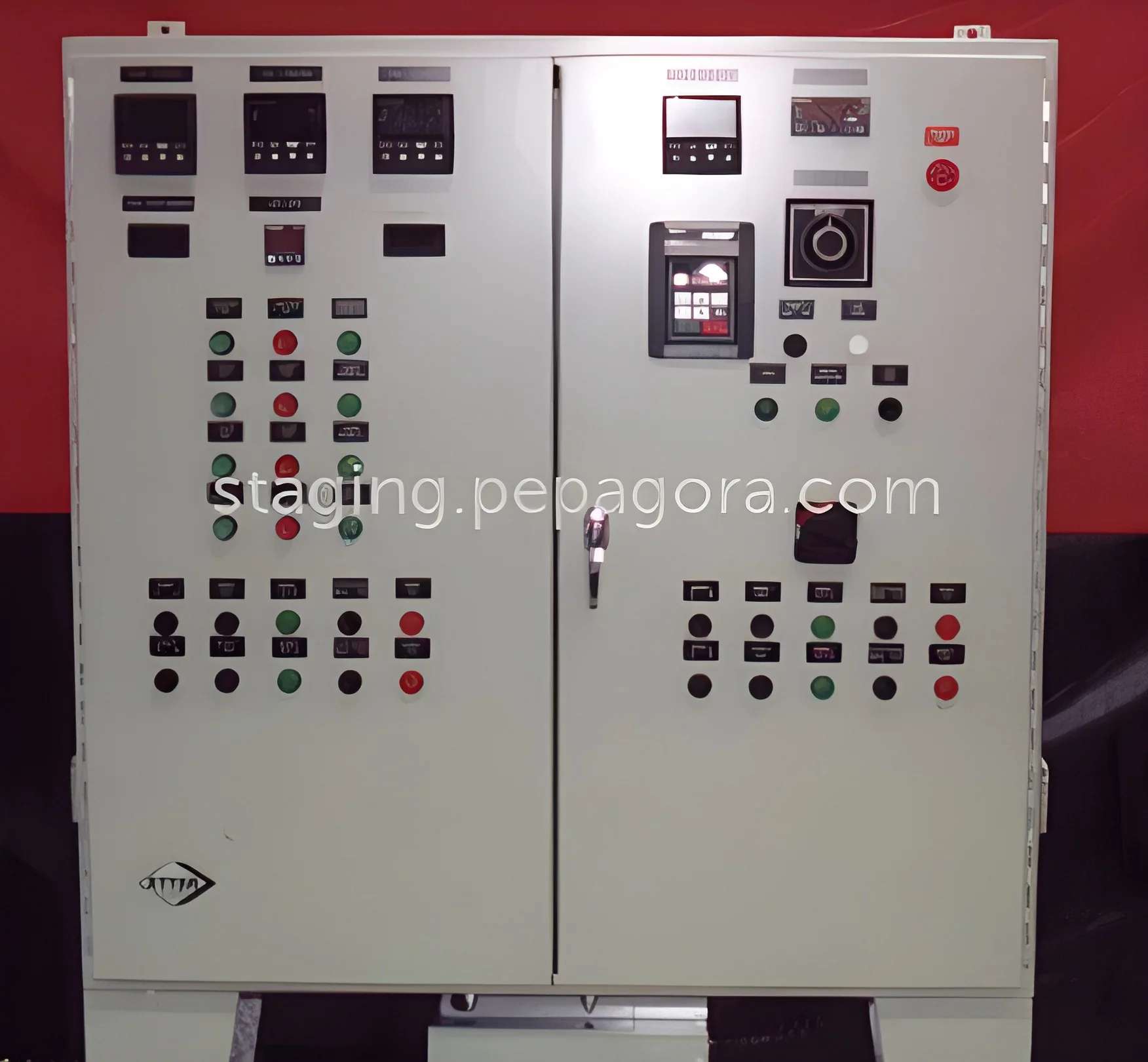
Industrial automation advanced process control panels serve as the intelligent nerve center for modern manufacturing operations, integrating sophisticated programmable logic controllers, precision instrumentation, and robust control systems within durable industrial enclosures. These comprehensive automation solutions regulate complex industrial processes with exceptional accuracy and consistency. Engineered for continuous operation in challenging industrial environments, they feature premium-grade construction materials including CRCA sheet steel with protective powder-coated finishes for maximum durability and longevity. The panels support multiple operational modes including manual override, semi-automatic control, and fully automated sequences, while offering seamless integration with supervisory control and data acquisition systems and human-machine interfaces for comprehensive remote monitoring and data management. This intelligent design prioritizes intuitive user interfaces tha...
Industrial automation advanced process control panels serve as the intelligent nerve center for modern manufacturing operations, integrating sophisticated programmable logic controllers, precision instrumentation, and robust control systems within durable industrial enclosures. These comprehensive automation solutions regulate complex industrial processes with exceptional accuracy and consistency. Engineered for continuous operation in challenging industrial environments, they feature premium-grade construction materials including CRCA sheet steel with protective powder-coated finishes for maximum durability and longevity. The panels support multiple operational modes including manual override, semi-automatic control, and fully automated sequences, while offering seamless integration with supervisory control and data acquisition systems and human-machine interfaces for comprehensive remote monitoring and data management. This intelligent design prioritizes intuitive user interfaces that enhance both operational efficiency and workplace safety protocols.

These advanced control systems perform critical functions across multiple industrial sectors where precision, reliability, and consistency are fundamental requirements. In chemical and pharmaceutical manufacturing environments, they ensure precise batch processing, strict temperature control, and compliance with rigorous quality standards and regulatory requirements. Food processing facilities rely on these panels for maintaining consistent temperature zones, humidity levels, and hygiene protocols throughout production lines. Water treatment plants utilize these control systems for monitoring complex filtration processes, managing chemical dosing accuracy, and ensuring water quality standards. Manufacturing operations depend on them for assembly line synchronization, robotic system coordination, and comprehensive quality assurance protocols. The oil and gas industry employs these advanced systems for managing complex extraction processes, refining operations, and pipeline management with integrated safety protocols for emergency situations and abnormal conditions.

The operational value of implementing these advanced process control panels extends beyond basic automation to deliver measurable operational improvements and significant cost savings throughout the production lifecycle. Their robust construction and reliable performance characteristics minimize unplanned downtime and reduce maintenance requirements, providing long-term operational stability and predictable performance. The centralized control architecture streamlines complex operations, reduces staffing requirements for manual monitoring, and enhances overall process visibility. These systems improve product quality through consistent process parameter control and provide comprehensive data logging capabilities for quality assurance documentation and regulatory compliance verification. The inherent reliability and durability of these control panels protect your capital investment while delivering continuous operational benefits, process optimization opportunities, and competitive advantages in your specific industrial sector.

Key Features:
- Advanced PLC integration with precise process automation capabilities and customizable control logic
- Comprehensive real-time monitoring with accurate data acquisition and historical trend analysis
- Robust CRCA steel enclosures featuring protective powder-coated finishes for industrial durability
- Support for manual, semi-automatic, and fully automatic operational modes with seamless transitions
- Complete compatibility with SCADA systems, HMI interfaces, and industrial communication protocols

Benefits:
- Enhanced operational efficiency through centralized control systems and reduced manual intervention
- Improved product quality and consistency with precise process parameter maintenance
- Reduced operational costs via automation implementation and minimized production downtime
- Increased workplace safety with integrated emergency protocols and system fail-safes
- Scalable automation solutions that adapt to evolving production requirements and capacity expansions
Specifications
| Additional Information | |
|---|---|
| SKU | EES-PCP-014 |
| Country of Origin | 106 |
Application
Advanced process control panels provide centralized command for industrial automation, delivering precise monitoring and regulation of complex manufacturing operations. These systems ensure consistent output, operational safety, and regulatory compliance through real-time parameter management. Their robust construction withstands demanding environments while maintaining reliable performance across continuous production cycles.
From chemical processing to manufacturing assembly lines, these panels support intricate workflows with exceptional accuracy. They integrate seamlessly with existing machinery and software platforms, offering centralized control that reduces manual intervention and human error. This adaptability makes them suitable for both large-scale industrial plants and specialized production facilities seeking measurable efficiency improvements and quality enhancements.
- Automating precise batch processing and mixing operations in chemical and pharmaceutical production facilities
- Monitoring and controlling temperature, pressure, and flow parameters in food and beverage manufacturing lines
- Managing filtration systems, chemical dosing, and pumping operations in water and wastewater treatment plants
- Regulating assembly line speeds, coordinating robotic systems, and managing safety interlocks in manufacturing operations
- Controlling flow rates, managing extraction processes, and implementing emergency shutdown protocols in oil and gas operations
Trade Details
| Available Stock | In Stock |
| Sample Availability | No |
Payment Terms
| Payment Terms |
|
Shipping & Logistics
| Port of Dispatch | Chennai, Tamil Nadu, India |
Company Profile
Electrons Engineering Systems, Tamil Nadu
 Tamil Nadu, India
Tamil Nadu, IndiaIndustrial Equipment & Machinery•Manufacturer
Factory Details
Factory SizeBelow 1000 sqm
Annual Production Capacity0
SKU: EES-PCP-014
Industrial Automation Advanced Process Control Panels For Precise Monitoring
Industrial automation advanced process control panels deliver precise monitoring and centralized control for complex manufacturing processes. These robust systems ensure operational reliability, real-time data accuracy, and seamless integration across diverse industrial environments.
Min. Order Quantity: 1 Unit
Shipping
Shipping fee and delivery date to be negotiated. Contact supplier now for more details.
Electrons Engineering Systems
 Tamil Nadu, India
Tamil Nadu, IndiaIndustrial Equipment & MachineryManufacturer