IN
IN₹
Apparel & Fashion
Description
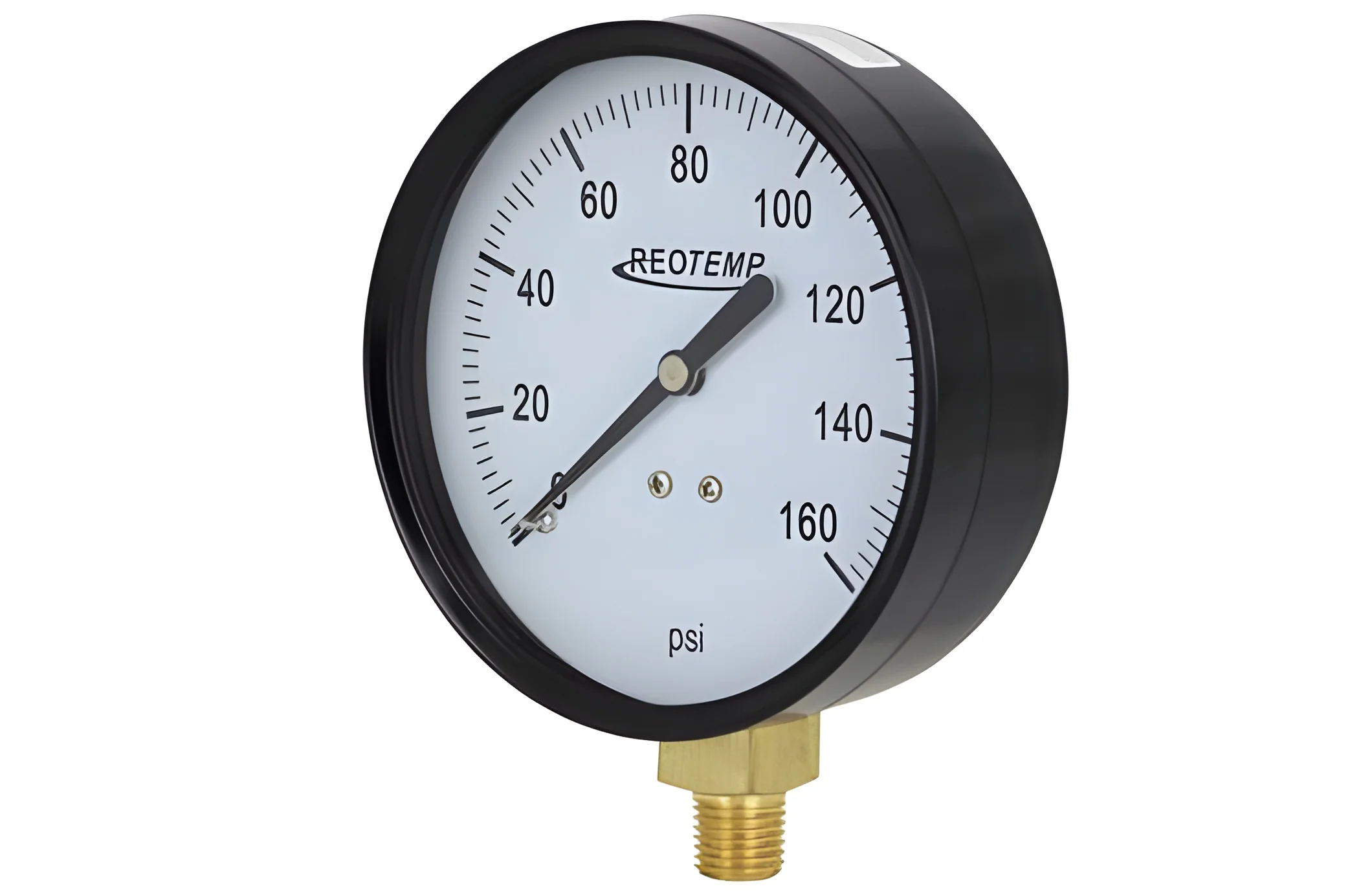
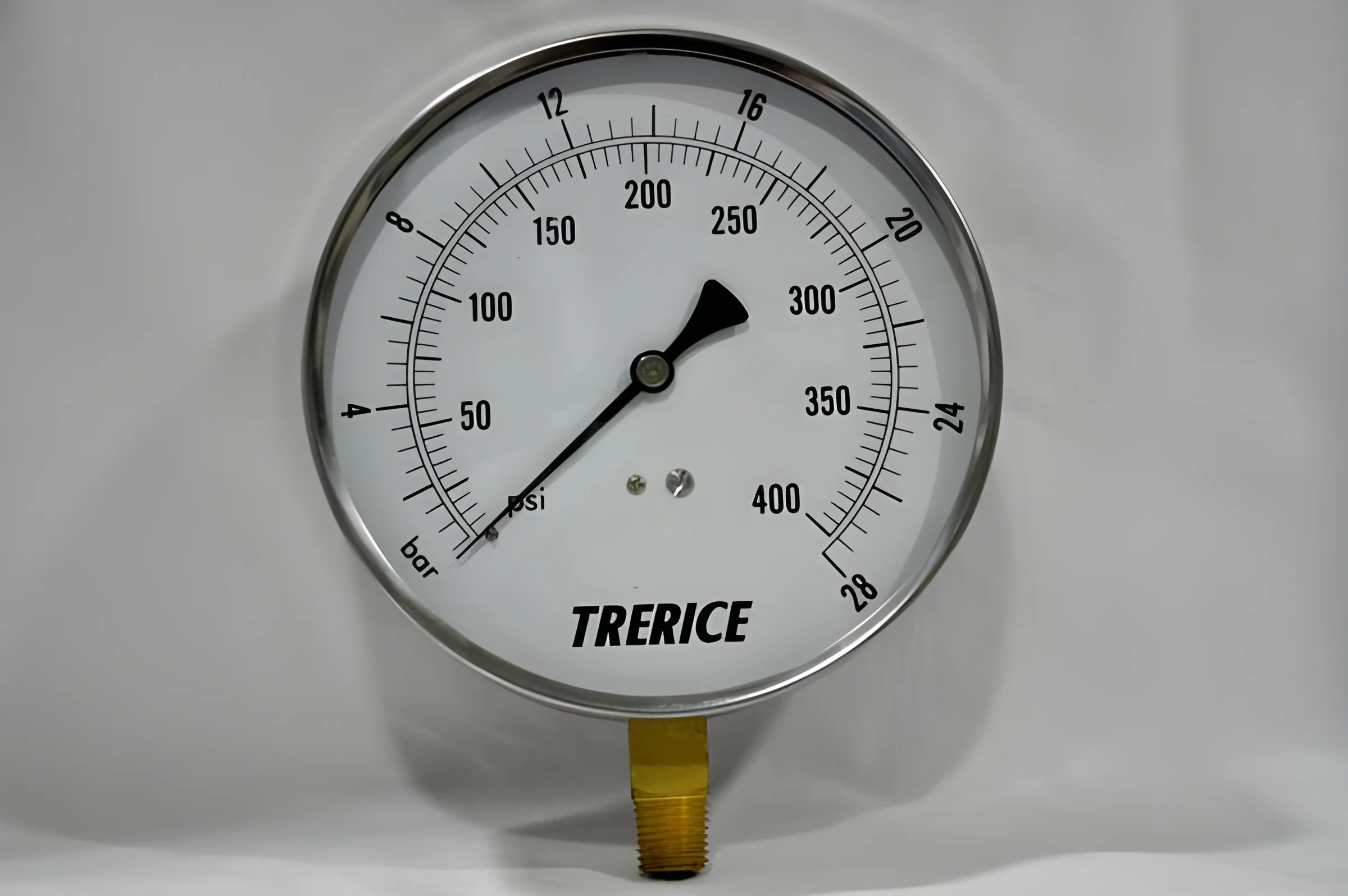
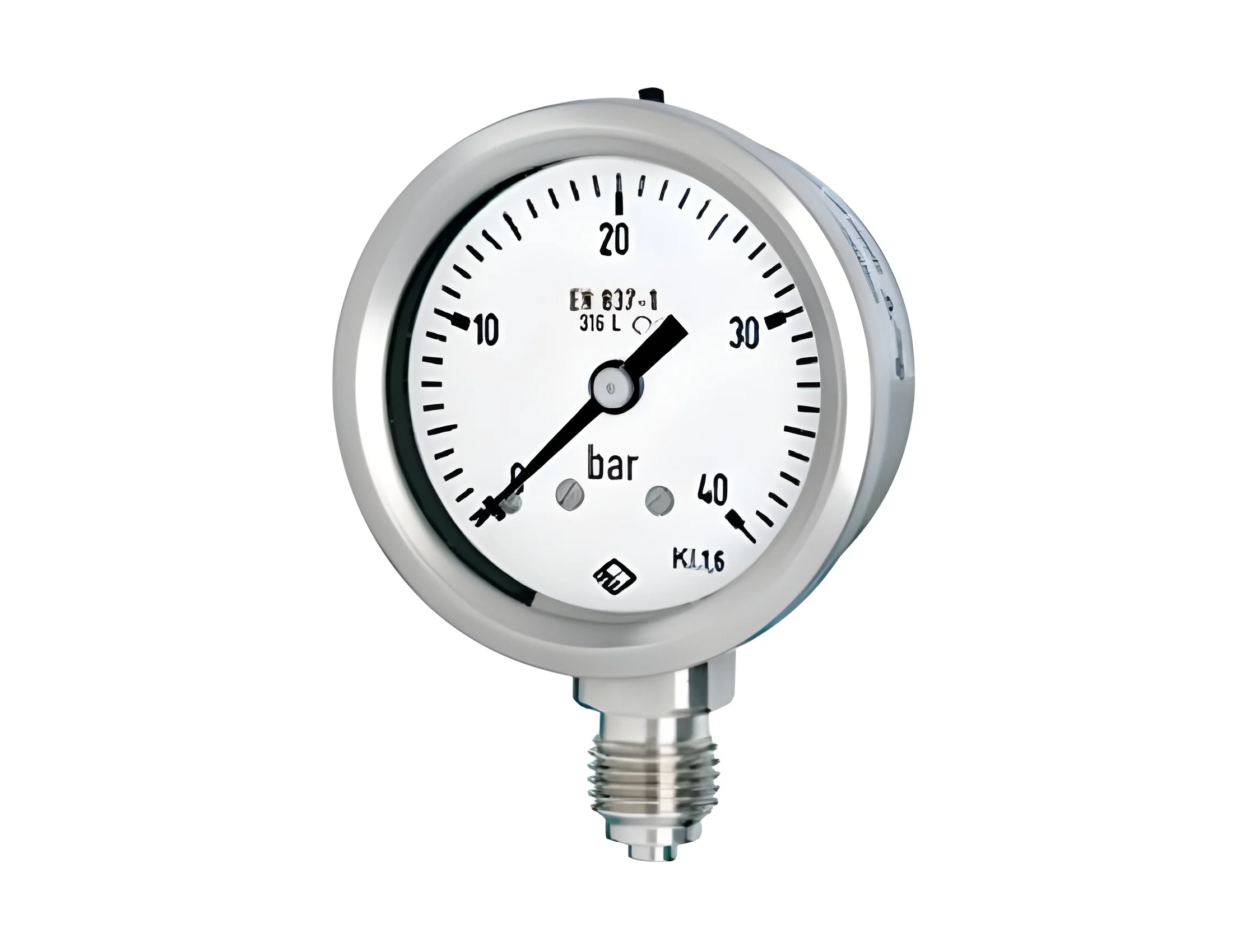
The Tecsis industrial glycerine filled pressure gauge represents advanced pressure measurement technology that combines proven manometer engineering with durable stainless steel construction. These precision instruments feature specialized glycerine filling that serves multiple critical functions: effectively damping pointer oscillation caused by pulsating pressures, lubricating all moving components to minimize wear, and protecting the internal mechanism from mechanical vibrations that could compromise accuracy. Designed to meet rigorous EN 837-1/S2 safety standards, these gauges maintain exceptional precision across an extensive pressure range from 0-1 bar to 0-1000 bar, with accuracy class 1.6 performance. The integrated pressure-compensating diaphragm prevents housing pressure increases resulting from temperature-induced volume expansion, eliminating indication errors and ensuring consistent, reliable readings in variable environmental conditions.

These professional-grade pressure...
The Tecsis industrial glycerine filled pressure gauge represents advanced pressure measurement technology that combines proven manometer engineering with durable stainless steel construction. These precision instruments feature specialized glycerine filling that serves multiple critical functions: effectively damping pointer oscillation caused by pulsating pressures, lubricating all moving components to minimize wear, and protecting the internal mechanism from mechanical vibrations that could compromise accuracy. Designed to meet rigorous EN 837-1/S2 safety standards, these gauges maintain exceptional precision across an extensive pressure range from 0-1 bar to 0-1000 bar, with accuracy class 1.6 performance. The integrated pressure-compensating diaphragm prevents housing pressure increases resulting from temperature-induced volume expansion, eliminating indication errors and ensuring consistent, reliable readings in variable environmental conditions.

These professional-grade pressure gauges serve essential roles across numerous industrial sectors where accurate pressure monitoring directly impacts operational safety, efficiency, and process control. In manufacturing and industrial automation environments, they provide reliable measurements for hydraulic systems, pneumatic controls, and various process equipment. The oil and gas industry extensively utilizes them for pipeline monitoring, refinery operations, and extraction processes where vibration resistance proves critical. Chemical processing plants benefit from their robust construction when handling diverse media, while water treatment facilities depend on their consistent performance for pump monitoring and distribution system control. The construction industry employs these gauges for heavy equipment operation and system testing, and HVAC applications utilize them for refrigeration and air compression systems where temperature stability significantly matters.

The operational value of these glycerine-filled pressure gauges extends well beyond basic measurement functionality to deliver tangible operational advantages and substantial cost savings. Their exceptional reliability significantly reduces operational downtime by providing consistent, accurate readings that prevent equipment damage and process deviations. The advanced vibration resistance and mechanical protection features substantially extend service life, effectively lowering replacement costs and maintenance requirements. Full compliance with international safety standards (EN 837-1/S2) ensures regulatory adherence and enhances workplace safety protocols. The high-visibility dial featuring aluminum pointer and plexiglass window enables quick, error-free readings even in challenging lighting conditions, thereby improving operational efficiency. These precision instruments represent a strategic investment in process reliability that delivers ongoing returns through reduced maintenance needs, improved safety performance, and consistent operational excellence in demanding industrial environments.

Key Features:
- Stainless steel housing with IP65 protection rating for maximum durability in harsh industrial environments
- Glycerine filling system (86.5% for pressures below 2.5 bar, 99.5% for pressures 2.5 bar and above) effectively dampens vibration and lubricates movement
- Advanced pressure-compensating diaphragm technology prevents indication errors caused by temperature variations
- Comprehensive measurement range from 0-1 bar to 0-1000 bar with accuracy class 1.6 compliance to EN 837-1 standards
- High-visibility dial design with aluminum pointer and plexiglass window ensures clear, legible readings

Benefits:
- Enhanced operational reliability through vibration-resistant design that maintains accuracy in demanding conditions
- Extended service life and reduced maintenance costs due to superior mechanical protection and lubrication
- Consistent performance across temperature variations with minimal drift (0.3%/10K from 20°C normal temperature)
- Versatile application capability across wide pressure ranges suitable for diverse industrial requirements
- Improved operational safety and efficiency through clear visibility and compliance with international standards
Specifications
| Key Attributes | |
|---|---|
| Brand | Tecsis |
| Accuracy Class | 1.6 to EN 837-1 |
| Ranges | 0...1 bar to 0...1000 bar |
| Window | Plexiglass |
| Pointer | Aluminium, Black |
| Movement | CuZn-alloy |
| Protection | IP 65 to EN 60 529/IEC 529 |
| Overpressure protection | Full scale value |
| Dial | Alumimium, white, scale and imprint black |
| Liquid filling | Glycerine < 2.5 bar 86.5%, ≥ 2.5 bar 99.5% |
| Temperature drift | 0.3 %/10K if deviation from normal temperature 20°C |
| Additional Information | |
|---|---|
| Country of Origin | 106 |
Application
These professional glycerine-filled pressure gauges are engineered specifically for industrial environments where vibration, pulsation, and demanding conditions require reliable performance. The glycerine filling effectively dampens pointer oscillation, protects internal mechanisms from wear, and ensures consistently accurate readings even in challenging operational scenarios. The robust stainless steel construction combined with IP65 protection delivers exceptional durability against corrosion, moisture, and physical damage in harsh industrial settings.
Ideal for multiple industrial sectors including manufacturing, oil and gas operations, chemical processing facilities, and water treatment systems. These precision gauges handle both liquid and gaseous media that are non-corrosive to copper alloys, making them versatile for various pressure monitoring requirements across different operational environments and temperature conditions. Their wide pressure range capability and temperature stability make them suitable for diverse industrial applications.
- Monitoring hydraulic systems in manufacturing equipment where pulsation affects measurement accuracy
- Measuring pipeline pressures in oil and gas extraction and processing facilities
- Controlling compressed air systems in automotive and industrial manufacturing plants
- Regulating water pressure in municipal water treatment and distribution systems
- Monitoring process pressures in chemical production and pharmaceutical manufacturing
Trade Details
| Available Stock | In Stock |
| Sample Availability | No |
Payment Terms
| Payment Terms |
|
Company Profile


 India
IndiaIndustrial Equipment & Machinery•Trading Company•Distributor / Wholesaler
Factory Details
Factory SizeBelow 1000 sqm
Annual Production Capacity0
Quality & Certification
CalCon Inst. & Sales is an ISO 9001 : 2000 certified company
CalCon Inst. & Sales is an ISO 9001 : 2000 certified companyIndustrial Glycerine Filled Pressure Gauge IP65 Stainless Steel EN 837 1
Tecsis industrial glycerine filled pressure gauge with stainless steel housing provides accurate EN 837-1 compliant pressure measurement for demanding industrial applications, featuring vibration resistance and IP65 protection.
Min. Order Quantity: 1 unit
Shipping
Shipping fee and delivery date to be negotiated. Contact supplier now for more details.
CalCon Instrumentation & Sales LLC
 , India
, IndiaIndustrial Equipment & MachineryTrading Company