IN
IN₹
Apparel & Fashion
Loading subcategories...
View More
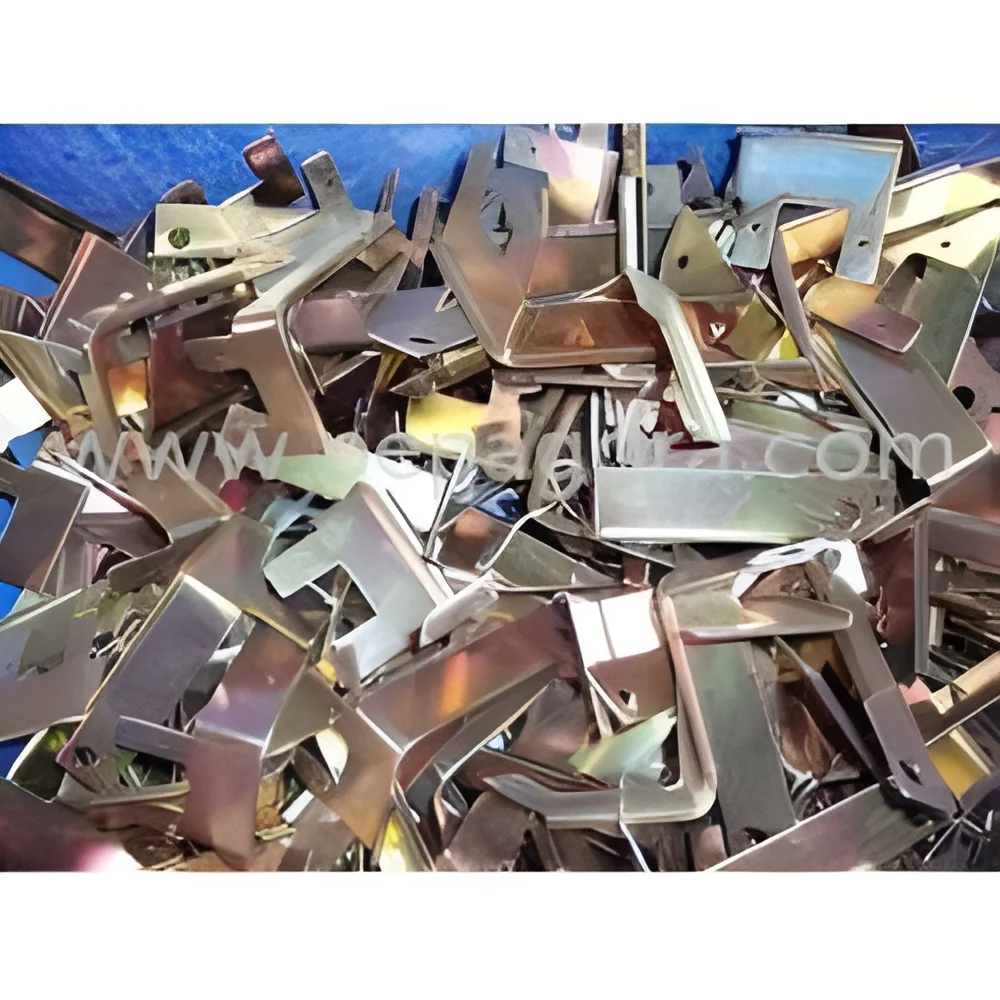
Description
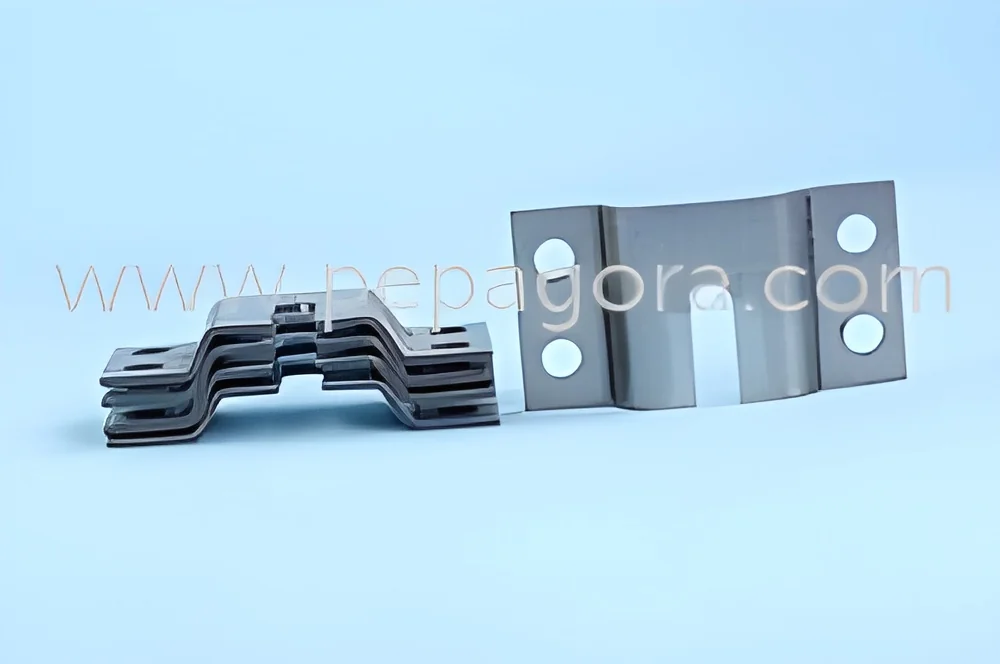
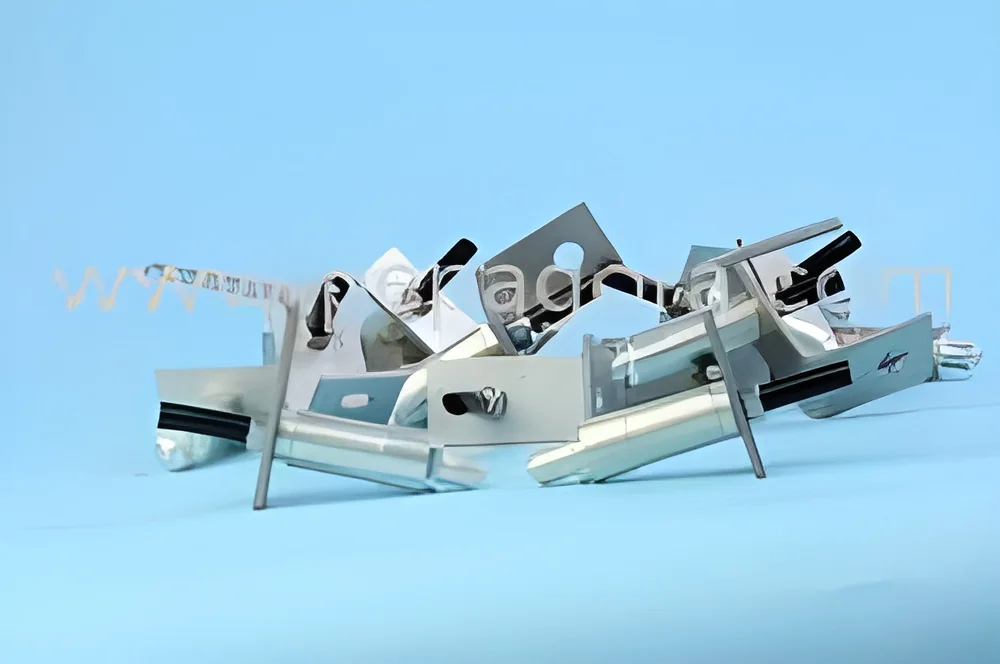
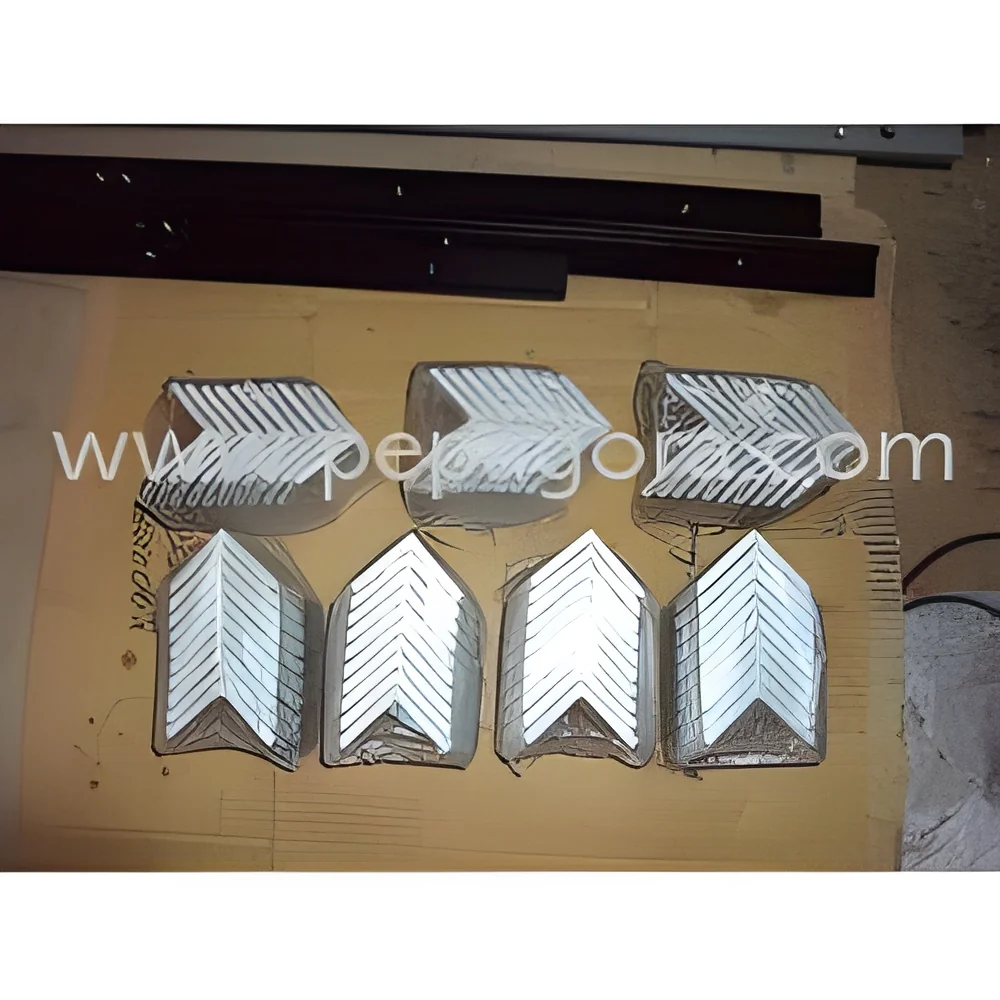
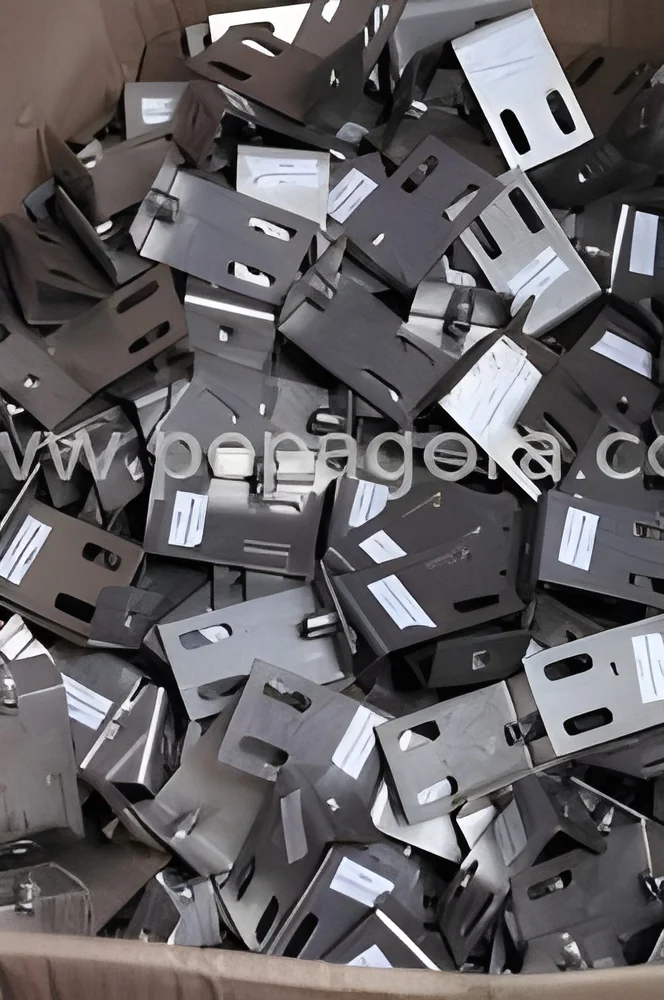
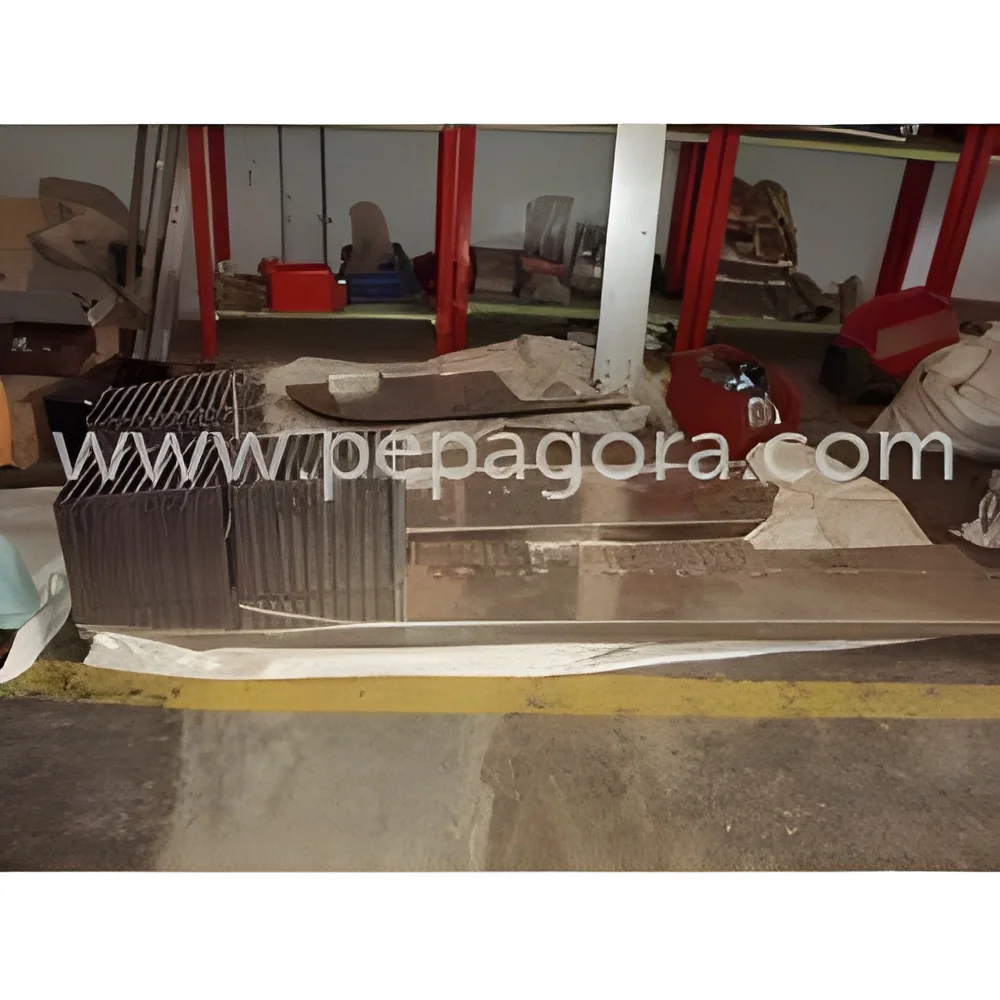
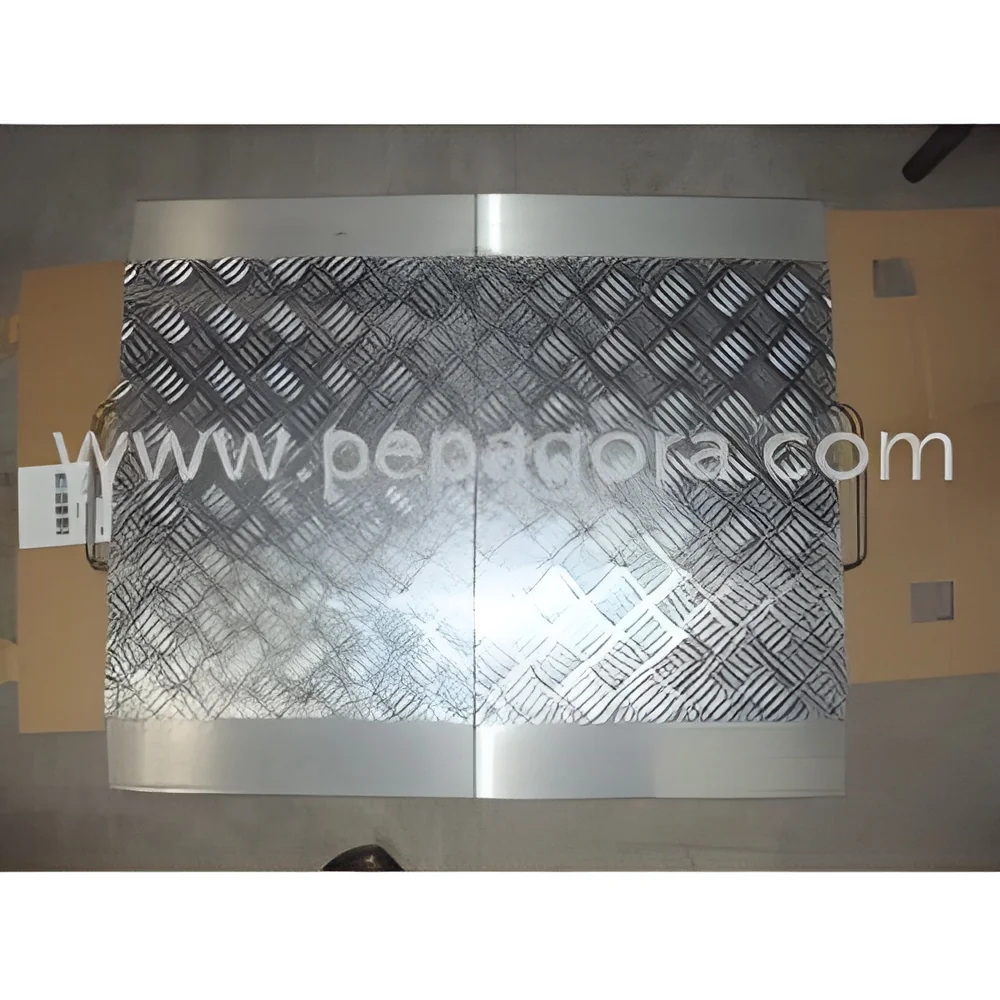
Automotive pressed parts represent engineered solutions for sheet metal forming in vehicle manufacturing, combining precision manufacturing with material science to create components that meet rigorous automotive standards. These parts are produced through advanced pressing techniques that transform flat sheet metal into complex three-dimensional shapes with consistent dimensional accuracy. The manufacturing process ensures each component maintains precise tolerances, material properties, and surface characteristics required for automotive applications. This attention to detail results in parts that provide reliable performance while supporting efficient assembly processes in modern vehicle production facilities.

Across the automotive industry, pressed parts serve fundamental roles in vehicle construction and functionality. Manufacturers utilize these components in body-in-white assemblies, chassis systems, powertrain mounting, and interior structures. The parts' consistent quality an...
Automotive pressed parts represent engineered solutions for sheet metal forming in vehicle manufacturing, combining precision manufacturing with material science to create components that meet rigorous automotive standards. These parts are produced through advanced pressing techniques that transform flat sheet metal into complex three-dimensional shapes with consistent dimensional accuracy. The manufacturing process ensures each component maintains precise tolerances, material properties, and surface characteristics required for automotive applications. This attention to detail results in parts that provide reliable performance while supporting efficient assembly processes in modern vehicle production facilities.

Across the automotive industry, pressed parts serve fundamental roles in vehicle construction and functionality. Manufacturers utilize these components in body-in-white assemblies, chassis systems, powertrain mounting, and interior structures. The parts' consistent quality and dimensional stability make them essential for both mass-produced passenger vehicles and specialized commercial vehicles. Their application extends from structural elements that ensure vehicle safety to functional components that support mechanical systems, demonstrating their versatility across different vehicle segments and manufacturing approaches.

Selecting these pressed parts provides tangible business advantages through improved manufacturing efficiency and reduced quality issues. The reliability of these components minimizes production disruptions caused by part inconsistencies or failures, while their precise specifications reduce assembly time and labor costs. Manufacturers benefit from components that integrate smoothly into existing production workflows, supporting just-in-time manufacturing strategies and inventory optimization. The consistent quality across production runs reduces warranty claims and enhances final product reliability, contributing to stronger brand reputation and customer satisfaction.

Key Features:
- Precision pressing for consistent dimensional accuracy and tight tolerances
- High-grade automotive sheet metals with uniform material properties
- Engineered for structural integrity and load-bearing capabilities
- Rigorous quality control including dimensional verification and material testing
- Scalable production to support both prototype development and volume manufacturing

Benefits:
- Enhanced manufacturing efficiency through precise fit and reduced assembly time
- Improved product reliability with consistent component quality across production runs
- Reduced production costs via minimized rework and material waste
- Support for automated assembly systems with uniform part specifications
- Long-term performance durability in demanding automotive environments
Specifications
| Additional Information | |
|---|---|
| Country of Origin | India |
| Customisable | No |
Application
Automotive pressed parts form the structural backbone of modern vehicles, providing essential components for body assembly, chassis systems, and interior frameworks. These precision-formed sheet metal parts are manufactured to exact specifications, ensuring consistent fit and performance across high-volume production runs. Their dimensional stability and material consistency make them indispensable for automotive manufacturers who require reliable components that integrate seamlessly into automated assembly processes.
These components serve critical functions across vehicle manufacturing, from supporting structural loads to providing mounting points for mechanical systems. The pressing process creates parts with uniform thickness and precise geometries, enabling efficient assembly and reducing production bottlenecks. Automotive suppliers and OEMs depend on these parts for their repeatable quality and ability to meet tight tolerance requirements in demanding manufacturing environments.
- Vehicle body panels including doors, hoods, and fenders
- Structural chassis components and reinforcement brackets
- Engine mounting brackets and transmission supports
- Interior structural frames for dashboards and consoles
- Door frames, window channels, and hinge reinforcement plates
Trade Details
| Available Stock | In Stock |
| Sample Availability | No |
Payment Terms
| Payment Terms |
|
Company Profile
New S B Enterprises, Gujarat
 Gujarat, India
Gujarat, IndiaIndustrial Equipment & Machinery•Manufacturer•Importer / Exporter
Factory Details
Factory SizeBelow 1000 sqm
Annual Production Capacity0
Automotive Pressed Parts For Sheet Metal Applications
Automotive Pressed Parts for sheet metal applications deliver precision metal forming solutions for vehicle manufacturing. These reliable components ensure structural integrity and dimensional accuracy for automotive assembly lines.
Min. Order Quantity: 1 unit
Shipping
Shipping fee and delivery date to be negotiated. Contact supplier now for more details.
New S B Enterprises
 Gujarat, India
Gujarat, IndiaIndustrial Equipment & MachineryManufacturer