IN
₹
Description
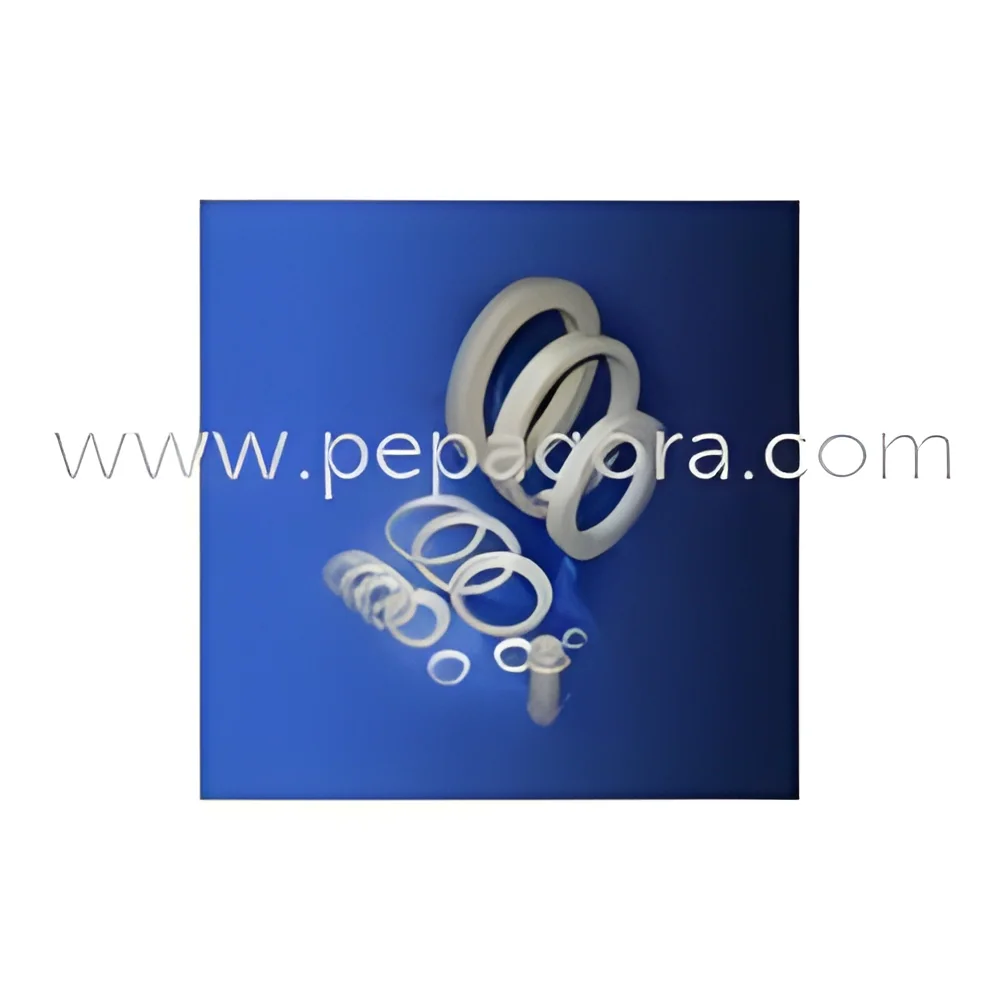
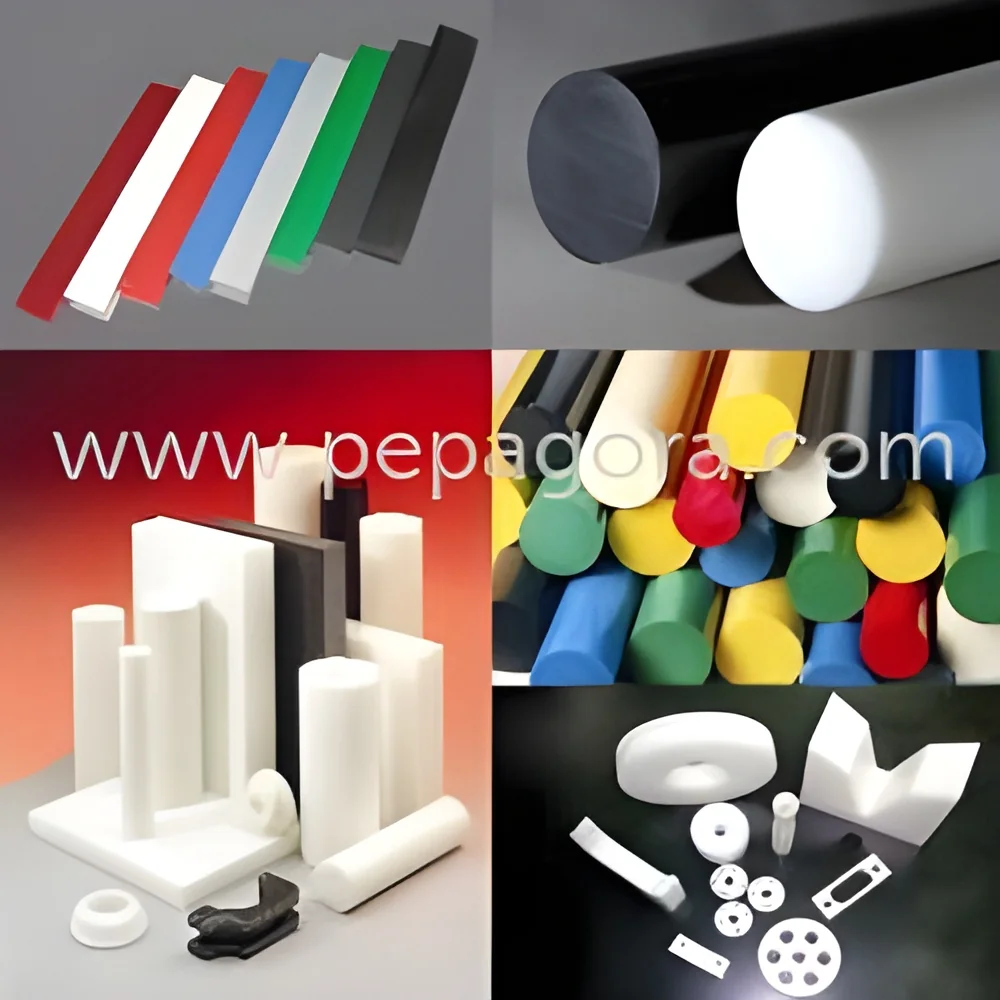
Polyoxymethylene (POM), commonly known as Polyacetal, is a premium engineering thermoplastic supplied through Polyplastics Co., a global leader in polymer technology. Manufactured to strict international standards, this material guarantees consistent quality and reliability for industrial procurement. It delivers an outstanding balance of mechanical properties including high stiffness, strength, and dimensional stability, combined with excellent resistance to chemicals, wear, and fatigue. Its low moisture absorption and superior moldability make it ideal for producing precision components that require exact tolerances and long-term performance. Businesses select POM for its capability to perform in demanding environments where alternatives may fail, providing a dependable solution for critical applications across multiple sectors.

Polyoxymethylene is widely utilized in industries that demand durability, precision, and resilience under harsh conditions. In automotive manufacturing, it ...
Polyoxymethylene (POM), commonly known as Polyacetal, is a premium engineering thermoplastic supplied through Polyplastics Co., a global leader in polymer technology. Manufactured to strict international standards, this material guarantees consistent quality and reliability for industrial procurement. It delivers an outstanding balance of mechanical properties including high stiffness, strength, and dimensional stability, combined with excellent resistance to chemicals, wear, and fatigue. Its low moisture absorption and superior moldability make it ideal for producing precision components that require exact tolerances and long-term performance. Businesses select POM for its capability to perform in demanding environments where alternatives may fail, providing a dependable solution for critical applications across multiple sectors.

Polyoxymethylene is widely utilized in industries that demand durability, precision, and resilience under harsh conditions. In automotive manufacturing, it is employed for fuel system components, interior handles, and under-hood parts due to its chemical resistance and low friction properties. Consumer electronics manufacturers rely on it for gears, switches, and connectors because of its electrical insulation and wear resistance. Industrial machinery applications include gears, bearings, and conveyor components where its mechanical strength reduces maintenance requirements. The medical sector values POM for devices like inhalers and surgical tools, owing to its biocompatibility and ease of sterilization. Additionally, it is found in plumbing and fluid handling systems for valves and fittings, where its corrosion resistance ensures long operational life.

For procurement professionals, Polyoxymethylene delivers significant value by enhancing product reliability and reducing total cost of ownership. Its exceptional durability and low friction minimize wear, leading to longer component lifespan and fewer replacements, which lowers maintenance expenses and operational downtime. The material's versatility allows it to substitute metals in numerous applications, offering weight reduction and cost savings without compromising performance. Sourcing from an established manufacturer like Polyplastics Co. ensures consistent quality, batch-to-batch uniformity, and access to technical support, providing confidence for importers and distributors serving markets where quality is paramount.

Key Features:
- High mechanical strength and stiffness for durable performance under load.
- Excellent chemical resistance to hydrocarbons, solvents, and neutral chemicals.
- Low moisture absorption ensuring dimensional stability in humid conditions.
- Superior wear resistance and low friction coefficient reducing energy consumption.
- Good thermal stability allowing continuous use in temperatures up to 100°C.

Benefits:
- Enhances product longevity and reduces replacement frequency, lowering total cost.
- Replaces metal components to decrease weight and material costs.
- Maintains precise dimensions in varying humidity for reliable assembly.
- Minimizes friction and wear in moving parts, improving energy efficiency.
- Performs consistently in diverse thermal environments for broad application suitability.
Specifications
| Additional Information | |
|---|---|
| Country of Origin | India |
Application
Polyoxymethylene (Polyacetal) is a high-performance engineering thermoplastic known for exceptional dimensional stability, low friction, and excellent resistance to chemicals and wear. Its superior moldability makes it perfect for manufacturing precision components requiring tight tolerances and durability in challenging environments. Industries depend on its balanced properties for parts that must perform reliably under mechanical stress, thermal changes, and exposure to solvents or fuels.
This material is extensively used across automotive, consumer electronics, industrial machinery, medical devices, and fluid handling systems. Its ability to replace metals in many applications reduces weight and costs while maintaining strength. Manufacturers value its consistency and ease of processing, which streamline production and enhance product longevity in final applications.
- Automotive fuel system parts, door handles, and seatbelt mechanisms due to chemical resistance and low moisture absorption.
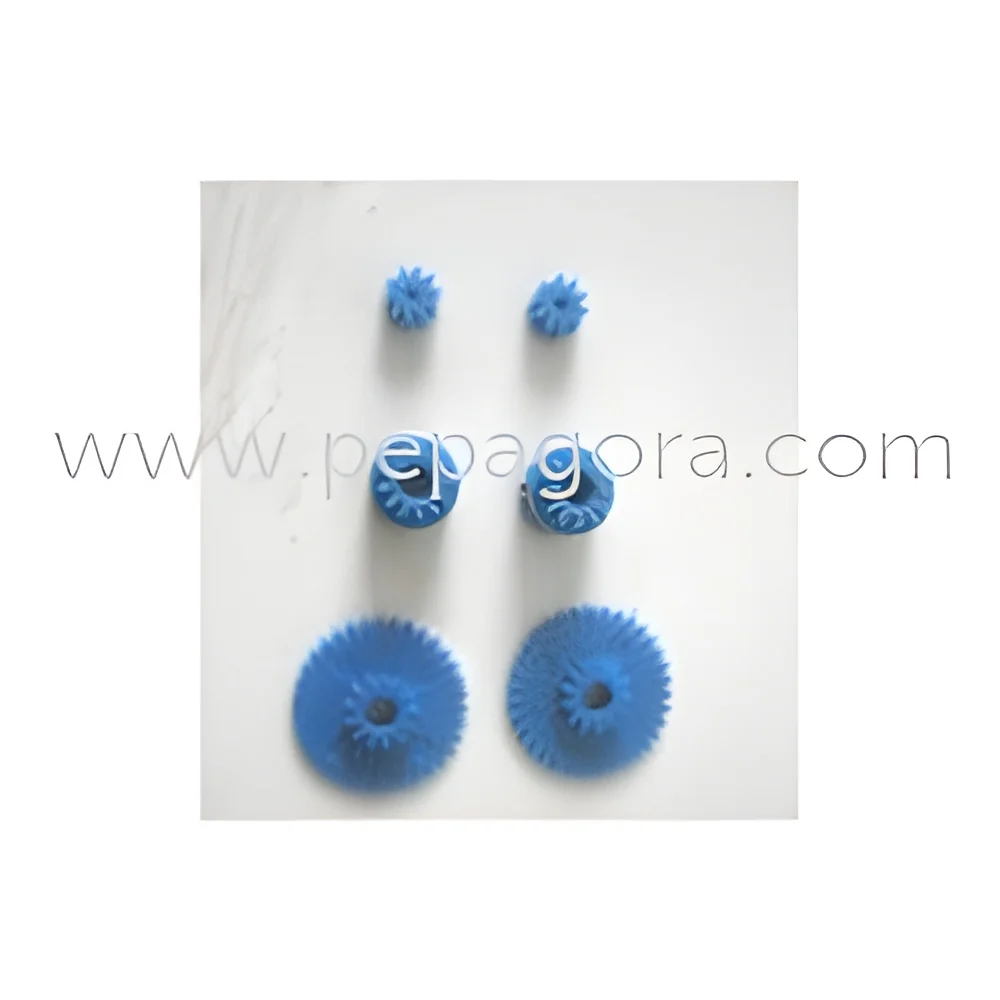
- Precision gears, bearings, and rotors in industrial machinery for reduced friction and extended service life.
- Medical devices including inhalers and surgical instruments thanks to biocompatibility and sterilizability.
- Consumer electronics like keyboard switches and appliance gears where smooth operation and durability are critical.
- Plumbing fittings, valve components, and pump parts in fluid systems because of corrosion and wear resistance.
Trade Details
| Available Stock | In Stock |
| Sample Availability | No |
Payment Terms
| Payment Terms |
|
Company Profile
Plastic Enterprises, New Delhi
 New Delhi, India
Raw Materials & Chemicals•Trading Company•Distributor / Wholesaler
Factory Details
Factory SizeBelow 1000 sqm
Annual Production Capacity0
Premium Polyoxymethylene POM Polyacetal For Precision Gears Rotors
Premium Polyoxymethylene POM Polyacetal from Polyplastics Co. for precision gears and rotors. Offers superior mechanical strength, chemical resistance, and thermal stability for demanding industrial applications.
Min. Order Quantity: 1 unit
Shipping
Shipping fee and delivery date to be negotiated. Contact supplier now for more details.
Plastic Enterprises
 New Delhi, India
Raw Materials & ChemicalsTrading Company