IN
IN₹
Apparel & Fashion
Description
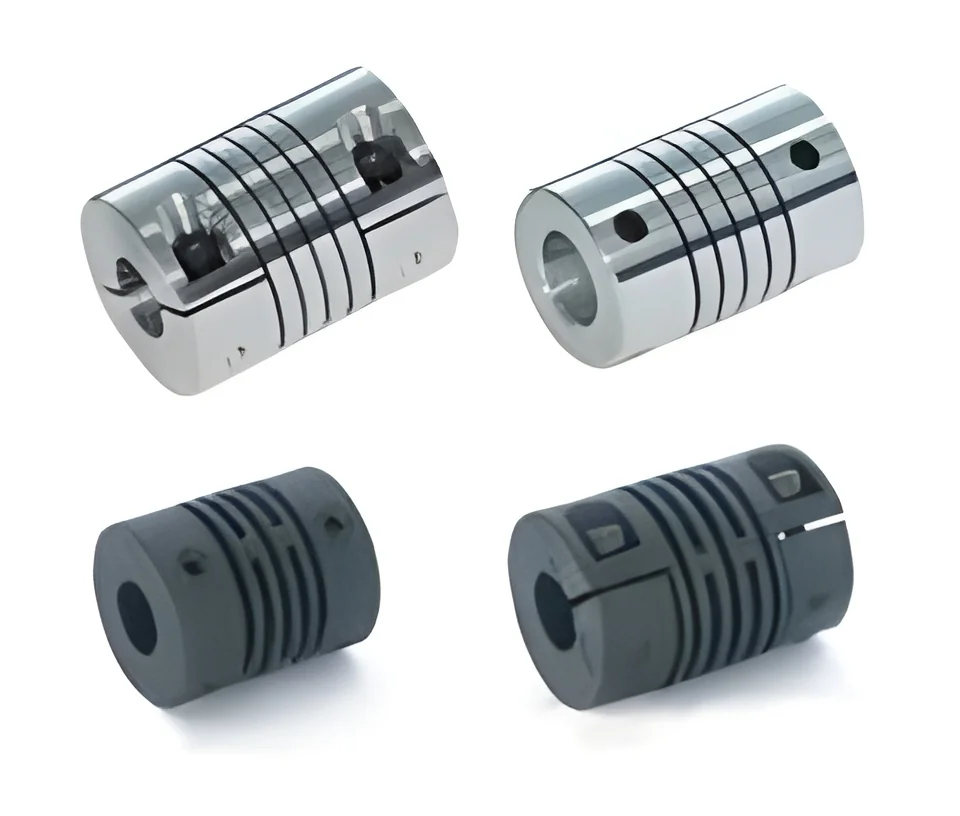
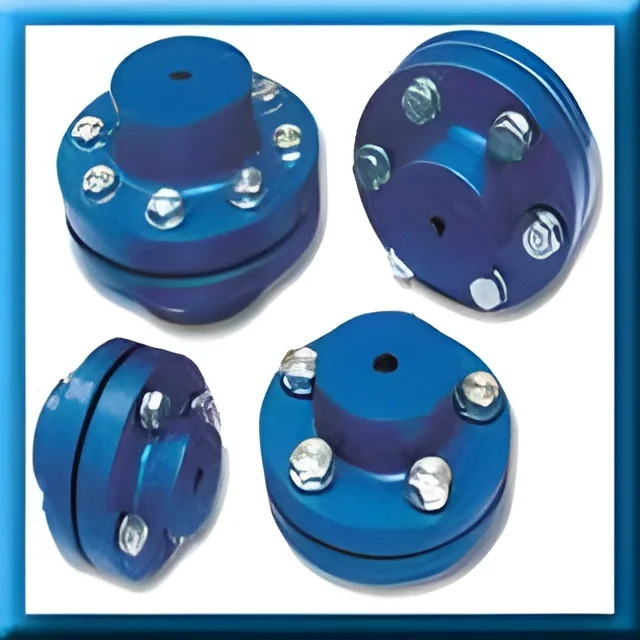
Industrial Power Transmission Pin Bush Couplings represent a critical component in industrial power transmission systems, designed to connect two shafts while accommodating misalignment and transmitting torque efficiently. These couplings consist of two hubs with pins that engage with a flexible bush element, creating a reliable connection that can handle angular, parallel, and axial misalignment. The design allows for easy installation and maintenance while providing excellent vibration damping properties. Manufacturers typically produce these couplings from high-grade materials including cast iron, steel, and engineered polymers to ensure durability and long service life across various operating conditions. The simplicity of the pin bush design makes it a cost-effective solution for numerous industrial applications where reliable power transmission is essential.

These couplings serve vital roles across multiple industrial sectors including manufacturing, processing, material handlin...
Industrial Power Transmission Pin Bush Couplings represent a critical component in industrial power transmission systems, designed to connect two shafts while accommodating misalignment and transmitting torque efficiently. These couplings consist of two hubs with pins that engage with a flexible bush element, creating a reliable connection that can handle angular, parallel, and axial misalignment. The design allows for easy installation and maintenance while providing excellent vibration damping properties. Manufacturers typically produce these couplings from high-grade materials including cast iron, steel, and engineered polymers to ensure durability and long service life across various operating conditions. The simplicity of the pin bush design makes it a cost-effective solution for numerous industrial applications where reliable power transmission is essential.

These couplings serve vital roles across multiple industrial sectors including manufacturing, processing, material handling, and power generation. In manufacturing plants, they connect motors to machinery such as pumps, compressors, and conveyors. The processing industries including food, beverage, and pharmaceuticals utilize pin bush couplings for their hygienic design and corrosion-resistant options. Material handling equipment manufacturers incorporate these couplings in conveyor systems, cranes, and lifting equipment. Power generation facilities use them to connect engines to generators and other auxiliary equipment. The versatility of pin bush couplings makes them suitable for both light-duty applications and heavy industrial machinery where reliable torque transmission is crucial.

The business value of pin bush couplings lies in their reliability, low maintenance requirements, and cost-effectiveness. These components reduce operational downtime by providing durable performance with minimal maintenance needs, as they require no lubrication and feature simple replacement procedures. The robust construction ensures long service life even in demanding environments, providing excellent return on investment through reduced replacement costs and maintenance expenses. The electrical isolation properties also protect connected equipment from electrical currents, adding an additional layer of protection for valuable machinery. Their ability to accommodate misalignment prevents premature wear on connected equipment, extending the lifespan of entire power transmission systems.

Key Features:
- Accommodates angular, parallel, and axial misalignment between connected shafts
- Flexible bush element provides vibration damping and shock absorption
- No lubrication required, reducing maintenance needs and contamination risk
- Available in various materials including cast iron, steel, and corrosion-resistant options
- Simple design allows for easy installation and component replacement

Benefits:
- Reduces equipment downtime through reliable performance and minimal maintenance
- Extends machinery lifespan by absorbing vibrations and shock loads
- Lowers operational costs with no lubrication requirements and easy maintenance
- Provides electrical isolation to protect connected equipment from current damage
- Ensures smooth power transmission across various industrial applications
Specifications
| Additional Information | |
|---|---|
| Country of Origin | India |
Application
Pin bush couplings serve as essential components in power transmission systems where moderate misalignment compensation is required. These couplings connect two shafts while allowing for angular, parallel, and axial misalignment, ensuring smooth power transfer between driving and driven equipment. Their simple yet robust design makes them suitable for various industrial environments where reliability and easy maintenance are priorities.
These couplings find extensive use across multiple industries due to their versatility and durability. Manufacturing plants, processing facilities, and heavy machinery operations benefit from their ability to transmit torque while damping vibrations and absorbing shock loads. The pin bush design provides electrical isolation between connected shafts and requires no lubrication, reducing maintenance needs and operational downtime in continuous production environments.
- Connecting motors to pumps in water treatment plants and irrigation systems
- Power transmission in conveyor systems for manufacturing and material handling
- Linking engines to generators in power generation equipment
- Driving industrial fans and blowers in HVAC and ventilation systems
- Connecting processing equipment in food, beverage, and pharmaceutical manufacturing
Trade Details
| Available Stock | In Stock |
| Sample Availability | No |
Payment Terms
| Payment Terms |
|
Company Profile

Bhumi Enterprise, Maharashtra
 Maharashtra, India
Maharashtra, IndiaTools & Hardware•Manufacturer•Trading Company•Distributor / Wholesaler
Factory Details
Factory SizeBelow 1000 sqm
Annual Production Capacity0
Main Markets
Domestic
Industrial Power Transmission Pin Bush Couplings Flexible Misalignment
Industrial Power Transmission Pin Bush Couplings provide reliable flexible misalignment compensation for machinery. These robust couplings reduce vibration, require no lubrication, and ensure smooth operation in demanding industrial applications across manufacturing and processing sectors.
Min. Order Quantity: 1 unit
Shipping
Shipping fee and delivery date to be negotiated. Contact supplier now for more details.
Bhumi Enterprise
 Maharashtra, India
Maharashtra, IndiaTools & HardwareManufacturer