IN
IN₹
Apparel & Fashion
Description
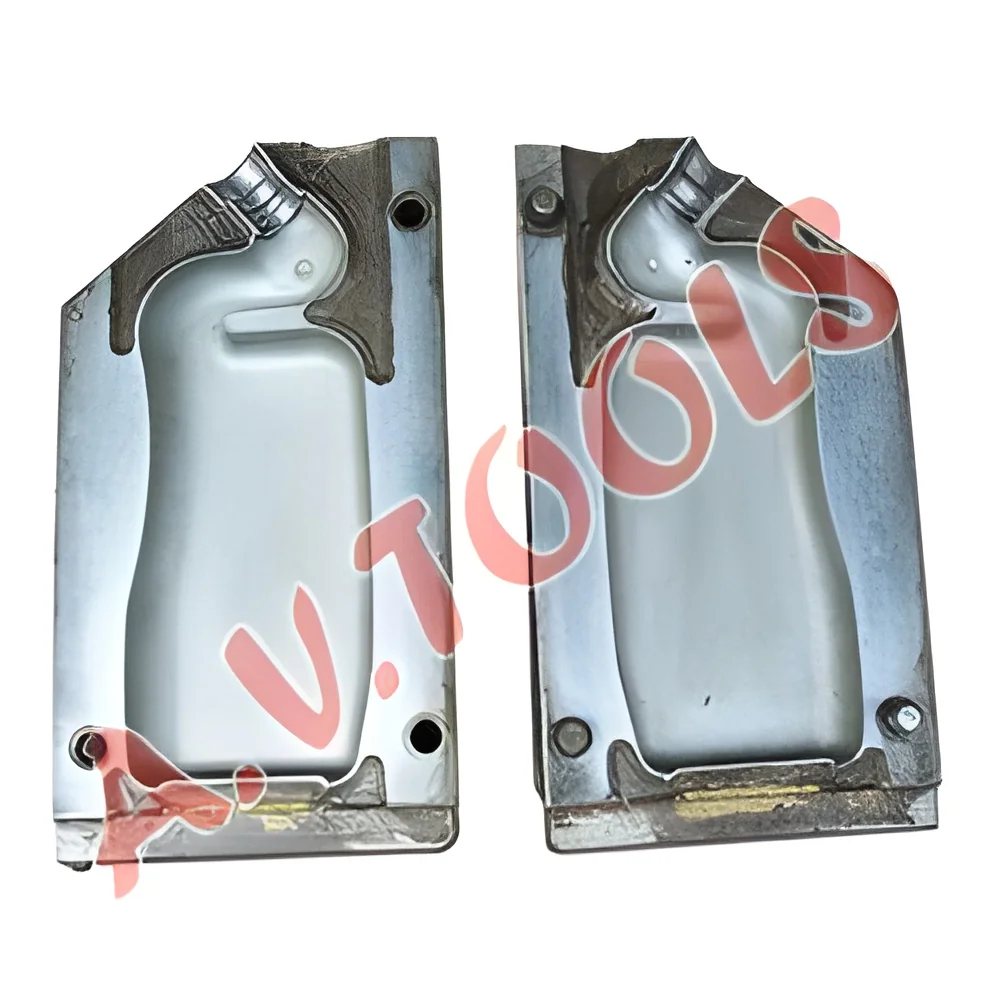
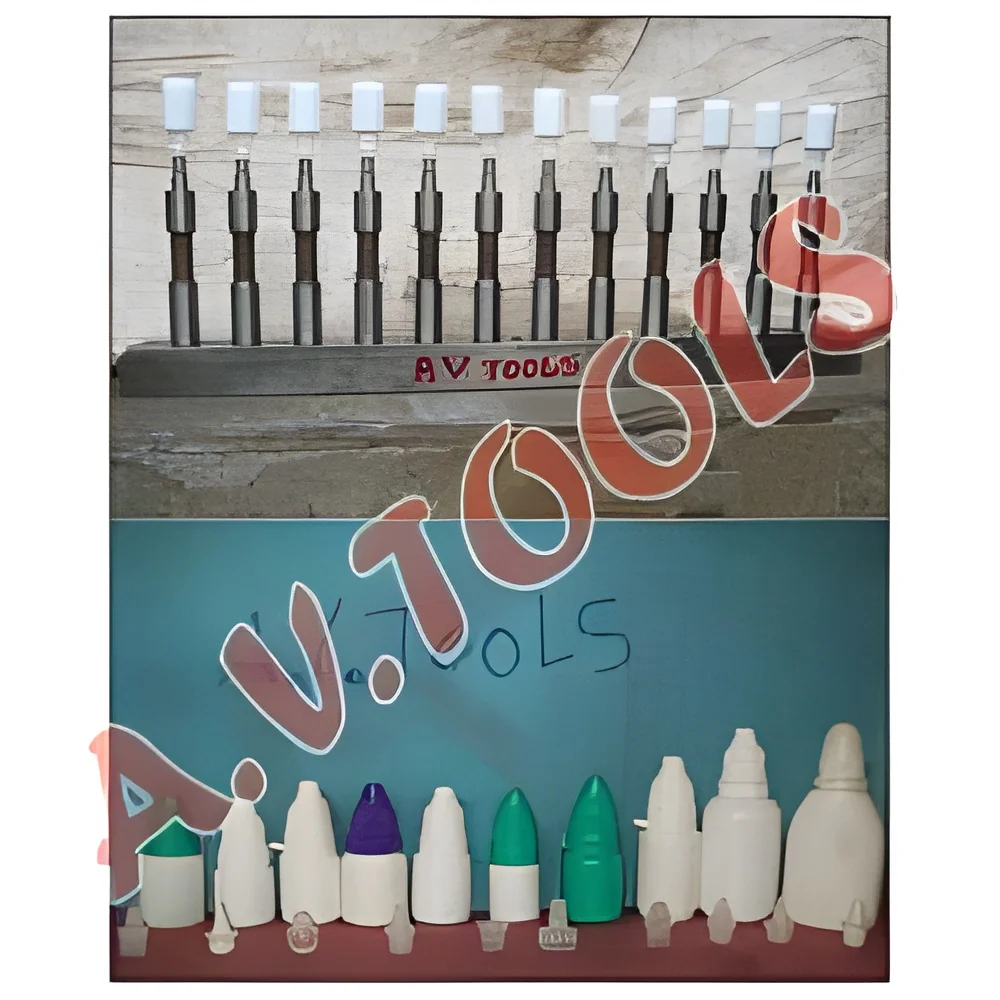
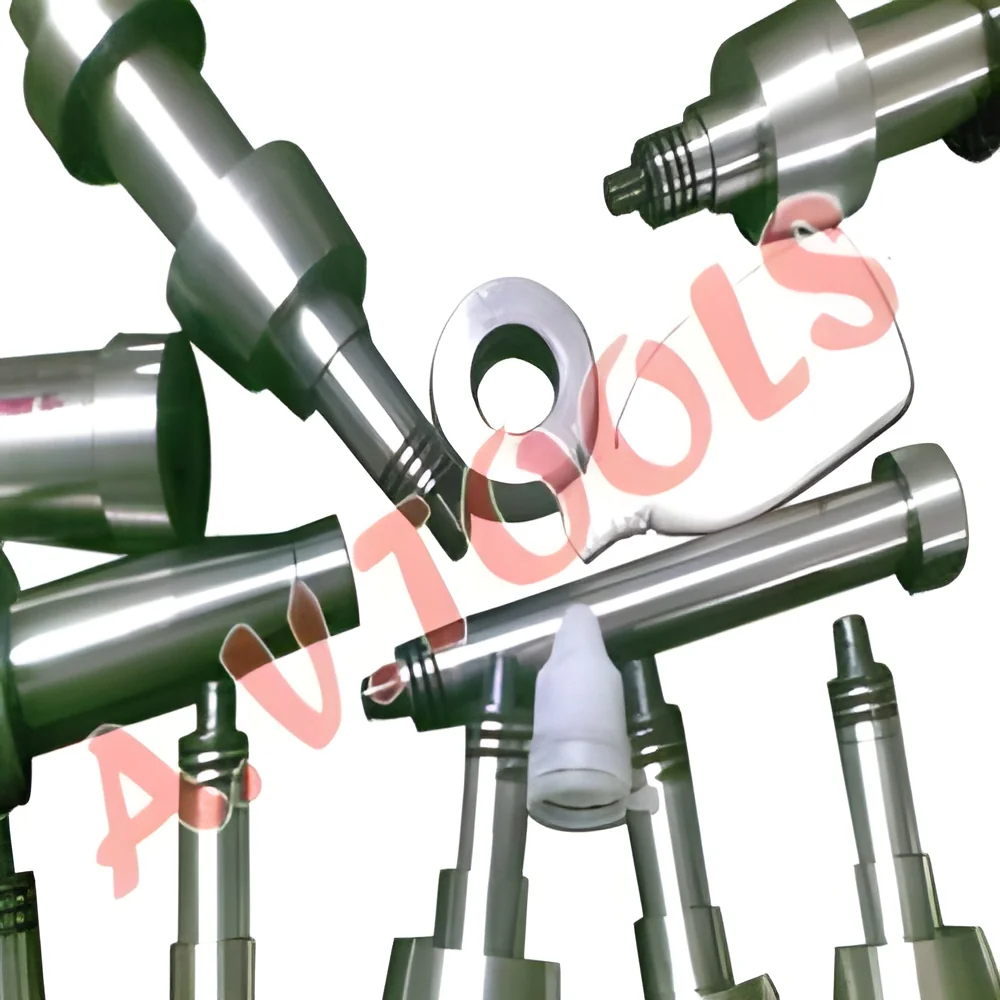
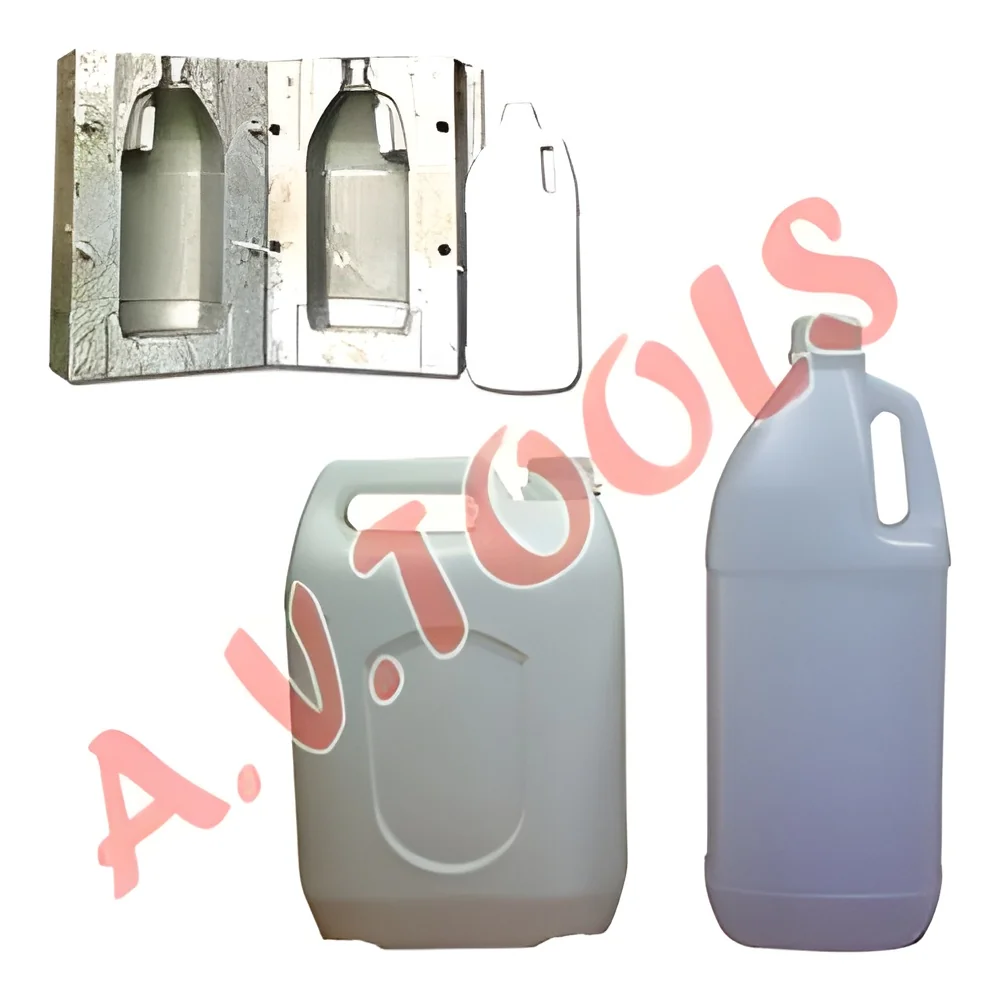
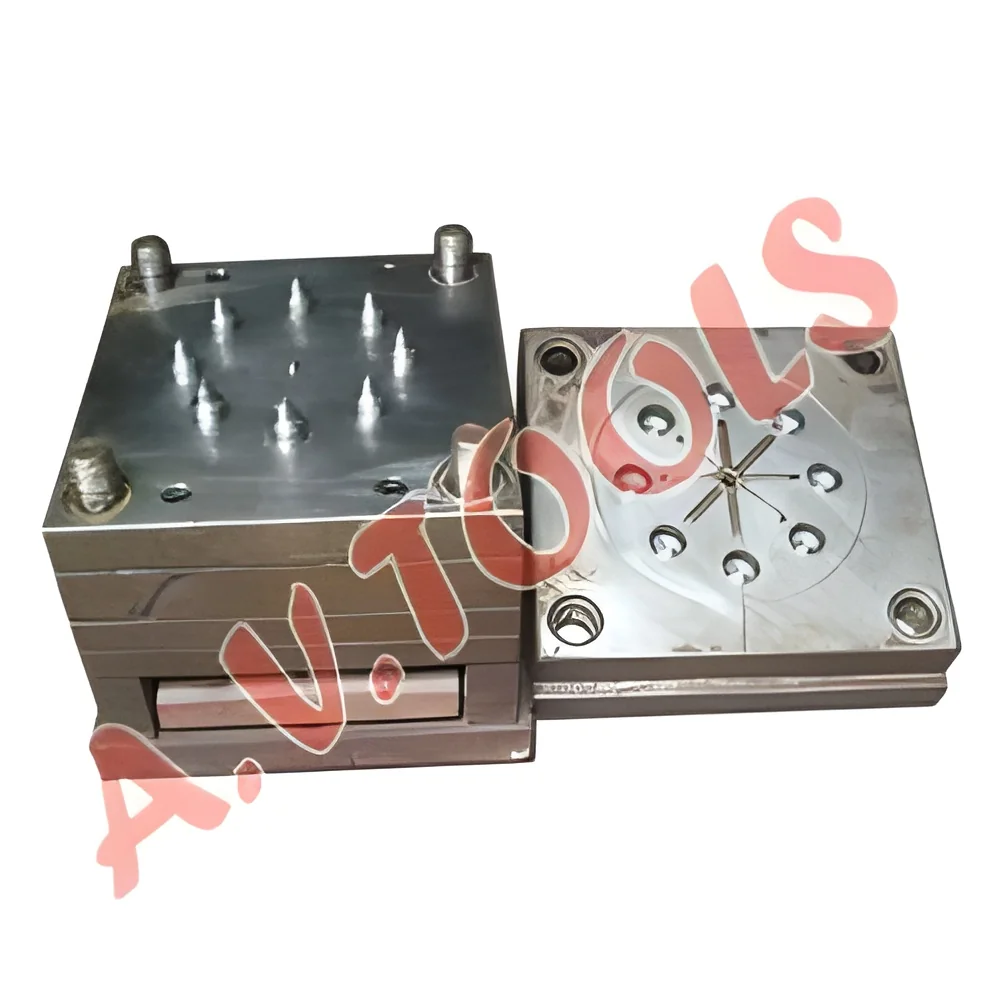
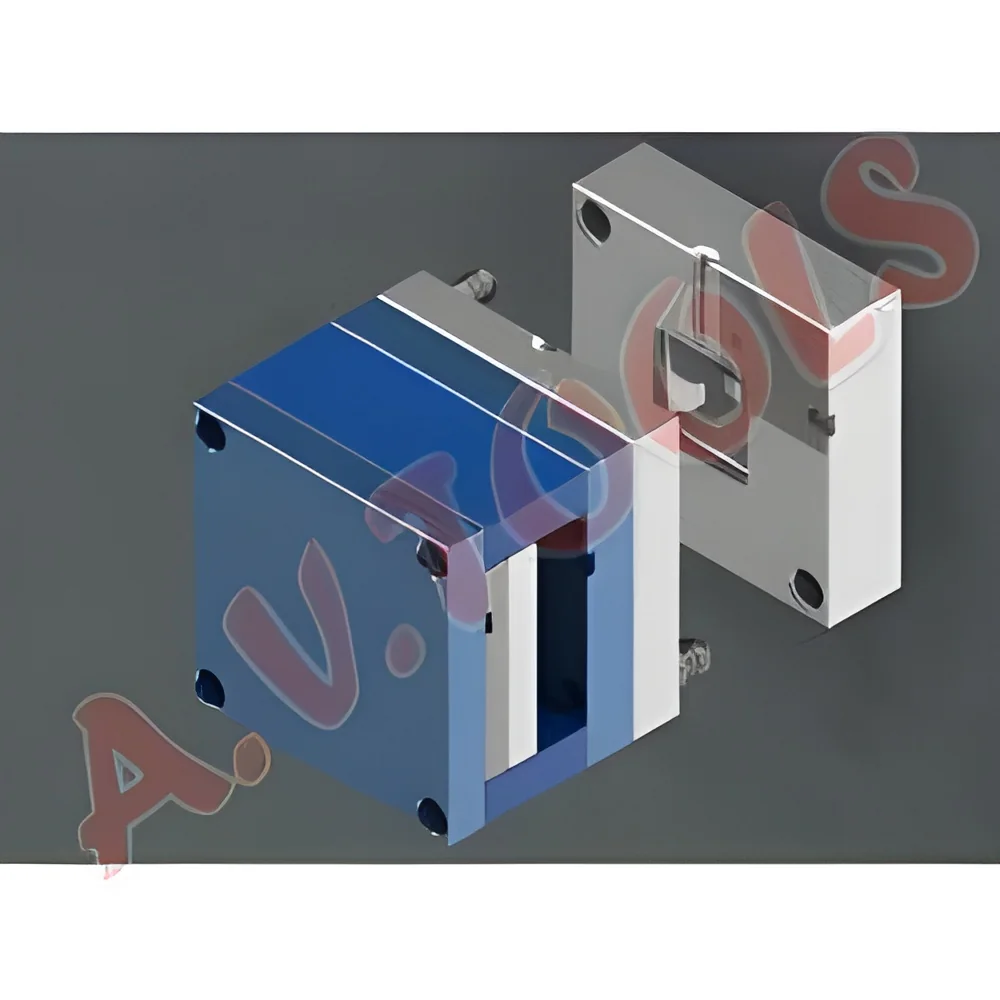
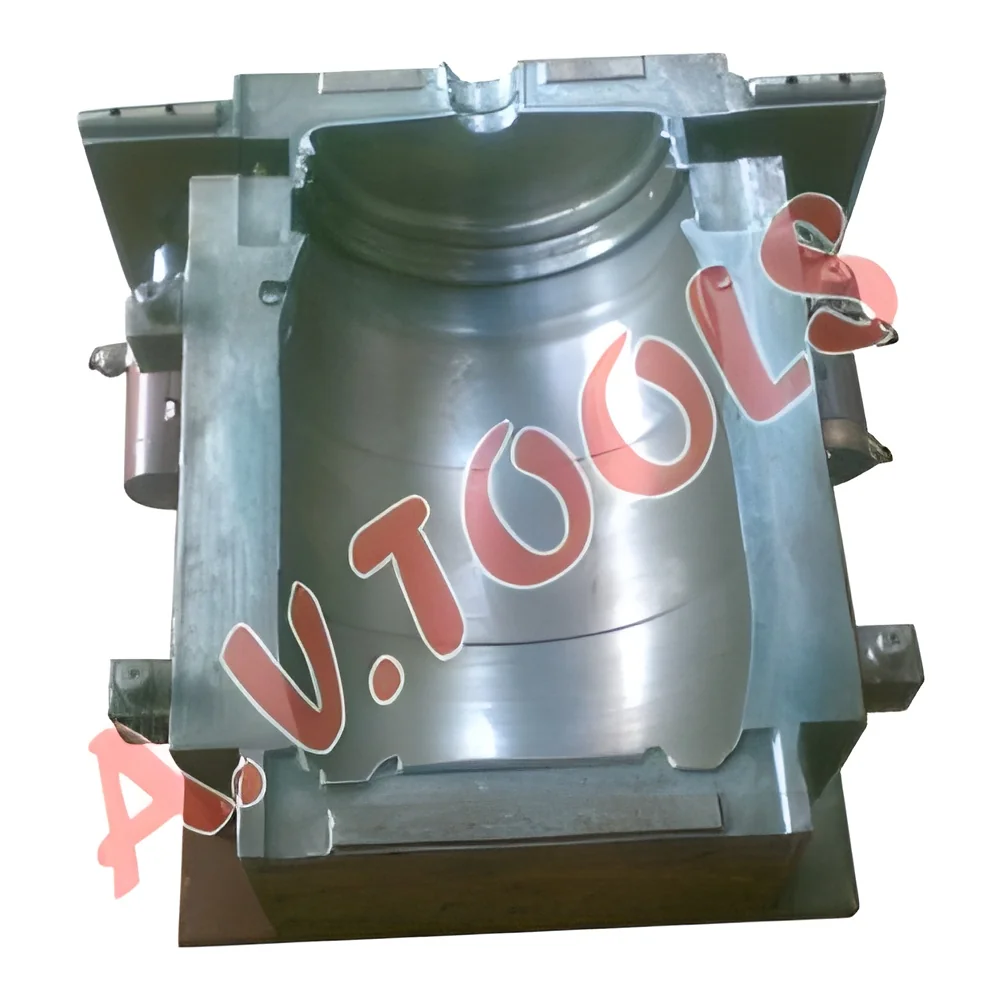
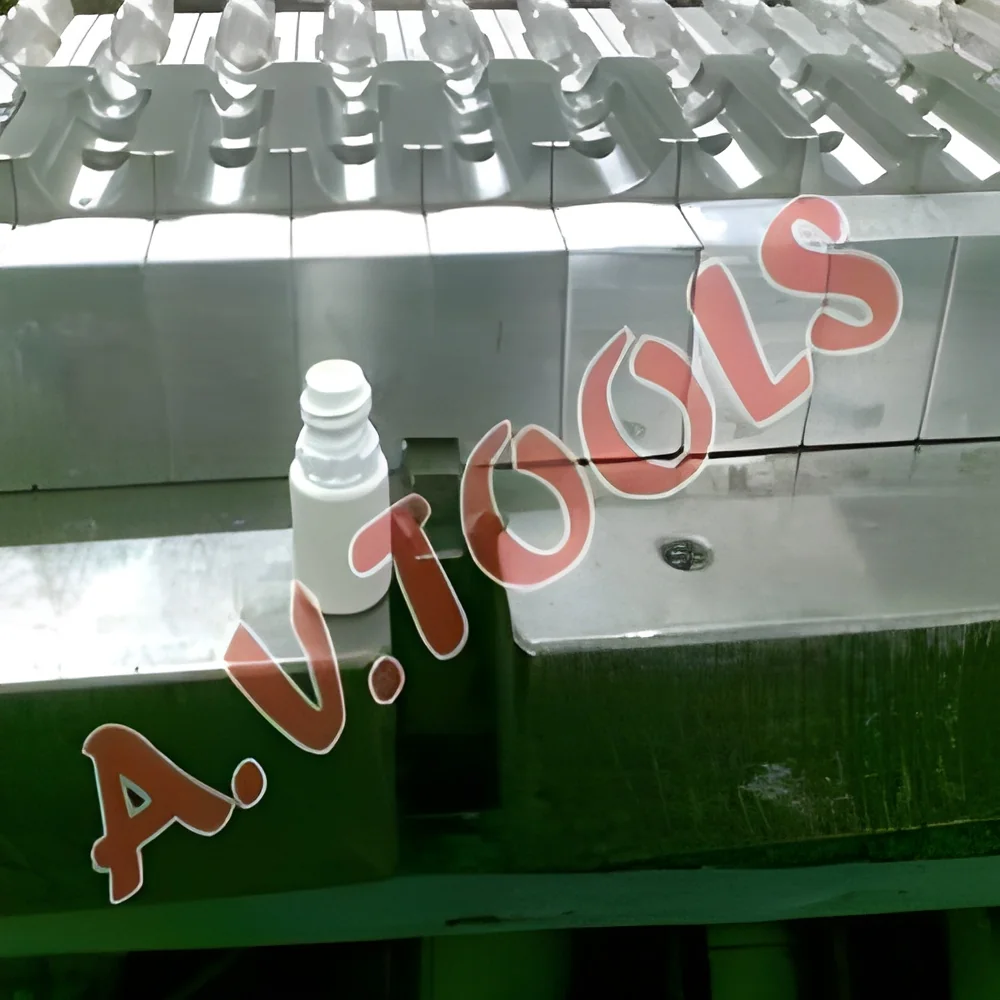
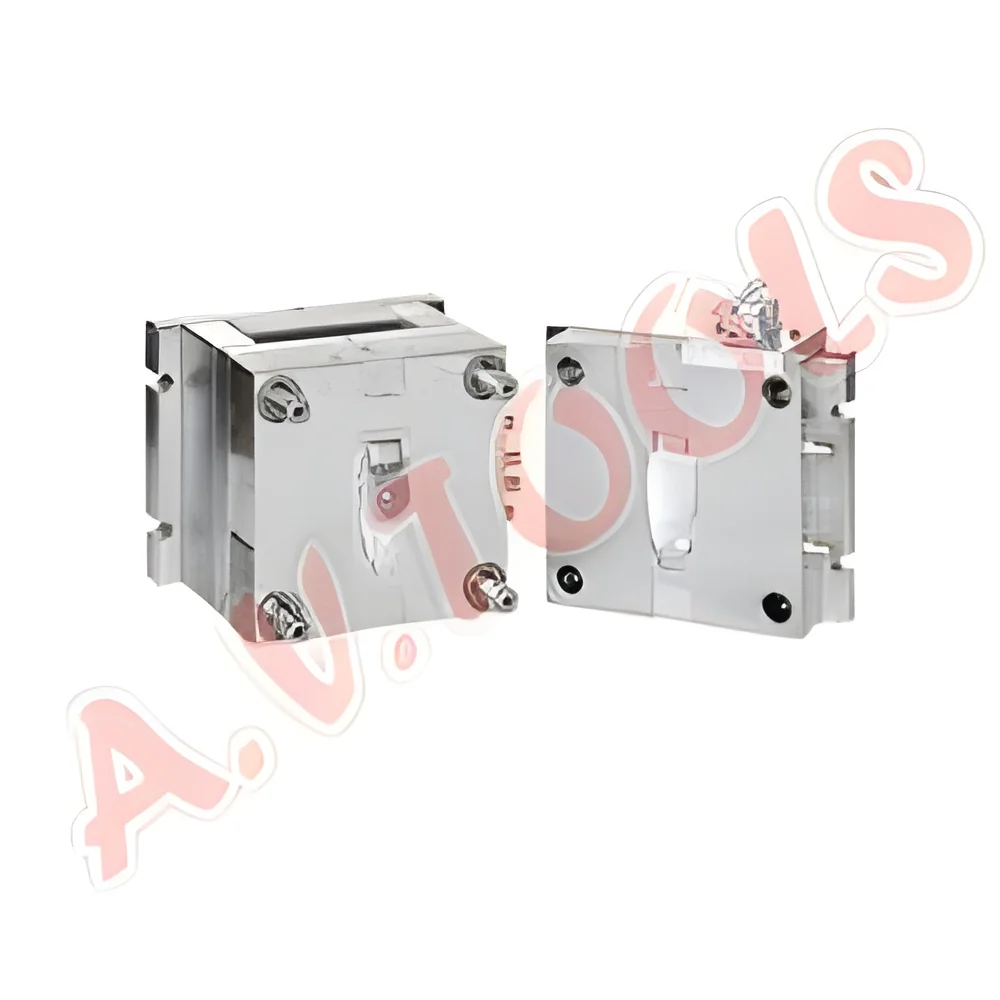
Pilot moulds represent precision engineering tools specifically designed for product development and pre-production validation phases. These specialized moulds enable manufacturers to create accurate prototypes that closely match final products in dimensions, material properties, and functional characteristics. Engineered for flexibility and rapid iteration, pilot moulds allow businesses to test multiple design variations, evaluate different materials, and refine manufacturing processes before investing in expensive full-scale production tooling. This approach significantly reduces development risks while ensuring final products meet exact quality standards and performance requirements.

Various manufacturing sectors utilize pilot moulds to streamline production processes and maintain competitive advantage. The automotive industry employs these moulds for developing interior components, electrical housings, and under-the-hood parts. Consumer goods manufacturers use them for packaging p...
Pilot moulds represent precision engineering tools specifically designed for product development and pre-production validation phases. These specialized moulds enable manufacturers to create accurate prototypes that closely match final products in dimensions, material properties, and functional characteristics. Engineered for flexibility and rapid iteration, pilot moulds allow businesses to test multiple design variations, evaluate different materials, and refine manufacturing processes before investing in expensive full-scale production tooling. This approach significantly reduces development risks while ensuring final products meet exact quality standards and performance requirements.

Various manufacturing sectors utilize pilot moulds to streamline production processes and maintain competitive advantage. The automotive industry employs these moulds for developing interior components, electrical housings, and under-the-hood parts. Consumer goods manufacturers use them for packaging prototypes, household products, and electronic device casings. Medical device companies rely on pilot moulds for creating precision components that must meet strict regulatory standards. Aerospace, defense, and industrial equipment manufacturers benefit from these tools when developing specialized components requiring exacting tolerances and material certifications before mass production.

The business value of pilot moulds extends beyond prototyping to encompass significant cost savings, risk mitigation, and accelerated market entry. By identifying design flaws and manufacturing challenges early in development, companies avoid costly modifications to production moulds and prevent expensive production delays. The reliability of these moulds ensures consistent prototype quality, enabling accurate performance testing and customer evaluations. Quality options allow businesses to match mould specifications to project requirements, while material testing capabilities help optimize product performance and manufacturing economics before scaling operations.

Key Features:
- Precision engineering for accurate prototype replication
- Multiple quality tiers to match different performance requirements
- Compatibility with various manufacturing materials and processes
- Durable construction for repeated testing and validation cycles
- Design flexibility supporting multiple iterations and modifications

Benefits:
- Reduced development costs through early issue identification
- Accelerated time-to-market with efficient validation processes
- Minimized production risks through comprehensive testing
- Consistent prototype quality for reliable performance evaluation
- Manufacturing process optimization before full-scale production
Specifications
| Additional Information | |
|---|---|
| Country of Origin | India |
Application
Pilot moulds are essential tools in product development, allowing manufacturers to create functional prototypes that accurately represent final products. These moulds help identify design issues, test material performance, and optimize manufacturing parameters before committing to full-scale production, ensuring a smoother transition from concept to commercial manufacturing.
These tools are crucial for preparing assembly equipment and training production teams, helping establish precise manufacturing settings and reducing time-to-market. Industries from automotive to consumer goods rely on pilot moulds to minimize costly errors during mass production and validate product designs under real-world conditions before scaling operations.
- Creating functional prototypes for design validation and engineering approval
- Testing polymer materials for durability and performance characteristics
- Calibrating injection molding machines for optimal production settings
- Training assembly line personnel using pre-production samples
- Conducting limited market testing runs before mass manufacturing
Trade Details
| Available Stock | In Stock |
| Sample Availability | No |
Payment Terms
| Payment Terms |
|
Company Profile
A. V. Tools, Maharashtra
 Maharashtra, India
Maharashtra, IndiaHome & Lifestyle•Manufacturer•Distributor / Wholesaler
Factory Details
Factory SizeBelow 1000 sqm
Annual Production Capacity0
Pilot Moulds For Product Development Pre Production Sampling
Pilot Moulds for product development and pre-production sampling enable material testing, design validation, and assembly line preparation with reliable quality options for manufacturers.
Min. Order Quantity: 1 unit
Shipping
Shipping fee and delivery date to be negotiated. Contact supplier now for more details.
A. V. Tools
 Maharashtra, India
Maharashtra, IndiaHome & LifestyleManufacturer