IN
IN₹
Apparel & Fashion
Loading subcategories...
View More
Description
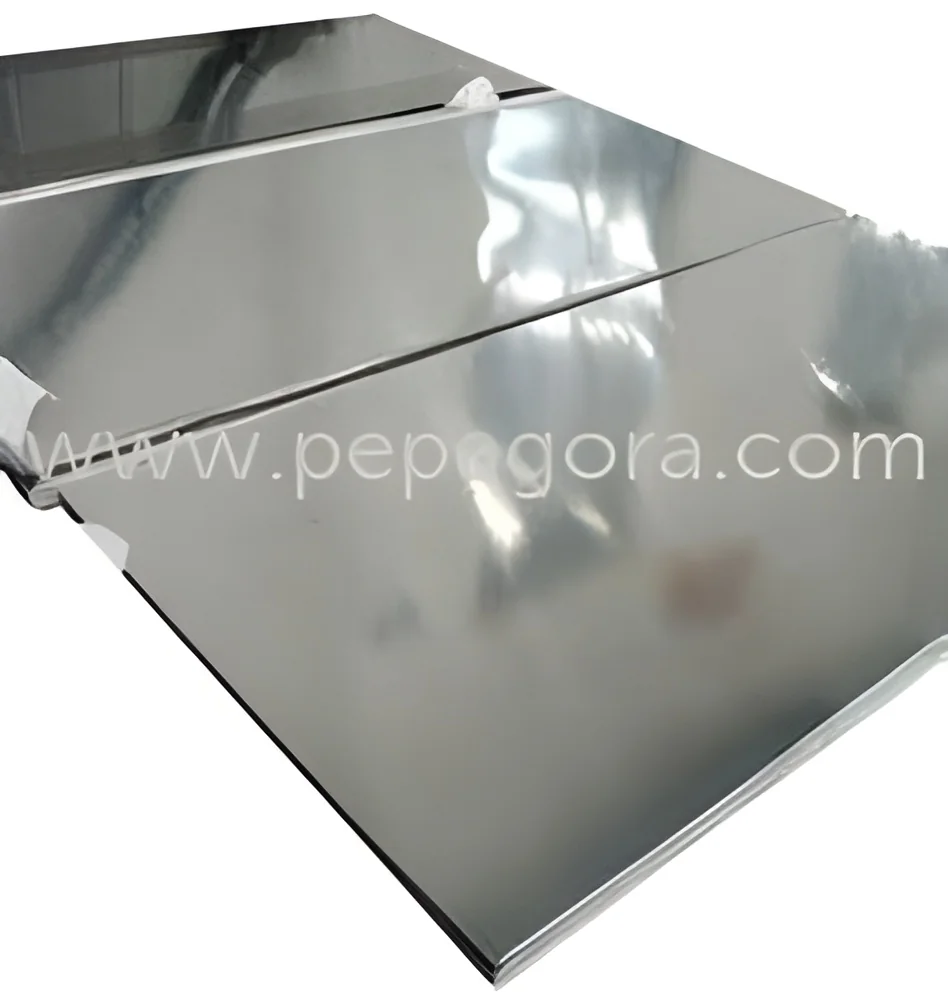
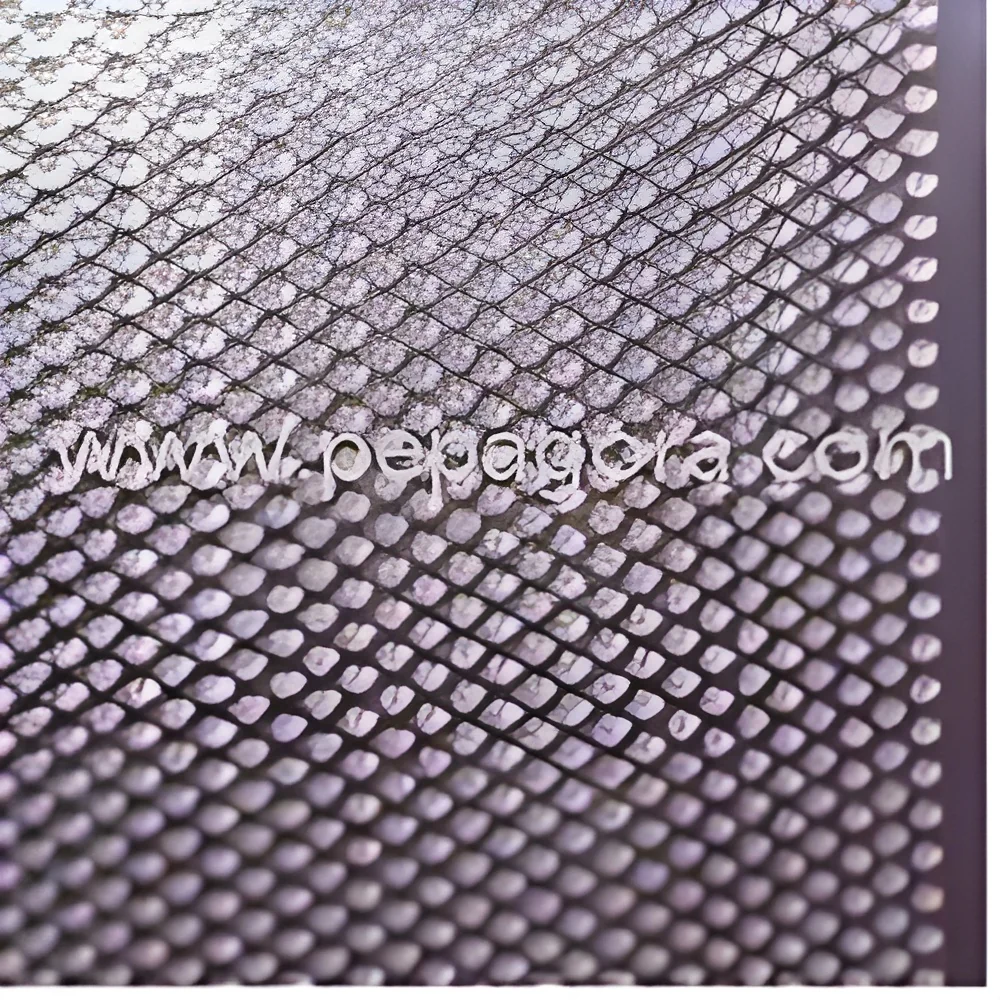
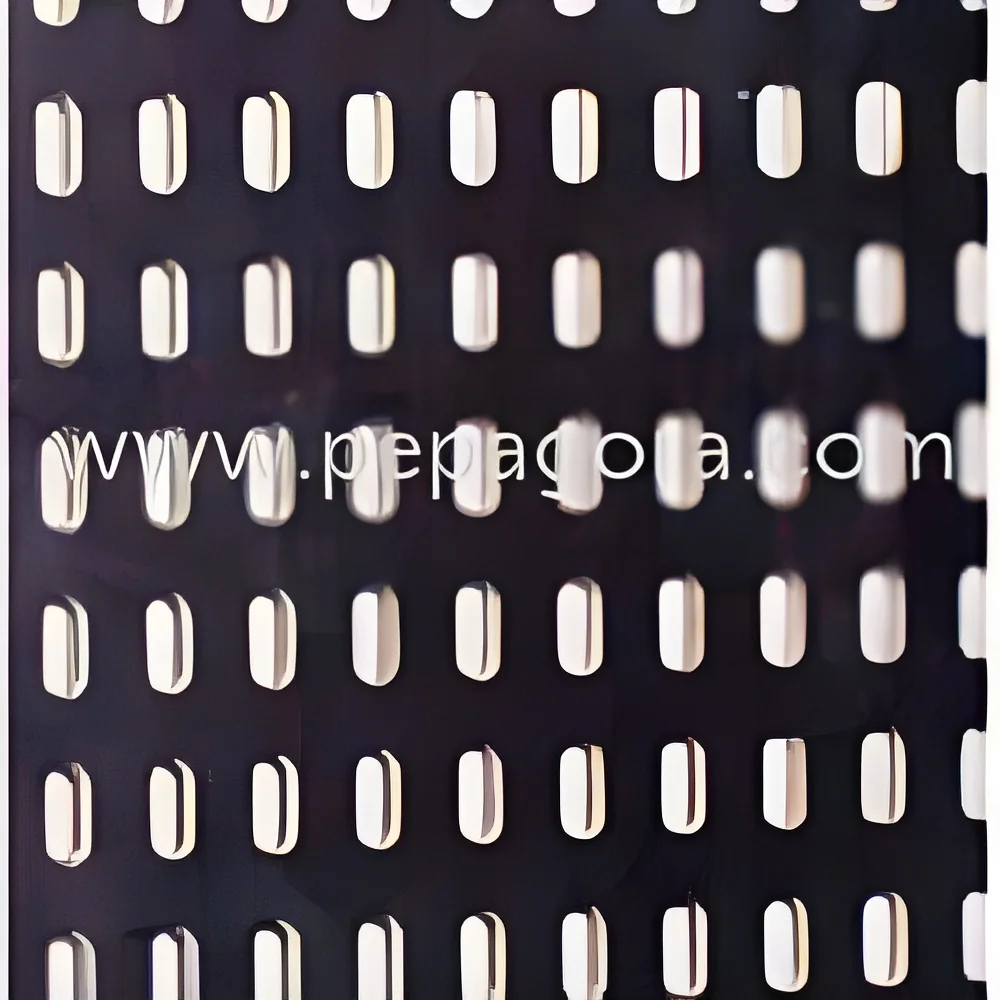
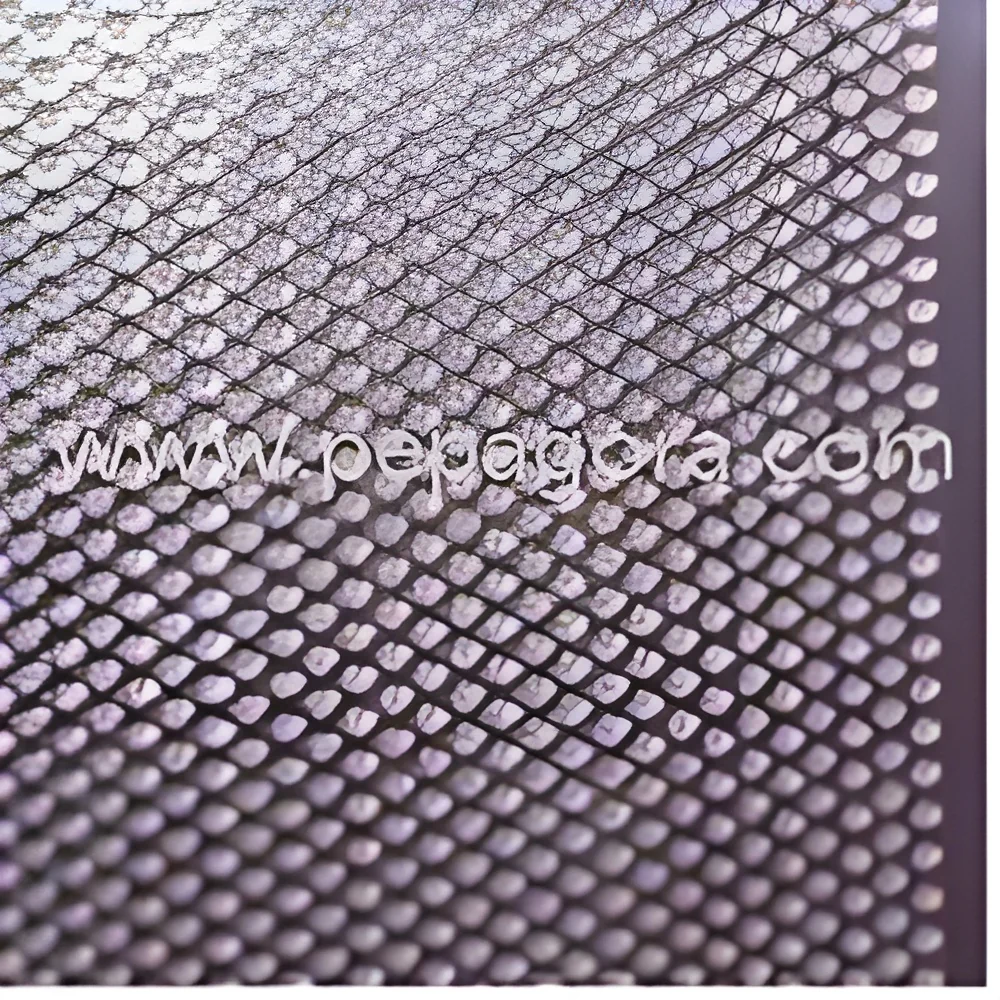
Industrial perforation sheets are precision-engineered metal panels featuring systematically punched holes in consistent patterns. Manufactured through specialized punching processes, these sheets maintain structural integrity while creating uniform apertures for various functional requirements. Available in multiple materials including steel, aluminum, and stainless steel, each offering distinct properties suited to specific applications. The hole patterns can be customized in shape, size, spacing, and arrangement to meet exact technical specifications. This versatility makes perforated sheets fundamental components across numerous industries where controlled permeability, filtration, or specific aesthetic patterns are required. The manufacturing process ensures clean edges and consistent dimensions, providing reliable performance in both structural and non-structural applications.

These sheets serve critical roles in construction for architectural facades, sun screens, and ceiling p...
Industrial perforation sheets are precision-engineered metal panels featuring systematically punched holes in consistent patterns. Manufactured through specialized punching processes, these sheets maintain structural integrity while creating uniform apertures for various functional requirements. Available in multiple materials including steel, aluminum, and stainless steel, each offering distinct properties suited to specific applications. The hole patterns can be customized in shape, size, spacing, and arrangement to meet exact technical specifications. This versatility makes perforated sheets fundamental components across numerous industries where controlled permeability, filtration, or specific aesthetic patterns are required. The manufacturing process ensures clean edges and consistent dimensions, providing reliable performance in both structural and non-structural applications.

These sheets serve critical roles in construction for architectural facades, sun screens, and ceiling panels where they combine functionality with visual appeal. In industrial environments, they function as filters, screens, and protective guards in machinery and processing equipment. The food processing industry utilizes perforated sheets for sorting, drying, and conveying applications. Automotive manufacturers incorporate them in grilles, exhaust systems, and interior components. The agricultural sector depends on perforated sheets for grading, sorting, and storage solutions. Their applications extend to acoustic engineering for sound absorption panels and security applications for ventilation guards and protective barriers. Each industry benefits from specific material properties and hole configurations that address unique operational challenges.

The value of high-quality perforation sheets lies in their durability, consistency, and performance capabilities. They represent cost-effective solutions for businesses seeking reliable components that withstand demanding environments while maintaining precise specifications. Their reliability ensures reduced downtime and maintenance costs in industrial applications. The availability in various materials and patterns means businesses can select exactly what they need without compromising on performance. This specificity leads to improved efficiency in processes ranging from material handling to airflow management. For distributors and wholesalers, offering perforated sheets means providing products with consistent demand across multiple sectors, ensuring steady business opportunities and customer satisfaction through reliable performance and quality assurance.

Key Features:
- Customizable hole patterns including round, square, and slot configurations
- Available in steel, aluminum, and stainless steel materials
- Precise dimensional accuracy with consistent hole spacing
- High structural integrity featuring clean, burr-free edges
- Multiple thickness options for different application requirements

Benefits:
- Enhanced durability for long-lasting performance in demanding environments
- Improved efficiency in filtration and ventilation applications
- Consistent quality ensuring reliable operation across various industries
- Versatile material options to match specific environmental conditions
- Cost-effective solutions reducing maintenance and replacement needs
Specifications
| Additional Information | |
|---|---|
| Country of Origin | India |
| Customisable | No |
Application
Perforation sheets provide essential functionality across multiple sectors through controlled airflow, filtration, and structural support. Their precision-engineered hole patterns and material versatility make them indispensable in manufacturing, construction, and processing applications where durability and consistent performance are critical. These sheets are designed to meet specific operational demands while maintaining reliability in challenging environments.
From architectural facades to industrial machinery protection, perforated sheets deliver both functional and aesthetic advantages. They are extensively used in material handling systems, safety equipment, and acoustic solutions where strength and permeability must be carefully balanced. Manufacturers value their adaptability to precise specifications, making them suitable for both standard applications and specialized projects requiring exact tolerances and specific performance characteristics.
- Architectural cladding and sunshades for modern building designs
- Industrial filters and screening systems for processing equipment
- Machine guards and safety barriers in manufacturing facilities
- Acoustic panels and noise control solutions
- Material sorting and grading systems in agriculture and mining operations
Trade Details
| Available Stock | In Stock |
| Sample Availability | No |
Payment Terms
| Payment Terms |
|
Company Profile
Mukesh Steel India, Maharashtra
 Maharashtra, India
Maharashtra, IndiaRaw Materials & Chemicals•Distributor / Wholesaler•Importer / Exporter
Factory Details
Factory SizeBelow 1000 sqm
Annual Production Capacity0
Industrial Perforation Sheets Steel Aluminum Stainless Steel
Industrial perforation sheets in steel, aluminum, and stainless steel deliver precise hole patterns for filtration, ventilation, and architectural uses. These durable sheets ensure reliable performance in machinery and structural applications with consistent quality.
Min. Order Quantity: 1 unit
Shipping
Shipping fee and delivery date to be negotiated. Contact supplier now for more details.
Mukesh Steel India
 Maharashtra, India
Maharashtra, IndiaRaw Materials & ChemicalsDistributor / Wholesaler