IN
IN₹
Apparel & Fashion
Description
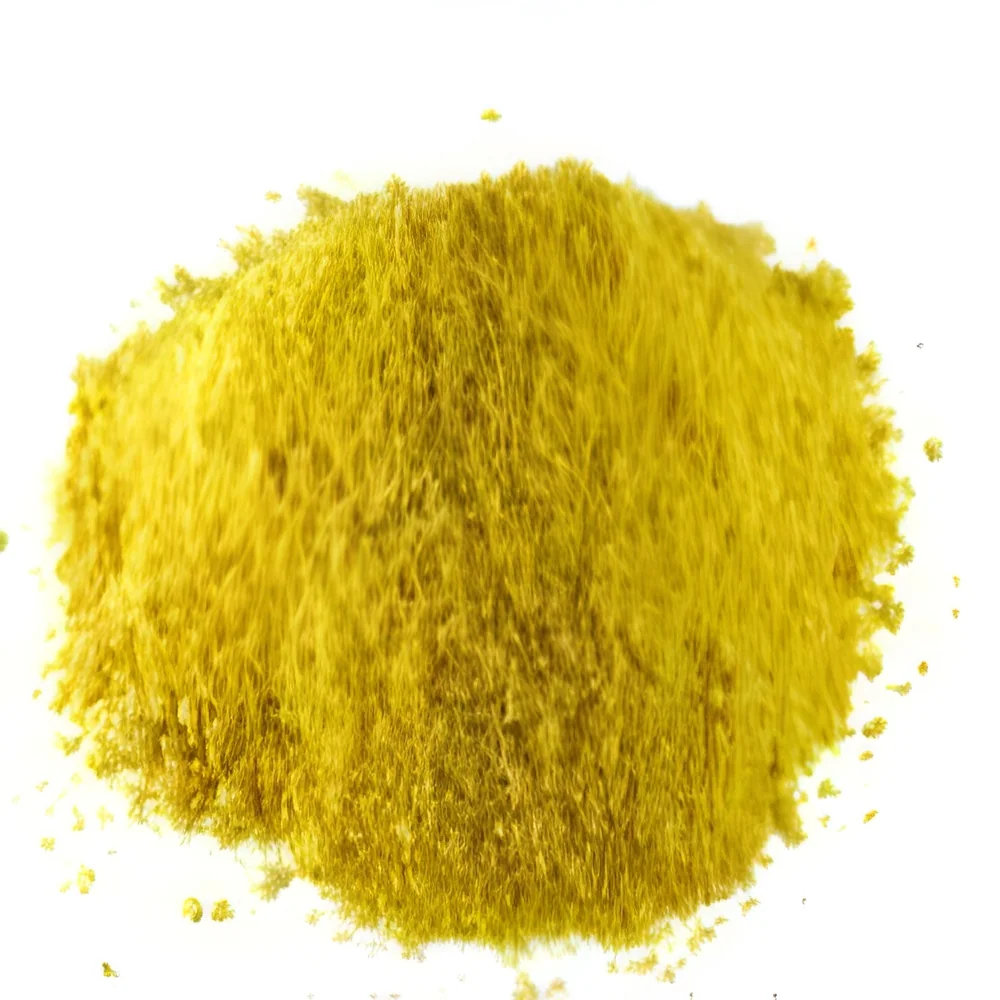
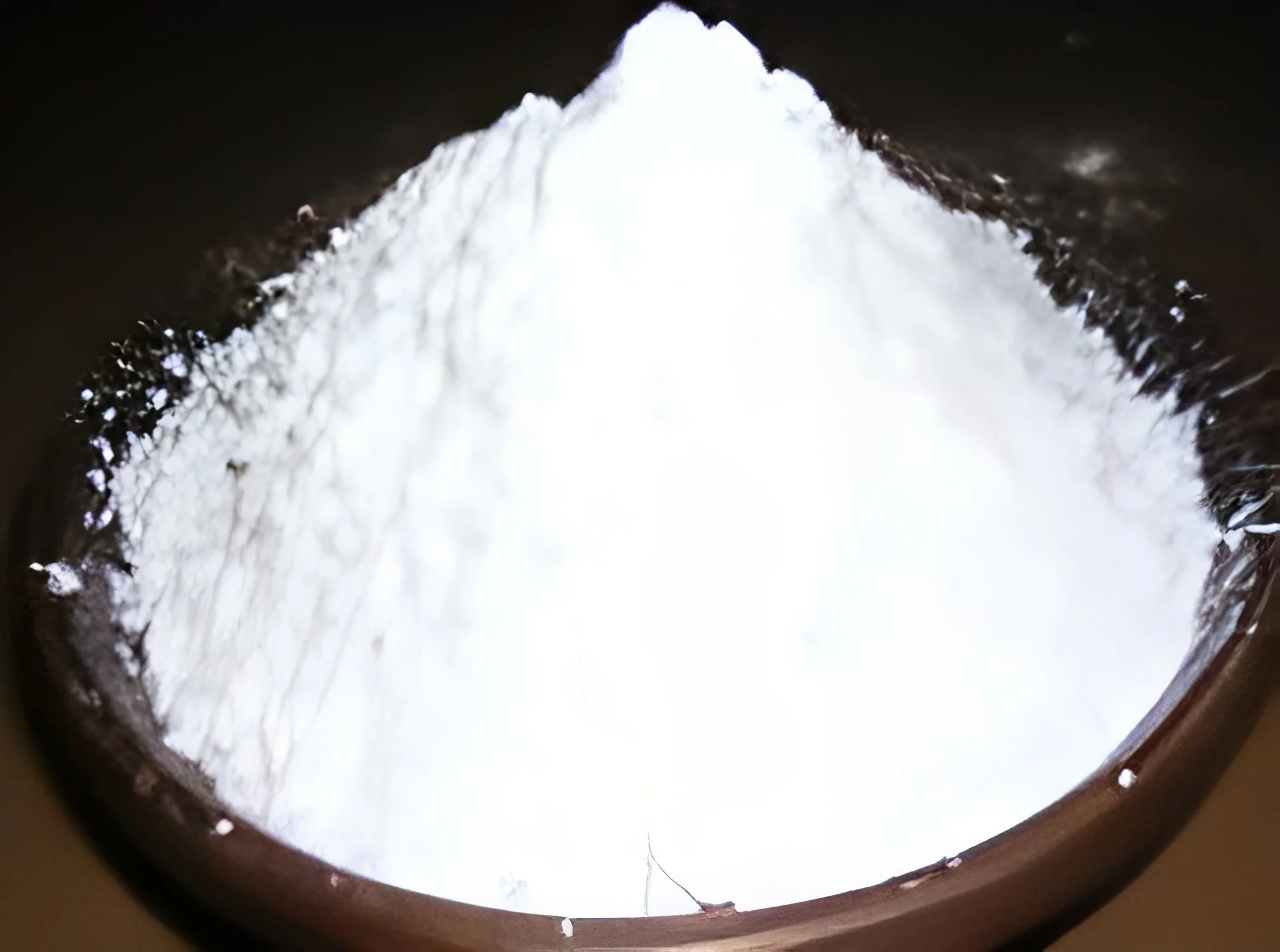
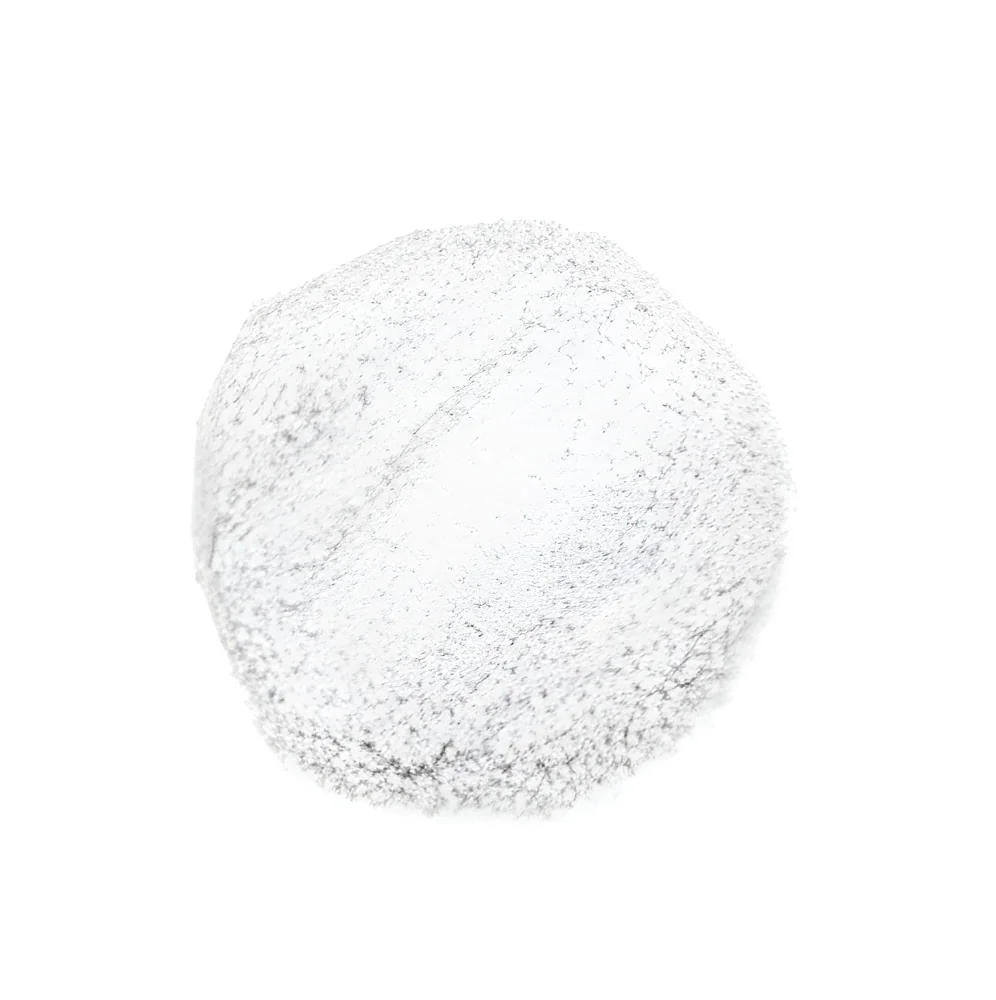
Industrial Oxidized Starch is a premium modified starch produced through controlled oxygenation of native starch, resulting in shorter polymer chains and enhanced functional properties. This advanced modification process delivers superior whiteness, reduced microbiological content, and minimal retrogradation, making it ideal for applications requiring stable, clear gels and efficient binding. Its versatility as a thickener and binder ensures consistent performance across diverse industrial processes, providing reliability and quality for businesses seeking high-grade solutions. With its ability to form soft-bodied gels and improve product integrity, oxidized starch represents a trusted choice for demanding environments where precision, durability, and consistent results are paramount.

This specialized starch finds extensive application in the paper industry for surface sizing and as a strength additive, significantly enhancing the quality and durability of paper and cardboard products...
Industrial Oxidized Starch is a premium modified starch produced through controlled oxygenation of native starch, resulting in shorter polymer chains and enhanced functional properties. This advanced modification process delivers superior whiteness, reduced microbiological content, and minimal retrogradation, making it ideal for applications requiring stable, clear gels and efficient binding. Its versatility as a thickener and binder ensures consistent performance across diverse industrial processes, providing reliability and quality for businesses seeking high-grade solutions. With its ability to form soft-bodied gels and improve product integrity, oxidized starch represents a trusted choice for demanding environments where precision, durability, and consistent results are paramount.

This specialized starch finds extensive application in the paper industry for surface sizing and as a strength additive, significantly enhancing the quality and durability of paper and cardboard products. Textile manufacturers rely on it for yarn smoothing and finishing processes, ensuring fabric consistency and superior performance in apparel production. The construction sector utilizes its binding properties in materials like insulation boards and acoustic tiles, while the food industry incorporates it into products such as wafer cups and gels for its exceptional stabilizing characteristics. Its adaptability across these diverse sectors makes it a preferred solution for industries requiring reliable, high-performance binding and thickening agents that maintain consistency across production batches.

For industrial operations, oxidized starch delivers exceptional value through its proven reliability, consistent quality, and operational efficiency. It reduces production inefficiencies by providing uniform performance, minimizing waste, and enhancing end-product quality across applications. The low retrogradation and high clarity ensure long-term stability in formulations, reducing the need for frequent adjustments and reformulations. Trusted by manufacturers and suppliers worldwide, it supports scalable solutions tailored to specific industrial requirements, making it a strategic investment for improving productivity, meeting stringent quality standards, and maintaining competitive advantage in global markets. Its consistent performance translates to reduced downtime and improved process control.

Key Features:
- Controlled oxygenation process ensures consistent quality and batch-to-batch uniformity.
- Shorter polymer chains compared to native starch provide improved functionality and performance.
- Enhanced whiteness and reduced microbiological content for safer, cleaner industrial applications.
- Low retrogradation tendency guarantees long-term stability in various formulations and conditions.
- Forms soft-bodied gels with high clarity suitable for diverse industrial requirements.

Benefits:
- Delivers reliable binding strength across paper, textile, food, and construction applications.
- Improves product quality and consistency in manufacturing processes and final products.
- Reduces operational waste through efficient performance and minimal formulation adjustments.
- Ensures long-term stability with low retrogradation for extended shelf life and performance.
- Provides versatile functionality as both binder and thickener across multiple industries.
Specifications
| Additional Information | |
|---|---|
| Country of Origin | India |
Application
Industrial Oxidized Starch serves as a versatile binder and thickener in paper manufacturing, where it enhances surface sizing, improves paper strength, and ensures better printability for high-grade paper and cardboard products. Its consistent performance reduces dusting and increases durability, making it essential for quality paper production across various grades and specifications.
In textile processing, this starch provides excellent yarn smoothing and finishing properties, resulting in improved fabric quality and consistency. The food industry utilizes it as a stabilizer and thickener in products like wafer cups and gel-based items, while construction applications benefit from its reliable binding in materials such as insulation boards and acoustic tiles where performance and safety are critical.
- Paper sizing and coating to enhance strength, printability, and reduce dusting in paper manufacturing.
- Textile finishing for smooth yarns and consistent fabric quality in apparel and textile production.
- Binding agent in construction materials including insulation boards and acoustic tiles for durability.
- Food stabilizer and thickener in wafer cups, confectionery, and gel-based food products.
- Adhesive formulations for industrial and packaging applications requiring strong, reliable bonds.
Trade Details
| Available Stock | In Stock |
| Sample Availability | No |
Payment Terms
| Payment Terms |
|
Company Profile

Vijay Chemical Industries, Maharashtra
 Maharashtra, India
Maharashtra, IndiaRaw Materials & Chemicals•Manufacturer•Distributor / Wholesaler
Factory Details
Factory SizeBelow 1000 sqm
Annual Production Capacity0
Main Markets
South Asia
Industrial Oxidized Starch Binder For Paper Textile Food Construction
Industrial Oxidized Starch Binder offers superior binding, clarity, and strength for paper, textile, food, and construction applications. This high-performance modified starch ensures reliable results across multiple industries.
Min. Order Quantity: 1 unit
Shipping
Shipping fee and delivery date to be negotiated. Contact supplier now for more details.
Vijay Chemical Industries
 Maharashtra, India
Maharashtra, IndiaRaw Materials & ChemicalsManufacturer