IN
IN₹
Apparel & Fashion
Description
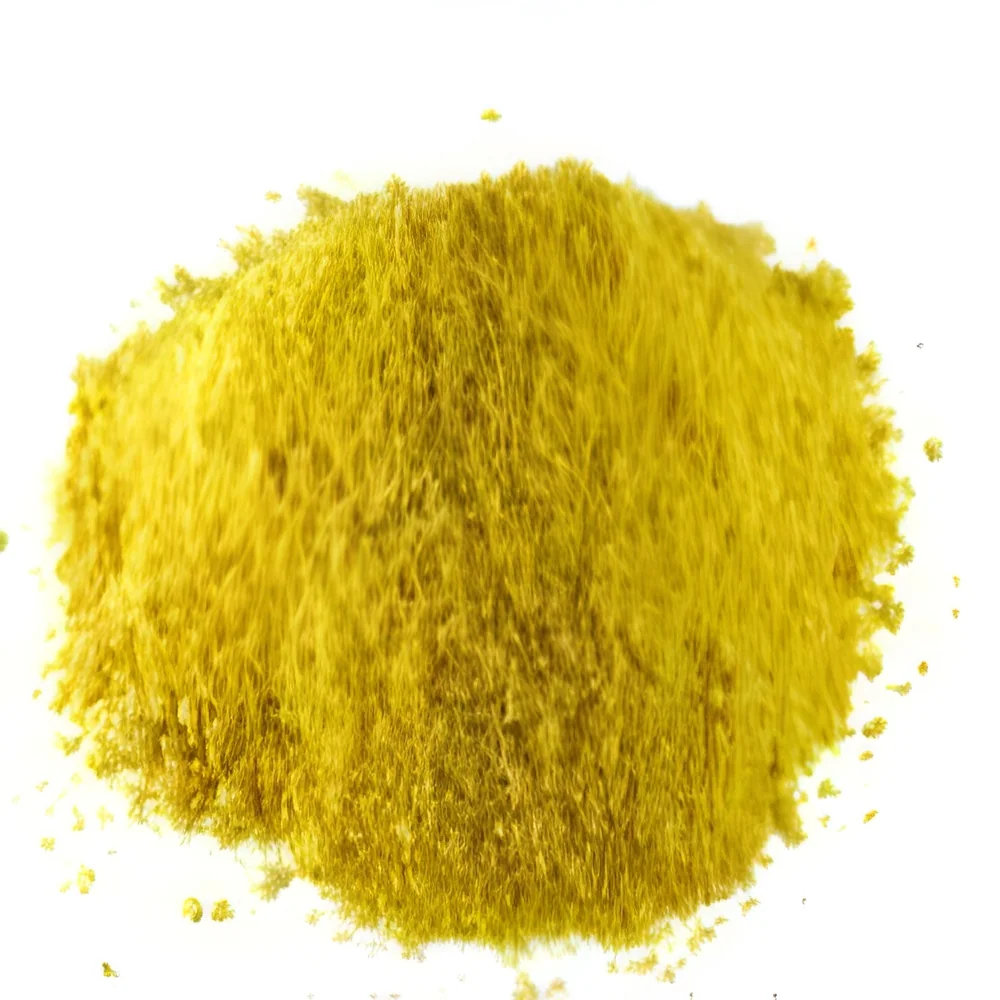
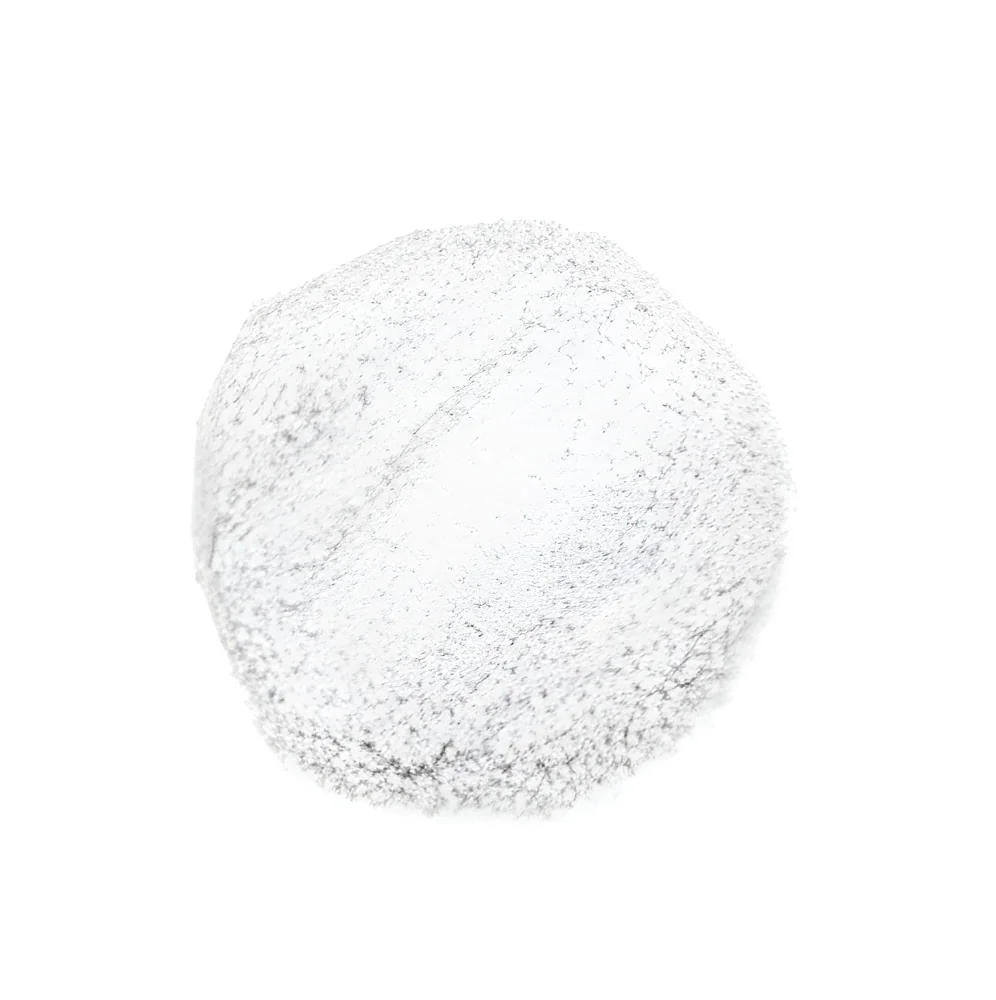
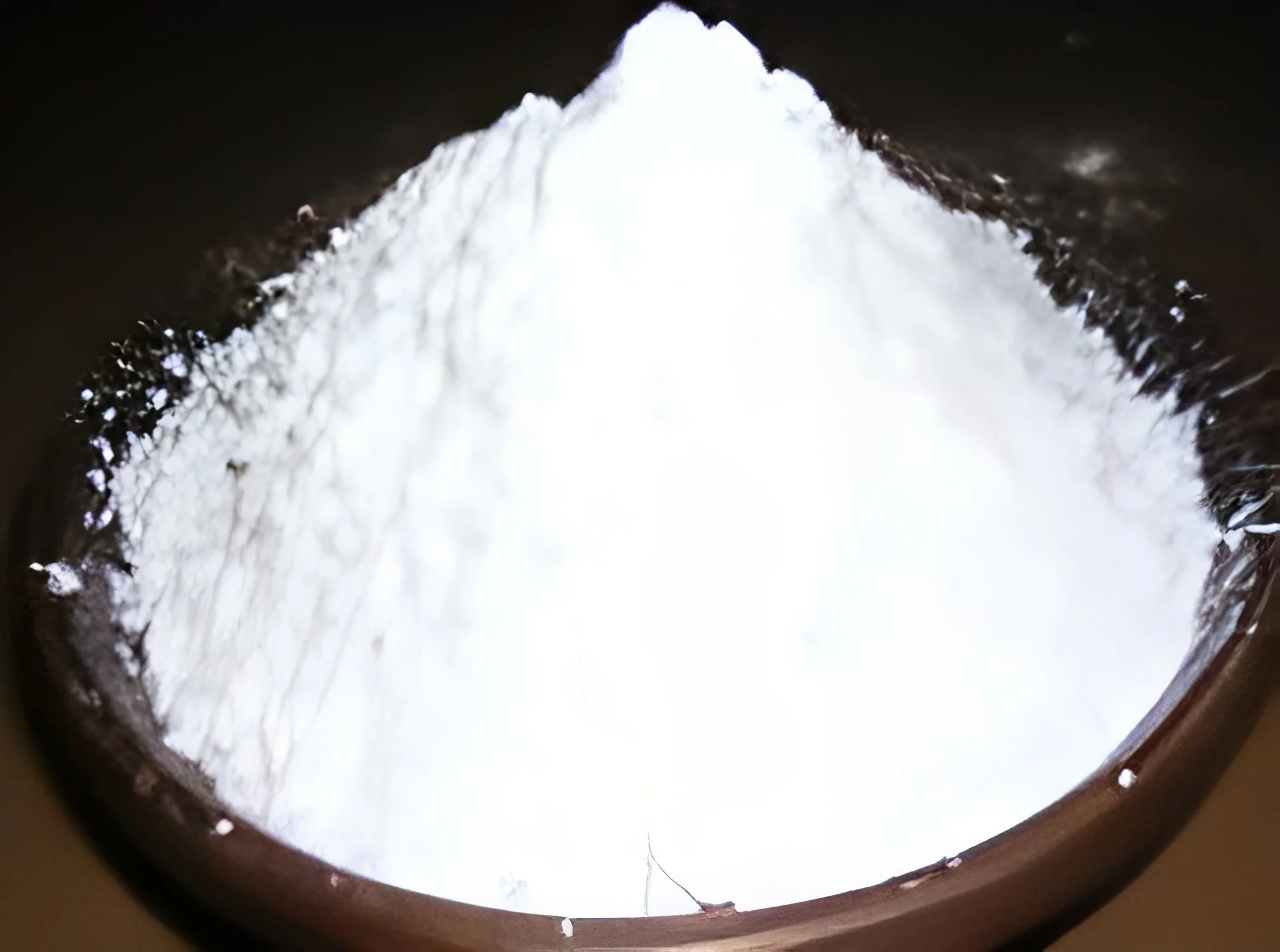
Industrial oxidized starch is a modified starch produced through controlled oxidation of native starch, resulting in shorter polymer chains and enhanced functional properties. This process improves clarity, reduces microbiological content, and forms soft-bodied gels with high stability, making it an excellent thickening agent where low rigidity is desired. Its consistent performance and adaptability make it a reliable choice for industrial applications requiring superior binding and sizing capabilities. The product delivers trusted performance across multiple manufacturing environments with quality that meets rigorous industrial standards.

This starch variant is widely utilized in the paper industry for surface sizing and mass enhancement, significantly increasing the strength and quality of paper and cardboard products. In textiles, it provides effective sizing for yarns, reducing breakage and improving weave quality. The food industry relies on it as a stabilizer and thickener for p...
Industrial oxidized starch is a modified starch produced through controlled oxidation of native starch, resulting in shorter polymer chains and enhanced functional properties. This process improves clarity, reduces microbiological content, and forms soft-bodied gels with high stability, making it an excellent thickening agent where low rigidity is desired. Its consistent performance and adaptability make it a reliable choice for industrial applications requiring superior binding and sizing capabilities. The product delivers trusted performance across multiple manufacturing environments with quality that meets rigorous industrial standards.

This starch variant is widely utilized in the paper industry for surface sizing and mass enhancement, significantly increasing the strength and quality of paper and cardboard products. In textiles, it provides effective sizing for yarns, reducing breakage and improving weave quality. The food industry relies on it as a stabilizer and thickener for products like sauces, dressings, and confectionery. Additionally, it serves as a key component in adhesives and construction materials, offering reliable binding and water resistance. Its versatility across these sectors underscores its importance as a multifunctional industrial raw material.

Businesses benefit from oxidized starch due to its reliability, consistency, and ability to enhance end-product quality. It helps reduce spoilage with lower microbiological content, improves process efficiency with better solubility, and supports stable performance across diverse applications. These attributes make it an ideal choice for buyers seeking a dependable raw material that delivers superior performance, cost-effectiveness, and technical support for optimized production outcomes. Its proven track record in demanding industrial applications ensures trust and satisfaction among serious manufacturers.

Key Features:
- Enhanced clarity and stable gel formation for consistent results
- Reduced retro-gradation tendency ensuring long-term stability
- Improved whiteness and brightness for superior product appearance
- Lower microbiological content extending shelf life and reducing spoilage
- Shorter polymer chains providing better solubility and ease of use

Benefits:
- Superior binding strength and cohesion across applications
- Consistent performance ensuring reliable manufacturing outcomes
- Enhanced product quality with improved texture and appearance
- Extended shelf life through reduced microbiological content
- Improved process efficiency with better solubility and handling
Specifications
| Additional Information | |
|---|---|
| Country of Origin | India |
Application
Oxidized starch is extensively used in paper manufacturing for surface sizing and strength enhancement, improving paper quality and printability. Its stable gel formation and low retro-gradation make it ideal for textile sizing, providing smooth finishes and reduced breakage during weaving. This versatility supports high-performance outcomes in demanding industrial environments where consistency matters.
In food processing, oxidized starch acts as an effective thickener and stabilizer, ensuring product texture and shelf stability. It also serves as a key binder in adhesive production and construction materials, offering reliable cohesion and water resistance. These properties make it a go-to choice for industries requiring dependable binding, sizing, and thickening agents for optimized production workflows.
- Paper and cardboard manufacturing for enhanced strength and surface sizing
- Textile industry for yarn sizing and fabric finishing processes
- Food production as a thickener, stabilizer, and texture modifier
- Adhesive formulations providing consistent binding and viscosity
- Construction materials as a binder for improved durability and cohesion
Trade Details
| Available Stock | In Stock |
| Sample Availability | No |
Payment Terms
| Payment Terms |
|
Company Profile

Vijay Chemical Industries, Maharashtra
 Maharashtra, India
Maharashtra, IndiaRaw Materials & Chemicals•Manufacturer•Distributor / Wholesaler
Factory Details
Factory SizeBelow 1000 sqm
Annual Production Capacity0
Main Markets
South Asia
Industrial Oxidized Starch For Paper Textile Food Adhesive Binding
Industrial oxidized starch delivers superior clarity, binding strength, and stability for paper, textile, food, and adhesive manufacturing applications with reliable performance and consistent quality.
Min. Order Quantity: 1 unit
Shipping
Shipping fee and delivery date to be negotiated. Contact supplier now for more details.
Vijay Chemical Industries
 Maharashtra, India
Maharashtra, IndiaRaw Materials & ChemicalsManufacturer