IN
INundefined
Similar Products
Description
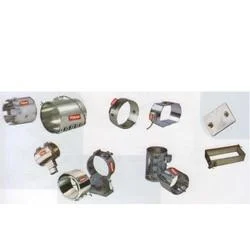
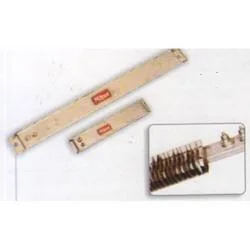
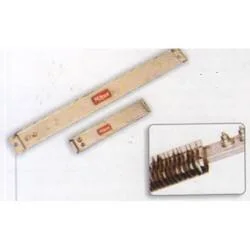
Ribco Nozzle Band Heaters represent a specialized heating solution engineered specifically for industrial applications where space constraints around nozzles present significant ch...
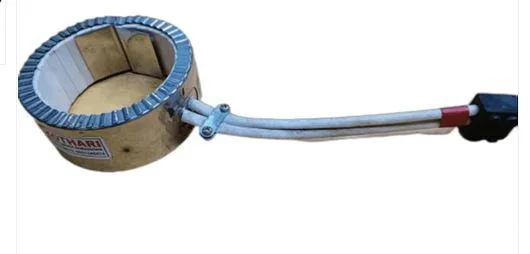
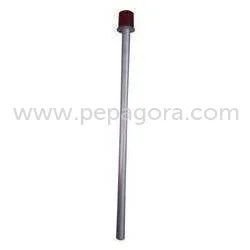
Ribco Nozzle Band Heaters represent a specialized heating solution engineered specifically for industrial applications where space constraints around nozzles present significant challenges. These compact heaters deliver maximum thermal efficiency through superior design that ensures excellent contact and heat transfer directly to the nozzle surface. Unlike bulkier heating options, they fit seamlessly into tight configurations without compromising performance. Manufactured with high-grade materials and precision heating elements, they provide consistent, reliable temperature maintenance even in demanding operational environments. Their focused heating approach minimizes energy waste while maximizing thermal output exactly where it's needed most, making them an essential component for processes requiring precise temperature control in confined spaces.

These heaters serve critical functions across multiple industries where nozzle temperature management directly influences production quality and efficiency. In plastic processing, they prevent material solidification in injection molding and extrusion nozzles, ensuring smooth material flow and consistent product dimensions. Chemical manufacturing facilities utilize them to maintain optimal temperatures for nozzles handling viscous compounds, preventing clogging and ensuring accurate dispensing. Packaging operations depend on their consistent heat output for sealing equipment, where temperature variations can compromise seal integrity. Additionally, they're employed in food processing equipment, laboratory instrumentation, and various manufacturing systems where space-efficient, reliable heating solutions are required. Their versatility across these sectors demonstrates their fundamental role in maintaining operational continuity and product consistency.

The business value of Ribco Nozzle Band Heaters stems from their direct impact on operational efficiency, cost management, and production reliability. Their superior thermal efficiency reduces energy consumption compared to less targeted heating methods, delivering measurable cost savings over time. The reliability engineered into each unit minimizes unplanned downtime caused by heating failures, supporting continuous production schedules. Their durable construction ensures long service life with minimal maintenance requirements, reducing replacement frequency and associated costs. By providing consistent, precise temperature control, they enhance product quality consistency and reduce material waste. This combination of performance, durability, and efficiency makes them a strategic investment for operations seeking to optimize their thermal management processes while controlling operational expenses.

Key Features:
- Compact, space-saving design specifically engineered for installation in tight spaces around industrial nozzles.
- Superior thermal coupling technology that ensures maximum heat transfer efficiency directly to the nozzle surface.
- High-quality heating elements that deliver consistent, reliable temperature performance across extended operation periods.
- Robust construction using durable materials suitable for demanding industrial environments and continuous use cycles.
- Precision engineering that provides stable, uniform heating to maintain exact temperature requirements for sensitive processes.

Benefits:
- Enhanced process stability through consistent, reliable temperature control that improves product quality and reduces variations.
- Reduced energy consumption compared to less efficient heating methods, leading to lower operational costs over time.
- Minimized downtime due to reliable performance and durable construction that withstands demanding operating conditions.
- Space-efficient installation that fits into compact machinery configurations where traditional heaters cannot be accommodated.
- Long-term value through extended service life and reduced maintenance requirements, lowering total cost of ownership.
Specifications
| Additional Information | |
|---|---|
| Country of Origin | India |
| Customisable | No |
Application
Ribco Nozzle Band Heaters excel in environments where space is at a premium but thermal performance is non-negotiable. Their slim profile wraps tightly around nozzles, ensuring direct and efficient heat transfer to maintain precise temperatures. This design prevents heat loss to surrounding areas, making them ideal for machinery with densely packed components where every millimeter counts. They deliver stable, uniform heating that keeps processes running smoothly without interruption.

These heaters are built for demanding industrial settings where temperature consistency directly impacts output quality. Industries from plastics manufacturing to chemical processing rely on their dependable operation to prevent material solidification, reduce viscosity-related issues, and maintain flow rates. Their robust construction withstands continuous operation cycles, minimizing the risk of unexpected failures. This reliability translates to fewer production stoppages, reduced maintenance interventions, and consistent product quality across extended manufacturing runs.
- Injection molding machines for maintaining exact nozzle temperatures to ensure proper material flow and prevent premature cooling.
- Plastic extrusion lines to keep nozzle zones at optimal temperatures, preventing material buildup and ensuring consistent output.
- Chemical processing equipment for heating nozzles and valves that handle temperature-sensitive or viscous fluids.
- Packaging and sealing machinery where consistent nozzle heat is critical for creating reliable, airtight seals on various materials.
- Additive manufacturing systems to maintain precise nozzle temperatures for accurate material deposition and layer adhesion.
Trade Details
| Available Stock | In stock |
| Sample Availability | No |
Payment Terms
| Payment Terms |
|
Company Profile
Kunal Electrical Industries, New Delhi
 New Delhi, India
New Delhi, IndiaElectronics & Electrical•ManufacturerImporter / Exporter
Factory Details
Factory SizeBelow 1000 sqm
Annual Production Capacity0
Industrial Ribco Nozzle Band Heaters For Precision Heating In Tight Spaces
Ribco Nozzle Band Heaters provide precision heating in confined spaces, delivering reliable thermal efficiency for industrial nozzle applications requiring consistent temperature control and superior coupling.
Min. Order Quantity: 1 units
Shipping
Shipping fee and delivery date to be negotiated. Contact supplier now for more details.
Kunal Electrical Industries New Delhi, India
New Delhi, IndiaElectronics & ElectricalManufacturer