IN
IN₹
Apparel & Fashion
Loading subcategories...
View More
Description
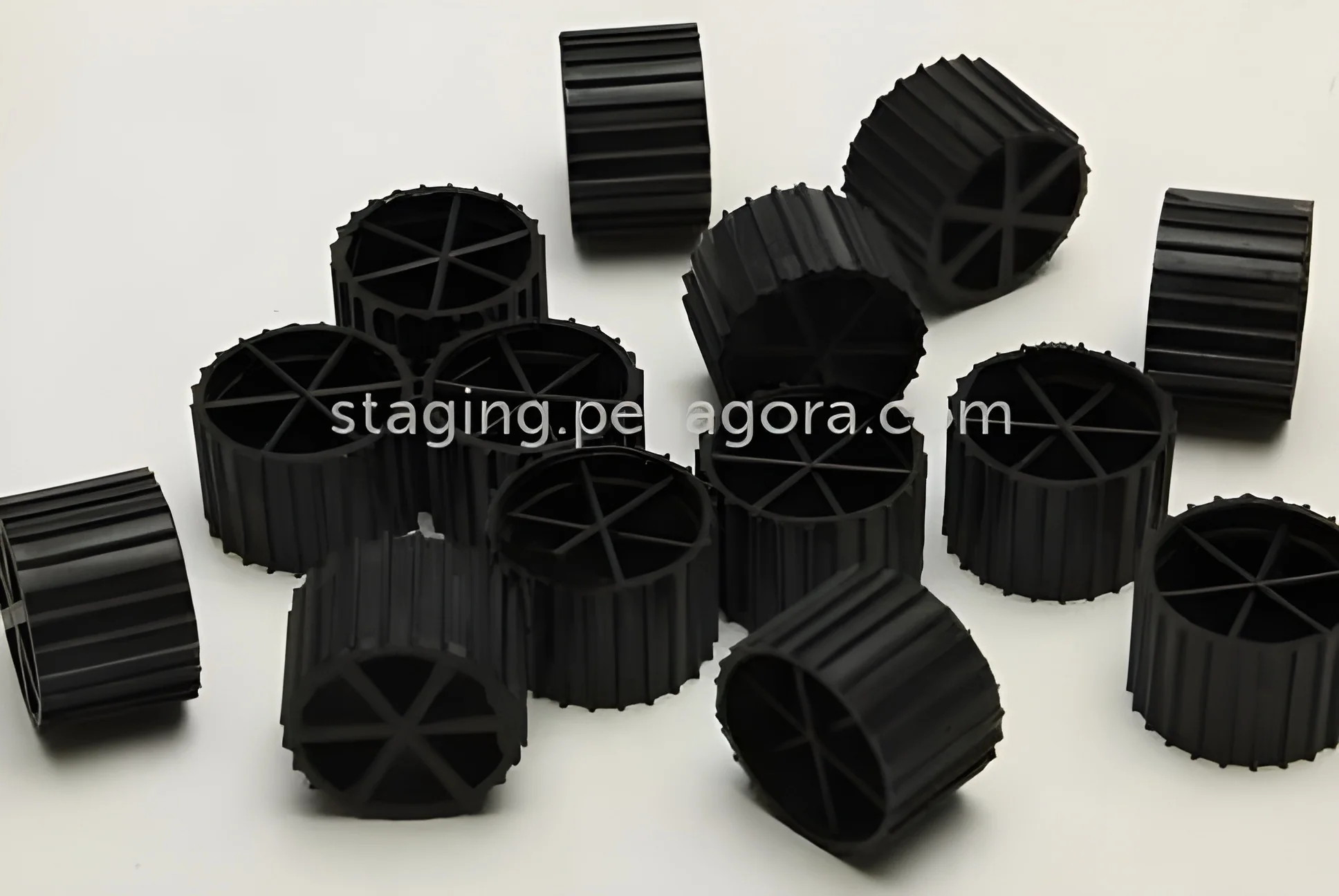
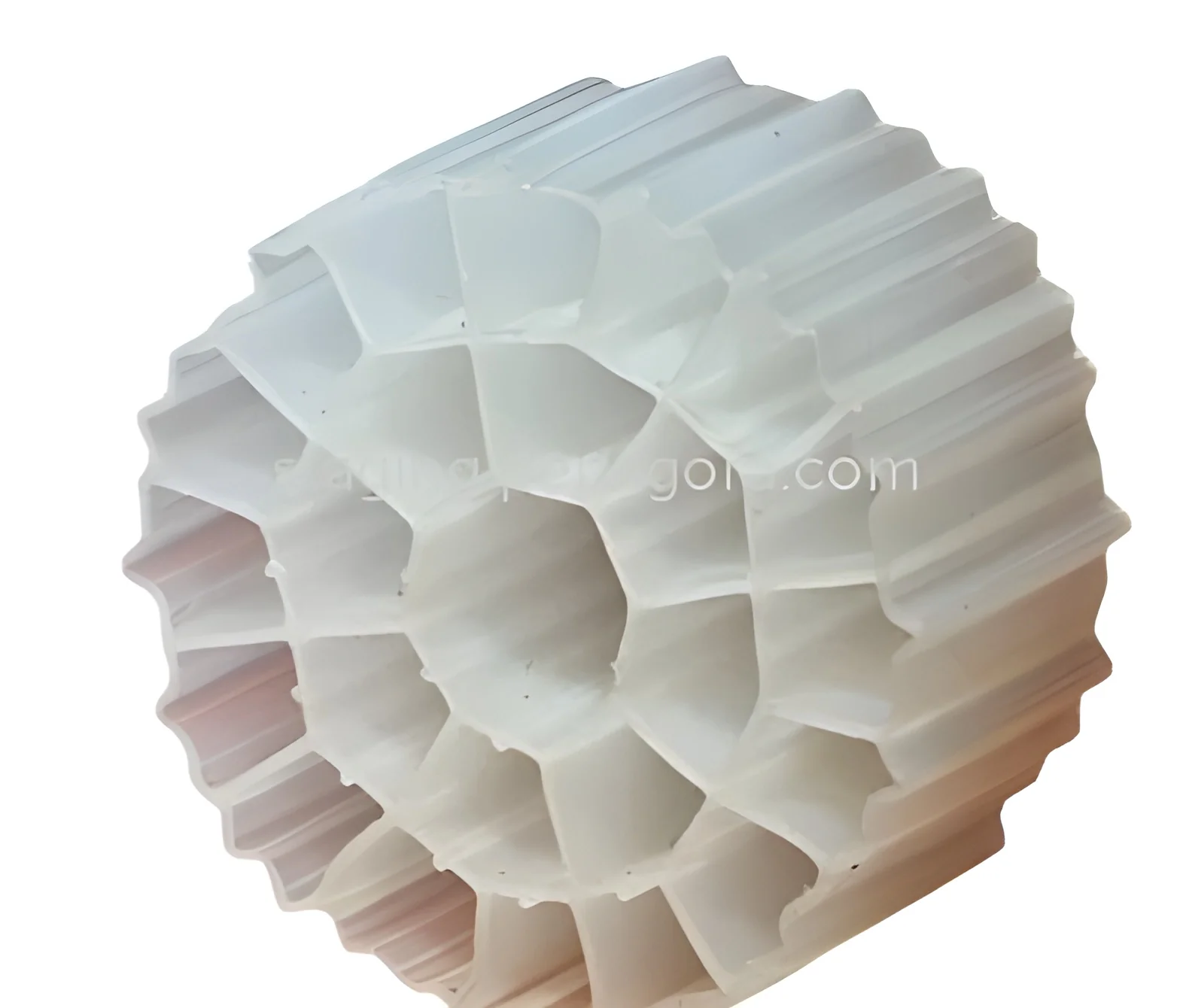
Moving Bed Biofilm Reactor systems represent a significant advancement in biological wastewater treatment, effectively merging the strengths of activated sludge processes with fixed-film technology. This approach utilizes specially engineered plastic media that circulates freely within the reactor, providing an extensive surface area for microbial biofilm colonization. As wastewater flows through the system, microorganisms attached to this media efficiently degrade organic pollutants, achieving substantial reductions in Biochemical Oxygen Demand and Chemical Oxygen Demand. The continuous media movement ensures optimal contact between the biomass and wastewater while preventing common issues like clogging and channeling found in conventional systems. This results in consistent, high-performance treatment across varying inflow conditions without requiring complex operational interventions.

These systems serve critical roles in industries where reliable wastewater treatment is essential ...
Moving Bed Biofilm Reactor systems represent a significant advancement in biological wastewater treatment, effectively merging the strengths of activated sludge processes with fixed-film technology. This approach utilizes specially engineered plastic media that circulates freely within the reactor, providing an extensive surface area for microbial biofilm colonization. As wastewater flows through the system, microorganisms attached to this media efficiently degrade organic pollutants, achieving substantial reductions in Biochemical Oxygen Demand and Chemical Oxygen Demand. The continuous media movement ensures optimal contact between the biomass and wastewater while preventing common issues like clogging and channeling found in conventional systems. This results in consistent, high-performance treatment across varying inflow conditions without requiring complex operational interventions.

These systems serve critical roles in industries where reliable wastewater treatment is essential for regulatory compliance and environmental responsibility. Municipal treatment plants implement MBBR technology for core processes like organic matter removal and nitrification. The food processing sector relies on it to handle high-strength organic loads from production activities. Chemical and pharmaceutical manufacturers use these reactors to treat complex industrial effluents containing various compounds. Aquaculture operations maintain optimal water quality through efficient biofiltration, while the textile industry employs MBBR systems to break down biodegradable organic content from dyeing and finishing processes. This wide applicability extends to petroleum refineries, pulp and paper mills, and other industries seeking adaptable, cost-effective biological treatment solutions tailored to their specific wastewater profiles.

Selecting MBBR technology delivers measurable operational advantages, including reduced energy consumption, minimal sludge generation, and decreased chemical usage compared to conventional treatment methods. The system's inherent reliability comes from durable construction and proven performance across diverse industrial environments, ensuring consistent effluent quality that meets or exceeds discharge regulations. The modular design allows for precise configuration to match specific treatment objectives and spatial limitations, while also facilitating straightforward future expansion as treatment needs grow. This combination of operational efficiency, proven reliability, and design flexibility translates to a strong return on investment through lower operating costs and assured compliance with environmental standards.

Key Features:
- High-efficiency plastic media providing optimized surface area for robust biofilm development
- Continuous movement mechanism ensuring uniform biomass distribution and preventing dead zones
- Modular and scalable design allowing for flexible capacity adjustments and future expansion
- Corrosion-resistant construction materials selected for durability and long service life
- Integrated aeration system designed for optimal oxygen transfer and mixing efficiency

Benefits:
- Significant reduction of organic pollutants, including BOD, COD, and nutrient levels like nitrogen
- Lower long-term operational costs through reduced energy and chemical consumption
- Minimal sludge production, which decreases handling, disposal, and associated expenses
- Compact physical footprint requiring considerably less space than conventional treatment systems
- Robust and stable performance that maintains high treatment efficiency during hydraulic and organic load variations
Specifications
| Additional Information | |
|---|---|
| SKU | MBBR-5000 |
| Country of Origin | 106 |
| Customisable | No |
Application
MBBR systems address diverse wastewater treatment challenges across multiple sectors. Their robust biological process effectively manages variable organic loads while consistently meeting stringent effluent quality standards, making them suitable for both new installations and facility upgrades where space or capacity is a concern.
The modular nature of MBBR technology offers exceptional adaptability to site constraints and changing treatment demands. Users benefit from a significantly reduced physical footprint, lower sludge production, and operational flexibility that surpasses traditional systems, enabling capacity expansion without major infrastructure overhauls.
- Municipal sewage treatment plants for organic matter removal and nitrification processes
- Food and beverage processing facilities treating high-strength organic wastewater
- Chemical and pharmaceutical manufacturing plants managing complex industrial effluents
- Aquaculture and fish farming operations for maintaining water quality through biofiltration
- Textile manufacturing units removing biodegradable organic content from dyeing wastewater
Trade Details
| Available Stock | In Stock |
| Sample Availability | No |
Payment Terms
| Payment Terms |
|
Shipping & Logistics
| Shipping Internationally | - | |
| Methods | -- | |
| IncoTerms | -- | |
| Port of Dispatch | Chennai Port, Tamil Nadu, India | |
| Packaging Type | -- | |
| Units per Package | -- | |
| Barcode / HSN / GTIN / UPC | -- | |
| Dispatch Lead time | -- |
Company Profile

Energy Equipment, Tamil Nadu
 Tamil Nadu, India
Tamil Nadu, IndiaIndustrial Equipment & Machinery•Manufacturer
Factory Details
Factory SizeBelow 1000 sqm
Annual Production Capacity0
SKU: MBBR-5000
MBBR Wastewater Treatment Systems For Industrial And Municipal Applications
MBBR wastewater treatment systems provide efficient biological purification for industrial and municipal applications, combining activated sludge and fixed-film technology for superior organic pollutant removal and reliable performance.
Min. Order Quantity: 1 Unit
Shipping
Shipping fee and delivery date to be negotiated. Contact supplier now for more details.
Energy Equipment
 Tamil Nadu, India
Tamil Nadu, IndiaIndustrial Equipment & MachineryManufacturer