IN
IN₹
Apparel & Fashion
Loading subcategories...
View More
Description
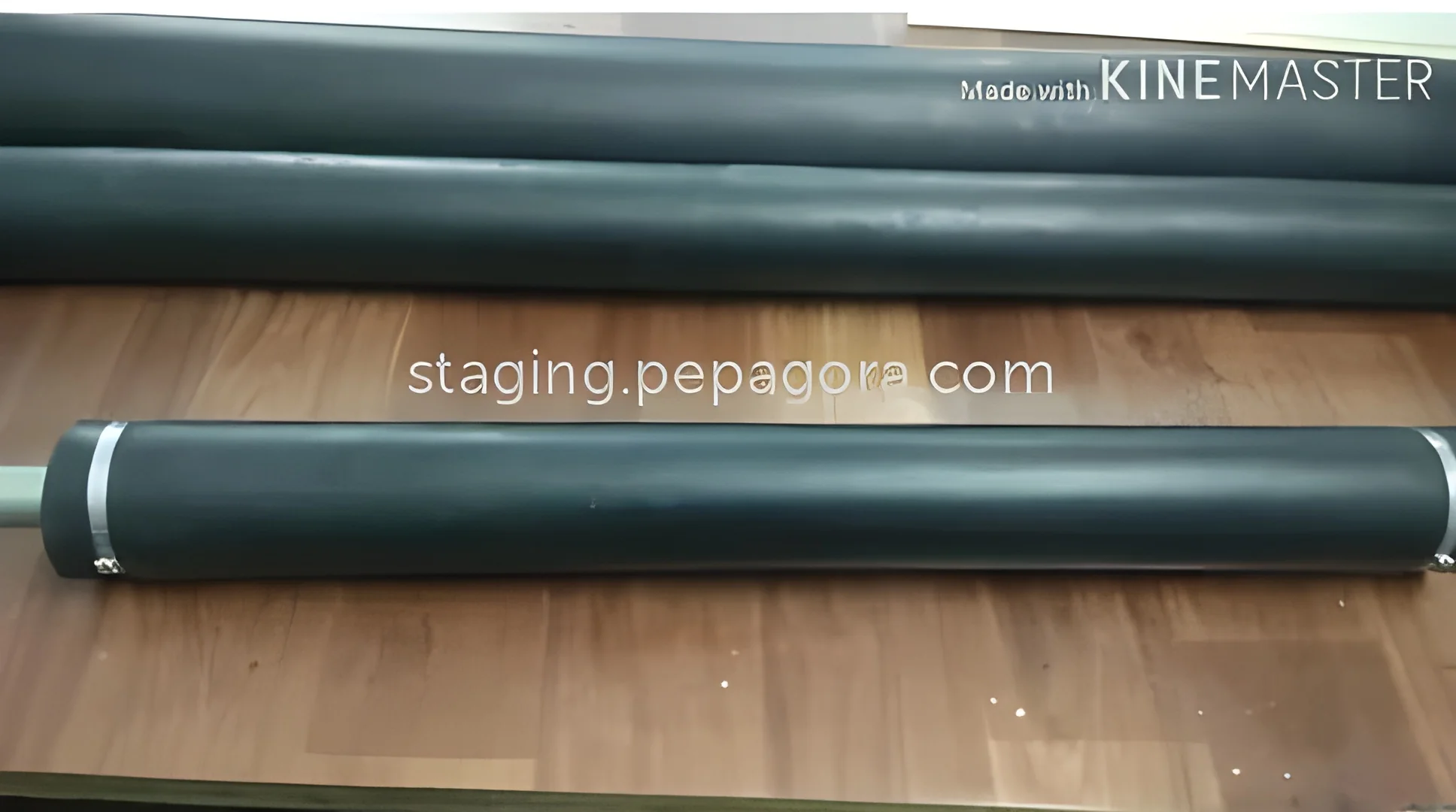
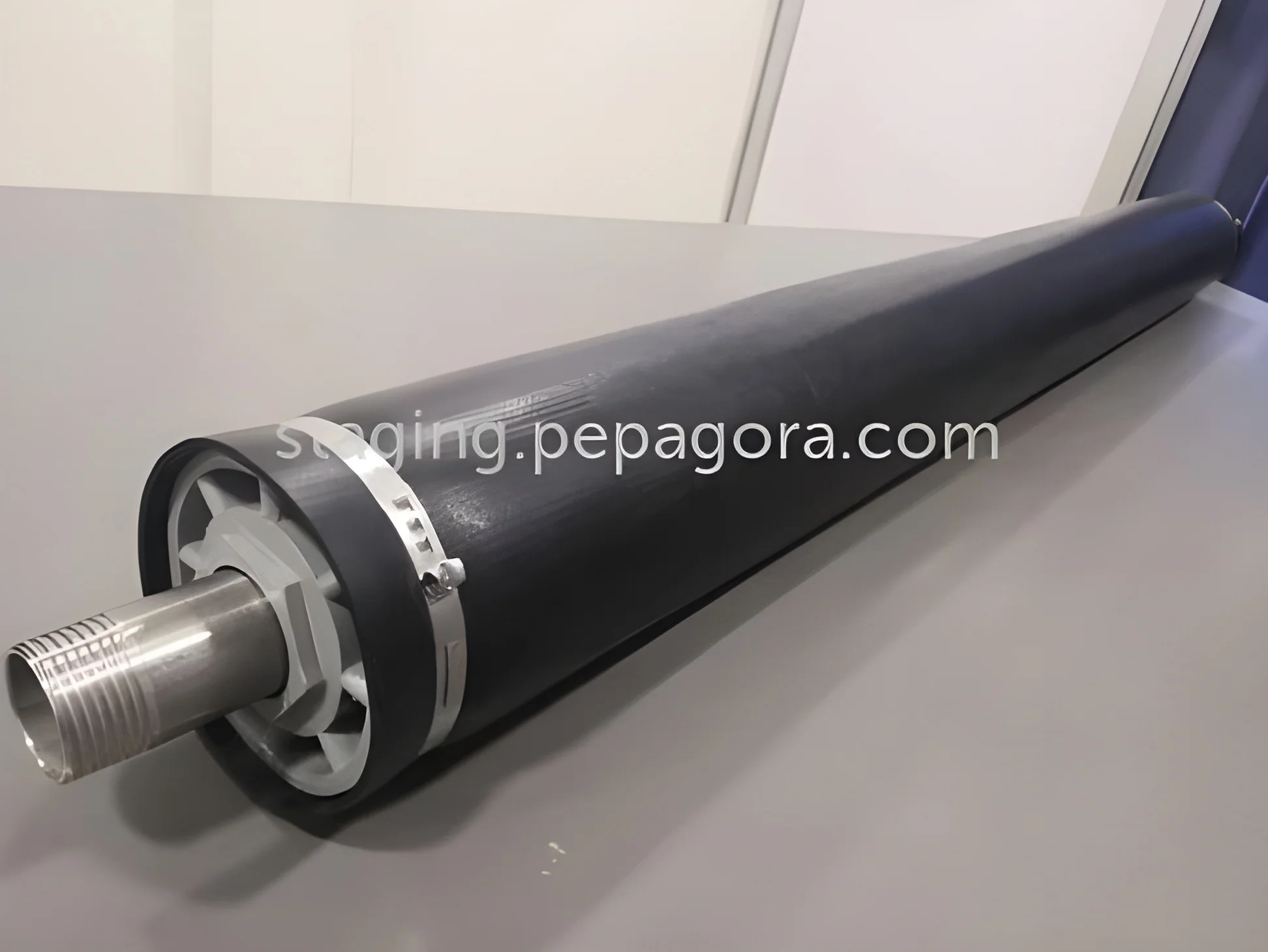
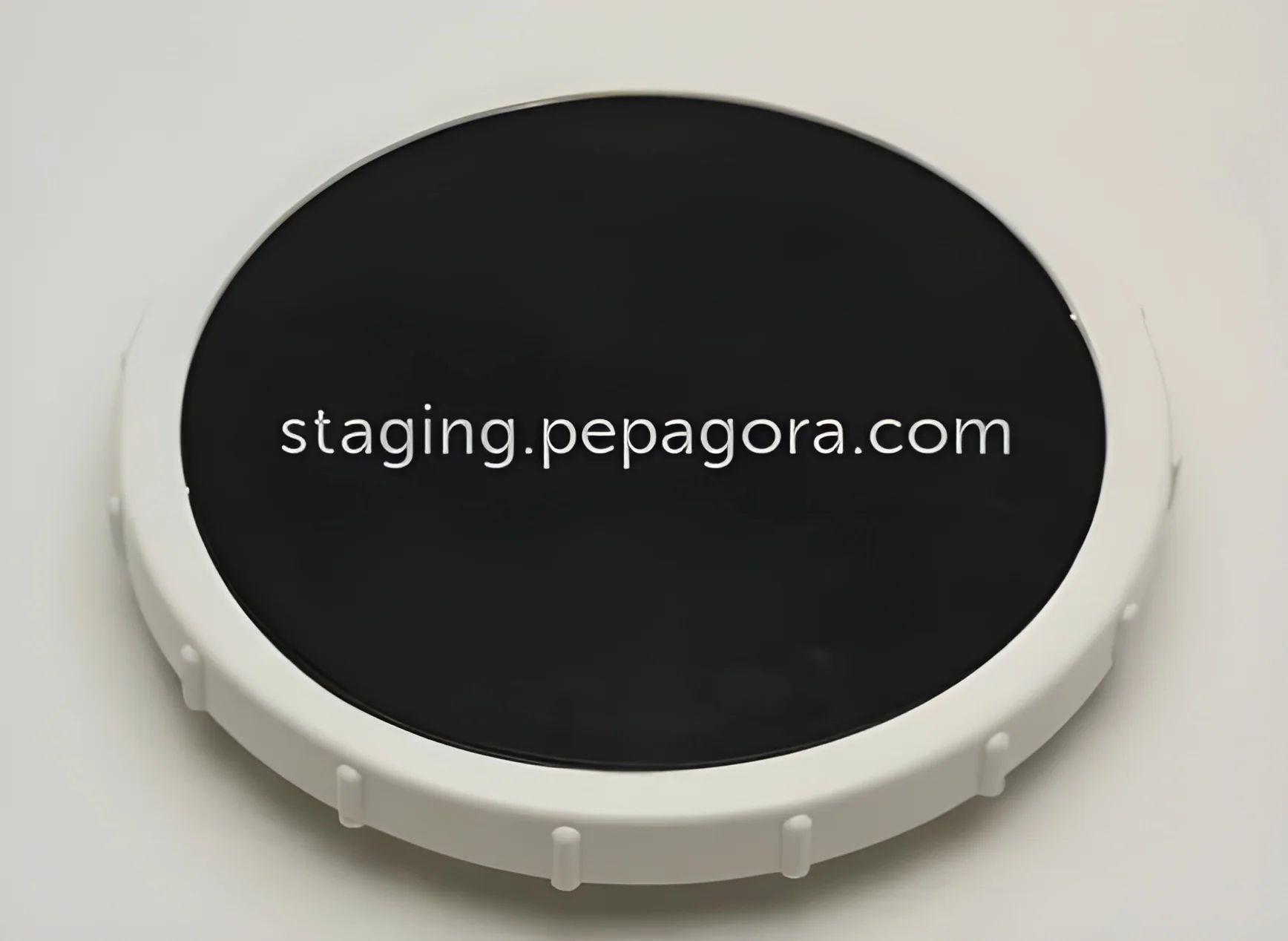
Fine Bubble Disc Membrane Diffusers are engineered to optimize aeration efficiency in wastewater treatment systems by generating a dense cloud of uniform, fine bubbles that maximize oxygen transfer. Constructed from high-quality EPDM or silicone membranes mounted on durable discs, these diffusers ensure minimal pressure loss and exceptional resistance to clogging, even in challenging operating environments. Their sophisticated design promotes vigorous biological activity, enabling treatment plants to achieve superior purification rates while consuming significantly less energy compared to conventional coarse bubble alternatives. With straightforward installation and minimal maintenance needs, they represent a trusted solution for systems demanding consistent, reliable aeration performance throughout extended operational periods.

These diffusers play a crucial role in municipal sewage treatment facilities, industrial effluent treatment plants, and aquaculture operations where precise o...
Fine Bubble Disc Membrane Diffusers are engineered to optimize aeration efficiency in wastewater treatment systems by generating a dense cloud of uniform, fine bubbles that maximize oxygen transfer. Constructed from high-quality EPDM or silicone membranes mounted on durable discs, these diffusers ensure minimal pressure loss and exceptional resistance to clogging, even in challenging operating environments. Their sophisticated design promotes vigorous biological activity, enabling treatment plants to achieve superior purification rates while consuming significantly less energy compared to conventional coarse bubble alternatives. With straightforward installation and minimal maintenance needs, they represent a trusted solution for systems demanding consistent, reliable aeration performance throughout extended operational periods.

These diffusers play a crucial role in municipal sewage treatment facilities, industrial effluent treatment plants, and aquaculture operations where precise oxygen management is essential for process success. Industries including textiles, food processing, pharmaceuticals, and chemical manufacturing depend on them to meet stringent discharge regulations while enhancing treatment capacity and system reliability. In Moving Bed Biofilm Reactor (MBBR) and activated sludge systems, the fine bubbles effectively support microbial growth and organic degradation, ensuring efficient nutrient removal and process stability. Their adaptability also extends to leachate treatment applications and intensive aquaculture aeration, establishing them as a preferred solution for diverse water quality management challenges across multiple sectors.

Operators benefit from substantially reduced operational expenditures through lower energy consumption and minimal maintenance requirements, resulting in meaningful long-term cost savings. The diffusers' proven reliability and customization capabilities enable tailored solutions that accommodate specific tank geometries and process demands, thereby enhancing overall plant efficiency and performance. With an established track record in demanding applications, they provide operational confidence through robust construction and consistent performance, assisting operators in achieving regulatory compliance, improving treatment outcomes, and supporting sustainable water management initiatives. The combination of technical excellence and practical benefits makes these diffusers a valuable investment for modern wastewater treatment infrastructure.

Key Features:
- High-quality EPDM or silicone membrane materials ensuring durability and chemical resistance
- Uniform fine bubble generation maximizing oxygen transfer efficiency
- Disc design facilitating easy installation and compatibility with various aeration systems
- Low maintenance requirements and high clogging resistance for uninterrupted operation
- Customizable sizes and configurations addressing specific project requirements

Benefits:
- Enhanced biological treatment efficiency through optimal dissolved oxygen levels
- Significant energy savings compared to conventional aeration methods
- Reliable performance in harsh environments reducing downtime and repair costs
- Improved compliance with environmental regulations for wastewater discharge
- Long service life and low total cost of ownership supporting sustainable operations
Specifications
| Additional Information | |
|---|---|
| SKU | FBDD-1300 |
| Country of Origin | 106 |
| Customisable | No |
Application
Fine Bubble Disc Membrane Diffusers provide exceptional aeration performance across diverse wastewater treatment scenarios. Their advanced design ensures uniform oxygen distribution and high transfer efficiency, making them ideal for municipal sewage plants, industrial effluent systems, and biological treatment processes where reliable aeration is critical for meeting regulatory standards and maintaining system stability.
These diffusers serve multiple industries requiring precise dissolved oxygen control, including aquaculture, food processing, pharmaceuticals, and chemical manufacturing. They integrate seamlessly into aeration tanks, MBBR systems, and activated sludge processes, offering operators a dependable solution for optimizing treatment efficacy while minimizing operational costs through energy-efficient performance and low maintenance requirements.
- Municipal sewage treatment plants for efficient biological oxidation and odor control
- Industrial effluent treatment in textiles, chemicals, and pharmaceuticals for compliant wastewater discharge
- Aquaculture systems to maintain optimal dissolved oxygen levels for healthy fish and shrimp farming
- MBBR and activated sludge processes to support biofilm growth and organic matter breakdown
- Leachate treatment in landfill sites for effective aeration of contaminated water
Trade Details
| Available Stock | In Stock |
| Sample Availability | No |
Payment Terms
| Payment Terms |
|
Shipping & Logistics
| Shipping Internationally | - | |
| Methods | -- | |
| IncoTerms | -- | |
| Port of Dispatch | Chennai Port, Tamil Nadu, India | |
| Packaging Type | -- | |
| Units per Package | -- | |
| Barcode / HSN / GTIN / UPC | -- | |
| Dispatch Lead time | -- |
Company Profile

Energy Equipment, Tamil Nadu
 Tamil Nadu, India
Tamil Nadu, IndiaIndustrial Equipment & Machinery•Manufacturer
Factory Details
Factory SizeBelow 1000 sqm
Annual Production Capacity0
SKU: FBDD-1300
Fine Bubble Disc Membrane Diffusers for Wastewater Treatment Aeration
Fine Bubble Disc Membrane Diffusers deliver superior oxygen transfer efficiency for wastewater treatment, producing uniform fine bubbles that enhance biological activity and reduce energy costs in STP, ETP, and industrial aeration systems.
Min. Order Quantity: 10 Unit
Shipping
Shipping fee and delivery date to be negotiated. Contact supplier now for more details.
Energy Equipment
 Tamil Nadu, India
Tamil Nadu, IndiaIndustrial Equipment & MachineryManufacturer