IN
IN₹
Apparel & Fashion
Description
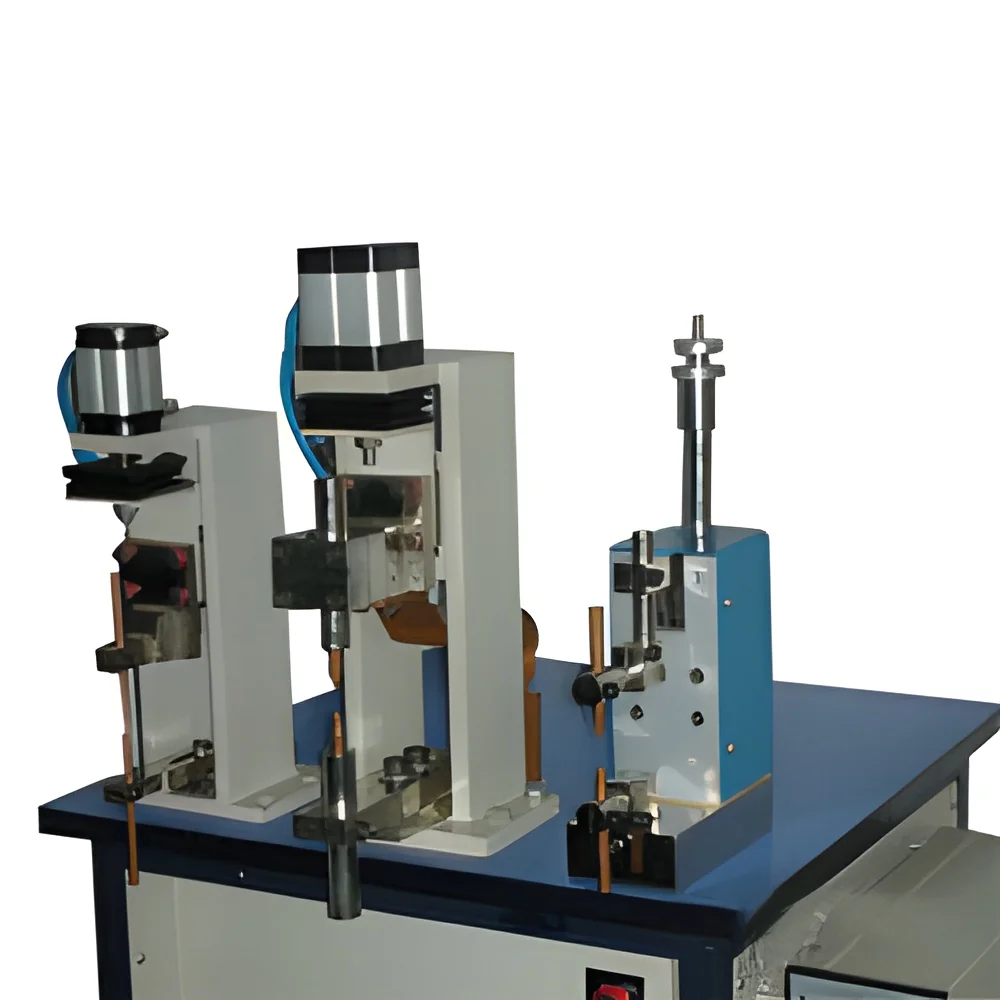
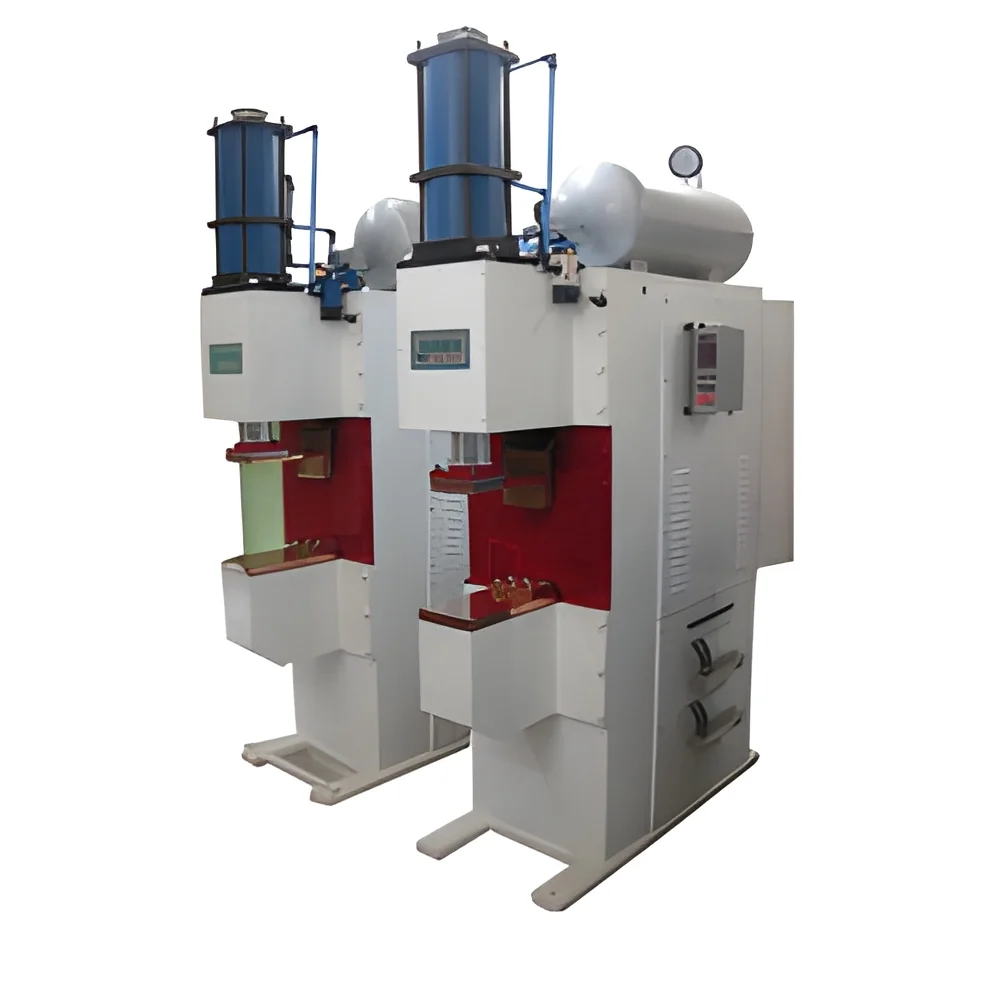
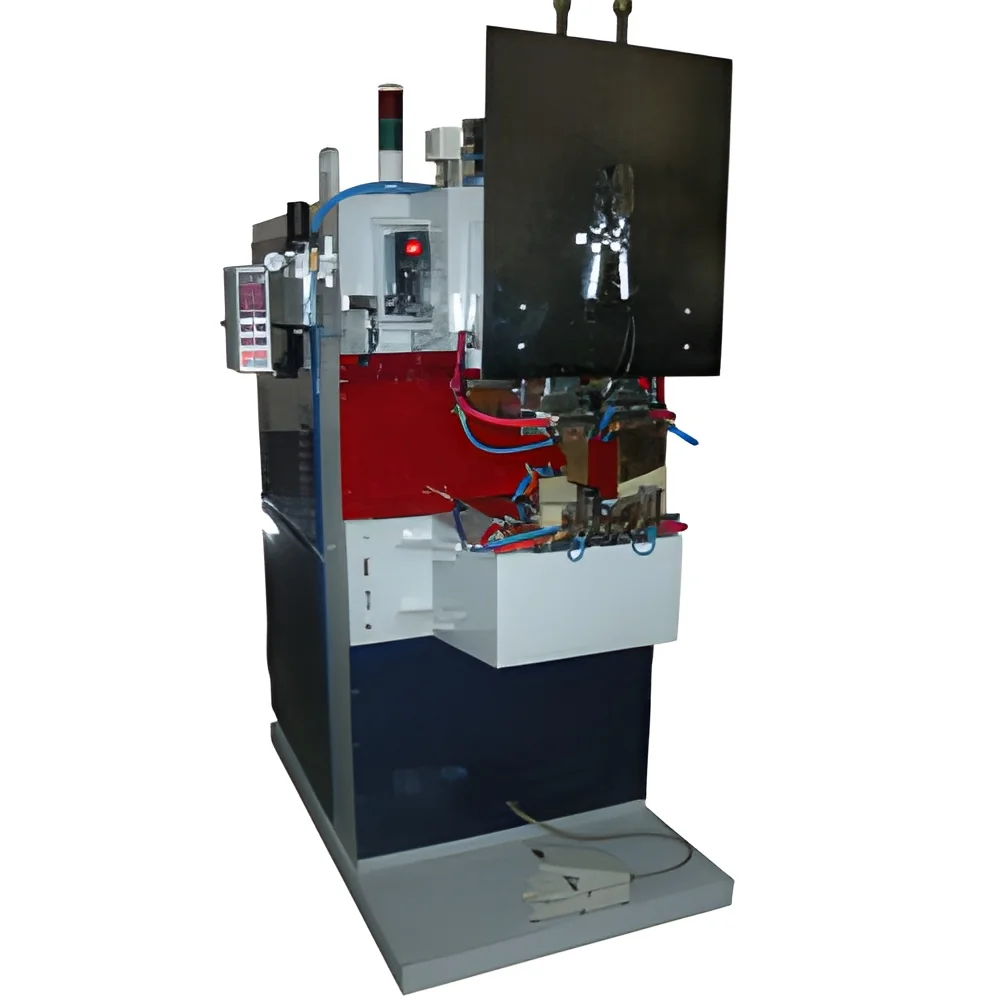
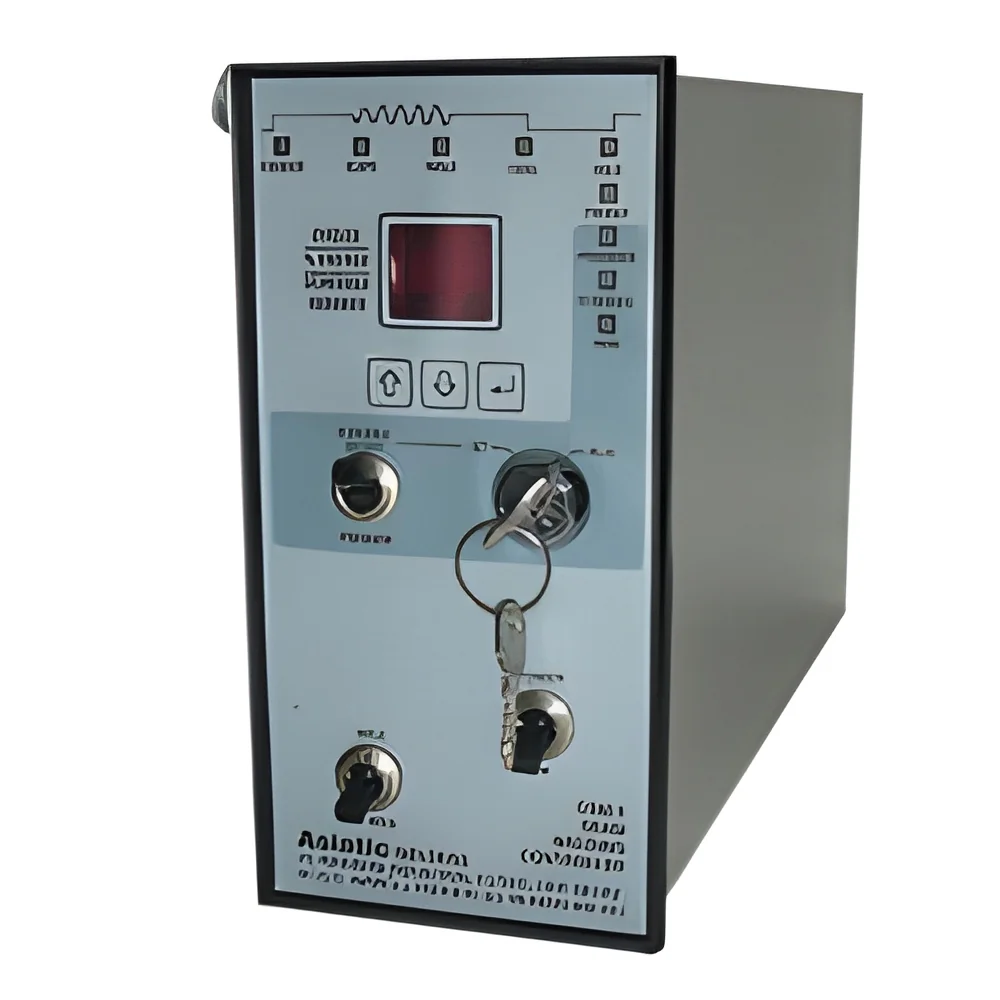
The Microprocessor Based Seam Welding Controller represents advanced control technology for thyristorised AC seam welding machines, delivering precision and reliability in industrial welding operations. This compact unit features microcontroller-based circuitry that simplifies operation while providing sophisticated control capabilities. With non-volatile memory storing up to 15 distinct weld schedules, operators can quickly recall specific welding parameters for different applications, ensuring consistent results across production runs. The controller includes a clear two-digit LED display for value indication and LED indicators for monitoring operational status. A key lock switch protects program settings from unauthorized changes, while timing resolution in half-cycles of mains frequency provides superior control accuracy. Built-in voltage compensation maintains consistent weld quality despite fluctuations in power supply conditions.

This welding controller serves diverse industrie...
The Microprocessor Based Seam Welding Controller represents advanced control technology for thyristorised AC seam welding machines, delivering precision and reliability in industrial welding operations. This compact unit features microcontroller-based circuitry that simplifies operation while providing sophisticated control capabilities. With non-volatile memory storing up to 15 distinct weld schedules, operators can quickly recall specific welding parameters for different applications, ensuring consistent results across production runs. The controller includes a clear two-digit LED display for value indication and LED indicators for monitoring operational status. A key lock switch protects program settings from unauthorized changes, while timing resolution in half-cycles of mains frequency provides superior control accuracy. Built-in voltage compensation maintains consistent weld quality despite fluctuations in power supply conditions.

This welding controller serves diverse industries requiring reliable seam welding capabilities. Automotive manufacturers utilize it for welding body panels, exhaust systems, and structural components where consistent weld quality is essential for vehicle safety and performance. Metal fabrication operations employ it for joining sheet metal in HVAC ductwork, electrical enclosures, and architectural elements. Aerospace applications benefit from its precision in welding lightweight alloys for aircraft components and structural elements. Appliance manufacturers rely on it for creating durable, leak-proof seams in products such as washing machine drums, water heater tanks, and refrigeration components. Industrial machinery builders integrate it for assembling frames, guards, and structural parts where weld integrity directly impacts equipment reliability and service life.

The business value of this seam welding controller stems from its ability to enhance manufacturing efficiency while maintaining consistent quality standards. Precise control over welding parameters minimizes rework and material waste, leading to significant cost savings and improved production throughput. The reliable design with built-in voltage compensation reduces machine downtime and maintenance requirements, supporting continuous operation in demanding manufacturing environments. The capacity to store multiple weld schedules enables quick changeovers between different production runs, increasing operational flexibility. These advantages make it an essential component for businesses seeking to optimize their welding processes, improve product quality, and achieve sustainable operational excellence in competitive manufacturing sectors.

Key Features:
- Microprocessor-based control circuitry with compact, space-saving design
- Non-volatile memory storing 15 weld schedules for operational flexibility
- Precise timing control set in half-cycles of mains frequency
- Built-in compensation for mains voltage fluctuations
- Relay contact outputs for pneumatic valves and motor contactors

Benefits:
- Consistent weld quality through precise energy and timing control
- Reduced setup time with quick recall of stored weld schedules
- Stable performance despite variations in power supply conditions
- Enhanced productivity through reliable automated operation
- Lower maintenance requirements with robust, durable construction
Specifications
| Additional Information | |
|---|---|
| Country of Origin | India |
Application
This microprocessor-based seam welding controller delivers precision control for thyristorised AC seam welding machines across industrial manufacturing environments. Its non-volatile memory stores 15 weld schedules, enabling quick changeovers between different welding parameters while maintaining consistent quality. The built-in mains voltage compensation ensures stable operation despite power fluctuations, making it suitable for facilities with variable electrical supply conditions. Simple programming via intuitive controls allows technicians to easily set up and monitor welding operations without extensive training requirements.
Manufacturing facilities in automotive, metal fabrication, aerospace, and industrial equipment sectors utilize this controller for critical seam welding applications. The reliable performance supports high-volume production lines where consistent weld quality directly impacts product integrity and safety. Outputs for pneumatic solenoid valves and motor contactors enable seamless integration with automated welding systems, reducing manual intervention while increasing throughput. The compact design saves valuable panel space while providing robust control capabilities for demanding industrial environments.
- Automotive production lines for consistent welding of body panels and exhaust components
- Metal fabrication shops for joining sheet metal in HVAC systems and enclosures
- Aerospace manufacturing for precision welding of lightweight alloy structures
- Appliance production for creating leak-proof seams in drums and tanks
- Industrial equipment assembly for welding structural frames and safety guards
Trade Details
| Available Stock | In Stock |
| Sample Availability | No |
Payment Terms
| Payment Terms |
|
Company Profile
Asiatic Welders, Maharashtra
 Maharashtra, India
Maharashtra, IndiaIndustrial Equipment & Machinery•Manufacturer•Distributor / Wholesaler•Importer / Exporter
Factory Details
Factory SizeBelow 1000 sqm
Annual Production Capacity0
Main Markets
Domestic
Microprocessor Based Seam Welding Controller with 15 Weld Schedules
Microprocessor-based seam welding controller stores 15 weld schedules for consistent quality in thyristorised AC seam welding machines. Features precise energy control and mains voltage compensation for reliable industrial performance.
Min. Order Quantity: 1 unit
Shipping
Shipping fee and delivery date to be negotiated. Contact supplier now for more details.
Asiatic Welders
 Maharashtra, India
Maharashtra, IndiaIndustrial Equipment & MachineryManufacturer