IN
₹
Description
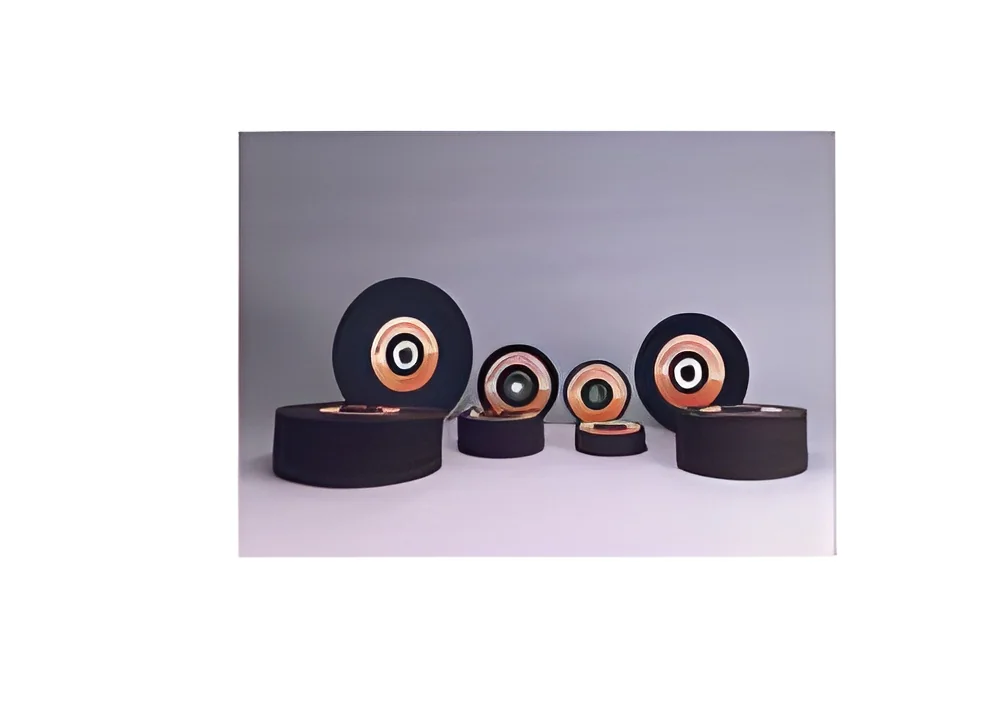
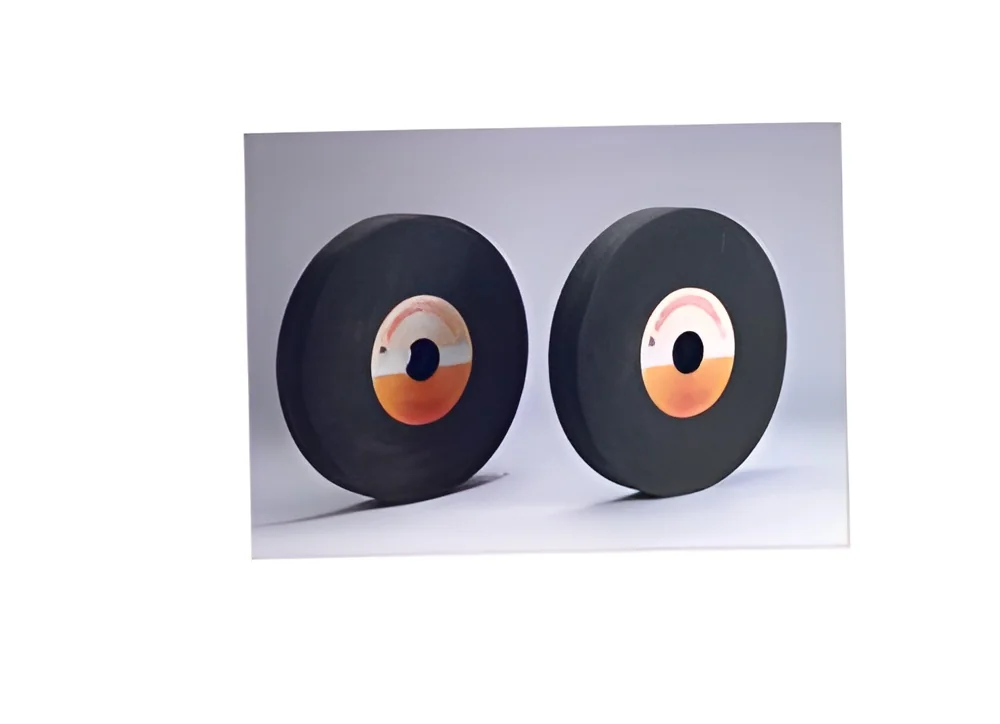
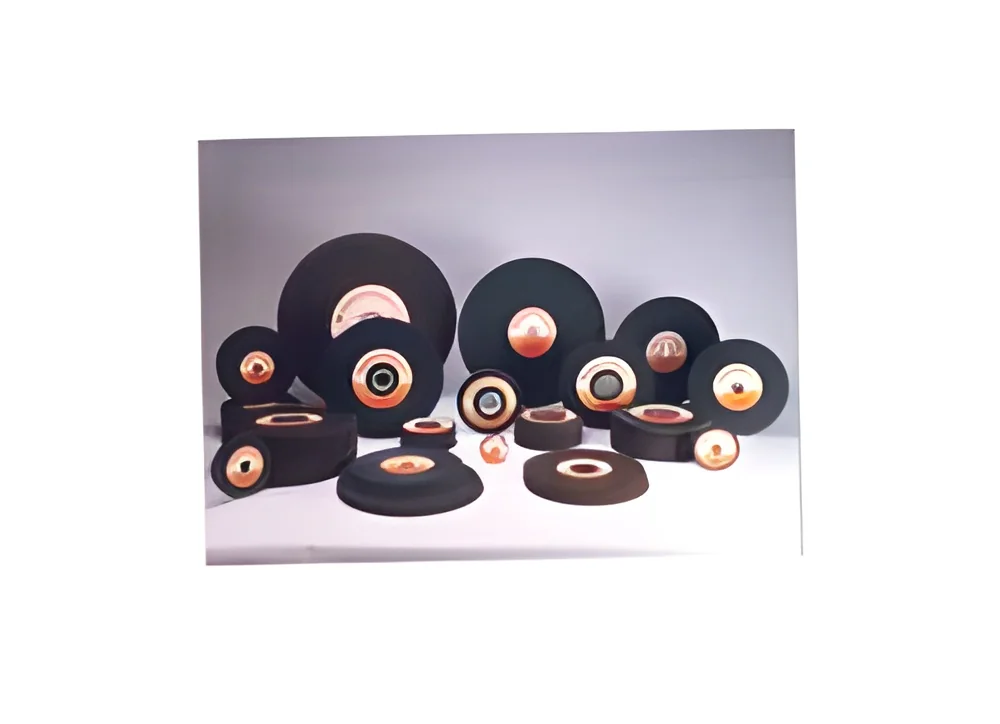
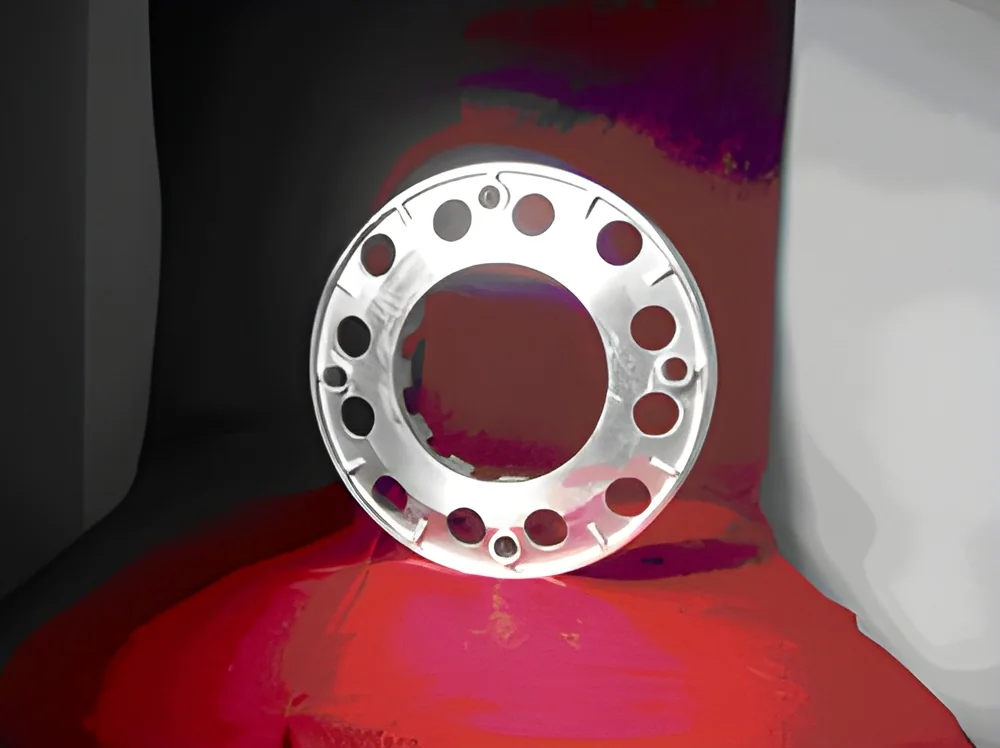
Metro train filter components represent precision-engineered solutions for urban rail transportation's demanding operational requirements. These critical components ensure continuous performance of ventilation, cooling, and air purification systems across global metro networks. Manufactured to exacting standards, they effectively capture particulate matter, pollutants, and environmental contaminants prevalent in underground tunnels and urban settings. The filters maintain optimal airflow while protecting sensitive equipment from airborne debris damage. Their design emphasizes straightforward maintenance and replacement procedures, minimizing service downtime during routine maintenance cycles. These components constitute an essential investment for mass transit operators prioritizing passenger comfort, equipment longevity, and overall system reliability.

These filter components serve vital functions across various metro system applications including subway networks, light rail operatio...
Metro train filter components represent precision-engineered solutions for urban rail transportation's demanding operational requirements. These critical components ensure continuous performance of ventilation, cooling, and air purification systems across global metro networks. Manufactured to exacting standards, they effectively capture particulate matter, pollutants, and environmental contaminants prevalent in underground tunnels and urban settings. The filters maintain optimal airflow while protecting sensitive equipment from airborne debris damage. Their design emphasizes straightforward maintenance and replacement procedures, minimizing service downtime during routine maintenance cycles. These components constitute an essential investment for mass transit operators prioritizing passenger comfort, equipment longevity, and overall system reliability.

These filter components serve vital functions across various metro system applications including subway networks, light rail operations, and urban commuter trains. They are deployed in passenger cabin HVAC systems where they ensure clean air quality for daily commuters, particularly crucial in densely populated urban centers facing air pollution challenges. The transportation sector utilizes these components extensively in maintenance facilities and rolling stock manufacturing. Infrastructure developers and public transit authorities specify these filters for new construction projects and fleet modernization initiatives. Their application extends across both underground subway systems and elevated rail networks, demonstrating adaptability to different urban transit architectures and environmental conditions.

The business value of metro train filter components lies in their demonstrated reliability and cost-efficient operation throughout their service life. Transit authorities achieve reduced maintenance expenses and extended equipment lifespan through superior protection against particulate-induced damage. The components' standardized designs ensure compatibility with existing systems while accommodating specific operational requirements. Manufacturing consistency guarantees predictable performance and seamless integration into maintenance schedules. Component reliability translates to fewer service interruptions and enhanced passenger satisfaction, directly contributing to operational efficiency metrics. These filters represent a strategic investment in preventive maintenance that delivers measurable returns through improved system availability and reduced emergency repair incidents.

Key Features:
- High-efficiency particulate filtration for superior air quality
- Durable construction resistant to vibration and environmental factors
- Standardized dimensions ensuring system compatibility
- Robust design handling moisture and temperature variations
- Easy maintenance facilitating quick replacement procedures

Benefits:
- Enhanced passenger comfort through improved air quality
- Extended equipment lifespan reducing replacement costs
- Reduced maintenance requirements and associated expenses
- Reliable performance in demanding transit environments
- Compatibility with existing metro system infrastructure
Specifications
| Additional Information | |
|---|---|
| Country of Origin | India |
Application
Metro train filter components are engineered to maintain superior air quality in demanding transit environments. They effectively remove dust, pollutants, and particulate matter from ventilation systems while protecting sensitive electrical and mechanical equipment. These filters handle high airflow demands and frequent operational cycles typical in urban rail networks, ensuring consistent performance across diverse conditions.
These components are specifically designed for challenging subway environments where brake dust, steel particles, and external contaminants affect air quality. They serve critical roles in HVAC systems, traction motor cooling, compressor protection, and cabin air purification. Their robust construction withstands vibration, moisture exposure, and temperature variations, making them suitable for underground and elevated rail systems worldwide.
- Passenger cabin HVAC systems for clean air and comfort
- Traction motor cooling to prevent overheating and damage
- Compressor intake filtration protecting against debris
- Tunnel ventilation maintaining air quality standards
- Platform door systems requiring reliable air filtration
Trade Details
| Available Stock | In Stock |
| Sample Availability | No |
Payment Terms
| Payment Terms |
|
Company Profile
Abratech, Maharashtra
 Maharashtra, India
Tools & Hardware•Manufacturer•Distributor / Wholesaler
Factory Details
Factory SizeBelow 1000 sqm
Annual Production Capacity0
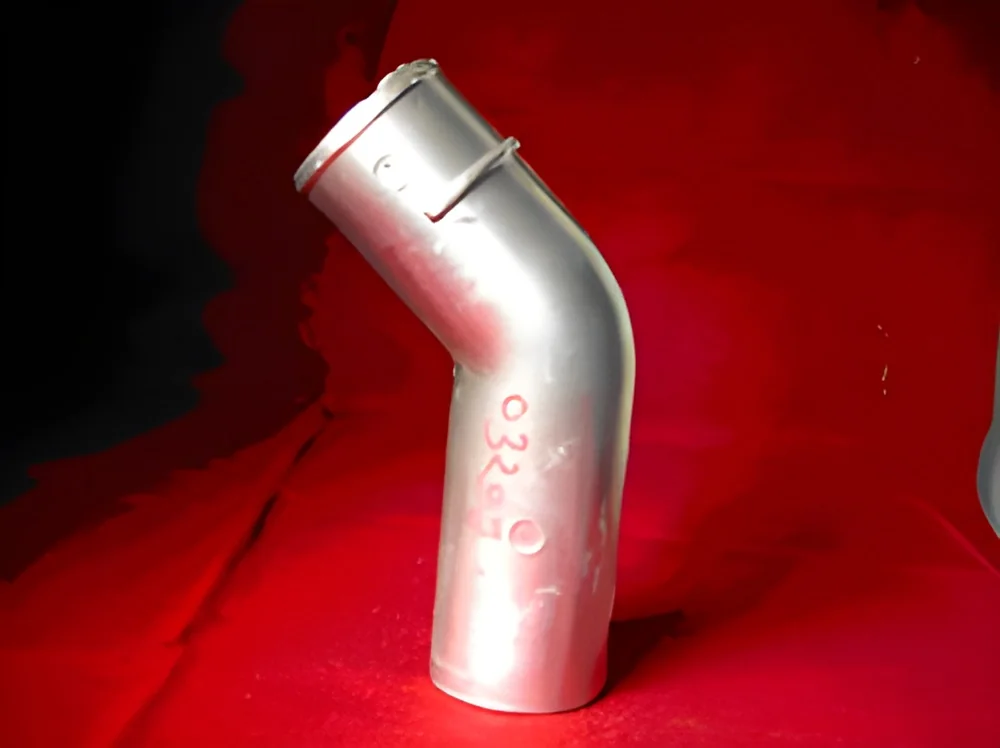
Metro Train Filter Components For Clean Air And Durability
Metro train filter components provide clean air and reliable performance for mass transit systems. These durable filters ensure optimal air quality and equipment protection, meeting strict urban rail standards for ventilation and cooling systems.
Min. Order Quantity: 1 unit
Shipping
Shipping fee and delivery date to be negotiated. Contact supplier now for more details.
Abratech
 Maharashtra, India
Tools & HardwareManufacturer