IN
₹
Apparel & Fashion

Description
Industrial metal snubbers are precision-engineered protective devices installed between a process line and sensitive instrumentation. Their primary function is to dampen harmful pressure surges, pulsations, and vibrations before they reach gauges, transmitters, or switches. Constructed from high-grade materials like stainless steel, they feature an internal damping mechanism—often a piston or diaphragm—that absorbs kinetic energy from fluid flow variations. This action smooths out pressure spikes, ensuring instruments receive a stabilized signal for accurate measurement and reliable control. This protection is vital for maintaining system accuracy, preventing false trips, and avoiding the costly consequences of instrument damage or failure in critical monitoring points.

These components are foundational in industries where process safety and measurement accuracy directly impact productivity and risk management. In oil and gas, they are deployed on drilling rigs, refineries, and transm...
Industrial metal snubbers are precision-engineered protective devices installed between a process line and sensitive instrumentation. Their primary function is to dampen harmful pressure surges, pulsations, and vibrations before they reach gauges, transmitters, or switches. Constructed from high-grade materials like stainless steel, they feature an internal damping mechanism—often a piston or diaphragm—that absorbs kinetic energy from fluid flow variations. This action smooths out pressure spikes, ensuring instruments receive a stabilized signal for accurate measurement and reliable control. This protection is vital for maintaining system accuracy, preventing false trips, and avoiding the costly consequences of instrument damage or failure in critical monitoring points.

These components are foundational in industries where process safety and measurement accuracy directly impact productivity and risk management. In oil and gas, they are deployed on drilling rigs, refineries, and transmission pipelines to protect instrumentation from the violent pulsations of reciprocating pumps and compressors. Chemical and petrochemical plants utilize them to handle aggressive media and maintain precise pressure control in reactors and separation processes. Power generation facilities rely on snubbers to protect boiler feedwater systems and steam lines, while water treatment plants use them to ensure consistent flow meter performance. Their universal application stems from their ability to operate reliably in extreme temperatures and corrosive environments where equipment longevity is constantly challenged.

Choosing the right metal snubber delivers direct business value by safeguarding operational continuity and capital assets. Their reliability translates to reduced instrument replacement costs, minimized production downtime from faulty readings, and lower overall maintenance expenditures. A well-protected instrument provides accurate data for process optimization, supporting efficiency gains and quality control. The durable construction ensures a long service life, offering a strong return on investment by preventing the far greater costs associated with process shutdowns or safety incidents caused by instrument failure. For procurement specialists and plant engineers, specifying these snubbers is a proactive measure for risk mitigation and long-term operational stability.

Key Features:
- Manufactured from corrosion-resistant stainless steel for durability in harsh industrial environments.
- Internal damping mechanism effectively absorbs and dissipates pressure surges and fluid pulsations.
- Engineered to withstand high system pressures and temperature extremes common in process industries.
- Available in various connection types and sizes for direct integration into existing pipeline configurations.
- Compatible with a broad spectrum of process media including crude oil, natural gas, chemicals, and steam.

Benefits:
- Extends the operational lifespan of expensive pressure gauges, transmitters, and sensors.
- Ensures measurement accuracy and control stability by eliminating signal noise from pressure fluctuations.
- Reduces maintenance frequency and costs associated with instrument repair or calibration.
- Enhances overall process safety by preventing instrument failure that could lead to uncontrolled events.
- Provides a reliable, set-and-forget solution that requires no ongoing maintenance or external power.
Specifications
| Additional Information | |
|---|---|
| Country of Origin | India |
Application
Industrial metal snubbers are engineered to safeguard sensitive measurement and control instruments from damaging pressure spikes and pulsations in fluid handling systems. They act as a critical buffer, absorbing sudden energy fluctuations that can cause gauge failure, transmitter damage, or inaccurate readings, thereby ensuring process integrity and operational safety in demanding industrial environments.
These devices are indispensable across heavy industries where pressure stability is non-negotiable. Their robust design withstands corrosive chemicals, high temperatures, and continuous vibration, making them suitable for integration into pipelines, manifolds, and equipment skids. By preventing instrument failure, they reduce unplanned downtime, lower maintenance costs, and protect significant capital investment in process control infrastructure.
- Shield pressure gauges and transmitters on oil and gas wellheads and pipeline stations from pump-induced pulsations.
- Protect sensitive sensors and control valves in chemical processing reactors and distillation columns from surge events.
- Dampen pressure fluctuations in hydraulic power units and actuators used in heavy manufacturing and automation.
- Stabilize readings for flow meters and analyzers in water treatment and desalination plant feed lines.
- Absorb vibrations and surges in compressed air and gas distribution networks within industrial facilities.
Trade Details
| Available Stock | In Stock |
| Sample Availability | No |
Payment Terms
| Payment Terms |
|
Company Profile
Nisan Scientific Process Equipment Pvt Ltd, Maharashtra
 Maharashtra, India
Electronics & Electrical•Manufacturer
Factory Details
Factory SizeBelow 1000 sqm
Annual Production Capacity0
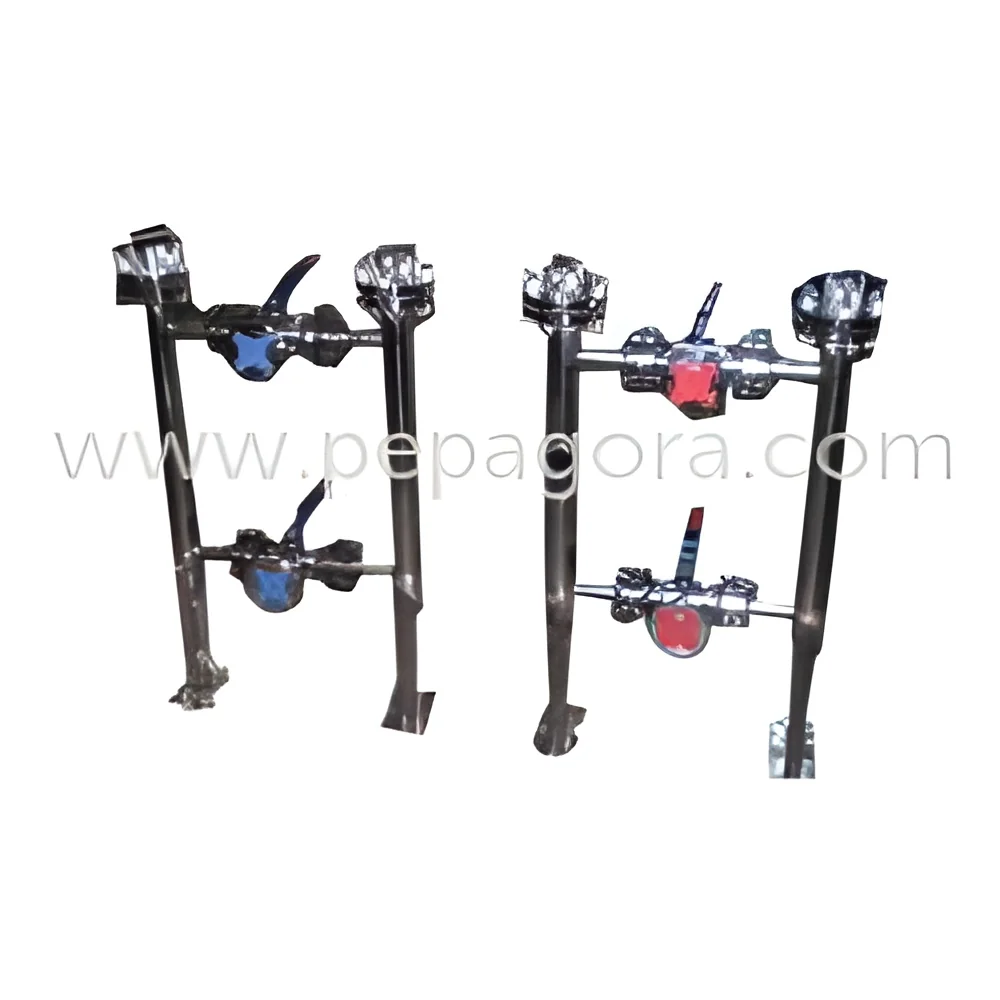
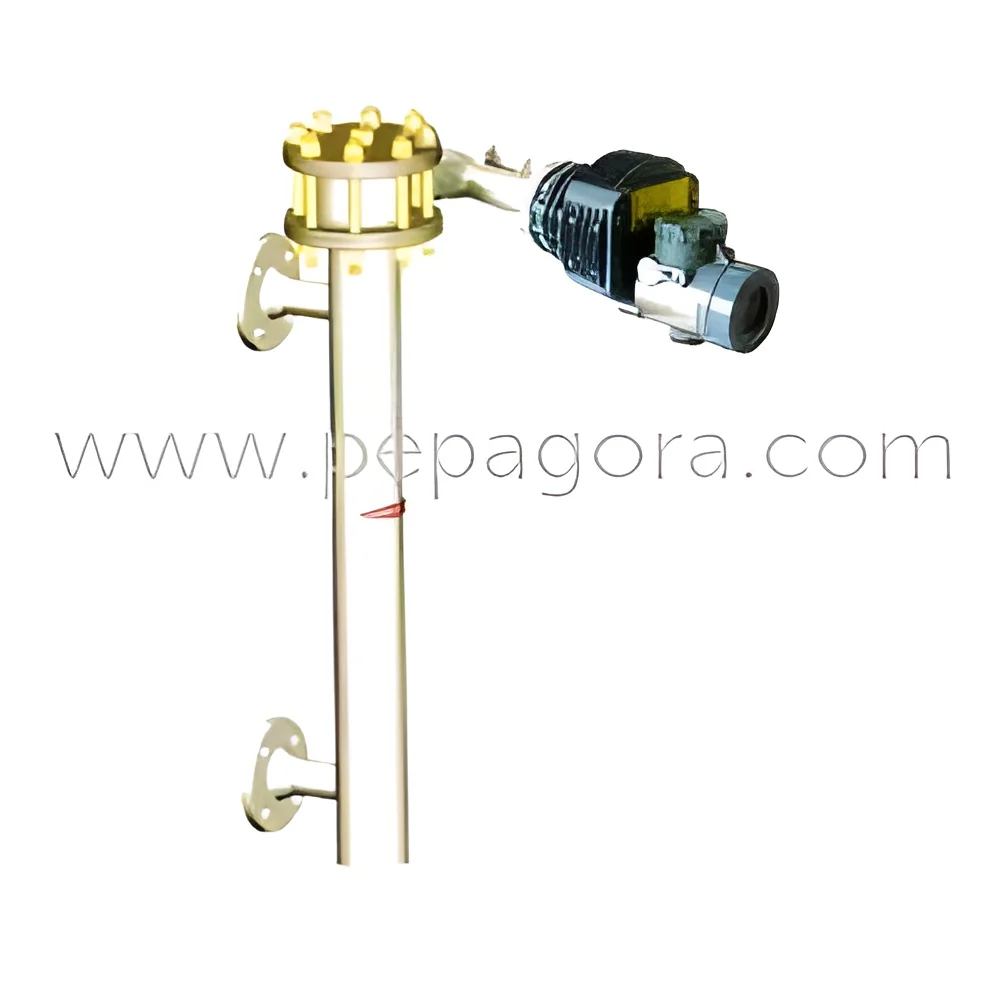
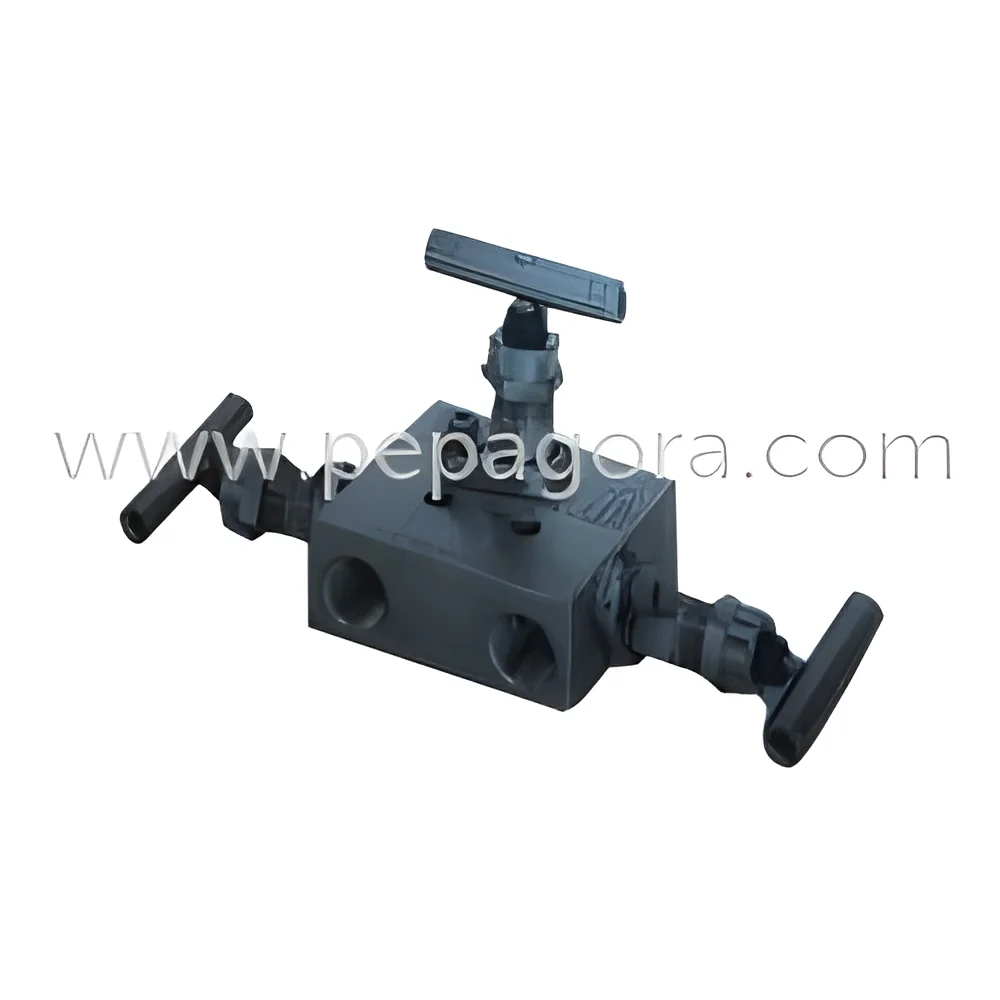
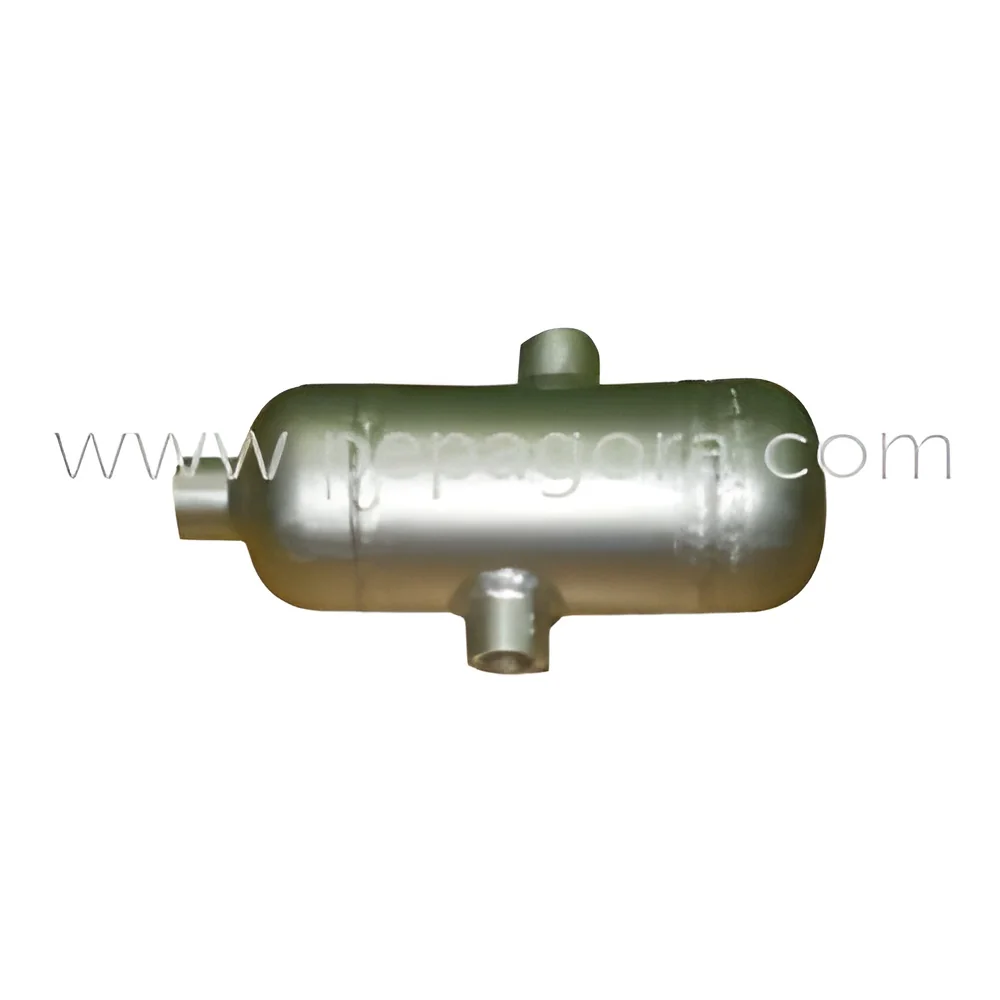
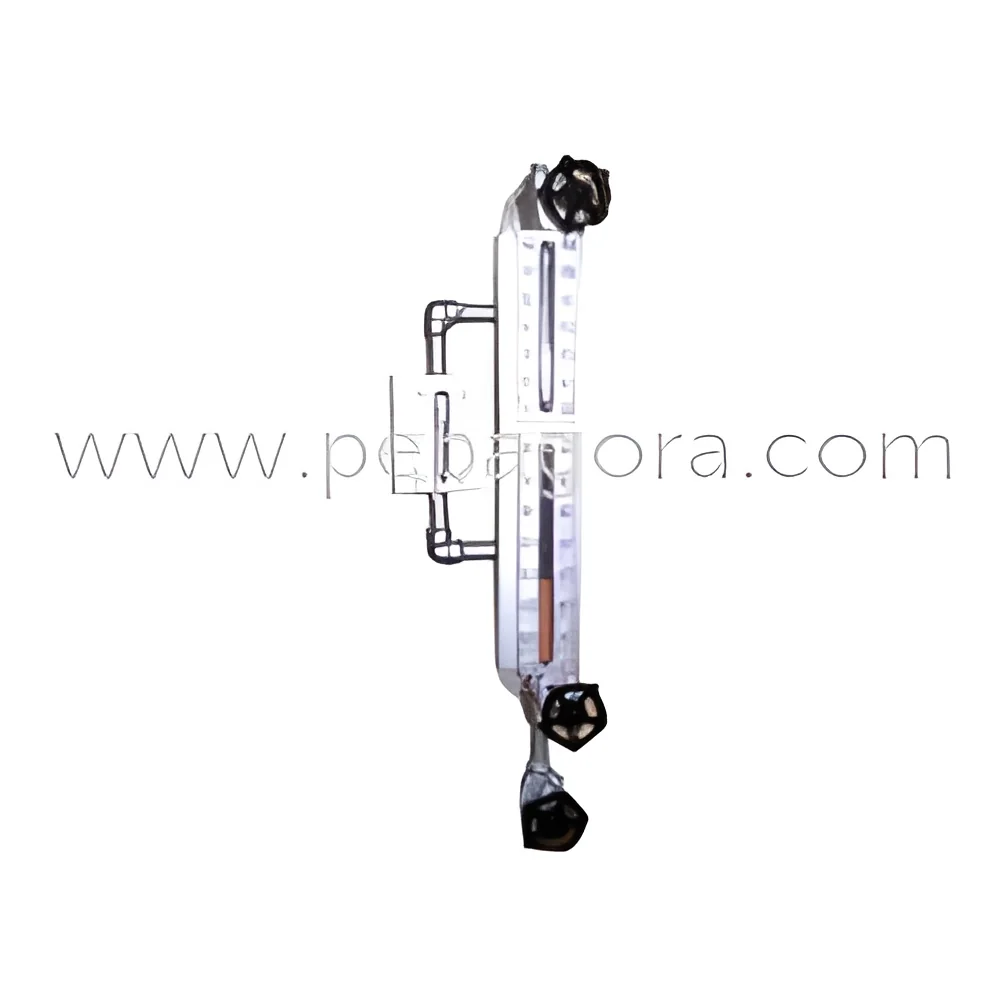
Industrial Metal Snubbers For Pressure Surge Protection In Oil Gas
Industrial metal snubbers protect pressure gauges and transmitters from damaging surges in oil, gas, and chemical pipelines. Durable stainless steel construction ensures reliable instrument protection for critical fluid systems.
Min. Order Quantity: 1 unit
Shipping
Shipping fee and delivery date to be negotiated. Contact supplier now for more details.
Nisan Scientific Process Equipment Pvt Ltd
 Maharashtra, India
Electronics & ElectricalManufacturer