IN
IN₹
Apparel & Fashion
Loading subcategories...
View More
Description
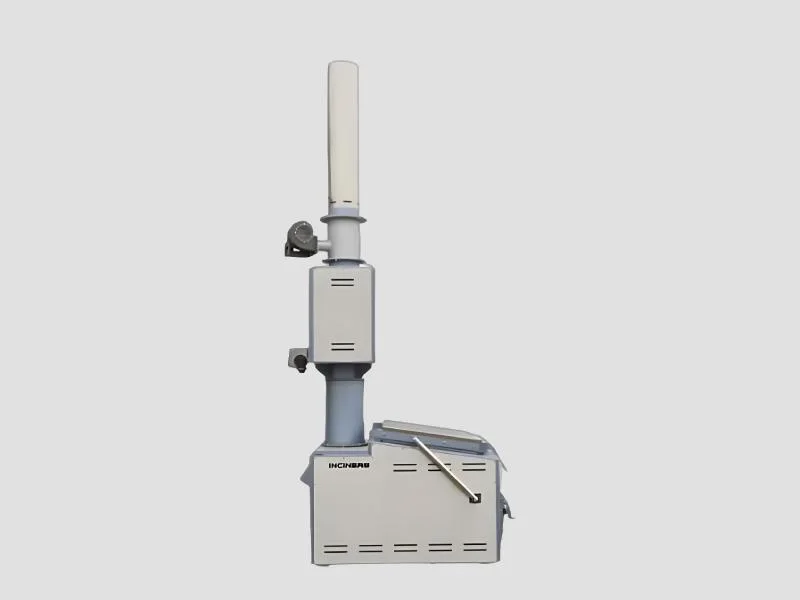
Medical waste incinerators are advanced thermal treatment systems specifically engineered for complete destruction of biomedical and hospital-generated hazardous waste. These high-temperature units utilize controlled combustion processes to safely neutralize infectious materials including contaminated dressings, syringes, laboratory specimens, pharmaceuticals, and pathological waste. With primary chamber temperatures reaching 800-1000°C and secondary chambers operating at 1000-1200°C, these systems ensure thorough destruction of organic matter and pathogens while significantly reducing waste volume by 80-90%. The technology incorporates sophisticated emission control mechanisms that maintain compliance with international environmental standards including CPCB, WHO, and EPA regulations, providing healthcare facilities with reliable and environmentally responsible waste management solutions. These incinerators serve diverse medical and research sectors including hospitals, clinics, diagn...
Medical waste incinerators are advanced thermal treatment systems specifically engineered for complete destruction of biomedical and hospital-generated hazardous waste. These high-temperature units utilize controlled combustion processes to safely neutralize infectious materials including contaminated dressings, syringes, laboratory specimens, pharmaceuticals, and pathological waste. With primary chamber temperatures reaching 800-1000°C and secondary chambers operating at 1000-1200°C, these systems ensure thorough destruction of organic matter and pathogens while significantly reducing waste volume by 80-90%. The technology incorporates sophisticated emission control mechanisms that maintain compliance with international environmental standards including CPCB, WHO, and EPA regulations, providing healthcare facilities with reliable and environmentally responsible waste management solutions.

These incinerators serve diverse medical and research sectors including hospitals, clinics, diagnostic laboratories, pharmaceutical manufacturing units, veterinary centers, and biomedical research institutions. Healthcare facilities utilize these systems for daily disposal of infectious waste generated from patient care, surgical procedures, and diagnostic activities. Pharmaceutical companies depend on them for destroying expired medications and contaminated manufacturing materials, while research laboratories use them for safe disposal of biological samples and chemical residues. The scalability from 20-1000 kg/hr capacity makes these units suitable for small clinics to large hospital networks, with installation areas ranging from 20-300 m² to accommodate various space constraints and operational requirements.

The operational value of medical waste incinerators extends beyond regulatory compliance to include efficiency, cost management, and risk mitigation. These systems provide healthcare organizations with reliable, on-site waste treatment capabilities that reduce dependency on external disposal services and minimize transportation risks. The semi-automatic and fully automatic operation options reduce labor requirements while ensuring consistent performance, and the 6-12 month maintenance cycle supports long-term operational continuity. With dual-fuel capability and robust construction, these incinerators deliver uninterrupted service in demanding healthcare environments, protecting both public health and organizational reputation through dependable waste management performance.

Key Features:
- High-temperature dual-chamber design with primary chamber 800-1000°C and secondary chamber 1000-1200°C
- Waste feed capacity ranging from 20-1000 kg/hr to suit various facility sizes
- Advanced emission control systems ensuring compliance with CPCB, WHO, and EPA standards
- Semi-automatic and fully automatic operation options for optimized efficiency
- Multiple fuel compatibility including oil, gas, or dual-fuel configurations

Benefits:
- Complete pathogen destruction and 80-90% volume reduction for efficient waste management
- Regulatory compliance assurance with international environmental and health standards
- Reduced operational costs through on-site treatment and minimized external disposal needs
- Reliable performance with 6-12 month maintenance cycles for continuous operation
- Scalable solutions suitable for small clinics to large hospital networks
Specifications
| Attribute | Value |
|---|---|
| Waste Feed Capacity | 20 – 1,000 kg/hr |
| Primary Chamber Temperature | 800°C – 1,000°C |
| Secondary Chamber Temperature | 1,000°C – 1,200°C |
| Volume Reduction | 80 – 90% |
| Ash Residue | 5 – 10% of total waste |
| Emission Standard Compliance | CPCB / WHO / EPA |
| Automation Level | Semi / Fully Automatic |
| Fuel Type | Oil, Gas, or Dual Fuel |
| Installation Area | 20 – 300 m² |
| Maintenance Cycle | Every 6 – 12 months |
| Additional Information | |
|---|---|
| Country of Origin | India |
| Customisable | No |
Application
Medical waste incinerators provide essential disposal solutions for healthcare facilities managing infectious materials. These systems handle contaminated dressings, syringes, laboratory specimens, pharmaceuticals, and biological waste with high-temperature efficiency while maintaining strict regulatory compliance for safe operations in medical environments.
From large hospital networks to specialized research centers, these incinerators offer scalable waste management with capacities from 20-1000 kg/hr. The technology supports various fuel options and automation levels, making it suitable for different operational requirements and space constraints while ensuring consistent, reliable performance for healthcare waste treatment needs.
- Hospitals and medical clinics disposing of contaminated dressings, syringes, and medical equipment
- Diagnostic laboratories safely destroying biological samples, cultures, and chemical residues
- Pharmaceutical manufacturing units processing expired medicines and production waste
- Veterinary hospitals and animal research centers managing biomedical waste
- Healthcare waste management companies operating centralized disposal facilities
Trade Details
| Available Stock | In Stock |
| Sample Availability | No |
Payment Terms
| Payment Terms |
|
Company Profile

Diamond Engineering Enterprises , Tamil Nadu
 Tamil Nadu, India
Tamil Nadu, IndiaFood & Agriculture•Manufacturer•Importer / Exporter
Factory Details
Factory SizeBelow 1000 sqm
Annual Production Capacity0
Main Markets
Africa
Medical Waste Incinerator 20 1000 kg/hr 800 1200C CPCB/WHO/EPA
Medical Waste Incinerator safely disposes 20-1000 kg/hr biomedical waste at 800-1200°C with CPCB/WHO/EPA compliance, reducing volume by 80-90% for hospitals and healthcare facilities.
Min. Order Quantity: 1 piece
Shipping
Shipping fee and delivery date to be negotiated. Contact supplier now for more details.
Diamond Engineering Enterprises 
 Tamil Nadu, India
Tamil Nadu, IndiaFood & AgricultureManufacturerImporter / Exporter