IN
IN₹
Apparel & Fashion
Loading subcategories...
View More
Description
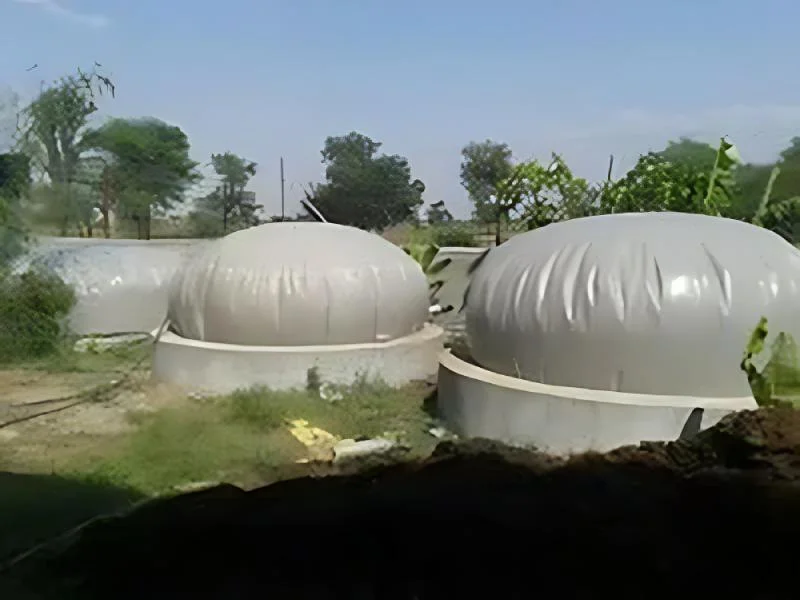
Industrial biogas plants represent advanced large-scale renewable energy systems designed to efficiently convert substantial organic waste volumes into valuable biogas and nutrient-rich bio-fertilizer. These robust installations process 5 to 200 tons of diverse feedstock daily, including agricultural residues, food industry waste, municipal solid waste, and animal manure. With plant capacities ranging from 500 m³ to 10,000 m³ per day, they deliver reliable energy output equivalent to 500 kWh/day to 2 MW/day. The sophisticated anaerobic digestion technology ensures 85-90% conversion efficiency while operating at safe low-pressure levels of 8-15 mbar. These comprehensive systems transform waste management challenges into energy opportunities while supporting circular economy principles through complete resource utilization.

Multiple industries benefit significantly from implementing industrial biogas technology. Food processing units, breweries, and distilleries utilize these plants to ...
Industrial biogas plants represent advanced large-scale renewable energy systems designed to efficiently convert substantial organic waste volumes into valuable biogas and nutrient-rich bio-fertilizer. These robust installations process 5 to 200 tons of diverse feedstock daily, including agricultural residues, food industry waste, municipal solid waste, and animal manure. With plant capacities ranging from 500 m³ to 10,000 m³ per day, they deliver reliable energy output equivalent to 500 kWh/day to 2 MW/day. The sophisticated anaerobic digestion technology ensures 85-90% conversion efficiency while operating at safe low-pressure levels of 8-15 mbar. These comprehensive systems transform waste management challenges into energy opportunities while supporting circular economy principles through complete resource utilization.

Multiple industries benefit significantly from implementing industrial biogas technology. Food processing units, breweries, and distilleries utilize these plants to manage organic byproducts while generating captive energy for their operational requirements. Agricultural sectors including large farms, poultry operations, and livestock facilities convert manure and crop residues into renewable power and organic fertilizer. Municipal bodies deploy these systems for community-scale solid waste management and renewable energy projects. Industrial complexes, manufacturing units, and institutions with high organic waste generation find these plants ideal for achieving energy independence while meeting environmental compliance standards across diverse operational environments.

Industrial biogas plants deliver substantial business value through significant reduction in energy costs, waste management expenses, and carbon footprint. The reliable 15-25 year plant lifespan ensures long-term returns on investment while the processing capacity adapts to specific operational requirements. These systems provide energy security by generating consistent power regardless of grid availability, which is crucial for continuous industrial operations. The high-quality bio-fertilizer byproduct creates additional revenue streams while improving soil health and agricultural productivity. With semi-automatic or fully automatic operation options and robust construction materials including RCC, MS, FRP, and flexible membranes, these plants guarantee operational reliability and minimal maintenance requirements, making them a prudent investment for organizations committed to sustainable operations.

Key Features:
- Processing capacity from 500 m³ to 10,000 m³ per day handling 5-200 tons of organic feedstock
- Multiple construction material options including RCC, MS, FRP, and flexible membranes
- Semi-automatic and fully automatic operation with advanced control systems
- Integrated gas storage from 100 m³ to 5,000 m³ with low-pressure safety operation
- 30-45 day retention time ensuring complete waste digestion and maximum gas yield

Benefits:
- Significant reduction in energy costs through self-generated biogas for power and heat
- Complete organic waste management solution converting 90% waste into valuable outputs
- Additional revenue streams from bio-fertilizer sales and potential carbon credits
- Enhanced environmental compliance and corporate sustainability credentials
- Reliable 15-25 year operation with 85-90% conversion efficiency and low maintenance
Specifications
| Attribute | Value |
|---|---|
| Plant Capacity | 500 m³/day to 10,000 m³/day (customizable) |
| Feedstock Input | 5 to 200 tons/day (organic waste, agri-waste, manure, MSW) |
| Biogas Production | 250 to 5,000 m³/day (depending on feedstock) |
| Energy Output | 500 kWh/day to 2 MW/day electricity equivalent |
| Retention Time | 30 to 45 days |
| Operating Pressure | 8 to 15 mbar (low pressure) |
| Gas Storage Capacity | 100 m³ to 5,000 m³ |
| Construction Material | RCC / MS / FRP / Flexible membrane |
| Automation Level | Semi-automatic / Fully automatic |
| Plant Life | 15 to 25 years |
| 15 to 25 years | 90% of input waste converted into nutrient-rich slurry |
| Efficiency | 85% to 90% conversion efficiency |
| Additional Information | |
|---|---|
| Country of Origin | India |
| Customisable | No |
Application
Industrial biogas plants serve diverse sectors requiring sustainable waste-to-energy solutions. Food processing facilities, agricultural operations, and municipal waste management systems utilize these plants to convert organic byproducts into renewable energy while producing valuable bio-fertilizer. The scalable design accommodates varying feedstock volumes from 5 to 200 tons daily, making them suitable for both industrial complexes and community projects seeking energy independence and environmental compliance.
These systems support industries with substantial organic waste output, including distilleries, slaughterhouses, and food packaging units. Large farms, poultry operations, and livestock facilities transform manure and crop residues into clean energy. Municipalities implement community-scale solid waste treatment while generating renewable energy, reducing landfill dependence and fossil fuel usage across multiple applications.
- Food processing plants converting fruit and vegetable waste into electricity for operational power
- Large dairy farms processing cattle manure into biogas for milk processing and heating systems
- Municipal solid waste facilities generating bio-CNG for public transportation and community energy
- Poultry operations transforming litter into renewable power and nutrient-rich organic fertilizer
- Breweries and distilleries utilizing spent grains for steam generation and grid power supply
Trade Details
| Available Stock | In Stock |
| Sample Availability | No |
Payment Terms
| Payment Terms |
|
Company Profile

Diamond Engineering Enterprises , Tamil Nadu
 Tamil Nadu, India
Tamil Nadu, IndiaFood & Agriculture•Manufacturer•Importer / Exporter
Factory Details
Factory SizeBelow 1000 sqm
Annual Production Capacity0
Main Markets
Africa
Industrial Biogas Plant 500 10000 m/day 5 200 Tons Waste 85 90% Efficiency
Industrial Biogas Plant converts 5-200 tons daily organic waste into renewable energy with 85-90% efficiency, producing biogas for power/heat and nutrient-rich bio-fertilizer for sustainable operations.
Min. Order Quantity: 1 piece
Shipping
Shipping fee and delivery date to be negotiated. Contact supplier now for more details.
Diamond Engineering Enterprises 
 Tamil Nadu, India
Tamil Nadu, IndiaFood & AgricultureManufacturer