IN
IN₹
Apparel & Fashion
Description
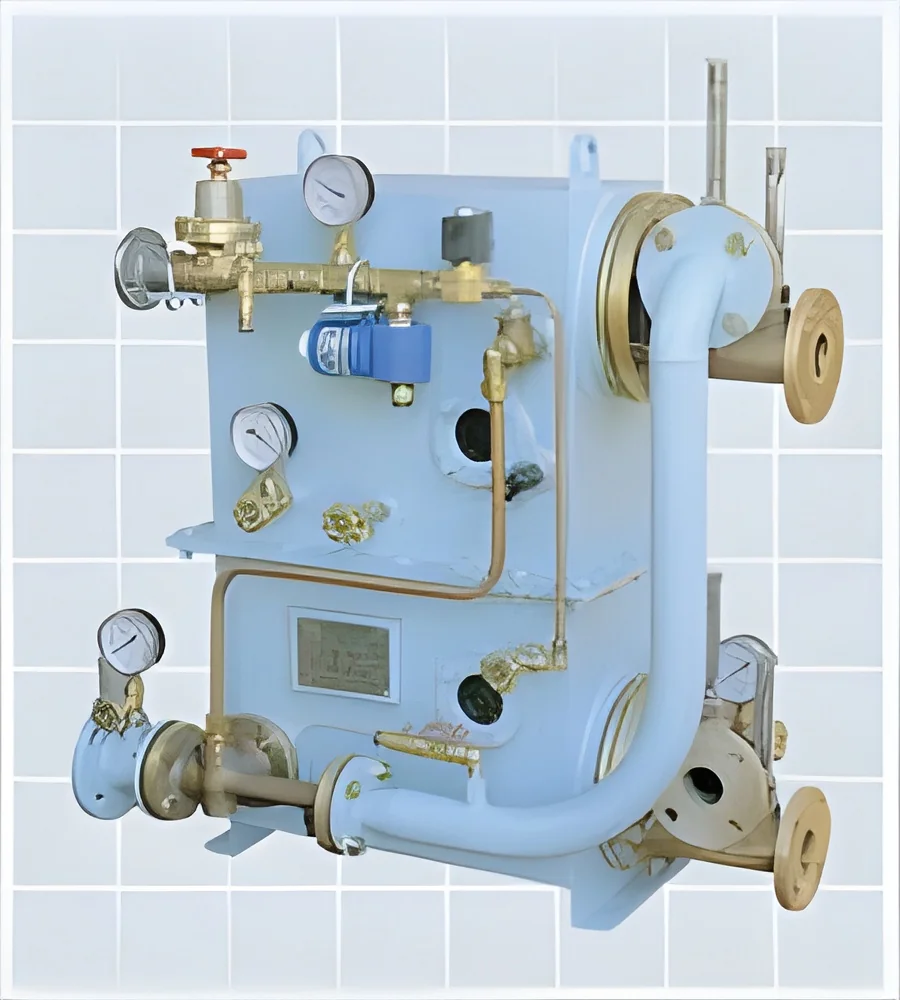
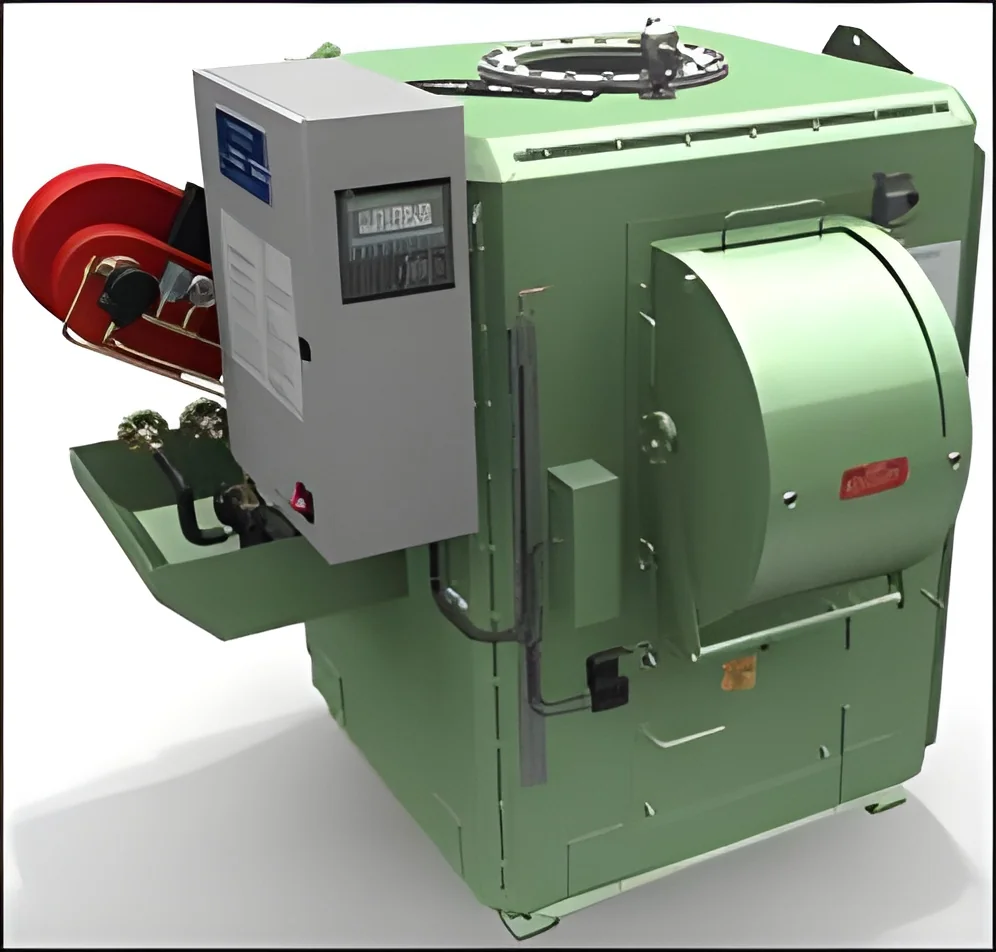
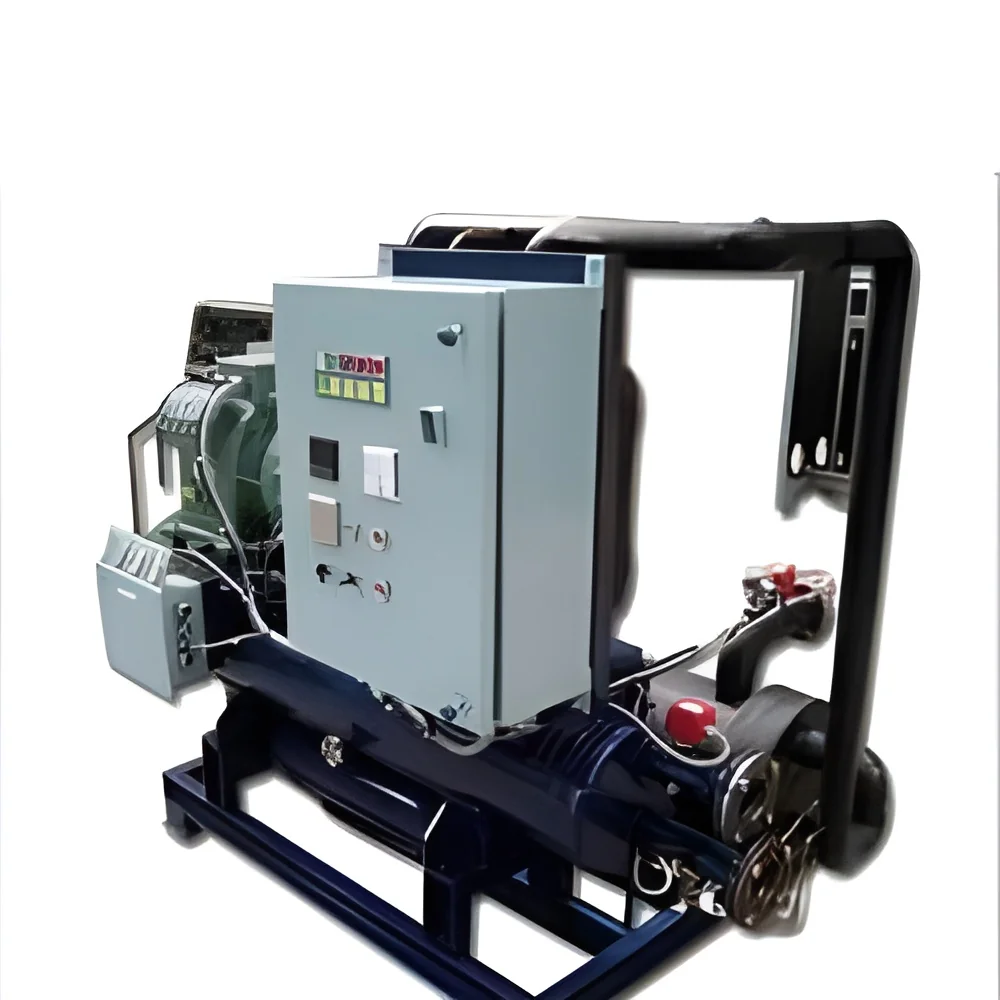
The Marine Gas Oil Cooling Unit is a critical heat exchange system designed specifically for managing the temperature of Marine Gas Oil before it enters marine engines. In today's regulatory landscape, vessels are required to use cleaner fuels like MGO in designated Emission Control Areas to reduce sulfur oxide emissions. This unit ensures the fuel is cooled to an ideal, consistent temperature, which maintains proper viscosity for efficient atomization and combustion. By doing so, it prevents operational issues such as cavitation in fuel supply pumps and protects expensive fuel injection equipment from thermal stress and wear. Built to endure the harsh marine environment, it delivers dependable performance across a wide range of operating conditions and sea temperatures, supporting both engine longevity and overall vessel efficiency.

The maritime industry depends on these cooling units for reliable fuel management across diverse vessel types. Commercial shipping fleets, including cont...
The Marine Gas Oil Cooling Unit is a critical heat exchange system designed specifically for managing the temperature of Marine Gas Oil before it enters marine engines. In today's regulatory landscape, vessels are required to use cleaner fuels like MGO in designated Emission Control Areas to reduce sulfur oxide emissions. This unit ensures the fuel is cooled to an ideal, consistent temperature, which maintains proper viscosity for efficient atomization and combustion. By doing so, it prevents operational issues such as cavitation in fuel supply pumps and protects expensive fuel injection equipment from thermal stress and wear. Built to endure the harsh marine environment, it delivers dependable performance across a wide range of operating conditions and sea temperatures, supporting both engine longevity and overall vessel efficiency.

The maritime industry depends on these cooling units for reliable fuel management across diverse vessel types. Commercial shipping fleets, including container carriers, bulk carriers, and oil tankers, utilize them to comply with international regulations like MARPOL Annex VI when sailing through ECAs. Offshore support vessels and drilling rigs rely on these systems to ensure their generator sets and auxiliary engines run smoothly on MGO. Passenger vessels, such as cruise ships and ferries, also integrate these units to maintain compliance in coastal and port areas while ensuring uninterrupted hotel loads and propulsion. Their design allows for seamless operation within complex fuel systems, making them indispensable for modern maritime engineering focused on environmental stewardship.

Investing in a high-quality MGO Cooling Unit delivers tangible operational and financial value. Its primary business benefit is risk mitigation—it helps avoid costly regulatory fines for non-compliance and prevents expensive engine repairs due to fuel-related damage. The unit's robust, corrosion-resistant construction ensures a long service life with minimal maintenance, reducing total cost of ownership and vessel downtime. By optimizing fuel combustion, it can contribute to lower specific fuel consumption and reduced greenhouse gas emissions. Furthermore, its reliable operation enhances overall vessel safety and operational predictability, giving operators confidence in their fuel management during critical voyages and in challenging conditions.

Key Features:
- Precision temperature control system for Marine Gas Oil to maintain optimal fuel viscosity.
- Durable construction using marine-grade, corrosion-resistant materials for long service life.
- Compatibility with a wide range of main propulsion engines and auxiliary generator sets.
- Engineered for reliable performance under varying load conditions and ambient sea temperatures.
- Designed for straightforward integration with existing vessel fuel piping and control systems.

Benefits:
- Ensures compliance with international emission regulations in controlled maritime zones.
- Protects engine fuel injection systems from damage caused by improper fuel temperature.
- Enhances fuel combustion efficiency, supporting stable engine operation and performance.
- Reduces operational risks and maintenance costs associated with fuel system failures.
- Provides reliable, consistent cooling performance to support uninterrupted vessel operations.
Specifications
| Additional Information | |
|---|---|
| Country of Origin | India |
Application
The Marine Gas Oil Cooling Unit is engineered to maintain precise fuel temperatures for main propulsion and auxiliary engines. By cooling MGO to its optimal viscosity, it prevents fuel pump cavitation, ensures complete combustion, and protects sensitive injection components from thermal damage. This is essential for vessels navigating Emission Control Areas (ECAs) where strict environmental standards for sulfur emissions must be met consistently.
These cooling systems are vital across the maritime sector, from large container ships and tankers to offshore support vessels and passenger ferries. They provide reliable performance under varying sea conditions and fuel qualities, adapting to different engine specifications and operational profiles. The unit's robust design ensures it functions effectively whether integrated into new vessel builds or retrofitted into existing fuel systems, offering a versatile solution for global shipping operations.
- Regulating MGO temperature for main engines on container ships transiting ECAs like the North Sea.
- Cooling fuel for auxiliary generators on cruise liners to ensure stable power and compliance with port emission rules.
- Maintaining optimal fuel viscosity in offshore supply vessels operating in environmentally sensitive marine regions.
- Supporting dual-fuel systems on ferries during the switch from heavy fuel oil to cleaner MGO fuel.
- Providing consistent cooling for emergency generator sets on bulk carriers and oil tankers to guarantee backup power reliability.
Trade Details
| Available Stock | In Stock |
| Sample Availability | No |
Payment Terms
| Payment Terms |
|
Company Profile
Capttronics Solution India Private Limited, Maharashtra
 Maharashtra, India
Maharashtra, IndiaHome & Lifestyle•Distributor / Wholesaler•Importer / Exporter
Factory Details
Factory SizeBelow 1000 sqm
Annual Production Capacity0
Marine Gas Oil Cooling Unit For Engine Fuel Temperature Management
Marine Gas Oil Cooling Unit for precise engine fuel temperature management. This reliable system ensures optimal fuel viscosity, protects injection systems, and supports compliance with maritime emission regulations for smooth vessel operations worldwide.
Min. Order Quantity: 1 unit
Shipping
Shipping fee and delivery date to be negotiated. Contact supplier now for more details.
Capttronics Solution India Private Limited
 Maharashtra, India
Maharashtra, IndiaHome & LifestyleDistributor / Wholesaler