IN
IN₹
Apparel & Fashion
Loading subcategories...
View More
Description
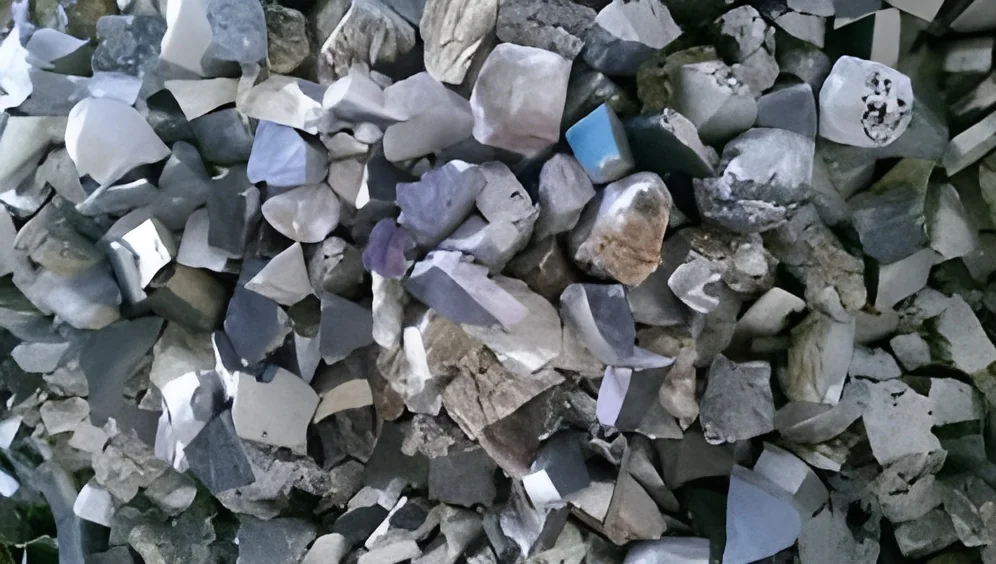
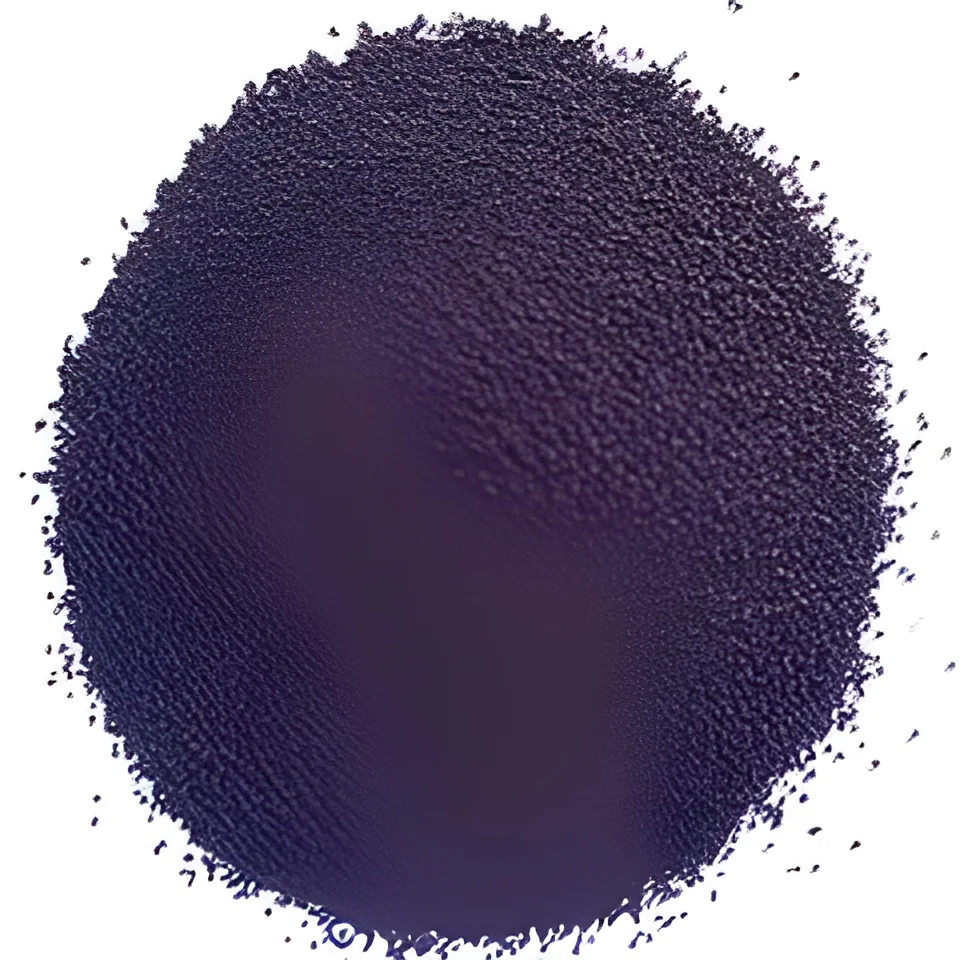
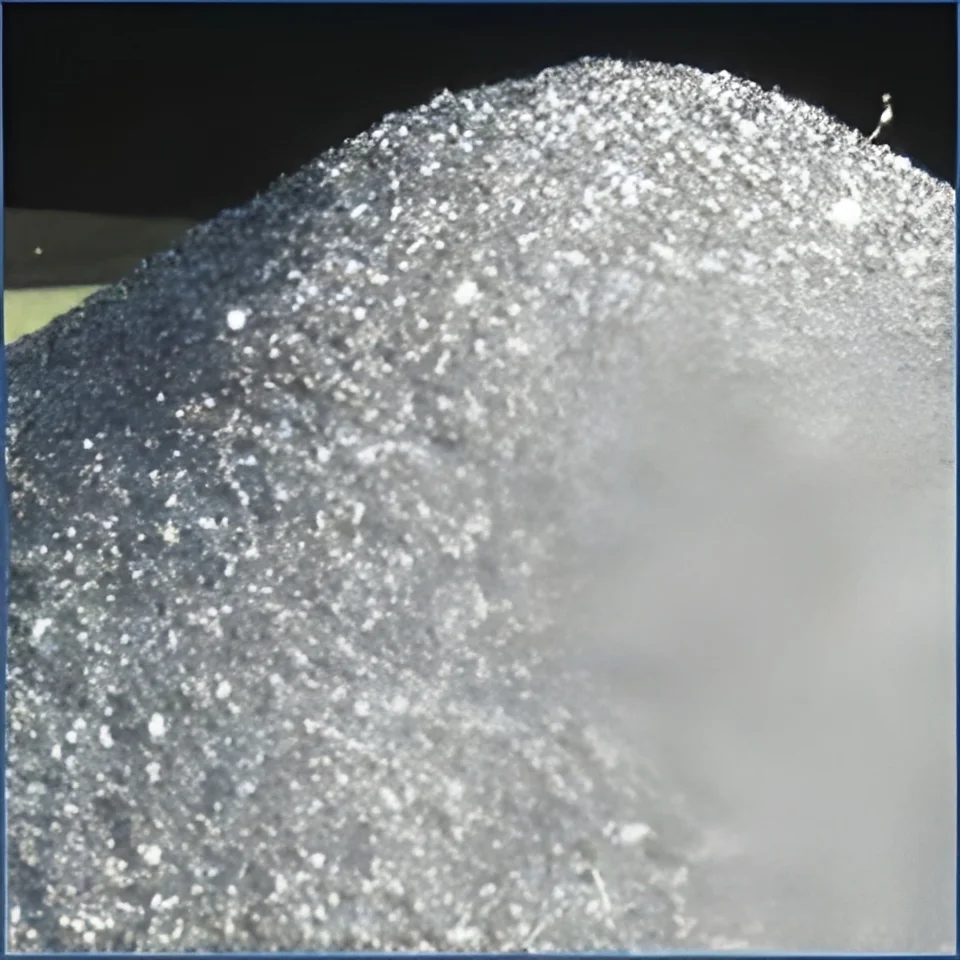
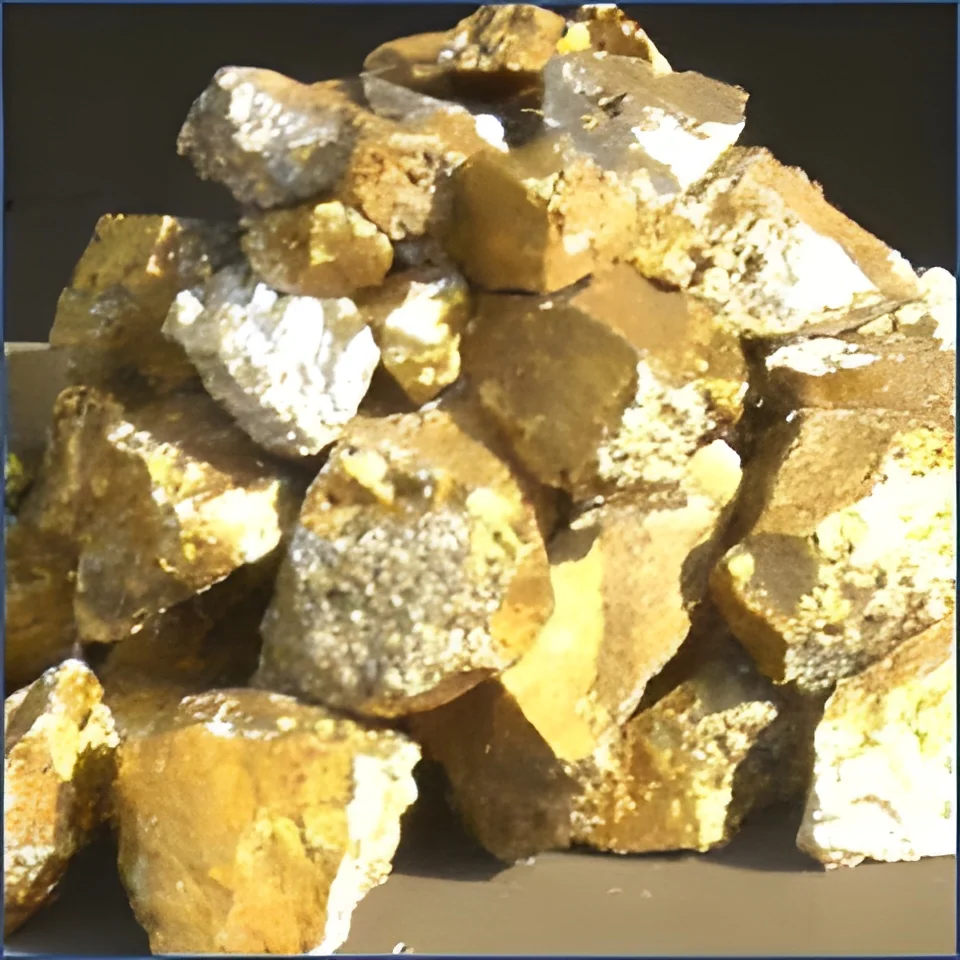
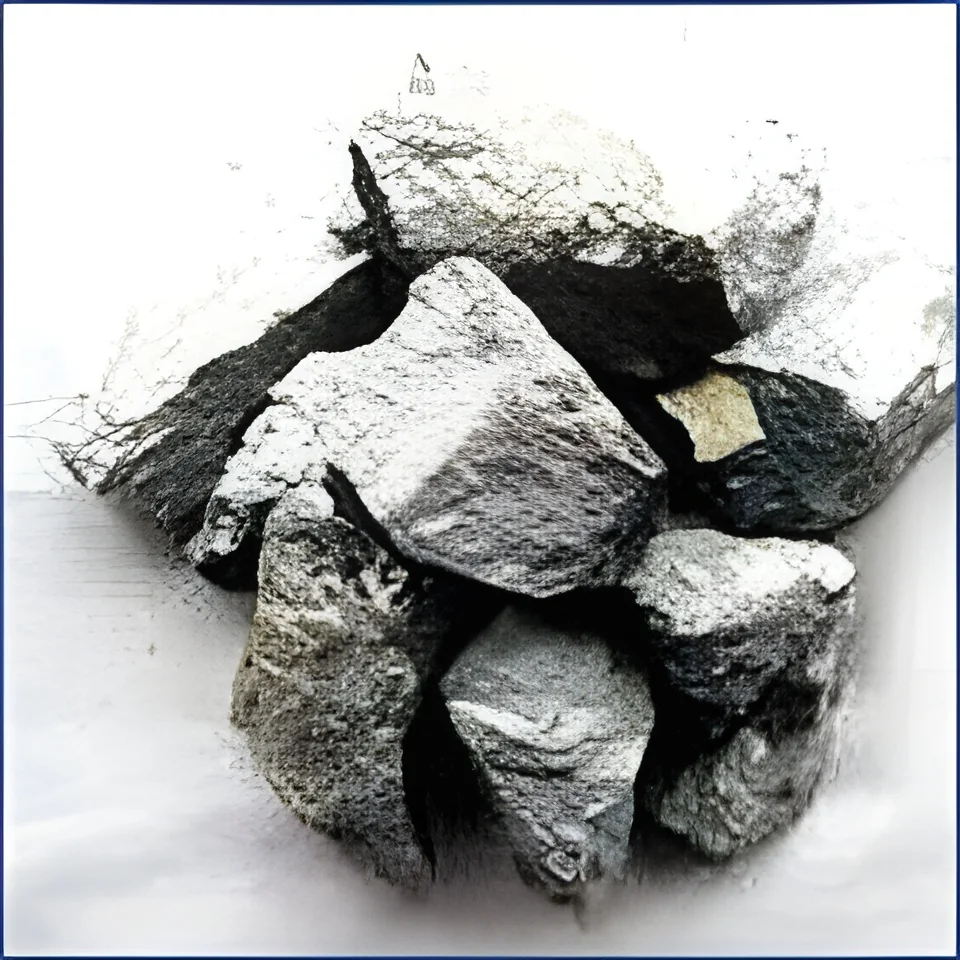
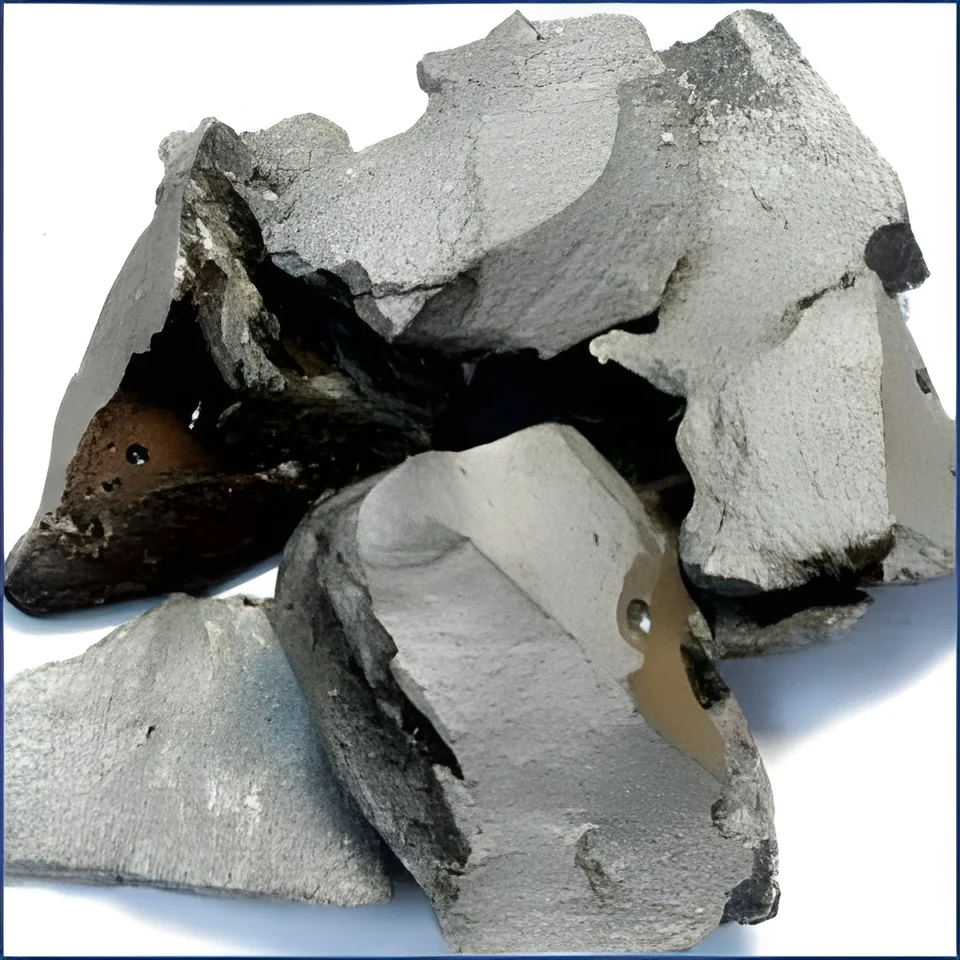
Low and Medium Carbon Ferro Manganese is a precision-engineered ferroalloy specifically formulated for the steel industry. It serves a dual purpose as a powerful deoxidizer and a vital alloying additive. The 'low' and 'medium' carbon designations refer to tightly controlled carbon content ranges, typically between 0.1% to 2.0%, which allows steelmakers to add significant manganese without substantially raising the final steel's carbon level. This high-purity product is manufactured under strict metallurgical processes to ensure consistent chemical composition, minimal impurities like phosphorus and sulfur, and reliable performance in demanding steelmaking environments. Its primary value lies in enabling the production of cleaner, stronger, and more predictable steel grades. This ferroalloy is the backbone of quality steel production across several core industries. In automotive manufacturing, it is used to produce high-strength steel for vehicle frames, suspension systems, and safety c...
Low and Medium Carbon Ferro Manganese is a precision-engineered ferroalloy specifically formulated for the steel industry. It serves a dual purpose as a powerful deoxidizer and a vital alloying additive. The 'low' and 'medium' carbon designations refer to tightly controlled carbon content ranges, typically between 0.1% to 2.0%, which allows steelmakers to add significant manganese without substantially raising the final steel's carbon level. This high-purity product is manufactured under strict metallurgical processes to ensure consistent chemical composition, minimal impurities like phosphorus and sulfur, and reliable performance in demanding steelmaking environments. Its primary value lies in enabling the production of cleaner, stronger, and more predictable steel grades.

This ferroalloy is the backbone of quality steel production across several core industries. In automotive manufacturing, it is used to produce high-strength steel for vehicle frames, suspension systems, and safety cages, where reducing weight while maintaining crashworthiness is paramount. The construction sector depends on it for the structural steel in bridges, high-rise buildings, and stadiums, where material integrity over decades is non-negotiable. Heavy machinery and equipment manufacturers utilize it for components in excavators, cranes, and mining gear that face extreme stress and wear. Furthermore, it is critical for infrastructure projects, including the steel for railways, pipelines, and power transmission towers, where long-term reliability and resistance to environmental factors are essential.

For businesses, this ferro manganese alloy represents a strategic input that directly impacts product quality, operational efficiency, and cost management. Its reliability ensures smooth steelmaking operations, minimizing downtime and processing inconsistencies. By effectively removing oxygen and sulfur, it reduces defects like inclusions and porosity, leading to higher yields and less scrap. The precise carbon control allows for greater flexibility in steel grade production, enabling manufacturers to meet diverse customer specifications with a single, reliable raw material. This consistency builds trust in supply chains, as buyers can depend on uniform performance lot after lot, supporting just-in-time manufacturing and reducing quality control overhead. Ultimately, it delivers value by enhancing the final steel product's performance, longevity, and compliance with international material standards.

Key Features:
- Precisely controlled low to medium carbon content to manage final steel chemistry without excessive carbon pickup.
- High manganese concentration, typically 75-85%, for effective deoxidation, desulfurization, and alloying strength.
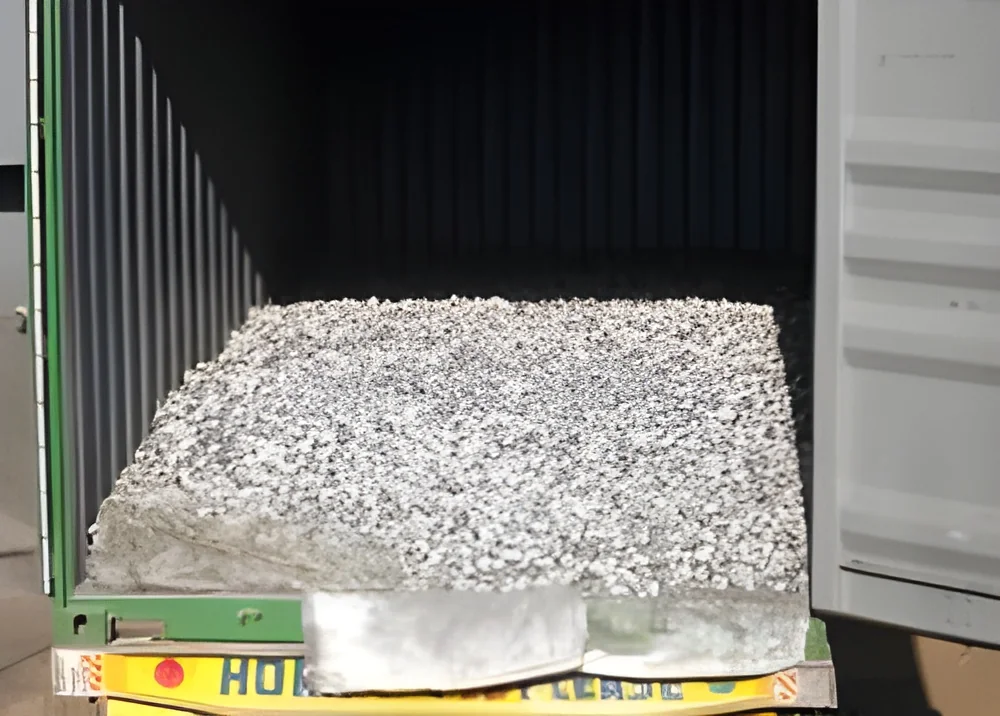
- Consistent chemical composition and granular size, ensuring predictable behavior in steelmaking furnaces.
- Manufactured to meet international standards (IS, ASTM, DIN) with certified analysis for traceability.
- Low levels of impurities such as phosphorus, silicon, and sulfur for superior steel purity and quality.

Benefits:
- Enhances steel strength, toughness, and hardenability, resulting in more durable end products.
- Improves steel cleanliness by removing oxygen and sulfur, which reduces defects and improves weldability.
- Enables production of a wider range of high-value, low-carbon alloy steel grades for specialized applications.
- Increases manufacturing efficiency through consistent performance, leading to stable processes and higher yields.
- Provides reliable supply and quality assurance, reducing risk and supporting long-term production planning.
Specifications
| Additional Information | |
|---|---|
| Country of Origin | India |
| Customisable | No |
Application
Low and medium carbon ferro manganese is a fundamental alloying agent in modern steel production. Its primary function is deoxidation and desulfurization, removing harmful impurities from molten steel to create cleaner, stronger final products. The controlled carbon content is crucial, allowing metallurgists to precisely manage the steel's chemistry without introducing excess carbon, which is essential for producing high-grade alloy steels with specific mechanical properties.
This ferroalloy's consistency makes it invaluable across heavy industries. It directly contributes to the production of high-strength steel used in demanding environments. Manufacturers rely on its predictable performance to achieve uniform material properties batch after batch, ensuring their finished steel products meet rigorous specifications for strength, toughness, and durability in critical applications.
- Deoxidizing agent in electric arc furnace (EAF) and basic oxygen furnace (BOF) steelmaking to remove oxygen and improve steel cleanliness.
- Alloying element in high-strength low-alloy (HSLA) steel for automotive chassis, frames, and safety-critical components.
- Key ingredient in structural steel for skyscrapers, bridges, and industrial buildings requiring superior load-bearing capacity.
- Essential for manufacturing durable railway tracks, heavy-duty mining equipment, and agricultural machinery parts.
- Used in pipeline steel production to enhance weldability and resistance to cracking in oil, gas, and water transmission systems.
Trade Details
| Available Stock | In Stock |
| Sample Availability | No |
Payment Terms
| Payment Terms |
|
Company Profile
Nagpur Pyrolusite Pvt Ltd, Maharashtra
 Maharashtra, India
Maharashtra, IndiaRaw Materials & Chemicals•Manufacturer•Distributor / Wholesaler•Importer / Exporter
Factory Details
Factory SizeBelow 1000 sqm
Annual Production Capacity0
Low Medium Carbon Ferro Manganese Alloy For Steelmaking High Purity
Low Medium Carbon Ferro Manganese Alloy for steelmaking delivers high purity and precise carbon control. This reliable raw material enhances steel strength and quality for manufacturing and construction applications.
Min. Order Quantity: 1 unit
Shipping
Shipping fee and delivery date to be negotiated. Contact supplier now for more details.
Nagpur Pyrolusite Pvt Ltd
 Maharashtra, India
Maharashtra, IndiaRaw Materials & ChemicalsManufacturerDistributor / WholesalerImporter / Exporter