IN
IN₹
Apparel & Fashion
Description
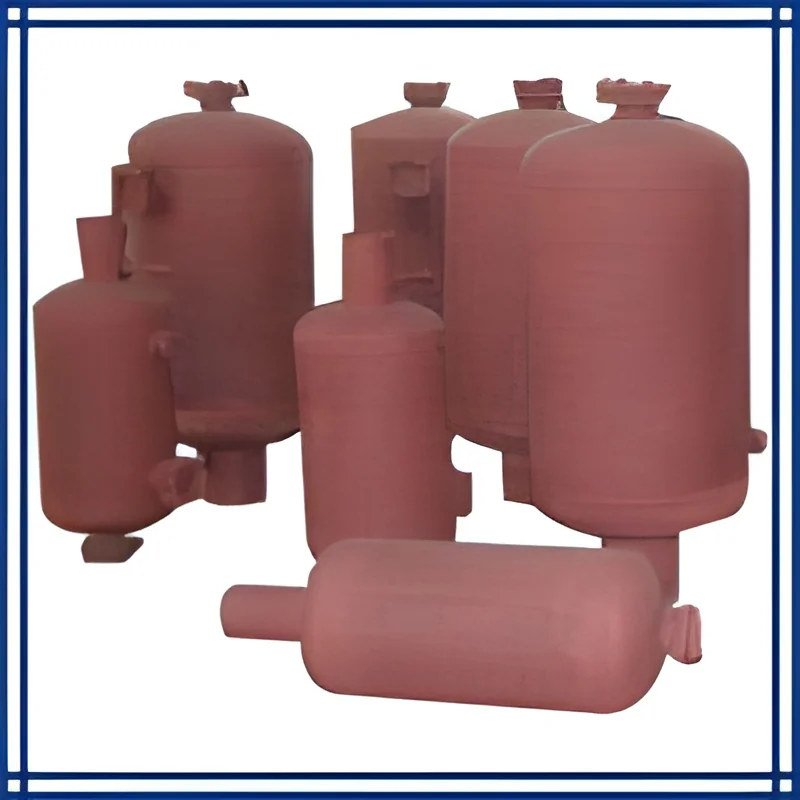
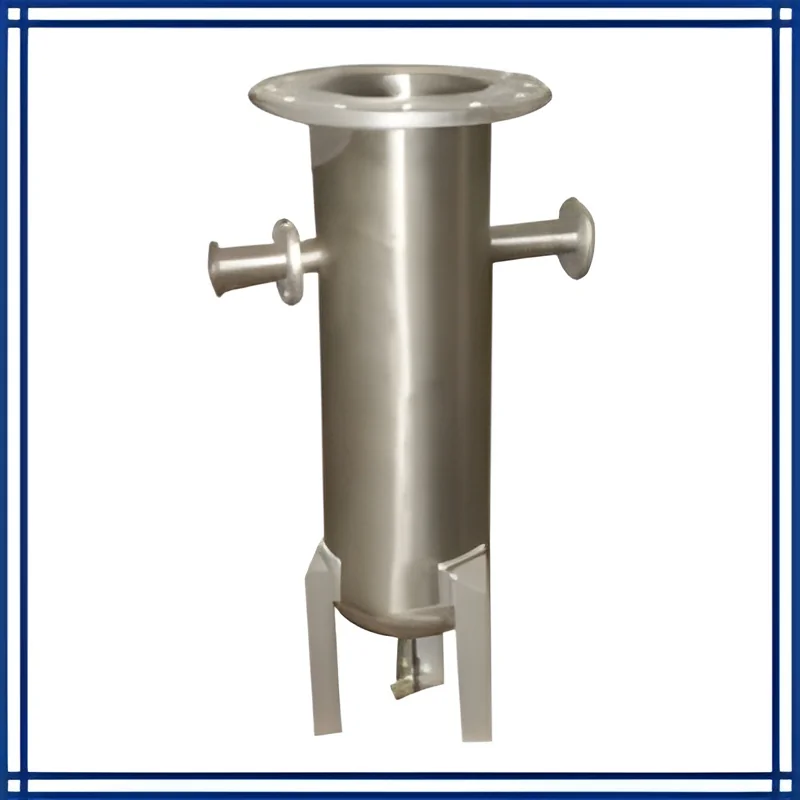
Our industrial liquid strainers are precision-engineered filtration devices designed for seamless integration into pipeline systems carrying steam, water, and petroleum products. Available in both cylindrical and basket-shaped configurations, these strainers are manufactured to fit standard T-type or Y-type housings, providing a robust and reliable method for separating solid impurities from fluid streams. Built from high-grade, corrosion-resistant materials such as stainless steel, monel, and brass, they are constructed to withstand demanding operating conditions including high pressure, temperature extremes, and corrosive media. The primary function is to capture debris, sediment, scale, and other particulates, thereby protecting downstream equipment from damage, reducing wear and tear, and maintaining optimal system efficiency and longevity.

These strainers find essential usage across a wide spectrum of industries where fluid purity and equipment protection are non-negotiable for s...
Our industrial liquid strainers are precision-engineered filtration devices designed for seamless integration into pipeline systems carrying steam, water, and petroleum products. Available in both cylindrical and basket-shaped configurations, these strainers are manufactured to fit standard T-type or Y-type housings, providing a robust and reliable method for separating solid impurities from fluid streams. Built from high-grade, corrosion-resistant materials such as stainless steel, monel, and brass, they are constructed to withstand demanding operating conditions including high pressure, temperature extremes, and corrosive media. The primary function is to capture debris, sediment, scale, and other particulates, thereby protecting downstream equipment from damage, reducing wear and tear, and maintaining optimal system efficiency and longevity.

These strainers find essential usage across a wide spectrum of industries where fluid purity and equipment protection are non-negotiable for safety and productivity. In power generation, they are critical for filtering steam lines to prevent damage to turbines and control valves. Water treatment and distribution facilities utilize them to remove suspended solids, ensuring water quality and protecting pumps. The oil and gas sector relies on them to filter crude oil and refined products, safeguarding pipeline infrastructure. Chemical and pharmaceutical plants employ strainers to maintain the integrity of sensitive processes by eliminating contaminants. Their application extends to manufacturing, marine operations, HVAC systems, and irrigation, highlighting their versatility and indispensable role in maintaining reliable and safe industrial operations.

The inherent business value of these liquid strainers is their direct contribution to operational efficiency and cost reduction. By preventing particulate-induced failures, they significantly minimize unplanned downtime, reduce maintenance frequency and costs, and extend the operational lifespan of expensive capital equipment. Their robust construction from premium materials ensures dependable, long-term performance under challenging conditions, delivering a strong return on investment. The strainers' design for easy integration and reliable operation translates into enhanced system productivity and stability. This focus on durability, protection, and reliability makes them a prudent and valuable investment for operations prioritizing smooth, efficient, and cost-effective fluid management.

Key Features:
- Available in cylindrical or basket-shaped designs to accommodate different pipeline layouts and spatial constraints.
- Engineered for compatibility with standard T-type and Y-type housings for straightforward installation and system integration.
- Manufactured from durable, corrosion-resistant materials including stainless steel, monel, and brass for extended service life.
- Designed to handle high-pressure applications and a wide range of temperatures in steam, water, and petroleum pipelines.
- Built with a focus on reliable impurity separation to protect downstream equipment and maintain system integrity.

Benefits:
- Protects valuable downstream equipment like pumps, valves, and turbines from damage caused by debris and particulates.
- Reduces maintenance costs and frequency by preventing clogging and abrasive wear within the fluid system.
- Minimizes unplanned operational downtime, enhancing overall process continuity and productivity.
- Offers long-term durability and reliable performance even in high-pressure and corrosive environments.
- Ensures system efficiency and longevity by maintaining fluid purity and preventing flow disruptions.
Specifications
| Additional Information | |
|---|---|
| Country of Origin | India |
Application
Industrial liquid strainers are vital protective components installed within pipeline networks to capture debris, sediment, and particulates from flowing fluids. Their primary function is to safeguard sensitive downstream equipment such as pumps, valves, meters, and turbines from damage caused by abrasive or clogging impurities. By maintaining fluid purity, they ensure operational continuity, reduce the frequency of maintenance interventions, and prevent costly unplanned shutdowns across various industrial processes.
These robust strainers are engineered to perform reliably in demanding environments, handling high pressures, corrosive media, and extreme temperatures common in heavy industries. Constructed from durable materials like stainless steel, monel, and brass, they offer long service life and consistent filtration integrity. Their design compatibility with standard T-type and Y-type housings allows for straightforward integration into new installations or existing system upgrades, providing a versatile solution for critical filtration needs.
- Protecting steam traps, control valves, and turbines in power generation plants by removing scale, rust, and solid particles from steam lines.
- Filtering suspended solids and debris from cooling water and process water systems in manufacturing, chemical plants, and HVAC applications.
- Safeguarding pumps, compressors, and meters in oil and gas pipelines by straining particulates from crude oil, refined petroleum products, and natural gas streams.
- Ensuring product purity and reaction integrity in pharmaceutical and food processing by removing contaminants from process fluids and ingredient lines.
- Preventing nozzle blockages and maintaining flow efficiency in irrigation systems, water supply networks, and marine engine cooling circuits.
Trade Details
| Available Stock | In Stock |
| Sample Availability | No |
Payment Terms
| Payment Terms |
|
Company Profile
Lnt Industrial Engineering Services, Maharashtra
 Maharashtra, India
Maharashtra, IndiaIndustrial Equipment & Machinery•Manufacturer•Distributor / Wholesaler•Importer / Exporter
Factory Details
Factory SizeBelow 1000 sqm
Annual Production Capacity0
Industrial Liquid Strainers For Steam Water Petroleum Pipelines
Premium industrial liquid strainers for steam, water, and petroleum pipelines. Cylindrical or basket shape design fits T-type or Y-type housings to efficiently separate impurities, ensuring system protection and reliability.
Min. Order Quantity: 1 unit
Shipping
Shipping fee and delivery date to be negotiated. Contact supplier now for more details.
Lnt Industrial Engineering Services
 Maharashtra, India
Maharashtra, IndiaIndustrial Equipment & MachineryManufacturer