IN
₹
Apparel & Fashion

Description
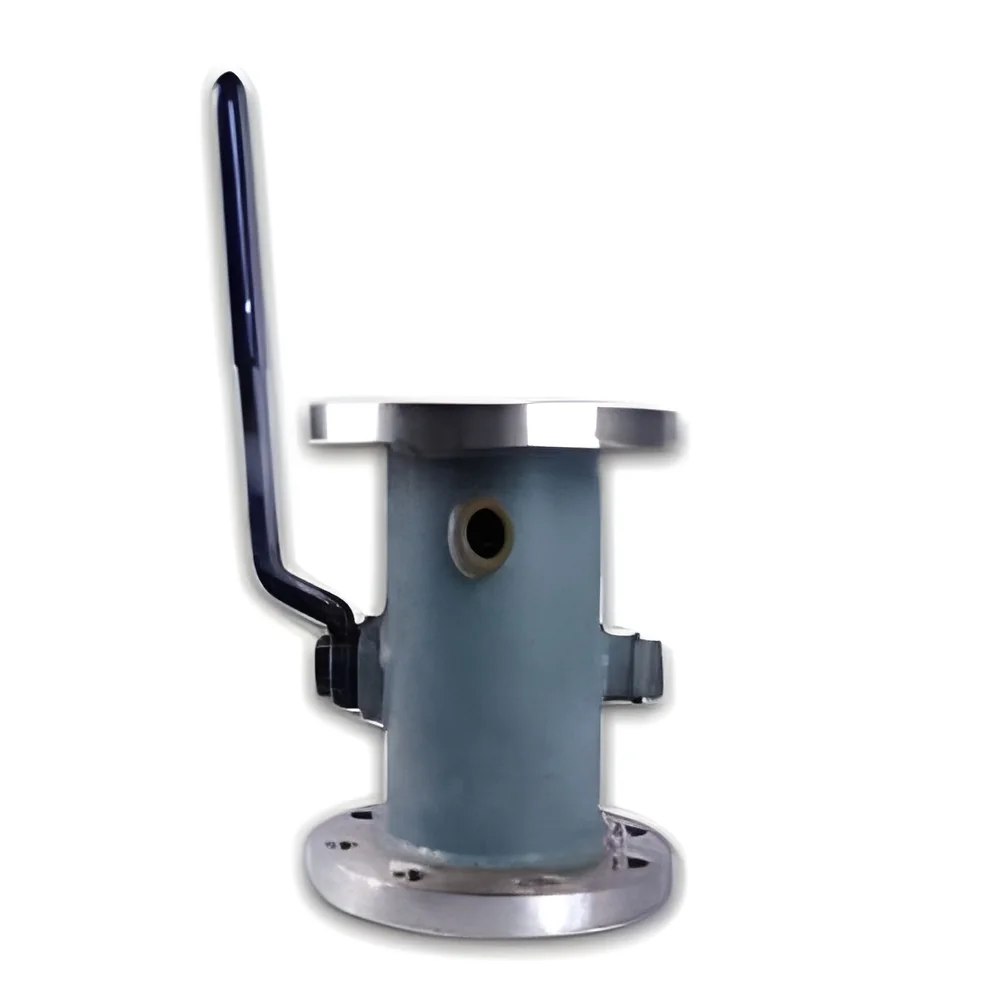
Industrial lined ball valves represent engineered solutions for managing corrosive fluids where traditional metal valves prove insufficient. These specialized valves feature robust internal linings crafted from chemically resistant materials that endure aggressive media attack while maintaining structural integrity. The ball valve design delivers quick quarter-turn operation with reliable shut-off capabilities, manufactured using superior raw materials to ensure zero leakage and smooth performance even after extended exposure to challenging conditions. The lining materials are specifically chosen based on chemical compatibility needs for different applications, offering protection against corrosion, abrasion, and chemical degradation in demanding industrial environments where fluid purity and system safety cannot be compromised.

These valves perform critical functions across multiple industries that handle corrosive, abrasive, or purity-sensitive fluids. The chemical processing indust...
Industrial lined ball valves represent engineered solutions for managing corrosive fluids where traditional metal valves prove insufficient. These specialized valves feature robust internal linings crafted from chemically resistant materials that endure aggressive media attack while maintaining structural integrity. The ball valve design delivers quick quarter-turn operation with reliable shut-off capabilities, manufactured using superior raw materials to ensure zero leakage and smooth performance even after extended exposure to challenging conditions. The lining materials are specifically chosen based on chemical compatibility needs for different applications, offering protection against corrosion, abrasion, and chemical degradation in demanding industrial environments where fluid purity and system safety cannot be compromised.

These valves perform critical functions across multiple industries that handle corrosive, abrasive, or purity-sensitive fluids. The chemical processing industry relies on them for transferring acids, caustics, and solvents where metal compatibility issues would cause rapid valve failure. Water treatment facilities use them extensively for managing chlorinated water, chemical dosing systems, and aggressive industrial effluents. Pharmaceutical and biotechnology plants utilize lined ball valves in applications needing contamination-free fluid transfer and clean-in-place systems. Mining and mineral processing operations depend on them for abrasive slurry handling and leaching processes, while industrial manufacturing plants install them in chemical feed lines and waste treatment systems where chemical resistance is vital for operational safety and process efficiency.

The business value of industrial lined ball valves lies in their exceptional reliability and reduced total cost of ownership through extended service life and minimal maintenance requirements. These valves significantly decrease operational downtime by providing durable performance in conditions that would quickly destroy conventional valves. Their robust construction translates to fewer replacements and lower maintenance costs over time, while the specialized lining materials ensure consistent performance without degradation. The weather-resistant design and high impact strength make them suitable for both indoor and outdoor installations across various climatic conditions, providing versatile application possibilities while maintaining operational safety and process integrity in challenging industrial environments where valve failure could result in substantial production losses or safety hazards.

Key Features:
- Superior chemical resistance lining for handling corrosive fluids
- High tensile strength construction for durable performance
- Weather resistant design suitable for outdoor installations
- High melting point materials for elevated temperature applications
- Excellent impact strength for handling abrasive media and pressure surges

Benefits:
- Extended service life in corrosive environments reducing replacement frequency
- Minimal maintenance requirements lowering operational costs
- Reliable leak-proof performance ensuring process safety
- Versatile application across various industries and conditions
- Consistent operation maintaining process efficiency and productivity
Specifications
| Additional Information | |
|---|---|
| Country of Origin | India |
Application
Industrial lined ball valves deliver essential protection in systems managing aggressive chemicals where ordinary metal components degrade rapidly. Their specialized lining materials withstand corrosion from acids, alkalis, and solvents while preserving structural integrity under pressure. These valves guarantee leak-proof operation and smooth flow control in challenging industrial settings where safety and dependability are crucial for continuous processing and hazardous material management across multiple sectors.
These valves support varied industries requiring chemical-resistant fluid control solutions for their processing systems. Chemical facilities employ them for transferring corrosive media while water treatment plants depend on them for managing aggressive effluents. Pharmaceutical producers install them in purity-sensitive systems, and mining operations count on them for abrasive slurry applications. The sturdy construction and specialized lining make these valves appropriate for both indoor and outdoor installations in diverse environmental conditions while delivering consistent performance.
- Chemical processing facilities for acid, solvent, and corrosive chemical transfer systems
- Water treatment plants handling chlorinated water and chemical dosing applications
- Pharmaceutical manufacturing for high-purity fluid systems and sterile processing
- Mining and mineral processing operations for abrasive slurry and leaching solutions
- Industrial manufacturing facilities for chemical feed lines and waste treatment systems
Trade Details
| Available Stock | In Stock |
| Sample Availability | No |
Payment Terms
| Payment Terms |
|
Company Profile

Xtreme Valves, Tamil Nadu
 Tamil Nadu, India
Industrial Equipment & Machinery•Manufacturer•Distributor / Wholesaler•Importer / Exporter
Factory Details
Factory SizeBelow 1000 sqm
Annual Production Capacity0
Main Markets
Mid East
Eastern Asia
Industrial Lined Ball Valves For Corrosive Fluid Control
Industrial lined ball valves provide superior chemical resistance for corrosive fluid control. These durable valves offer reliable performance where standard metal valves fail, manufactured with premium materials for demanding industrial environments.
Min. Order Quantity: 1 unit
Shipping
Shipping fee and delivery date to be negotiated. Contact supplier now for more details.
Xtreme Valves
 Tamil Nadu, India
Industrial Equipment & MachineryManufacturer