IN
₹
Apparel & Fashion
Description
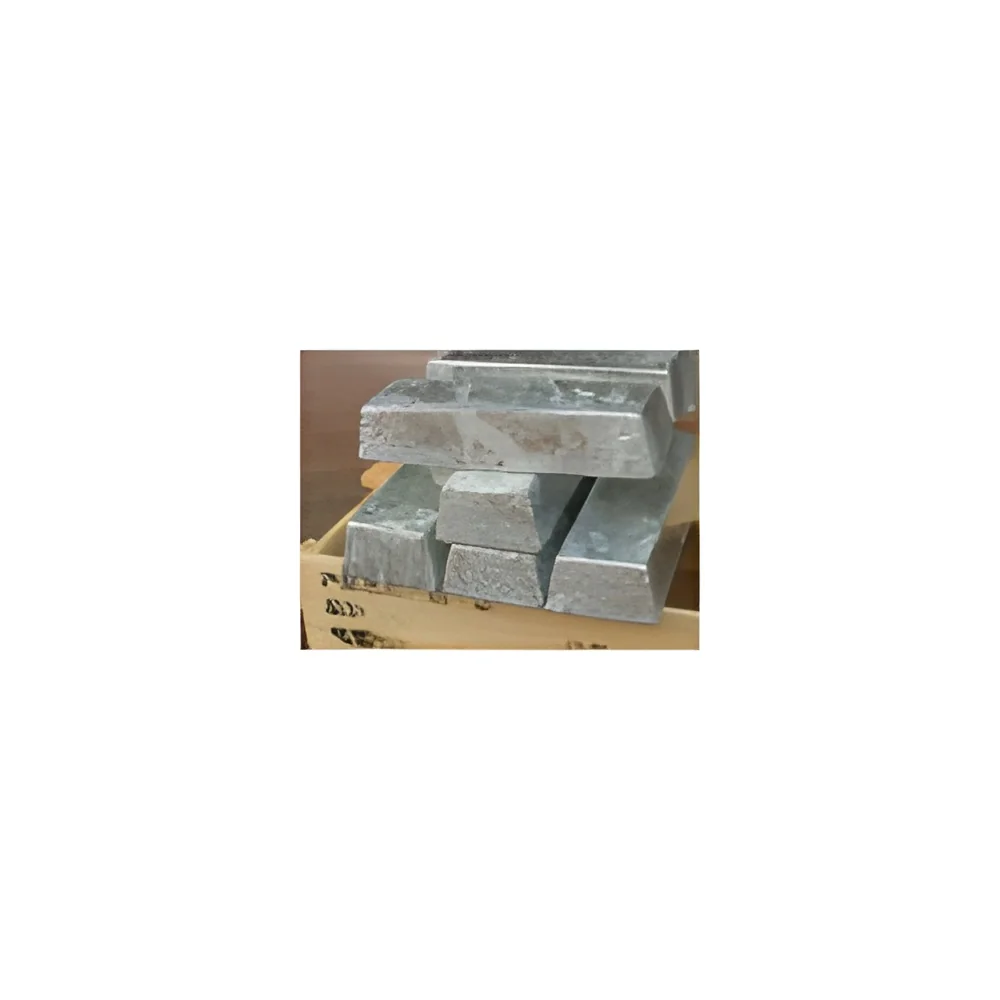
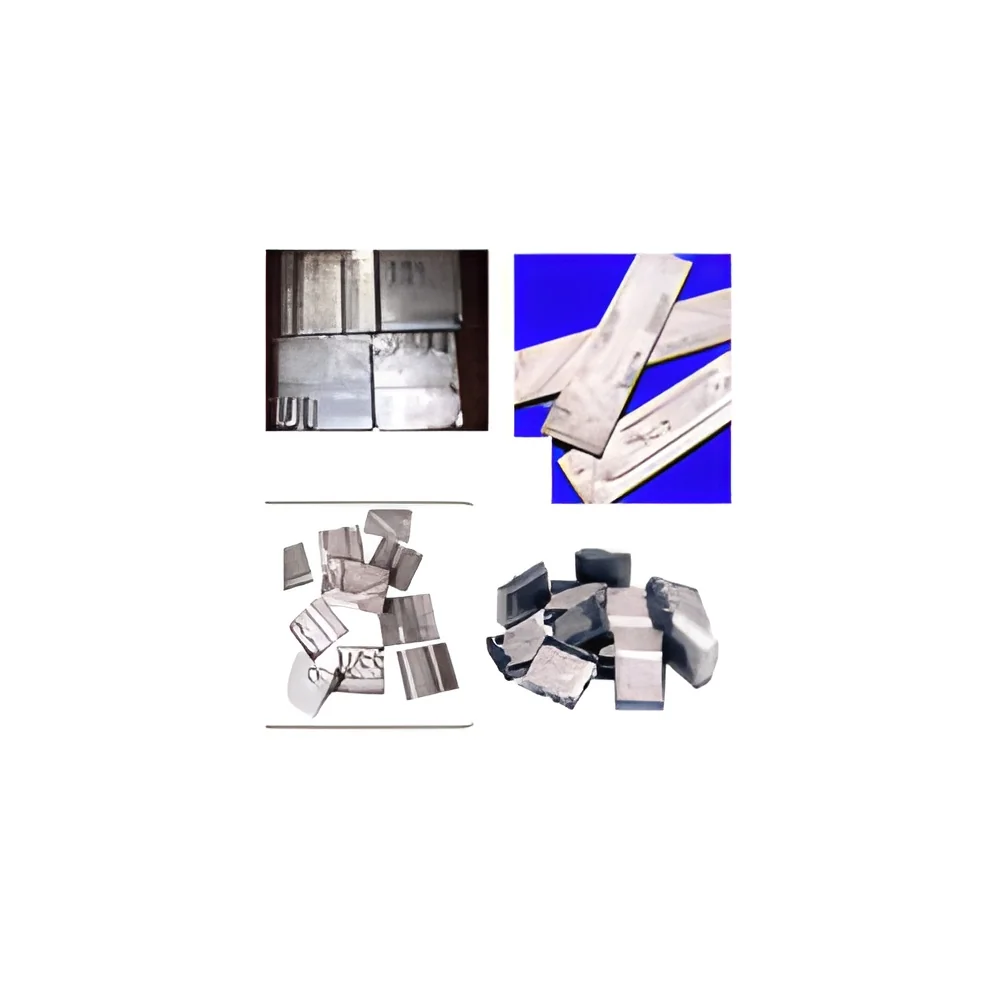
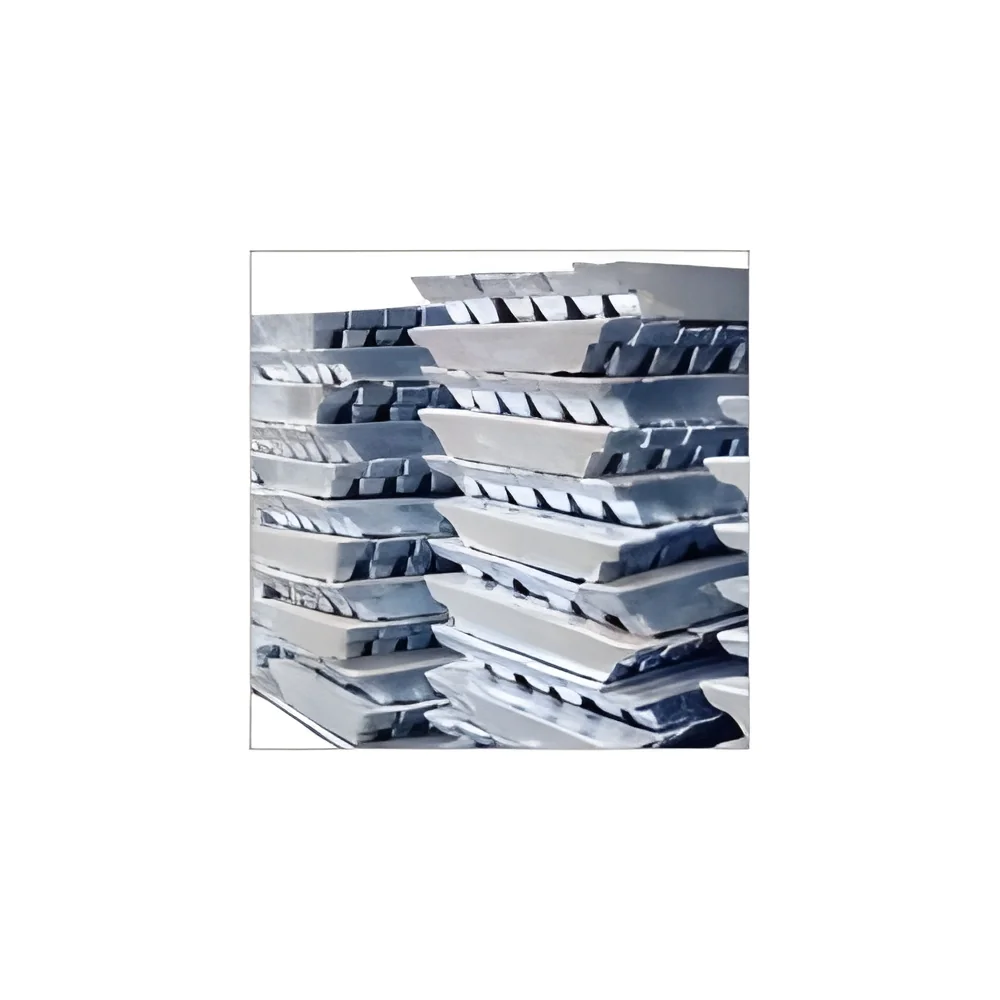
Our Industrial Electroplating Lead Anodes are precision-engineered components designed for demanding metal finishing applications. Manufactured from high-purity lead, these anodes provide exceptional corrosion resistance and consistent electrical conductivity in aggressive plating solutions. They ensure uniform metal deposition rates and stable performance across extended production runs, reducing process variability and improving finish quality. Their robust construction maintains structural integrity in various chemical baths, offering manufacturers a reliable solution for both high-volume operations and specialized plating requirements.

These lead anodes serve critical functions across multiple manufacturing sectors. The automotive industry utilizes them for plating engine components, fasteners, and decorative trim to prevent corrosion and enhance appearance. Aerospace manufacturers depend on them for precision plating of landing gear, turbine parts, and structural components requi...
Our Industrial Electroplating Lead Anodes are precision-engineered components designed for demanding metal finishing applications. Manufactured from high-purity lead, these anodes provide exceptional corrosion resistance and consistent electrical conductivity in aggressive plating solutions. They ensure uniform metal deposition rates and stable performance across extended production runs, reducing process variability and improving finish quality. Their robust construction maintains structural integrity in various chemical baths, offering manufacturers a reliable solution for both high-volume operations and specialized plating requirements.

These lead anodes serve critical functions across multiple manufacturing sectors. The automotive industry utilizes them for plating engine components, fasteners, and decorative trim to prevent corrosion and enhance appearance. Aerospace manufacturers depend on them for precision plating of landing gear, turbine parts, and structural components requiring exact thickness control. Electronics producers employ them in plating circuit boards, connectors, and semiconductor components where conductivity and reliability are paramount. Heavy equipment manufacturers use them to coat hydraulic components, cutting tools, and industrial machinery parts for extended service life. The marine and defense sectors also rely on these anodes for protecting equipment against environmental degradation.

The business value of these lead anodes lies in their proven reliability and operational efficiency. Manufacturers benefit from reduced chemical consumption through consistent anode performance, leading to significant cost savings over time. Their extended service life minimizes production interruptions for anode replacement, supporting continuous manufacturing schedules. The consistent plating results reduce rework rates and quality rejections, improving overall production yield. Their compatibility with existing plating systems ensures easy integration without requiring process modifications. This reliability provides procurement specialists and production managers with confidence in their plating operations' consistency and output quality.

Key Features:
- High-purity lead composition ensuring consistent plating performance and metal deposition
- Superior corrosion resistance for longevity in aggressive chemical plating solutions
- Excellent electrical conductivity enabling efficient and uniform metal distribution
- Robust construction designed for durability and extended service life in industrial settings
- Consistent dimensional stability maintaining performance across continuous production cycles

Benefits:
- Reduced operational costs through extended anode life and lower chemical consumption
- Improved production efficiency with consistent plating results and minimal process variability
- Enhanced product quality with uniform coating thickness and superior finish appearance
- Reduced maintenance downtime due to reliable performance in demanding environments
- Compatibility with existing plating systems ensuring easy integration and process continuity
Specifications
| Additional Information | |
|---|---|
| Country of Origin | India |
Application
These high-purity lead anodes are engineered for industrial electroplating processes where consistent metal deposition is critical. Their excellent conductivity and corrosion resistance ensure reliable performance in harsh chemical baths, maintaining plating quality across continuous production cycles. This makes them essential for operations where downtime is costly and finish consistency is non-negotiable.
Industries ranging from automotive to electronics rely on these anodes for precise plating thickness control and uniform coating distribution. They enable manufacturers to meet strict quality standards for durability and appearance, supporting the production of components that withstand demanding operational environments. Their performance directly impacts the longevity and reliability of the finished plated parts.
- Automotive component plating for corrosion protection and enhanced surface durability
- Aerospace part finishing to improve wear resistance and meet stringent specifications
- Electronics manufacturing for precise copper, nickel, and tin plating on connectors and circuits
- Industrial machinery coating to extend service life and reduce maintenance frequency
- Marine equipment protection against saltwater corrosion in harsh maritime environments
Trade Details
| Available Stock | In Stock |
| Sample Availability | No |
Payment Terms
| Payment Terms |
|
Company Profile
A. S. Joshi & Company, Maharashtra
 Maharashtra, India
Distributor / Wholesaler•Importer / Exporter
Factory Details
Factory SizeBelow 1000 sqm
Annual Production Capacity0
Industrial Electroplating Lead Anodes High Purity Corrosion Resistant
Industrial Electroplating Lead Anodes offer high purity and corrosion resistance for reliable metal finishing. Trusted by manufacturers for consistent performance in demanding plating applications.
Min. Order Quantity: 1 unit
Shipping
Shipping fee and delivery date to be negotiated. Contact supplier now for more details.
A. S. Joshi & Company
 Maharashtra, India
Distributor / Wholesaler