IN
IN₹
Apparel & Fashion
Description
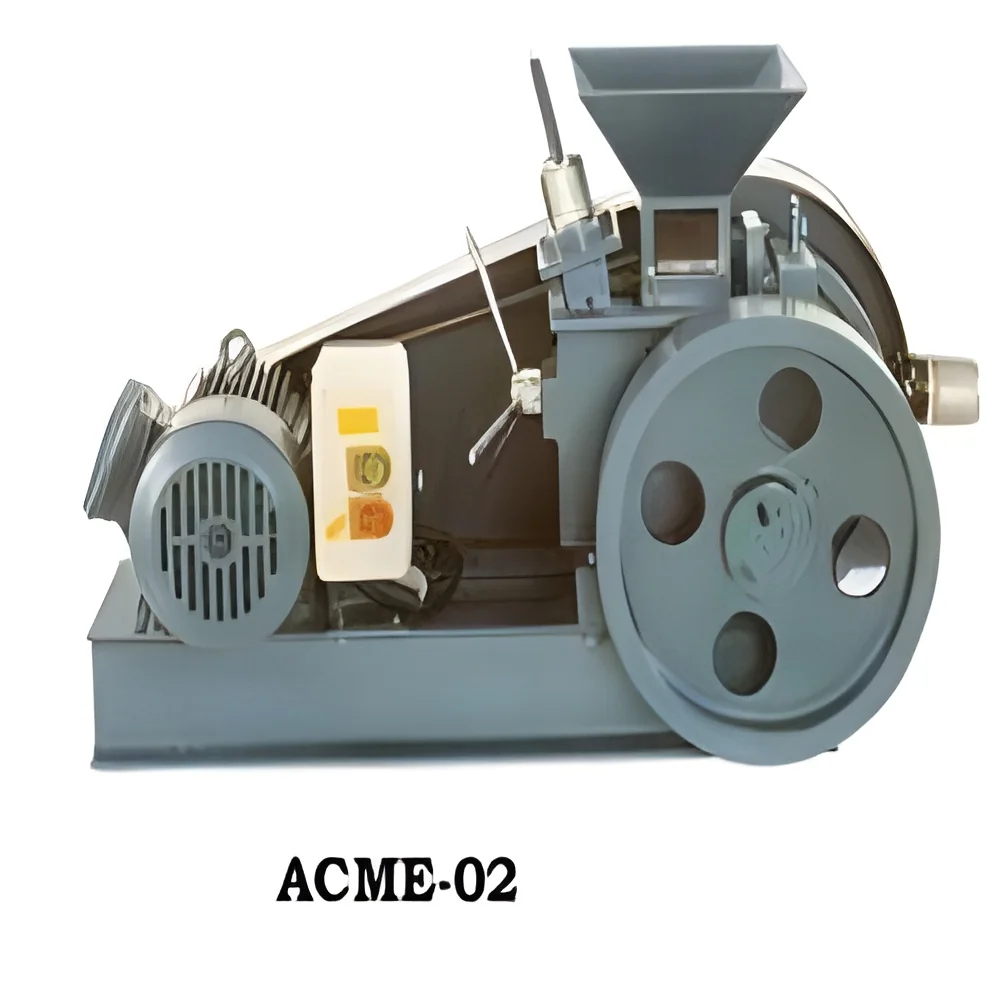
Laboratory Jaw Crushers represent precision engineering at its finest, designed specifically for efficient reduction of hard, brittle materials in controlled laboratory environments. These robust instruments feature a fixed jaw and movable jaw mechanism that generates compressive force to break samples into uniform particles with exceptional consistency. Built with durability as a primary consideration, they effortlessly process various materials including rocks, minerals, ceramics, and construction aggregates. The crusher's straightforward yet highly effective operational principle guarantees consistent particle size distribution, which forms the foundation for accurate analytical outcomes. Laboratories worldwide depend on these crushers for sample preparation that consistently meets and exceeds international standards for testing protocols and quality control procedures.

This essential equipment serves critical functions across diverse industrial sectors including mining operations,...
Laboratory Jaw Crushers represent precision engineering at its finest, designed specifically for efficient reduction of hard, brittle materials in controlled laboratory environments. These robust instruments feature a fixed jaw and movable jaw mechanism that generates compressive force to break samples into uniform particles with exceptional consistency. Built with durability as a primary consideration, they effortlessly process various materials including rocks, minerals, ceramics, and construction aggregates. The crusher's straightforward yet highly effective operational principle guarantees consistent particle size distribution, which forms the foundation for accurate analytical outcomes. Laboratories worldwide depend on these crushers for sample preparation that consistently meets and exceeds international standards for testing protocols and quality control procedures.

This essential equipment serves critical functions across diverse industrial sectors including mining operations, metallurgical processing, construction materials manufacturing, chemical production, and advanced research institutions. In mining and geological applications, Laboratory Jaw Crushers prepare samples for comprehensive mineral content analysis and detailed exploration assays. Metallurgical laboratories utilize them for reducing metal ores and specialized alloys to appropriate sizes for thorough composition testing. Construction material manufacturers depend on these crushers for processing aggregates and cement samples to verify quality specifications. Research institutions and universities incorporate them into material science studies and rigorous quality assurance programs, establishing these crushers as indispensable tools for any facility demanding precise, repeatable sample preparation methodologies.

Investing in a Laboratory Jaw Crusher delivers substantial business value through enhanced testing accuracy, reduced processing time, and improved operational efficiency. These crushers incorporate premium materials and precision engineering to ensure long-term reliability with minimal maintenance requirements. The robust construction guarantees consistent performance even under demanding usage conditions, translating to reduced operational downtime and lower total cost of ownership. This reliability makes the equipment a strategic investment for laboratories prioritizing quality outcomes and operational efficiency, providing peace of mind through dependable performance that supports critical business decisions and quality assurance initiatives.

Key Features:
- Heavy-duty construction utilizing durable materials for extended operational lifespan
- Precision jaw alignment system ensuring consistent particle size reduction
- Adjustable settings accommodating various material types and size specifications
- Simplified cleaning design with minimal maintenance requirements
- Comprehensive safety features including overload protection mechanisms

Benefits:
- Enhanced testing accuracy through consistent particle size distribution
- Reduced processing time leading to improved laboratory efficiency
- Long-term reliability minimizing operational downtime and maintenance costs
- Versatile performance across multiple material types and applications
- Compliance with international standards for sample preparation and testing
Specifications
| Additional Information | |
|---|---|
| Country of Origin | India |
Application
Laboratory Jaw Crushers efficiently reduce hard, brittle materials into uniform particles for accurate analysis across multiple industries. These robust machines handle rocks, minerals, ceramics, and construction aggregates with consistent performance, making them essential for laboratories requiring precise sample preparation that meets international testing standards and quality assurance protocols.
Mining operations, metallurgical plants, construction material manufacturers, and research institutions rely on these crushers for representative sample preparation. The equipment ensures consistent particle size distribution critical for testing material composition, strength properties, and quality parameters. This reliability supports compliance with industry standards while delivering the accuracy needed for meaningful analytical results and informed decision-making processes.
- Mineral sample preparation for geological exploration and assay analysis
- Aggregate size reduction for construction material quality testing
- Ceramic and raw material processing in industrial research laboratories
- Metallurgical sample preparation for composition and purity verification
- Pharmaceutical and chemical product processing for laboratory analysis
Trade Details
| Available Stock | In Stock |
| Sample Availability | No |
Payment Terms
| Payment Terms |
|
Company Profile

ACME Scientific International, New Delhi
 New Delhi, India
New Delhi, IndiaManufacturer•Distributor / Wholesaler•Importer / Exporter
Factory Details
Factory SizeBelow 1000 sqm
Annual Production Capacity0
Laboratory Jaw Crusher for Mining Metallurgy Research Sample Preparation
Laboratory Jaw Crusher delivers precise particle size reduction for mining, metallurgy, and research sample preparation. Robust construction ensures reliable performance in quality control labs and R&D facilities requiring accurate, repeatable results.
Min. Order Quantity: 1 unit
Shipping
Shipping fee and delivery date to be negotiated. Contact supplier now for more details.
ACME Scientific International
 New Delhi, India
New Delhi, IndiaManufacturer