IN
₹
Apparel & Fashion
Description
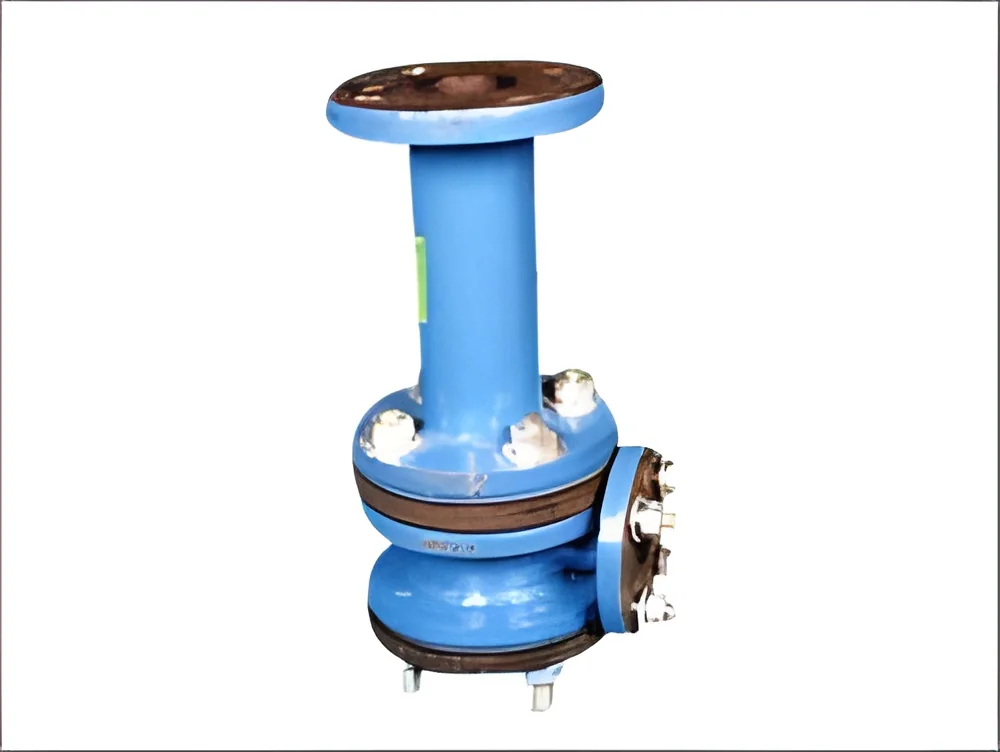
Industrial jet ejectors represent precision fluid handling technology that operates without mechanical components, utilizing the Venturi effect to create vacuum or pressure. These devices convert motive fluid pressure into velocity energy, generating a low-pressure zone that draws in and entrains suction fluid. The combined stream discharges at intermediate pressure, accomplishing fluid transfer, mixing, or evacuation functions. Their simplicity delivers remarkable reliability in demanding industrial environments where conventional equipment fails. Manufactured from corrosion-resistant materials including stainless steel, Hastelloy, PVC, and PTFE, they handle everything from ultrapure water to concentrated acids. This material adaptability makes them indispensable across sectors where corrosion, abrasion, or maintenance requirements limit traditional pump applications.

Chemical processing industries extensively utilize jet ejectors for handling aggressive media where seal leakage pres...
Industrial jet ejectors represent precision fluid handling technology that operates without mechanical components, utilizing the Venturi effect to create vacuum or pressure. These devices convert motive fluid pressure into velocity energy, generating a low-pressure zone that draws in and entrains suction fluid. The combined stream discharges at intermediate pressure, accomplishing fluid transfer, mixing, or evacuation functions. Their simplicity delivers remarkable reliability in demanding industrial environments where conventional equipment fails. Manufactured from corrosion-resistant materials including stainless steel, Hastelloy, PVC, and PTFE, they handle everything from ultrapure water to concentrated acids. This material adaptability makes them indispensable across sectors where corrosion, abrasion, or maintenance requirements limit traditional pump applications.

Chemical processing industries extensively utilize jet ejectors for handling aggressive media where seal leakage presents safety hazards. Pharmaceutical manufacturers employ them for sterile fluid transfer and vacuum applications in purification processes requiring contamination-free operation. Water treatment facilities rely on ejectors for aeration, chemical dosing, and degassing operations in municipal and industrial plants. The power generation sector installs them for condenser evacuation and ash handling systems where reliability is critical. Food processing operations value ejectors for hygienic transfer of viscous products and cleaning solutions without contamination risk. Mining and mineral processing operations deploy wear-resistant ejectors for abrasive slurry transfer in challenging environments. These diverse applications demonstrate the ejector's fundamental role in industrial processes where reliability and material compatibility are paramount.

Businesses selecting jet ejectors gain significant operational advantages through reduced maintenance costs and minimized downtime. Without motors, bearings, or mechanical seals, these units operate for years without intervention beyond initial installation. The absence of electrical components makes them intrinsically safe for explosive atmospheres and reduces energy infrastructure requirements. Their straightforward installation between standard pipe flanges minimizes engineering and commissioning time while eliminating special foundation needs. This combination of reliability, safety, and simplicity provides exceptional long-term value compared to complex mechanical alternatives that require regular maintenance, spare parts inventories, and specialized repair expertise. The robust construction ensures continuous operation even in the most demanding industrial environments.

Key Features:
- No moving parts design eliminates mechanical wear and prevents seal leakage completely
- Corrosion-resistant construction using specialized metals and engineered plastics
- Simple installation between standard pipe flanges without special foundations
- Customizable connection types and materials for specific process requirements
- Capability to handle abrasive, corrosive, and high-temperature fluids reliably

Benefits:
- Maintenance-free operation reduces downtime and eliminates repair costs
- Long service life with consistent performance in demanding conditions
- Safe operation in hazardous areas without electrical components
- Easy installation saves time and reduces commissioning complexity
- Reliable handling of challenging fluids without performance degradation
Specifications
| Additional Information | |
|---|---|
| Country of Origin | India |
Application
Jet ejectors deliver reliable fluid handling across demanding industries through their no-moving-parts design. They create vacuum or pressure using fluid momentum transfer, making them ideal for corrosive, abrasive, or hazardous media where traditional pumps fail. Their robust construction ensures maintenance-free operation in challenging environments without electrical power requirements, providing consistent performance where reliability matters most.
These ejectors serve critical functions in chemical processing, pharmaceutical manufacturing, water treatment, and power generation facilities. They safely transfer aggressive chemicals, evacuate gases from systems, mix multiple streams efficiently, and handle erosive slurries without performance degradation. Their versatile design accommodates various flow rates and connection types to match specific application needs while maintaining operational integrity in harsh conditions.
- Evacuating air and gases from chemical reactors to maintain precise vacuum conditions during processing
- Transferring corrosive acids and alkalis in chemical manufacturing without pump seals or leakage risks
- Mixing multiple fluid streams in pharmaceutical production with sterile, contamination-free operation
- Aerating wastewater in treatment plants using liquid motive flow to create vacuum for oxygen injection
- Handling abrasive slurries in mining and mineral processing with wear-resistant material construction
Trade Details
| Available Stock | In Stock |
| Sample Availability | No |
Payment Terms
| Payment Terms |
|
Company Profile
Amit Engineering Systems, Maharashtra
 Maharashtra, India
Industrial Equipment & Machinery•Manufacturer•Trading Company•Importer / Exporter
Factory Details
Factory SizeBelow 1000 sqm
Annual Production Capacity0
Main Markets
South Asia
Industrial Jet Ejectors For Corrosive Fluids No Moving Parts
Industrial jet ejectors handle corrosive fluids with no moving parts for reliable operation. These durable units install like standard pipe fittings and resist chemical attack in demanding industrial applications.
Min. Order Quantity: 1 unit
Shipping
Shipping fee and delivery date to be negotiated. Contact supplier now for more details.
Amit Engineering Systems
 Maharashtra, India
Industrial Equipment & MachineryManufacturer