IN
IN₹
Apparel & Fashion
Loading subcategories...
View More
Description
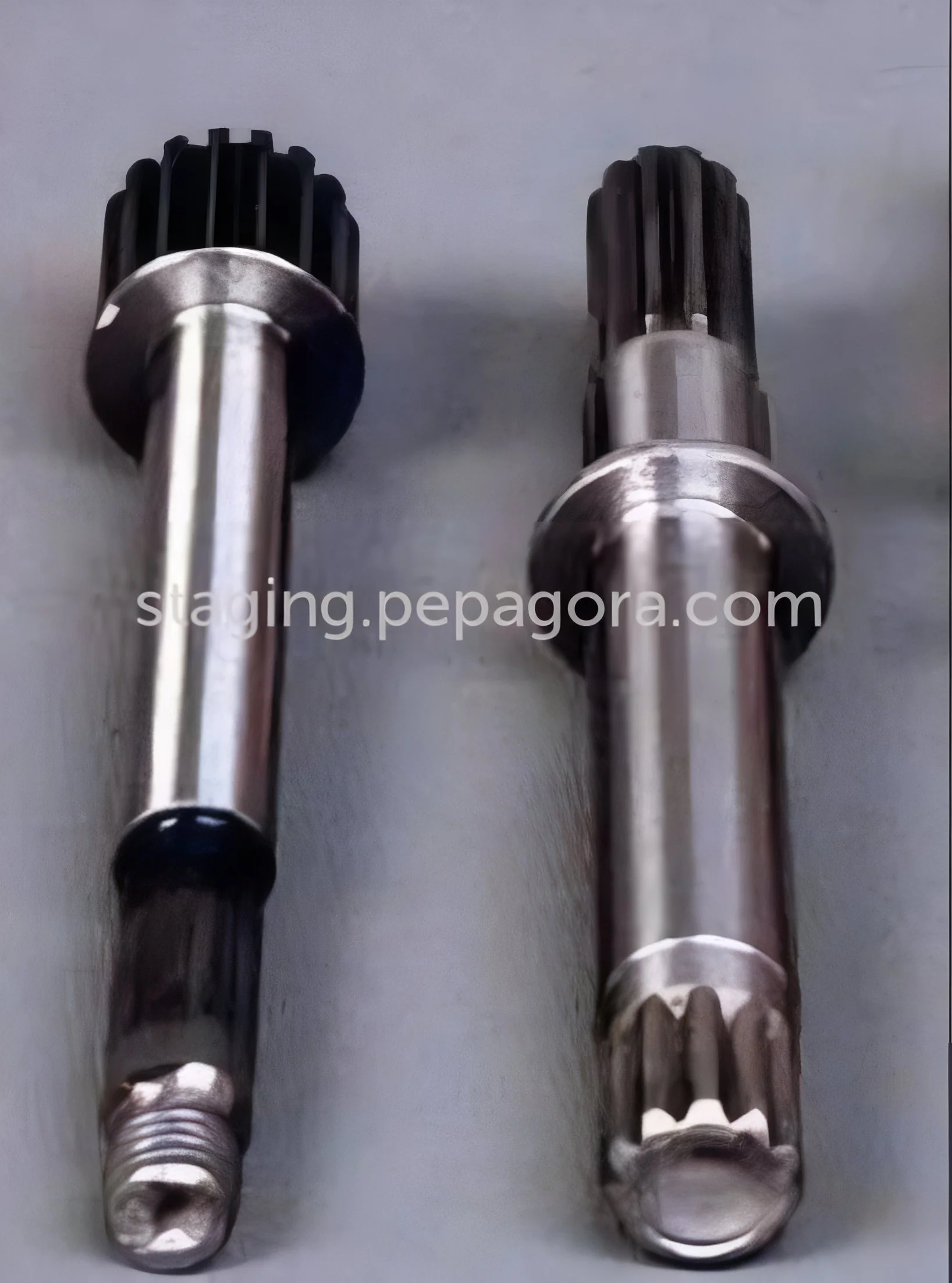
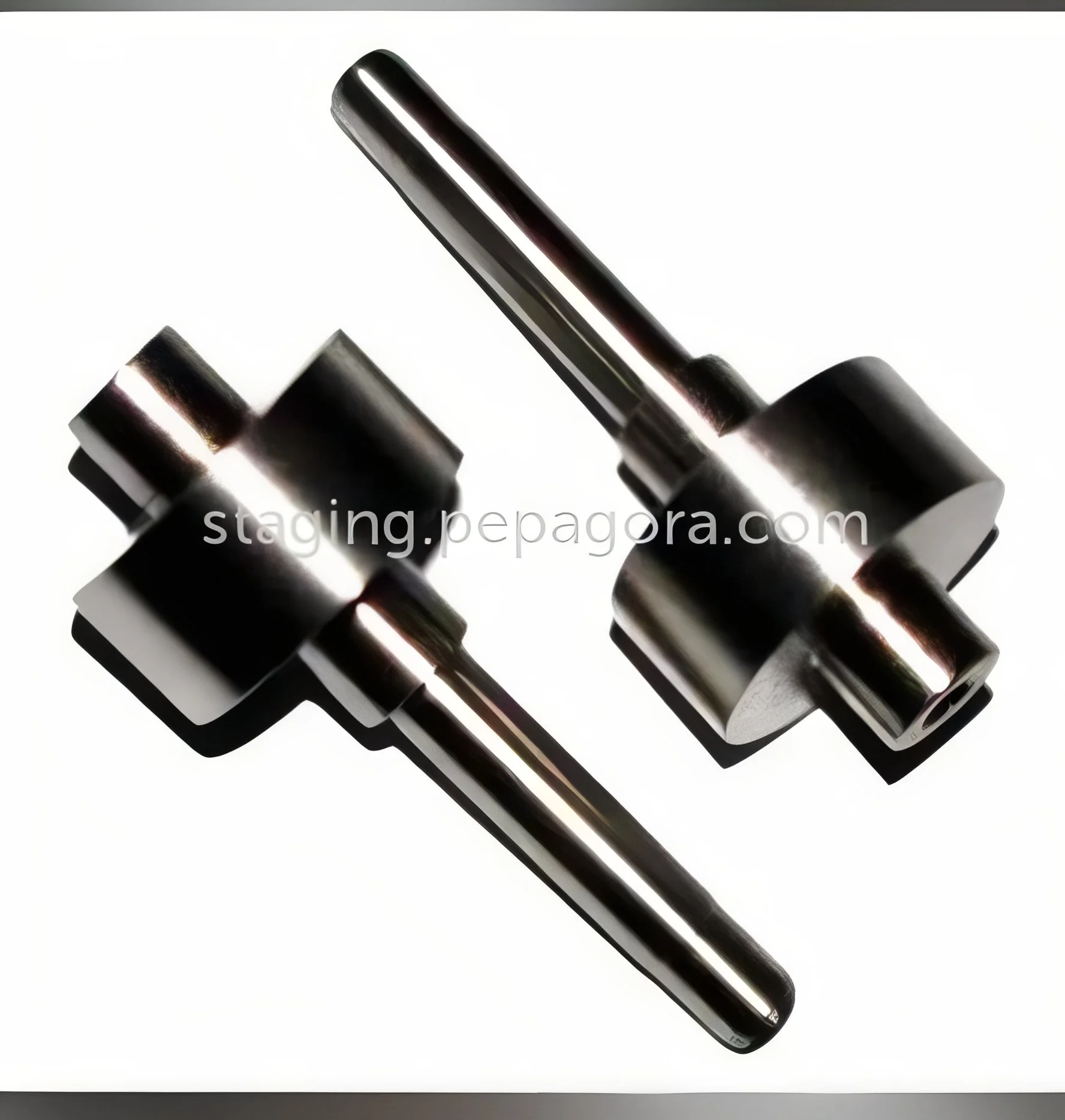
Industrial shafts form the core of mechanical power transmission systems, engineered to deliver uncompromising performance in demanding operational environments. These precision components utilize high-grade alloy steels and advanced CNC machining processes, ensuring exceptional dimensional accuracy and superior surface finish quality. Each shaft undergoes rigorous testing for mechanical strength, hardness, and torsional resistance, guaranteeing reliable performance under continuous operational stress. The manufacturing process incorporates strict quality control measures at every stage, from material selection to final inspection, ensuring consistent quality across all production batches.

Multiple industries depend on these precision shafts for critical power transmission functions. Textile manufacturing facilities utilize them in spinning frames and looms where consistent rotational motion is essential for quality fabric production. Printing operations rely on these components for a...
Industrial shafts form the core of mechanical power transmission systems, engineered to deliver uncompromising performance in demanding operational environments. These precision components utilize high-grade alloy steels and advanced CNC machining processes, ensuring exceptional dimensional accuracy and superior surface finish quality. Each shaft undergoes rigorous testing for mechanical strength, hardness, and torsional resistance, guaranteeing reliable performance under continuous operational stress. The manufacturing process incorporates strict quality control measures at every stage, from material selection to final inspection, ensuring consistent quality across all production batches.

Multiple industries depend on these precision shafts for critical power transmission functions. Textile manufacturing facilities utilize them in spinning frames and looms where consistent rotational motion is essential for quality fabric production. Printing operations rely on these components for accurate color registration and high-speed press operations. Automotive assembly lines integrate them into conveyor systems and automated machinery where reliability directly impacts production throughput. Packaging industries employ them in filling and sealing equipment, while material handling systems use them in conveyor drives and lifting mechanisms across logistics and distribution centers.

The business value of these industrial shafts extends beyond basic functionality to encompass operational reliability and long-term cost efficiency. Their robust construction minimizes unplanned downtime while precision engineering reduces wear on associated components, significantly lowering maintenance expenses. The consistent performance ensures smooth production flows and higher output quality, translating to improved productivity and better return on investment. Manufacturers benefit from extended equipment lifespan and reduced energy consumption through efficient power transmission. The reliability of these shafts builds trust in critical production processes, making them a strategic investment for businesses focused on operational excellence.

Key Features:
- Precision CNC machining for exact dimensional accuracy
- High-grade alloy steel construction for superior strength
- Advanced surface treatments for enhanced durability
- Rigorous quality testing for consistent performance
- Engineered for heavy load capacity and high-speed operations

Benefits:
- Reduced maintenance costs and extended equipment lifespan
- Enhanced operational efficiency and productivity
- Reliable performance in demanding industrial environments
- Improved power transmission efficiency and reduced energy consumption
- Consistent quality and durability for continuous operations
Specifications
| Additional Information | |
|---|---|
| SKU | EEC-IS-002 |
| Country of Origin | 106 |
| Customisable | No |
Application
Industrial shafts transmit rotational power while maintaining precise alignment in machinery systems. They ensure efficient torque transfer and operational stability in demanding environments, reducing downtime and maintenance costs for continuous production cycles. These components withstand heavy loads and high-speed operations across multiple industrial sectors. Robust construction and precision machining contribute to extended equipment lifespan and consistent performance in critical applications.
Real-world applications:
- Power transmission systems in textile manufacturing machinery for consistent fabric production
- Drive shafts in printing presses ensuring precise registration and high-speed operation
- Conveyor system shafts in packaging and logistics facilities for smooth material handling
- Rotating components in industrial motors and pumps across manufacturing plants
- Precision shafts in automotive assembly lines for reliable automation and positioning
Trade Details
| Available Stock | In Stock |
| Sample Availability | No |
Payment Terms
| Payment Terms |
|
Shipping & Logistics
| Shipping Internationally | - | |
| Methods | -- | |
| IncoTerms | -- | |
| Port of Dispatch | Ahmedabad, Gujarat | |
| Packaging Type | -- | |
| Units per Package | -- | |
| Barcode / HSN / GTIN / UPC | -- | |
| Dispatch Lead time | -- |
Company Profile

Easel Engineering Corporation, Gujarat
 Gujarat, India
Gujarat, IndiaIndustrial Equipment & Machinery•Manufacturer
Factory Details
Factory SizeBelow 1000 sqm
Annual Production Capacity0
SKU: EEC-IS-002
Industrial Shafts For Power Transmission Machinery Durable Precision
Precision industrial shafts deliver reliable power transmission for machinery. Engineered for smooth operation and long-lasting performance across diverse industrial applications. Ideal for durable mechanical components in manufacturing and automation systems.
Min. Order Quantity: 5 Unit
Shipping
Shipping fee and delivery date to be negotiated. Contact supplier now for more details.
Easel Engineering Corporation
 Gujarat, India
Gujarat, IndiaIndustrial Equipment & MachineryManufacturer